
Prom & Dance Dresses
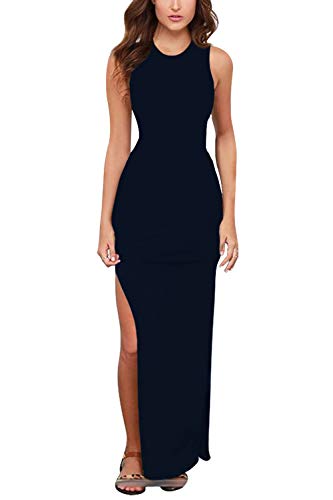
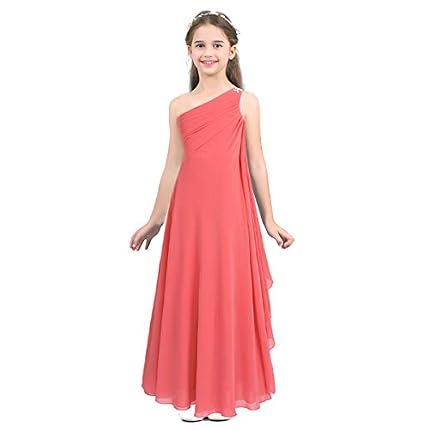
Prom & Dance Dresses cover formal and semi-formal looks selected with movement in mind, from short A-lines and fitted party dresses to long chiffon gowns, satin columns, high-low styles, and full prom gowns. Related language includes prom and dance dresses, formal dance dresses, dance-friendly prom dresses, prom party dresses, junior prom dresses, and school dance dresses.
U.S. schools may use different dress codes for junior prom, senior prom, winter formal, homecoming, and other dances. Check the written policy before choosing length, slits, sheer panels, cutouts, backs, or midriff exposure. Then test the exact dress with final shoes and underlayers rather than assuming stretch or a short hem automatically makes a gown easy to dance in.
Related shopping paths include prom dresses, short prom dresses, long prom dresses, and junior prom dresses. Use these collections to compare the full prom range, shorter and longer lengths, and junior prom options when the event’s formality is more specific than a broad dance-dress search.






Frequently Asked Questions About Prom & Dance Dresses
What makes a dress dance-friendly?
Secure support, enough stride and knee room, a safe hem, comfortable lining, stable closures, and fabric that moves without riding.
Can I wear a short dress to prom?
Often, but school rules and formality vary. Check the event guidance first.
Are long dresses hard to dance in?
Not necessarily. A long gown works when the hem clears the shoes and the skirt allows enough stride.
Is stretch fabric always better?
No. Both the outer fabric and lining need to stretch and recover comfortably.
How should I test a slit?
Sit, climb a step, walk quickly, and simulate dancing to see how high it rises.
Which neckline is most secure?
Security depends on fit and construction rather than one universal neckline.
Do school dress codes apply to prom?
Yes when the school has a current written policy.
When should I choose shoes?
Before final hemming and early enough to rehearse the full outfit.
What should I verify before ordering?
Check event formality, school rules, measurements, support, fabric, lining, movement, delivery, returns, and alterations.
How to Shop Prom & Dance Dresses
Use prom dance dresses as the main shopping intent, then narrow the choice with relevant secondary terms such as prom and dance dresses, formal dance dresses, and dance-friendly prom dresses. For U.S. prom shoppers, the useful decision is not keyword repetition; it is whether the exact garment matches the style, construction, fit, school rules, budget, and delivery timeline.
Start with current measurements in the planned undergarments, the prom date, venue, written school dress code, and final or likely shoe height. Then compare the selected seller, exact variation, lining, closure, support, return policy, and alteration difficulty before removing tags.
Match the Dress to the Event
Prom is usually more formal than other school dances, but traditions vary. A floor-length satin gown may suit senior prom while a short A-line can work for a less formal dance.
Start with the invitation and school guidance. Consider formal photos, dinner, outdoor arrival, dancing, and after-prom plans rather than choosing for one standing pose.
The Movement Test
Sit for ten minutes, stand, raise both arms, take a wide step, turn, climb a stair, and simulate faster dancing. Watch the neckline, lining, slit, and skirt.
A dress is dance-friendly only when it stays secure and allows normal movement. Stretch helps only if both lining and outer fabric recover without becoming sheer or distorted.
Short, High-Low, and Long Lengths
Short dresses clear the floor but can ride while sitting or spinning. High-low hems add leg room while keeping a formal back, and long gowns work when the front clears the shoes.
Fitted mermaids need knee and stride ease; full skirts need space around other dancers. Trains are dramatic for photos but can become a crowd hazard.
Bodice Security
Strapless, halter, one-shoulder, corset, and spaghetti-strap dresses can all work when fitted correctly. Useful features may include boning, cups, adjustable straps, no-slip edging, and lace-up backs.
The neckline should not require constant pulling. If fashion tape is the only thing preventing a drop, choose a better-fitting style.
Fabric, Heat, and Lining
Chiffon and light mesh move easily; stretch crepe and jersey can improve mobility; sequins, velvet, dense beading, and multiple tulle layers may feel warmer.
Check the lining separately. Dance during the try-on long enough to notice static, scratchy bead backs, heat, or rolling underlayers.
School Dress Codes
Schools can regulate hems, slits, cutouts, midriffs, sheer panels, backs, and neckline depth. A retailer label does not prove compliance.
Evaluate coverage while seated and with arms raised. If extra panels are required, check alteration feasibility before the return deadline.
Category Boundary With General Prom
This intent overlaps the main prom category. Its strongest value is movement-focused curation: secure bodices, practical hems, comfortable fabrics, and styles suitable for different school dances.
If inventory is identical to the main prom page, review this URL for consolidation in the final audit rather than keeping it only for a wording variation.
Junior Prom, Senior Prom, and Other School Dances
Prom and dance dress expectations can vary by event. Some junior proms and semi-formal dances favor shorter or less elaborate dresses, while senior prom may include more floor-length gowns and formal styling. These are common shopping patterns rather than fixed rules, so the school’s invitation, dress code, venue, and local tradition should guide the final choice.
If the same dress may be worn to more than one event, choose a silhouette and fabric that can be restyled without compromising fit. Shoes, jewelry, a wrap, or hairstyle can change the finished look, but the dress still needs to satisfy the most restrictive dress code and remain comfortable for the longest event.
Shoes, Hem Stability, and Dance-Floor Safety
Dance-friendly styling starts at the floor. Long hems should clear the final shoes, high-low skirts should not catch the heel, and short dresses should remain secure during turns and raised-arm movement. Platforms and heels can change hem length, but they should be selected for stability and comfort rather than used only to make an overly long dress wearable.
Practice several minutes of real movement in the complete outfit. Walk quickly, pivot, step backward, sit, and simulate dancing. Check that straps stay in place, the skirt does not wrap around the legs, and the shoe sole has enough grip for the venue surface. Comfort and control are central to a dress intended for dancing.
Final Prom & Dance Dresses Checklist
Before checkout, confirm that the exact product genuinely fits the prom dance dresses intent. Verify measurements, fabric, lining, closure, support, current price, seller, color or construction variation, delivery estimate, return eligibility, school requirements, and likely alterations.
After delivery, inspect the dress in daylight and phone flash, test every closure, and rehearse sitting, walking, stairs, reaching, and dancing in the intended shoes. Keep the dress only when it remains secure, comfortable, appropriate, and practical without repeated adjustment.