
Prom Dress for Short Girl
Prom Dress for Short Girl is a shopper phrase used by shorter wearers looking for prom dresses that work with a shorter vertical frame. Related searches include prom dresses for short girls, petite prom dresses, prom dresses for petite women, short-girl formal dresses, petite-length prom gowns, and prom dresses for short height. Height alone does not determine the best silhouette; torso length, waist placement, bust position, skirt length, heel height, and whether the dress is offered in a true petite pattern are more useful.
A standard-size gown can sometimes be hemmed successfully, but shortening the skirt does not move the waist seam, cups, pockets, slit, knee flare, or embellishment placement. For a shorter wearer, those vertical landmarks often determine whether a gown looks proportional and feels comfortable. Compare garment measurements, not just the model height, and choose the design that requires the fewest structural changes.
Related shopping paths include petite prom dresses, short prom dresses, A-line prom dresses, and mermaid prom dresses. These pages help separate true petite sizing from short hemlines and let shoppers compare easier A-line proportions with fitted silhouettes that depend more heavily on knee and torso placement.


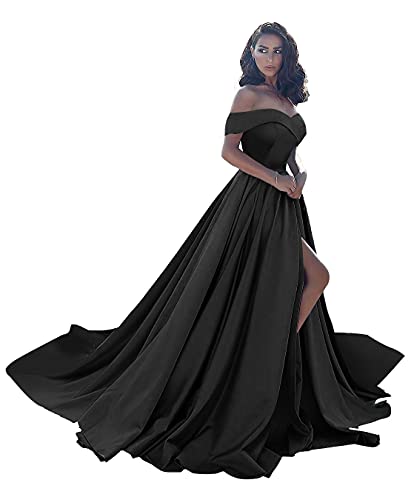


FTBY Women’s Off Satin Short Prom Dress Lace s Juniors Gowns Pockets
Original price was: $89.99.$67.99Current price is: $67.99.


Faxpox Women’s Knee Length Country Bridesmaid Dress Western Wedding Guest Dress
Original price was: $49.99.$45.99Current price is: $45.99.Frequently Asked Questions About Prom Dress for Short Girl
Are petite prom dresses the same as short prom dresses?
No. Petite refers to a shorter pattern block and vertical proportions, while short prom dresses describe the hem length.
What prom silhouette is best for a short girl?
There is no universal best silhouette. A-line, column, ball gown, and mermaid styles can all work when the waist, bust, knee, and hem land correctly.
Can I just hem a regular prom dress?
Sometimes, but hemming does not move the waist, cups, slit, pockets, or mermaid flare.
Do heels fix a dress that is too long?
They can change floor clearance, but shoes should be comfortable and should not be the only solution to poor garment proportions.
What measurements should a shorter shopper take?
Bust, waist, hips, shoulder-to-waist, waist-to-floor, and preferred finished length are useful starting points.
Are mermaid dresses difficult for petite wearers?
They can work, but the knee flare must land correctly and may be expensive to reposition.
Can a ball gown work on a shorter frame?
Yes. Correct bodice and waist placement matter more than a blanket rule against full skirts.
Should I size down to get a shorter dress?
No. Choose size from body measurements and the seller chart; sizing down can create bust, waist, hip, and breathing problems.
What should I verify before ordering online?
Check garment length, size chart, model height, seller, construction, delivery, returns, and likely alteration costs.
Start With Proportion, Not a Height Rule
Shorter shoppers do not need one prescribed silhouette. The useful questions are where the dress places the bust, natural waist, hip, slit, knee flare, and hem. Two people of the same height can have very different torso and leg proportions.
Take bust, waist, hips, shoulder-to-waist, waist-to-floor, and preferred finished length measurements. If the style is fitted through the thigh, also note where the knee flare begins on the garment.
Petite Sizing vs Simply Shortening a Dress
A true petite pattern may shorten the torso, rise, sleeve, and skirt as well as the overall length. By contrast, hemming a regular gown changes only the bottom edge. That distinction matters for corset cups, waist seams, side cutouts, pockets, and fitted mermaid shapes.
If a dress already places the waist too low or the cups too far down, an easy hem will not fix the main fit problem. Start with the pattern block closest to the wearer before budgeting for alterations.
A-Line, Column, Ball Gown, and Mermaid Choices
A-line gowns can be forgiving because the skirt widens gradually and usually leaves room for stride. Columns create a clean vertical line but need enough hip and knee ease. Ball gowns can work beautifully on shorter wearers when the waist and bodice are correctly placed, although very large skirts require more fabric management.
Mermaid and trumpet dresses demand the most attention to vertical landmarks. If the flare starts well below the wearer’s knee, the silhouette can feel restrictive and the alteration may be expensive.
Necklines and Bodice Scale
V-necks, square necklines, sweetheart bodices, halters, strapless tops, and one-shoulder designs can all work. The key is scale: cups should match the bust, straps should not be too long, and the neckline should stay stable when the wearer raises both arms.
Do not size down simply to shorten the torso. Choose the size from the least flexible measurement and adjust only where the construction allows.
Hem Length, Shoes, and Trains
Choose shoes before final hemming. A floor-length gown should clear the front safely while preserving the intended line. Platforms or heels can change the finished length, but they should be selected for walking and dancing comfort rather than used solely to rescue an overly long gown.
Long trains add proportion and logistics issues. Test stairs, vehicle entry, dancing, and restroom access before deciding that a dramatic train is practical.
Slits and High-Low Hems
A slit can increase stride and reduce the amount of fabric around the legs, but its apparent height changes when the skirt is shortened. A high-low hem can show shoes and simplify floor clearance, yet the front length still needs to align with the wearer’s leg proportions.
Check slit height while sitting as well as standing, and confirm school rules before alterations make the opening effectively higher.
Alterations Worth Pricing Before Purchase
Straight hems and simple straps are usually easier than moving waist seams, rebuilding corset cups, relocating lace borders, or changing a mermaid flare. Beaded hems, horsehair braid, sequins, and layered tulle increase labor.
Ask a tailor for an estimate before the return window closes. A slightly more expensive petite gown can cost less overall than a cheaper regular-size gown requiring several structural alterations.
Shopping Online With Better Fit Evidence
Prioritize listings with garment length, model height, size-specific reviews, close-up construction photos, and a clear return policy. Reviews are most useful when shoppers mention their own height, measurements, purchased size, shoes, and alteration needs.
Save the exact seller, color, size chart, delivery estimate, and return terms at checkout. Marketplace inventory can change, so the selected variation is the final source of truth.
Final Try-On for a Shorter Frame
Photograph the dress from front, side, and back at normal camera height. Check waist placement, cup position, hem clearance, slit height, pocket placement, and whether a long skirt overwhelms movement rather than relying on a universal styling rule.
Walk quickly, sit, climb a step, dance, and turn. The right prom dress is the one that fits the wearer’s actual proportions and remains secure throughout the event.