
Plus Size 18 Dresses for Women
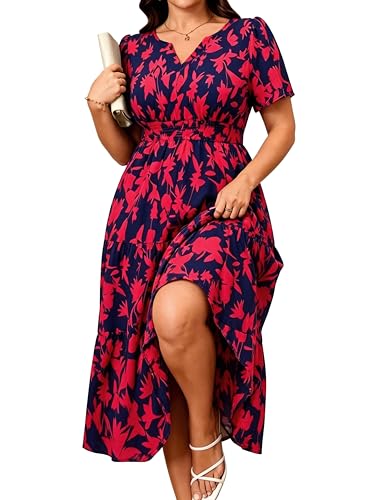
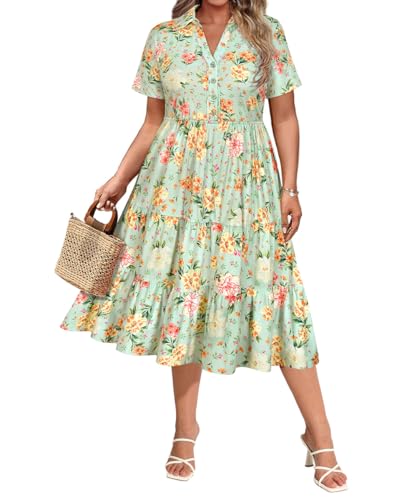
Plus size 18 dresses for women may appear in both standard and plus-size ranges, which makes measurement checking especially important. The product grid below can include size-18 formal dresses, wedding-guest styles, cocktail dresses, workwear, casual maxis, wraps, A-lines, fit-and-flare dresses, and stretch knits.
Compare the retailer’s size 18 and 18W information when both are offered. The labels may use different pattern proportions even when the number is the same. Check bust, waist, hip, shoulder, upper arm, rise of the waist seam, and total length. Fabric stretch and lining can change the amount of practical room.
Use formal, casual, and wedding guest categories to filter by event. Confirm seller, shipping, availability, and returns on the final product page.





Frequently Asked Questions About Plus Size 18 Dresses for Women
Is size 18 the same as size 18W?
Not necessarily. Some brands use separate standard and plus-size pattern blocks. Compare bust, waist, hip, arm, shoulder, and length measurements for the exact garment.
What measurements are most important for a size 18 dress?
Bust, natural waist, full hip, upper arm, shoulder width, and garment length are useful. The least flexible area should guide the choice.
Are size 18 wrap dresses easy to fit?
True wraps provide adjustment at the waist, but bust overlap, shoulder fit, and skirt coverage still matter. Faux wraps may be fixed and should be sized like any other dress.
Which fabrics provide stretch in size 18 dresses?
Jersey, ponte, rib knits, and blends with elastane often stretch. Check the fiber content and lining because the outer fabric may stretch while the lining does not.
Can I wear a size 18 dress to a formal wedding?
Yes. Chiffon, satin, crepe, lace, velvet, and embellished styles can meet formal dress codes when the length, finish, and venue are appropriate.
How do I evaluate a fitted sleeve?
Measure the fullest part of the upper arm and check whether both sleeve and lining stretch. The arm should move freely without pulling the bodice.
Should I choose a size from reviews or the chart?
Use the chart first. Reviews are helpful when they include measurements and identify a specific fit issue. General comments such as runs small are not precise enough alone.
Can size 18 dresses be altered?
Many can be hemmed or adjusted at straps and seams. Complex lace, beading, sleeves, and narrow seam allowances can limit changes, so ask a tailor before the return deadline.
What retailer details should I confirm after clicking an affiliate product?
Verify seller, current price, stock, size chart, material, shipping, return policy, care, and included items on the final retailer page.
Understand the Difference Between 18 and 18W
Some retailers use size 18 as the upper end of a standard range and 18W within a separate plus-size range. The W does not have one universal measurement, but it can indicate a different pattern block with changes in bust, waist, hip, armhole, or torso proportion.
Do not assume one is automatically larger in every area. Compare the charts directly. A standard 18 may fit one garment better, while an 18W may provide the needed room in another.
Create a Current Measurement Record
Take bust, natural waist, full hip, upper arm, shoulder width, and height. For fitted dresses, include the length from shoulder to waist and shoulder to hem when possible. Record the undergarments worn during measurement.
Measurements change over time and after changing bras or foundation garments. Use current numbers rather than an old online profile.
Choose According to Fabric Structure
A size 18 jersey dress with four-way stretch behaves differently from a lined satin gown. Knit fabric may provide flexibility, but the neckline and seams still need to sit correctly. Woven dresses need enough ease at the bust, waist, and hip.
Check whether the lining stretches. A stretch outer layer over a rigid lining can feel tighter than the title suggests.
A-Line Dresses in Size 18
A-lines can suit offices, weddings, dinners, and formal events because they offer shape through the top and more room below. Panel seams may create structure without requiring a tight waist.
Confirm where the skirt begins and whether the dress uses a fixed waistband. An A-line label does not guarantee an identical fit across brands.
Fit-and-Flare and Skater Styles
Fit-and-flare dresses create stronger waist definition and skirt movement. They may use pleats, gathers, or circular construction. Check whether the waist seam aligns with your natural waist and whether skirt volume suits the event.
For dancing, test spin, sitting, and wind exposure. A full skirt should have adequate lining.
Sheath and Pencil Dresses
Sheaths and pencil shapes require closer hip, seat, and waist measurements. Look for a back vent, side slit, stretch percentage, and lining. Stress lines across the front or a riding hem indicate inadequate room.
A structured sheath can work beautifully for professional and cocktail settings when movement is preserved.
Wrap Dresses and Neckline Security
A true wrap offers adjustment at the waist, but the bust overlap and skirt coverage still matter. Check tie position and fabric weight. Lightweight wraps can shift in wind; heavier wraps may pull at the shoulder.
Faux wraps should be treated as fixed dresses. Look for snaps, stitching, or hidden panels that control the neckline.
Size 18 Formal Dresses
Formal choices include chiffon maxis, lace gowns, satin midis, velvet, sequins, and crepe. Compare structure, lining, closure, sleeve mobility, and hem. A formal dress should remain comfortable while seated for dinner and ceremony.
Browse formal dresses for broader options. Choose embellishment based on the event rather than assuming more decoration means better quality.
Wedding Guest Dresses
Read the invitation and venue information. A floral midi may suit a daytime garden wedding; a dark satin or long crepe dress can suit evening; chiffon and manageable hems help at beach venues.
Use wedding guest dresses to compare current products. Bring a layer for climate control and choose shoes you can actually wear for the full event.
Cocktail Dresses
Cocktail styles may use lace, sequins, satin, velvet, or structured knits. Check hem length while sitting, neckline security, zipper movement, and whether decorative sleeves restrict the arms.
The cocktail category provides additional options. Test the complete dress with shoes and bag before the return window closes.
Size 18 Work Dresses
For work, prioritize repeat wear, wrinkle recovery, coverage, pockets, and layering. Shirt dresses, ponte sheaths, wraps, and midi A-lines can move between meetings and travel.
Browse women’s work dresses. Confirm washing or dry-cleaning requirements before treating a dress as an everyday staple.
Casual and Weekend Styles
Jersey maxis, sweater dresses, shirt dresses, and relaxed fit-and-flare styles can cover weekends, vacations, and meals. Look for fabric that is opaque, washable, and comfortable in the planned season.
Use casual dresses to narrow the products. Pockets and elastic waists are useful only when they do not distort the shape.
Neckline Selection
V-necks can create vertical space, square necks emphasize structure, scoop necks are versatile, and high necklines offer more coverage. The right choice depends on support, comfort, and styling—not a rule about body shape.
Browse neckline categories and consider bra compatibility. Test bending and seated coverage.
Sleeve Options
Sleeveless, cap, short, flutter, elbow, three-quarter, and long sleeves affect temperature and arm mobility. Fitted sleeves need exact upper-arm measurements. Bell and flutter sleeves provide room but may interfere with dining or work.
Check the armhole on sleeveless dresses. It should not gape or cut into the skin.
Length and Height
A midi may fall below the knee on one shopper and near the ankle on another. Use actual garment length and compare customer photographs from different heights. Browse dresses by length for focused choices.
For maxis, measure in shoes and test stairs. For shorter dresses, check seated coverage.
Bras, Slips, and Shapewear
Select undergarments before the final fit. A different bra can change the bust and waist placement. Slips may improve drape and opacity. Shapewear is optional and should not be required to tolerate an undersized dress.
Wear the planned layers during alteration and hem appointments.
Read Product Reviews for Specific Evidence
Useful reviews mention measurements, size purchased, height, fabric thickness, stretch, and the exact area that fit differently. General praise or criticism is less informative.
Confirm that reviews correspond to the same dress variation. Marketplace pages sometimes group multiple colors or designs.
Returns and Backup Timing
Order early enough to exchange but close enough to the event that measurements remain useful. Open the package immediately. Check damage, color, zipper, lining, and fit before removing tags.
Keep a backup plan for important events. A second dress or local shopping option can reduce pressure if delivery is delayed.
Affiliate Listing Verification
MotherBrideDress.com sends shoppers to third-party retailers. Verify current seller, price, stock, delivery, return terms, measurements, and care on the retailer page.
Amazon and marketplace inventory can change. Save the exact seller and order information rather than relying on a screenshot of the category page.
Common Size 18 Mistakes
- Assuming size 18 and 18W use the same proportions.
- Using an old measurement profile.
- Ignoring the lining’s stretch.
- Choosing a wrap based only on waist adjustability.
- Evaluating length from the model photo.
- Buying a fitted sleeve without measuring the upper arm.
- Removing tags before a seated movement test.
- Missing the seller-specific return period.
Find the Size 18 Dress That Fits the Real Occasion
Compare measurements, fabric, lining, silhouette, and event requirements. The correct size 18 dress should remain secure and comfortable while sitting, walking, eating, and moving through the full day.
Return to dresses by size or compare size 16 and size 20 dresses when a particular brand’s chart places you between sizes.
Shopping Where Standard and Plus Ranges Meet
Size 18 often appears at the boundary between two departments. This can be useful because it creates more options, but it also increases inconsistency. A brand may cut its standard 18 from one pattern and its plus 18W from another. Compare both when available instead of assuming the department label determines the best fit.
Look at the complete range around the dress. If customer photos show that the silhouette changes noticeably in extended sizes, inspect seam placement, sleeve scale, and skirt volume carefully.
Color and Print Selection for Different Uses
Neutral solids can support work, dinners, and repeated formal wear, while floral, geometric, or abstract prints may suit weddings and daytime events. Check print scale and border placement. A border print near the hem may be difficult to shorten without changing the design.
For an occasion dress, compare the color in daylight and venue-like lighting. Satin and velvet can appear significantly darker or brighter than a matte product image.
Build the Outfit Before the Return Date
Do not wait until the event week to add shoes, bra, jacket, and bag. These items affect length, neckline, shoulder comfort, and the way the fabric hangs. A crossbody strap may pull sequins; a rough necklace can catch lace; a jacket may bunch full sleeves.
Complete the outfit while exchanges remain possible. Photograph the full look and test walking, sitting, stairs, and the expected temperature.
Use a Comparison Worksheet
When several products look similar, record seller, chart measurements, fabric, stretch, lining, closure, length, care, delivery date, return deadline, and review concerns. This prevents attractive photographs from hiding practical differences.
Eliminate dresses that miss a required measurement or deadline before comparing decoration. The most useful choice is the one that can realistically arrive, fit, and be prepared for the occasion.
Care Costs and Repeat Wear
Dry-clean-only velvet, sequins, or structured satin may be appropriate for a major event but expensive for frequent use. Machine-washable knits and crepe blends can be more practical for work and travel. Follow the actual label rather than the marketplace description.
Include alteration and cleaning costs when comparing value. A lower purchase price may not remain lower after complex hemming or specialist care.
Plan for Seated Comfort and Long Events
A dress can appear correct while standing and become restrictive after thirty minutes in a chair. Sit at a table, cross and uncross the legs, reach for a bag, and stand without pulling the skirt into position. Check whether the waist rolls, the lining twists, or the zipper presses against the back.
For ceremonies, work dinners, and receptions, comfort should remain stable after eating and moving. A slightly different silhouette may perform better than a visually similar fitted option.
Use Adjacent Sizes as Evidence
When the size-18 chart misses one critical measurement, compare the same dress in size 16 or 20 rather than forcing the 18. Review whether the larger size can be adjusted at shoulders or waist, or whether the smaller size relies on stretch. The best label is the one that fits the construction.
Keep notes by product because the correct choice can change between brands.