
Puffy prom dresses
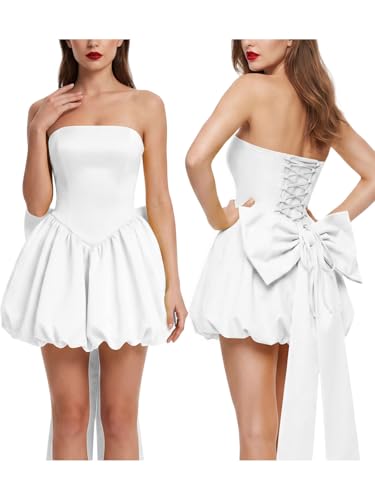
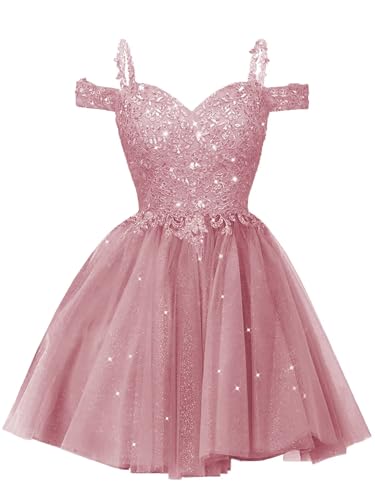
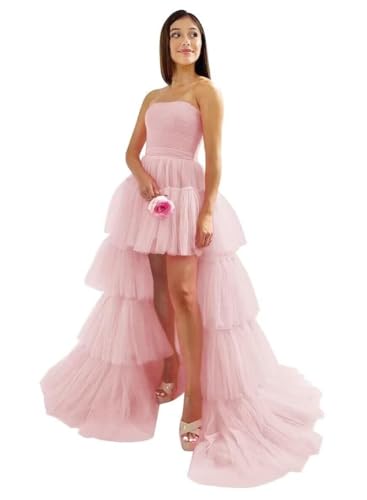
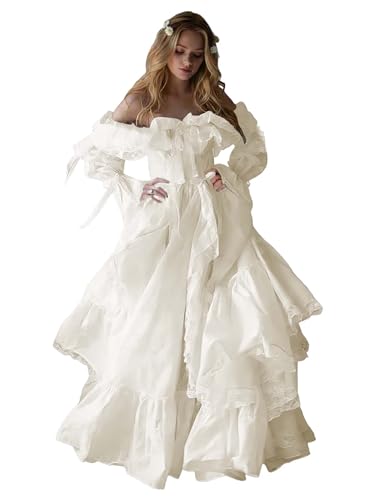
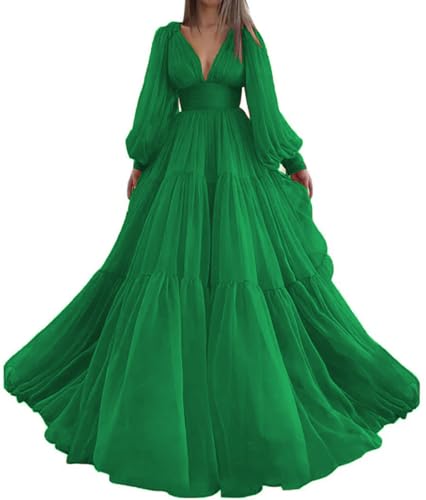
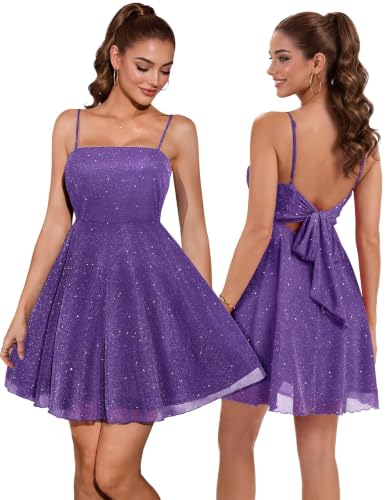
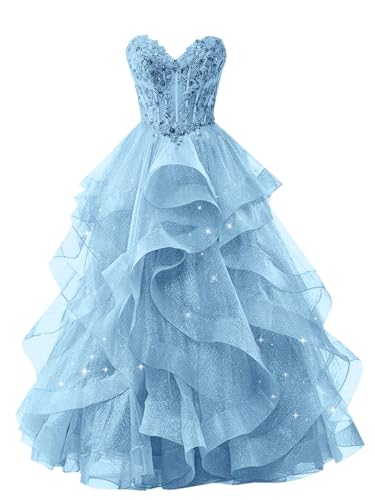
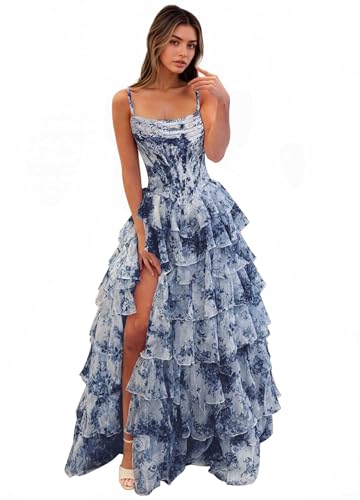
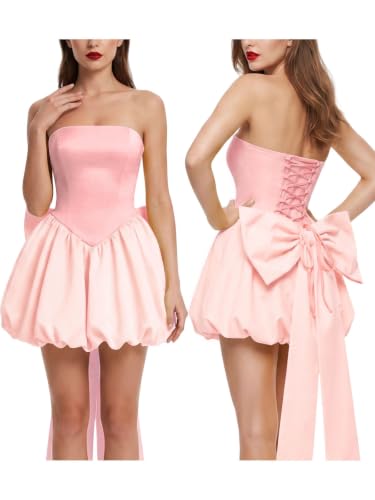
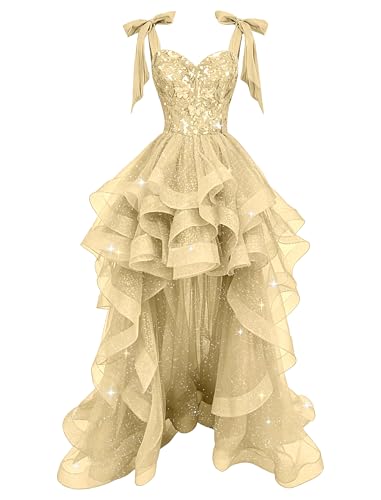
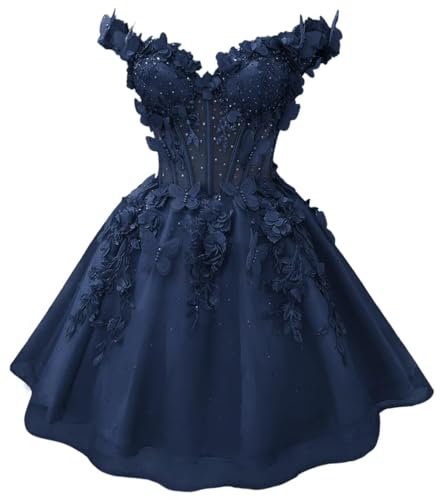
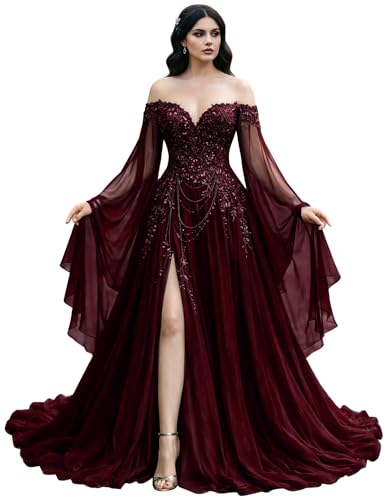
Puffy describes volume rather than a specific cut, and this collection is built almost entirely around one construction that produces it: tulle appears in around seven in ten listings and ball gown cuts in around four in ten. Prom accounts for eight in ten listings and gowns for just under seven in ten.Off-shoulder necklines appear in around a quarter, and tiered or ruffled skirts each show up in around a fifth to a third, which are the two main routes to the volume this style is known for.Sweetheart necklines lead at a fifth. For the same volume in bridal white, see tulle wedding dresses.








Puffy Prom Dresses: Frequently Asked Questions
How is a puffy effect actually made?
Two main ways: layered tulle stacked underneath the outer layer, sometimes over a crinoline, which gives the fullest and most structured puff, or tiered ruffles building volume horizontally, which gives a softer, more textured fullness.
How do I know how much volume a dress actually has?
Check the hem circumference or layer count if the listing gives it, rather than relying on the word puffy alone. A four to six layer skirt is moderate; eight or more, especially over a crinoline, is genuinely dramatic.
Will a very full skirt be hard to move around in?
Possibly, if it is at the dramatic end. Narrow spaces, car seats and standard-width chairs all become considerations with a heavily layered skirt, so it is worth checking the venue and transport before choosing the fullest option.
Is a full skirt heavy?
More layers means more fabric weight, particularly over a stiff crinoline, and that weight sits at the waist for hours. A well-fitted, boned bodice matters more here than in a lighter dress.
Why is off-shoulder so common with this style?
It is a deliberate proportion choice. A wide, voluminous skirt needs a bodice that reads as fitted and contained by contrast, and an off-shoulder neckline narrows the visual line at the top while the skirt carries the volume below.
Is this style good for dancing?
Very, since tulle layers move dramatically and catch light on a dance floor. The trade-off is spatial awareness, since a wide skirt takes up more room than other dancers may expect.
Is it hard to sit in a very full skirt?
It compresses when seated and can spring back up around you, which some people enjoy and others find manages awkwardly at a dinner table for a full evening.
Will I need help getting into the dress?
A heavily layered skirt is bulkier than most prom silhouettes to manage, both putting it on and during restroom breaks. Having someone available to help is worth planning for with the fullest styles.
Does a full skirt forgive fit variation?
Through the hip and thigh, yes, since the volume absorbs measurement differences. The bodice is where precision matters most, since it carries the weight of everything below.
Two Ways to Build Volume
Puffy is an effect, not a single construction, and knowing which method a dress uses tells you a great deal about how it will move and feel.
Layered tulle, present in around seven in ten listings here, builds volume through multiple layers of net fabric stacked underneath the outer layer, sometimes with a stiffer crinoline base. This gives the fullest, most structured puff and holds its shape through a full evening of dancing.
Tiered ruffles, at around a fifth to a third depending on the specific style, build volume horizontally through stacked ruffled bands rather than vertical net layers. This produces a softer, more textured fullness that moves differently from a smooth tulle skirt.
A dress can combine both, though the ratio between them decides whether the final shape reads as a classic ball gown poof or a more textured, ruffled fullness.
How Much Volume Is a Lot
Since puffy has no fixed definition, it is worth checking a listing's actual hem circumference or layer count rather than relying on the word alone.
A moderate ball gown skirt with four to six tulle layers gives noticeable volume without being difficult to navigate through doorways, chairs or a car.
A dramatic full skirt with eight or more layers, sometimes built over a hoop or heavy crinoline, is the version that genuinely needs planning around: narrow spaces, car seats and standard-width chairs all become considerations rather than afterthoughts.
If the venue or the transport to it has any tight spaces, checking the actual volume rather than assuming from a flattering photograph angle saves a difficult evening.
Weight and Comfort Over an Evening
More layers means more fabric, and that adds up. A heavily layered tulle skirt, particularly one built over a stiff crinoline, sits with real weight at the waist for hours.
The bodice needs to carry that weight without slipping, which means boning and a properly fitted waist matter more here than in a lighter dress, regardless of how the bodice itself looks.
Sitting is also worth considering specifically. A very full skirt compresses when seated and can spring back up around you, which some people enjoy and others find manages awkwardly at a dinner table for hours.
The Off-Shoulder Pairing
Off-shoulder necklines appear in around a quarter of listings here, and the combination with a full puffy skirt is a deliberate proportion choice rather than a coincidence.
A wide, voluminous skirt needs a bodice that reads as fitted and contained by contrast, and an off-shoulder neckline does exactly that: it narrows the visual line at the top while the skirt carries all the volume below.
A high or covered neckline with an equally full skirt can read as top-heavy in the wrong way, since nothing balances the width below with definition above.
Movement and Dancing
This is where a puffy silhouette genuinely earns its reputation, and it is worth choosing deliberately if dancing matters to your evening.
Tulle layers move with real drama on a dance floor, catching light and motion in a way a fitted or flowing dress cannot replicate.
The trade-off is spatial awareness: a wide skirt takes up more room than other dancers may expect, and spinning or fast movement needs more clearance than a fitted or A-line dress would.
Fabric Detail
Lace, at around four in ten listings, most often appears at the bodice rather than through the puffy skirt itself, giving textural contrast against the plain tulle below.
Sequin, at around one in seven, adds shine at the bodice or scattered lightly through the upper tulle layers, catching stage or dance floor lighting.
A slit, present in around one in seven listings, is less common here than in fitted styles, since the volume of the skirt already provides visual interest without needing a break in the surface.
Getting In and Out of the Dress
A heavily layered skirt is bulkier to manage than most prom silhouettes, both when putting the dress on and when using a restroom during the evening.
A back zip is standard, and having someone available to help with a very full skirt is worth planning for, the same way it would be for a wedding gown of similar volume.
Sizing
Take bust, waist and hip as standard, and note that a full skirt is forgiving of hip and thigh variation in a way a fitted dress is not, since the volume itself absorbs differences in measurement.
The bodice is where fit precision matters most in this silhouette. Measure bust and underbust carefully, since that is what carries the weight of everything below it.
The US size chart covers conversions.
Related Collections
For the same volume in bridal white, see tulle wedding dresses. For a fitted alternative, browse tight prom dresses. For the full prom range, see prom dresses.