
Shop for tulle wedding dress
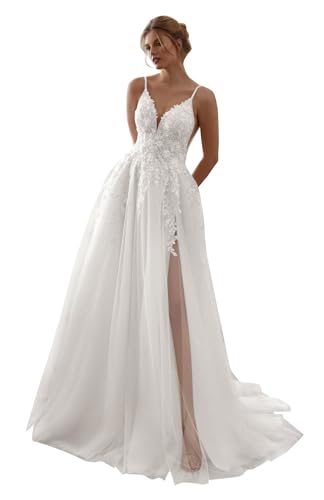
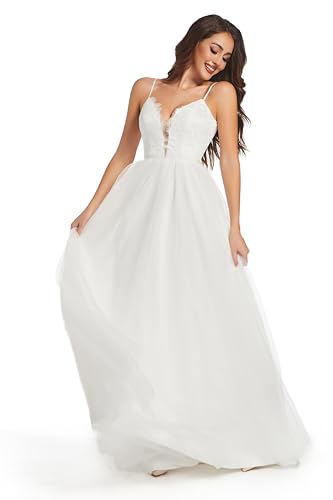
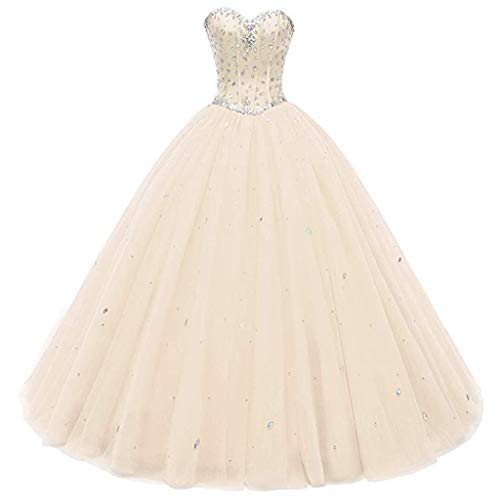
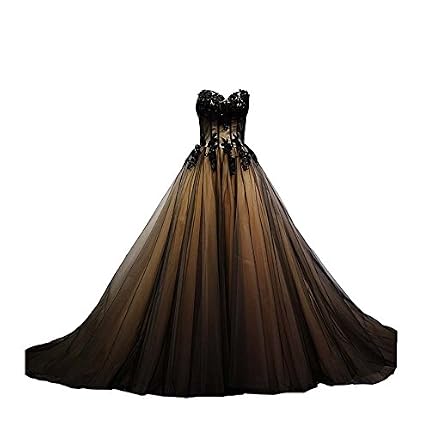
Tulle is the fabric behind almost every full bridal skirt, and nearly nine in ten listings here use it. Just under seven in ten are described as gowns and lace appears in around four in ten, usually as a bodice over a tulle skirt.A-line accounts for around a quarter and ball gown for around one in five. Around a quarter mention beach weddings, which reflects how light tulle is rather than how formal.Backless styles and trains each appear in around one dress in six. For smooth fabrics instead, see satin wedding dresses.








Tulle Wedding Dresses: Frequently Asked Questions
How many layers of tulle do I need?
Two to three gives a soft fall with movement. Four to six gives visible volume without stiffness and is the most wearable. Seven and above, usually with a crinoline, gives the full ball gown shape and is difficult to sit in.
Is tulle scratchy?
It depends which. Bridal illusion tulle is soft and smooth against skin. Nylon or craft tulle holds shape better but is noticeably scratchy, so if a listing does not mention lining and the skirt looks stiff, plan on wearing something underneath.
Will the skirt be see-through?
Only if the lining is short. Many cheaper dresses line only to the thigh, which leaves the lower skirt transparent against strong light outdoors. Look for photographs taken outdoors rather than in a studio.
Does tulle crease?
No. It crushes but recovers when hung, which makes it the most forgiving bridal fabric for travel and part of why it suits destination weddings.
What is horsehair braid?
A stiff strip sewn into the hem that makes the edge flare outward. It is what gives a tulle skirt its defined bell shape. A raw cut edge, which tulle allows since it does not fray, gives a floatier unstructured hem instead.
Can a tulle hem be shortened?
A raw-cut hem is genuinely simple to shorten. A horsehair-braid hem means removing and reattaching the braid, which is skilled work and costs accordingly.
Can I iron tulle?
No. Synthetic tulle melts under direct heat and the damage is instant and permanent. Steam from a distance, or hang the dress in a bathroom with hot water running.
Does tulle snag?
Constantly, on rings, bracelets, watch clasps, chair backs and Velcro. A pull creates a visible line that cannot be repaired, though on a multi-layer skirt one damaged layer is often hidden by those above it.
Where does fit matter most?
The bodice. A tulle skirt absorbs variation in waist and hip because of the volume, so measure bust, underbust and waist carefully and treat the skirt measurement as secondary.
Layers Are the Whole Design
Tulle is a net, so a single layer is transparent and almost weightless. Everything about how a tulle dress looks and feels comes down to how many layers there are and what sits under them.
Two to three layers gives a soft fall with movement. The skirt follows the body more than it stands away from it. This is the fabric behind slip-style and beach bridal.
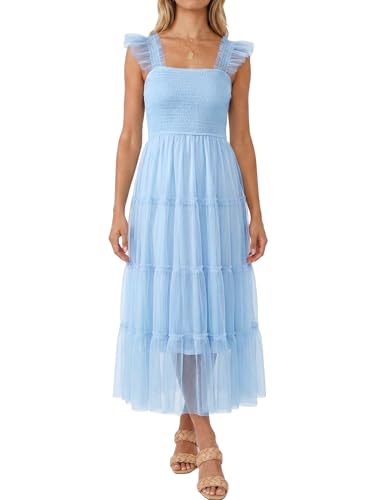
Four to six layers gives visible volume without stiffness. The most common bridal construction and the most wearable.
Seven layers and above, usually with a stiffer netting or a crinoline underneath, gives the full ball gown shape. Dramatic, heavy at the waist, and difficult to sit in.
Listings rarely state the count. The photograph shows it: look at how far the hem stands from the model's ankle, and whether the skirt holds its shape when she walks or collapses around the legs.
Not All Tulle Is the Same Stiffness
The second variable, and the one that decides comfort.
Bridal illusion tulle is the softest, finest and most expensive. It drapes rather than stands, feels smooth against skin, and is what quality bridal uses.
Nylon or craft tulle is stiffer and cheaper. It holds shape well, which is why it appears in fuller skirts, but it is noticeably scratchy against bare skin.
Point d'esprit has small woven dots across it and reads vintage rather than contemporary.
Glitter or sparkle tulle has adhesive particles applied. It photographs well and sheds, leaving glitter on everything the dress touches, including other people's clothing.
The comfort test is simple: if a listing does not mention a lining and the skirt looks stiff, assume it will scratch and plan on wearing something underneath.
What Goes Under a Tulle Skirt
This is the practical detail people discover too late.
A lined skirt has a solid underlayer, usually satin or crepe, and the tulle sits over it. Comfortable and opaque.
An unlined tulle skirt with only a short lining at the top is common in cheaper dresses. The lining stops at the thigh, which means the lower half of the skirt is see-through against strong light, particularly outdoors.
A separate slip solves this and can be bought in a matching tone, but it adds weight and warmth.
Check the listing photographs taken outdoors or against light. Studio images are lit to prevent exactly this from showing.
Weight and Movement
Tulle weighs very little per layer and considerably more in aggregate.
A three-layer skirt is barely noticeable. A ten-layer ball gown with a crinoline sits heavily at the waist and pulls downward on the bodice all day, which is why those dresses need proper internal structure.
Tulle also takes up space. A full skirt is wide, which affects car journeys, narrow aisles, restroom cubicles and any crowded reception. This is worth thinking about against the venue rather than in the abstract.
On the positive side: tulle does not crease. It crushes, but it recovers when hung, which makes it the most forgiving bridal fabric for travel and the reason it suits destination weddings.
The Hem Finish
Easy to overlook and it decides whether a tulle skirt holds its shape.
A horsehair braid sewn into the hem is a stiff strip that makes the edge flare outward. It is what gives a tulle skirt its defined bell shape and it is why some dresses look structured while others hang limp.
A raw cut edge is the modern soft approach: tulle does not fray, so it can simply be cut. This gives a floaty, unstructured hem.
A rolled or bound hem sits between the two.
This matters for alterations. Shortening a horsehair-braid hem means removing and reattaching the braid, which is skilled work. Shortening a raw-cut tulle hem is genuinely simple, and it is one of the few bridal alterations you could reasonably do yourself.
Snags and Care
Tulle catches on everything: rings, bracelets, watch clasps, chair backs, Velcro, and other people's sequins.
A pull in tulle creates a visible line that cannot be repaired, though on a multi-layer skirt one damaged layer is often hidden by those above it.
Do not iron tulle. Synthetic tulle melts under direct heat and the damage is instant and permanent. Steam from a distance or hang the dress in a bathroom with hot water running.
What Tulle Pairs With
Lace appears in around four in ten listings here, almost always as the bodice over a tulle skirt. This is the dominant bridal construction for a reason: lace gives structure and detail at the top, tulle gives volume and lightness below.
Satin bodices with tulle skirts give a cleaner, more formal contrast.
All-tulle dresses, bodice included, read softest and most romantic but need a solid lining at the bodice for support.
Sizing
Around one listing in eight is plus size.
Tulle skirts are forgiving of hip and waist measurement because the volume absorbs variation. The bodice is where fit matters, so measure bust, underbust and waist carefully and treat the skirt measurement as secondary.
Strapless bodices appear in around one dress in eight here, and with a heavy tulle skirt pulling downward they need boning and an inner grip band. Check for both.
Bridal numbering sits roughly two sizes below what you wear day to day. The US size chart covers conversions.
Related Collections
For smooth fabrics, see satin wedding dresses. For lace-led styles, browse vintage lace wedding dresses. For less volume, see sheath wedding dresses.