
Long Black Formal Dresses for Women
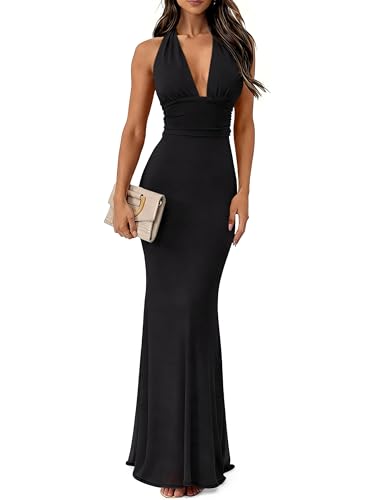
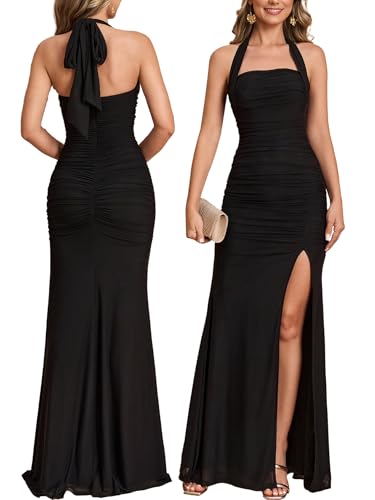
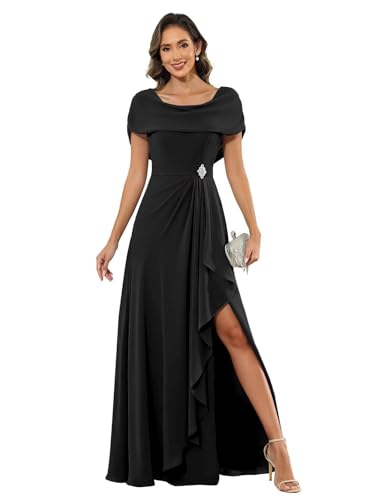
Long black formal dresses are the most reusable purchase in occasion wear, which is why this collection leans heavily toward evening styles. Around four in ten listings here are described as evening dresses or gowns, and a third have a slit. Mermaid is the most common structured silhouette, appearing in roughly one dress in five.Chiffon accounts for about a fifth of the collection, sequin fabric for around one in six, and just under a fifth are plus size. Roughly four in ten have sleeves of some kind, though full long-sleeve styles are a smaller subset. Adrianna Papell, Alex Evenings and J Kara supply a large share.For other lengths and colors, see long formal dresses or the full formal dresses range.




Long Black Formal Dresses: Frequently Asked Questions
Why does a black formal dress look flat in photographs?
Black absorbs light rather than reflecting it, so seams, darts and draping can flatten into a single dark shape on camera. Texture and structure survive photography better than cut alone: a slit, a beaded or sequin surface, or a mermaid seam all create visible definition.
What is the difference between a black gown and a long black dress?
A gown usually means floor length with more internal structure, such as boning, a fitted lining or a heavier fabric. A long dress may be floor length without any of that. Check whether the listing mentions boning or a lined bodice rather than relying on the title.
Are long sleeve black formal gowns available?
Yes, though full long-sleeve styles are closer to one listing in ten rather than the four in ten that have sleeves of some kind. Long sleeves work particularly well in black, since the color hides seam detail and does not add visual bulk.
How high are the slits?
Slit height varies considerably between listings that look similar in thumbnails, and the model's height affects where it appears to fall. Look for a slit measurement from the hem, or check customer photographs rather than the studio image.
Which neckline works best in black?
An open neckline such as a V-neck or off-shoulder cut, because the fabric recedes visually and the neckline becomes the main line the eye follows. If you prefer a high neckline, choose one with texture or beading at the neck.
Can I wear a black dress to a wedding?
At an evening wedding, black is widely accepted for guests. At a daytime religious ceremony, expectations vary by region and family, and a very deep navy or charcoal gives a similar effect. As mother of the bride or groom, check with the couple first.
What should I measure for a mermaid style?
Bust, waist, hip, and your thigh at the widest point. Thigh measurement is where mermaid cuts fail most often, and the silhouette also limits stride length, which matters on stairs.
Which fabric photographs best in black?
Sequin fabric is the most photograph-friendly and the least forgiving of fit. Satin reflects light along its folds and creates definition. Chiffon drapes and moves, which offsets flatness. Plain matte fabrics give the camera the least to work with.
Are plus sizes available?
Just under a fifth of these listings are plus size. Petite listings are rare, so expect to hem if you are under about 5'4".
Why Black Photographs Differently
Black absorbs light rather than reflecting it, and that changes what a camera records. Seams, darts, draping and beading that are clearly visible in person can flatten into a single dark shape in a photograph, particularly under the mixed lighting of a reception.
This has a practical consequence when choosing. A plain black column dress that looks elegant in a mirror can photograph as an outline with no detail. What survives the camera is texture and structure: a slit that creates movement, a beaded or sequin surface that catches light, a mermaid seam that creates a visible line, or a contrast in fabric between bodice and skirt.
If photographs matter for the event, prioritize a dress with at least one of those features rather than relying on cut alone.
Gown or Dress: What the Difference Signals
Nearly four in ten listings here use the word gown rather than dress. The terms overlap heavily, but there is a rough convention worth knowing.
A gown usually means floor length with more internal structure: boning, a fitted lining, a heavier fabric, sometimes a train. A long dress may be floor length without any of that. For a black-tie event, gown-level structure reads more correctly. For a semi-formal evening or a work function, a long dress in a fluid fabric is a better fit and considerably more comfortable.
The word alone does not guarantee construction, so check whether the listing mentions boning, a built-in bra or a lined bodice rather than relying on the title.
Sleeves and Coverage
About four in ten listings have sleeves in some form, but full long-sleeve styles are a smaller group, closer to one in ten. If a long-sleeve black gown is specifically what you want, expect the selection to be narrower than the overall collection size suggests.
Long sleeves in black have a particular advantage: because black hides seam detail, a long sleeve does not add visual bulk the way it can in a lighter color. This makes long-sleeve black gowns a reliable option for anyone who wants arm coverage without a heavier silhouette.
Sleeveless styles account for roughly one dress in nine. Between the two extremes sit cap sleeves, illusion mesh sleeves and off-shoulder cuts, which appear regularly here and offer partial coverage.
The Slit
A third of this collection has a slit, which is a higher proportion than most formal categories carry and worth thinking about before ordering.
A slit does three things: it allows normal walking in a floor-length dress, it creates movement in photographs where black otherwise reads flat, and it changes the level of exposure. The third point is the one to check against the event. Slit height varies enormously between listings that look similar in thumbnails, and the model's height affects where the slit appears to fall.
If the listing gives a slit measurement from the hem, use it. If not, look at customer photographs rather than the studio image, since these are usually taken by people closer to average height.
Silhouettes in This Collection
Mermaid is the most common structured cut here, at roughly one dress in five. It fits closely to the knee then flares, which requires accurate hip and thigh measurements and limits stride length. Comfortable for a seated dinner, restrictive for stairs.
A-line appears less often and is the most forgiving cut across body types.
Ball gown styles make up about one listing in eleven. These need floor space and are difficult to sit in comfortably at a crowded table.
Column and sheath styles are common among the plainer listings and are the easiest to wear all evening, though they benefit most from the texture point made earlier.
Necklines
V-neck is the most common neckline here, appearing in roughly one dress in five, followed by one-shoulder and off-shoulder cuts.
In black specifically, an open neckline does more work than in other colors. Because the fabric itself recedes visually, the neckline becomes the main line the eye follows. A V-neck or an open shoulder creates definition that a high neckline in black will not.
If you prefer a high neckline, look for one in a textured fabric or with beading at the neck, since a plain high-necked black dress gives the camera very little to work with.
Fabric
Chiffon, at around a fifth of the collection, is the lightest option and drapes well for outdoor or warm-weather events. It photographs softly and moves, which offsets the flatness problem.
Sequin fabric appears in roughly one in six listings. This is the most photograph-friendly choice in black and the least forgiving of fit, since a sequin surface shows every line underneath.
Satin holds color depth and reflects light along its folds, which creates definition. It also shows every seam tension, so fit needs to be accurate. Velvet appears only occasionally and reads as winter and evening rather than year-round.
Lace features in about one dress in ten, usually as a bodice or sleeve overlay rather than throughout.
When Black Is and Is Not Appropriate
For galas, evening receptions, black-tie events and formal dinners, black is the default and needs no justification.
For weddings, it depends. At an evening wedding, black is now widely accepted for guests. At a daytime religious ceremony, expectations vary by region, culture and family, and a very deep navy or charcoal gives a similar effect without the question. As mother of the bride or groom, check with the couple, since some families still associate black with mourning.
For a prom or school formal, black is common and usually uncontroversial, though the slit and neckline are more likely to be checked against a dress code than the color.
Sizing and Fit
Just under a fifth of these listings are plus size, and petite listings are rare.
Take bust, waist and hip, and for mermaid styles also take your thigh measurement at the widest point, since that is where mermaid cuts fail most often. Measure your height without shoes and compare against the dress length on the listing, because floor length is cut to a standard height and a black hem dragging on a dark floor is easy to trip on and difficult to see.
Because black hides construction detail, alterations are less visible than in lighter colors, which makes it a good color to buy with alterations planned. Our US size chart covers plus and petite conversions.
Checking the Listing
Confirm whether the bodice is lined and boned, since a heavy skirt on an unsupported bodice will pull down over an evening. Check the fabric composition rather than the fabric name. Look for slit and total length measurements. Read customer photographs rather than studio images, since black is the hardest color to represent accurately in product photography and the difference between listings is often lighting rather than fabric.
Stock on individual listings turns over regularly, so a style available today may not be in a few weeks.
Related Collections
For other formal lengths, see long formal dresses. For extended sizing, browse formal dresses for plus size women. For shorter black options, see cocktail dresses.