
Formal Dresses for Plus Size Women
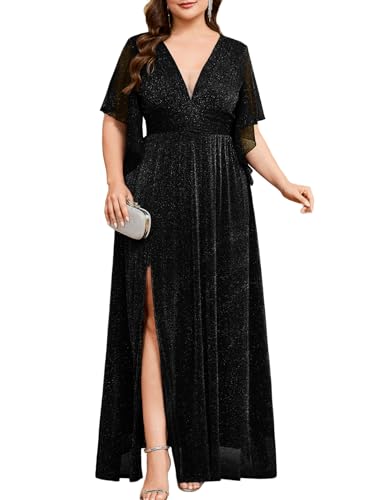
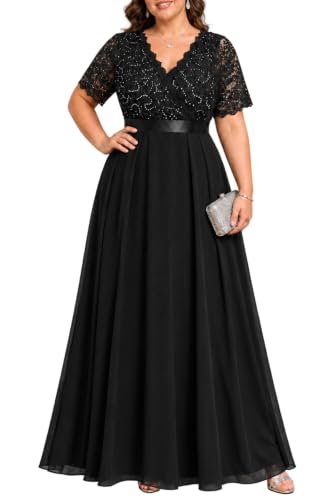
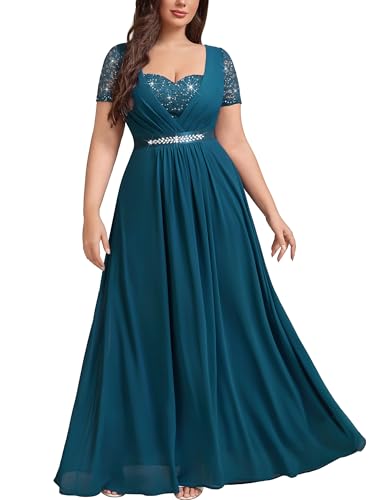
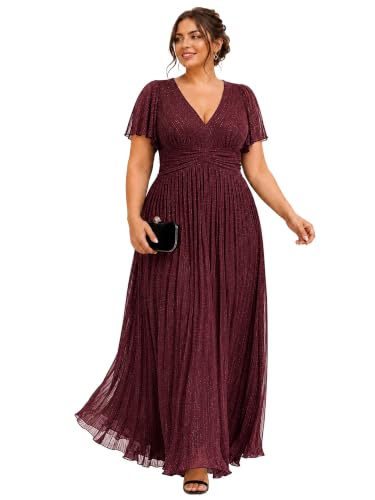
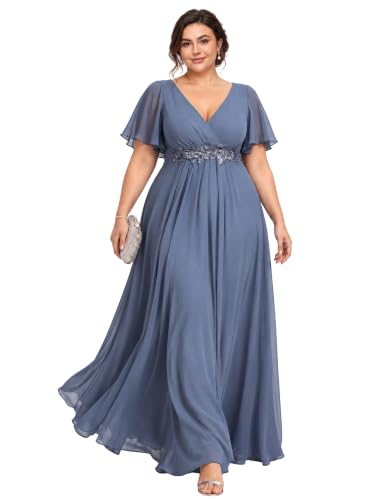
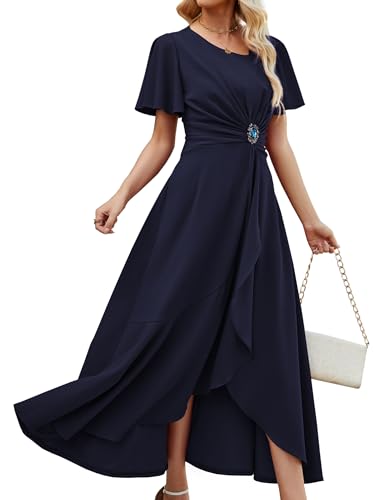
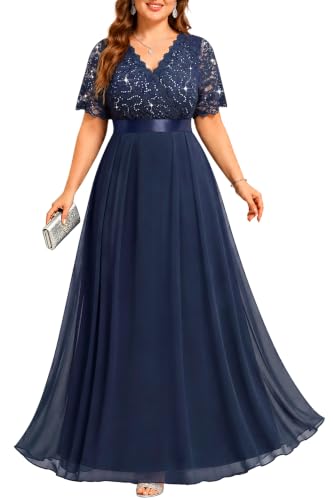
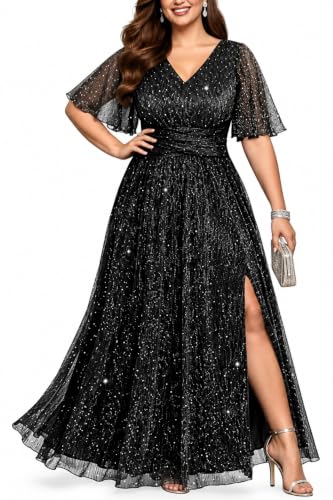
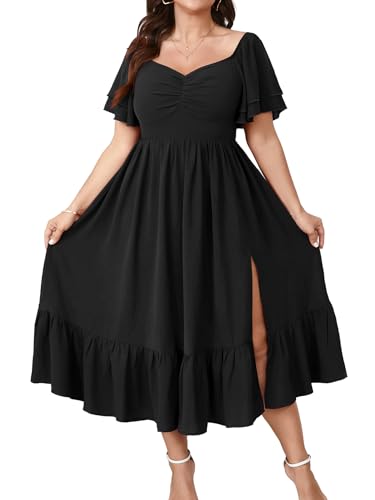
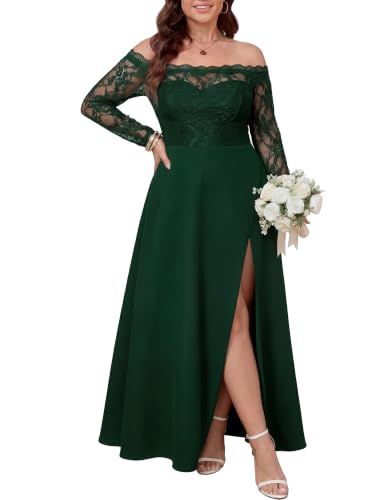
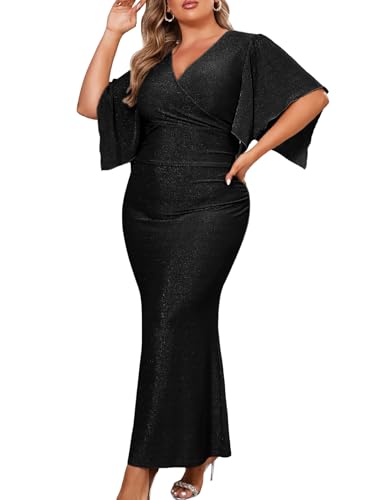
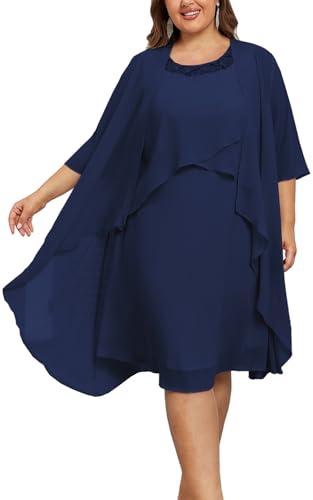
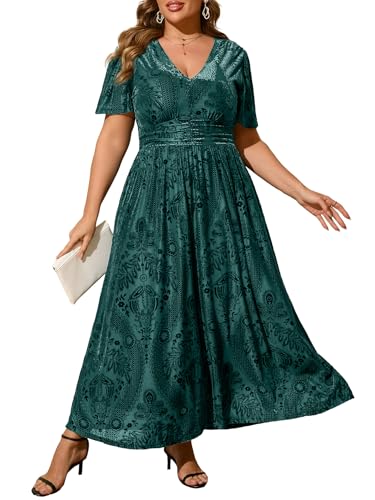
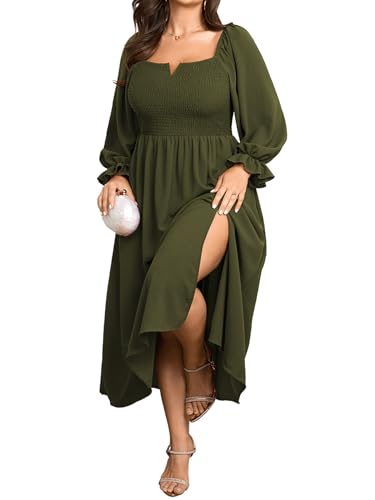
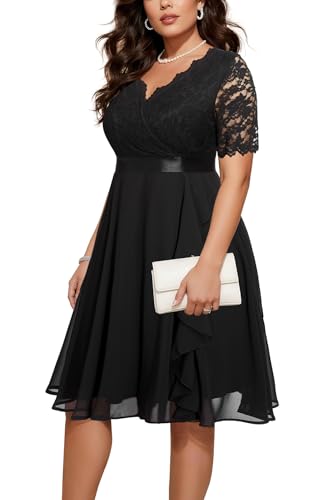
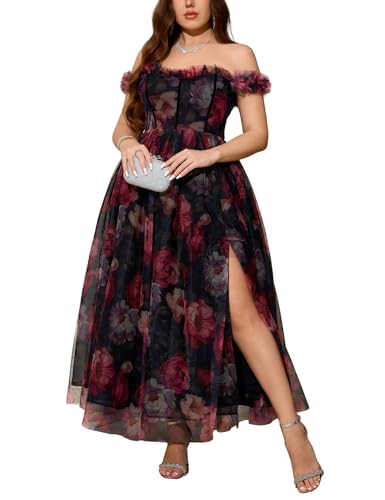
This is the main extended-size formal collection on the site, with nearly every listing cut in plus sizes. It spans the full range of occasions rather than one: bridesmaid styles at a little over a third, evening wear at just under a third, prom at a similar share, and mother-of-the-bride styles at around one in fourteen.Just under half are floor length and chiffon leads the fabrics at three in ten. Around a quarter have sleeves and just under a fifth have a slit.For specific subsets, see plus size long formal dresses with sleeves or plus size short formal dresses.
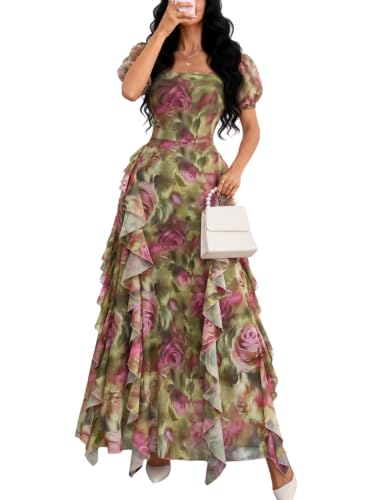
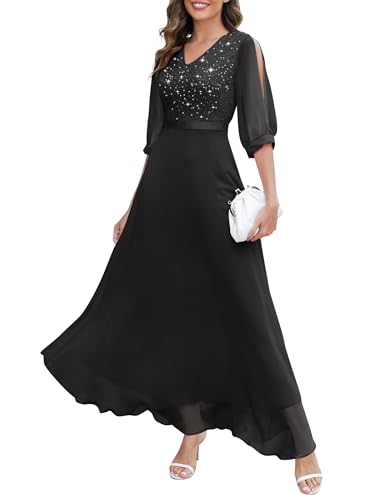
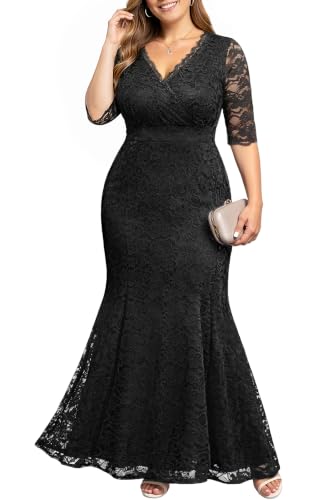
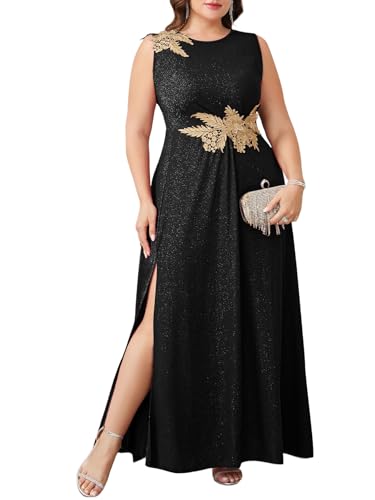
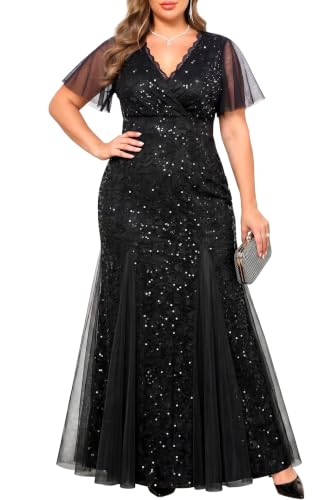
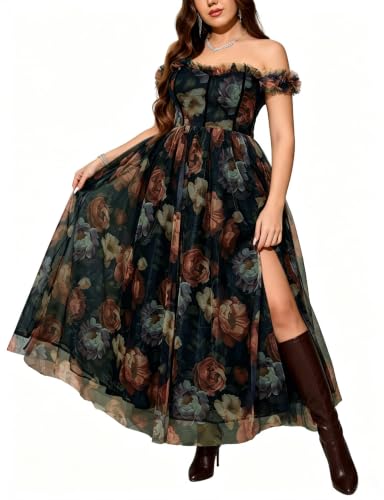
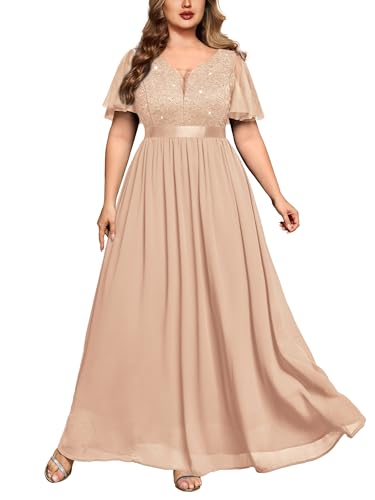
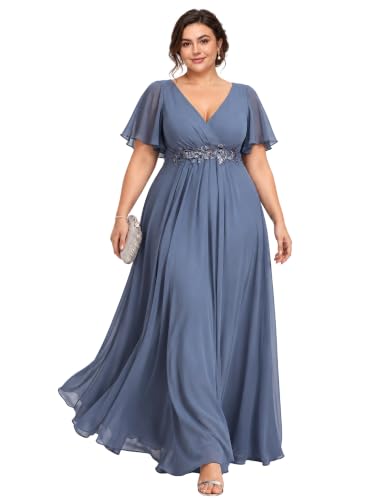
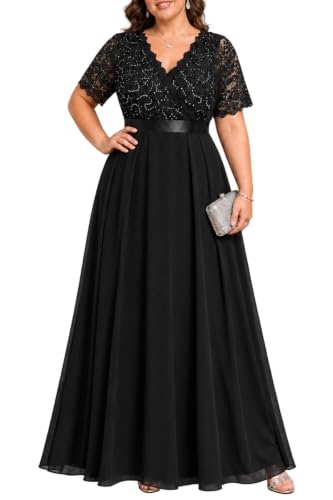
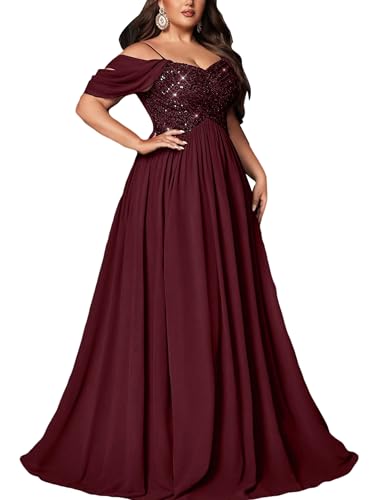
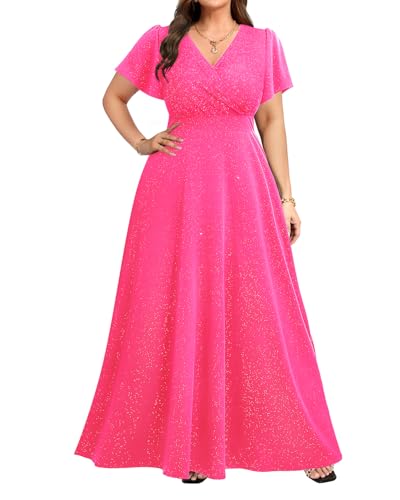
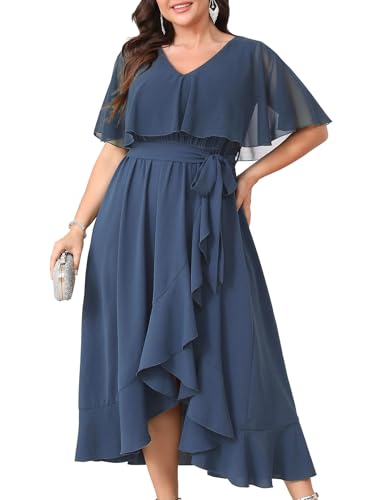
Formal Dresses for Plus Size Women: Frequently Asked Questions
What is the difference between 16W and a straight size 16?
W sizing is drafted from a plus-size block, so the proportions differ rather than just the measurements. A straight 16 continues the smaller size range upward and usually follows the proportions of the smaller sizes.
How do I tell if a dress is drafted or graded?
Listings rarely say. W sizing usually indicates drafted. Reviews mentioning that the shoulders or armholes fit correctly are the most reliable signal, since that is what people notice when a garment is properly drafted.
Which measurement do people skip?
Underbust. It determines whether a structured or boned bodice will grip, and it is the difference between a bodice that stays put and one that slides down during the event.
Why does the armhole matter so much?
Too tight restricts arm movement, too loose gapes and exposes the side of the bra, and neither alters economically because changing an armhole means reworking the shoulder. It causes more returns than any other fit point.
Which fabric is most forgiving?
Chiffon, at three in ten listings here. It moves independently of the body rather than mapping it. Sequin and satin are the least forgiving, since both display rather than disguise the fit underneath.
Which silhouettes should I prioritise?
A-line and empire cuts, which fit at the bust and flow from there, and wrap or faux-wrap bodices, which adjust across sizes. Mermaid is the most demanding and needs an accurate thigh measurement.
Should I size up or down?
Buy for your largest measurement and have the dress taken in. Letting out is limited by the seam allowance the manufacturer left, which in ready-to-wear formal is usually minimal.
Why do some listings run so small?
Several smaller labels use Asian numeric sizing, which runs considerably smaller than US equivalents, sometimes by two sizes or more. Never carry a size between listings on this page.
How far ahead should I order?
Around three months. Extended-size formal wear sells through fastest in the middle of the range, so a listing available today may not carry your size in six weeks.
Reading Plus Size Labels
Extended sizing uses at least four different labelling systems, and listings mix them freely. Knowing which one you are looking at prevents the most common ordering error.
W sizing (14W, 16W, 18W). Drafted from a plus-size block. The proportions differ from straight sizing, not just the measurements. A 16W and a straight 16 are not the same garment.
Straight numeric extended (14, 16, 18, 20). The straight-size range continued upward. Often graded rather than redrafted, which means the proportions follow the smaller sizes.
Letter sizing (1X, 2X, 3X). Broad brackets, each covering two or more numeric sizes. The least precise system and the one where measurements matter most.
Asian numeric. Used by several of the smaller labels on Amazon. Runs considerably smaller than US equivalents, sometimes by two sizes or more.
Never carry a size from one listing to another on this page. Read the specific chart every time, since a page this size contains all four systems.
Drafted Versus Graded
This is the distinction that separates a dress that fits from one that merely covers.
A drafted plus-size garment is patterned for a plus-size body, with shoulder width, armhole depth, bust dart position and waist placement all calculated for that frame.
A graded garment scales a smaller pattern up by a fixed percentage. Because bodies do not grow proportionally, the result usually has shoulders too wide, an armhole too deep and a waist seam in the wrong place.
Listings rarely say which they are. The most reliable indicators are W sizing, which usually means drafted, and reviews mentioning that the shoulders or armholes fit correctly, which is the detail people notice when a garment is drafted properly.
Which Measurements to Take
Five, and one of them is skipped more than any other.
Bust at the fullest point, wearing the bra you intend to wear.
Underbust, which determines whether a structured or boned bodice will grip. This is the one people skip, and it is the difference between a bodice that stays put and one that slides.
Natural waist, the narrowest point of the torso, not where a waistband sits.
Hip at the fullest point, which on many bodies is lower than the standard measuring position.
Height without shoes, which determines hem placement.
Add upper arm if the dress has fitted sleeves and thigh if it is a mermaid cut.
Where Formal Dresses Fail in Extended Sizes
Certain fit points cause most returns, and knowing them lets you check before ordering rather than after.
The armhole. Too tight restricts arm movement, too loose gapes and exposes the side of the bra. Neither alters economically, because changing an armhole means reworking the shoulder.
The bust-to-waist ratio. A dress cut for a proportionally smaller bust will pull across the chest while fitting at the waist. Comparing both measurements against the chart, rather than one, catches this.
The zip line. A back zip in a fitted dress carries strain across the widest point. Corset backs and side zips distribute it better.
Length. Floor-length dresses are cut to one length regardless of size, so height determines hem placement independently of everything else.
Fabric
Chiffon, at three in ten listings, is the most forgiving. It moves independently of the body rather than mapping it, and it handles heat better than lined alternatives.
Sequin at around one in eight and satin at around one in twelve are the least forgiving, since both display rather than disguise the fit underneath. Neither is a fabric to size up in and hope.
Lace, at around one in eight, sits between them. Over a lining it reads as texture and hides more than a smooth surface.
Jersey and stretch crepe appear throughout without always being named, and they are the most comfortable across a long event because they move with the body.
Silhouettes Worth Prioritising
A-line and empire cuts fit at the bust and flow from there, so they accommodate a wide range of waist and hip measurements without alteration. A-line accounts for around one in ten listings here.
Wrap and faux-wrap bodices adjust across sizes and create a diagonal line that most people find flattering.
Fit-and-flare defines the waist and skims the hip, which suits anyone wanting waist definition without a fully fitted skirt.
Mermaid, at around one in sixteen, is the most demanding and requires an accurate thigh measurement. Ball gown, at one in ten, needs floor space and is difficult to sit in comfortably.
Alterations
Start from your fullest measurement and let a tailor remove what is spare. Letting out is limited by the seam allowance the manufacturer left, which in ready-to-wear formal is usually minimal.
Straightforward: side seams, hems on a plain edge, trouser waists, sleeve length on a plain cuff.
Difficult or not worth it: shoulders, armholes, anything running through beading, and hems finished with lace, beading or horsehair braid.
Order around three months ahead. Extended-size formal wear sells through fastest in the middle of the range, so a listing available today may not carry your size in six weeks. The US size chart lays out how the four systems above line up against each other.
Related Collections
For sleeved floor-length options, see plus size long formal dresses with sleeves. For shorter styles, browse plus size short formal dresses. For trousers, see plus size formal pant suits.