
Purple Prom Dresses
Purple Prom Dresses cover a broad color family from pale lilac, lavender, and light purple through orchid, violet, grape, plum, aubergine, and dark purple. U.S. shoppers may also search for lavender prom dresses, lilac prom dresses, dark purple prom dresses, light purple prom dresses, violet prom gowns, and plum prom dresses. Because retailer color names are not standardized, the received fabric and customer photos matter more than a swatch label alone.
Purple changes noticeably with fabric and light. Satin can reflect pink or blue highlights, velvet deepens shadows, sequins introduce metallic flashes, and pale tulle may reveal lining or cups under flash. Compare the exact shade in daylight, warm indoor light, and camera flash, then coordinate shoes, jewelry, bag, and makeup with the delivered color rather than a generic idea of purple.
Related shopping paths include lavender prom dresses, lilac prom dresses, dark purple prom dresses, and light purple prom dresses. Use these pages when a narrower pale or deep shade family is the main requirement.
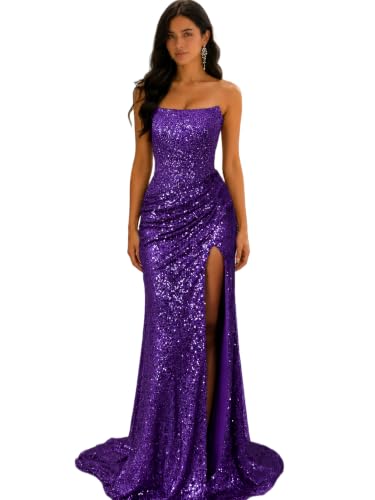
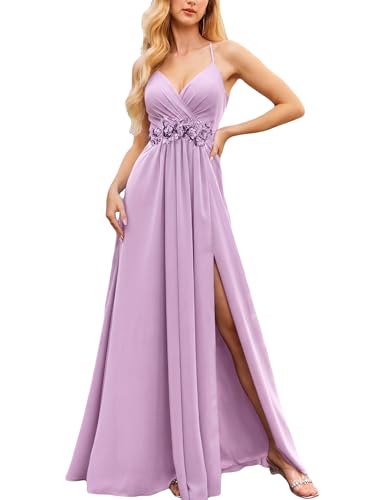
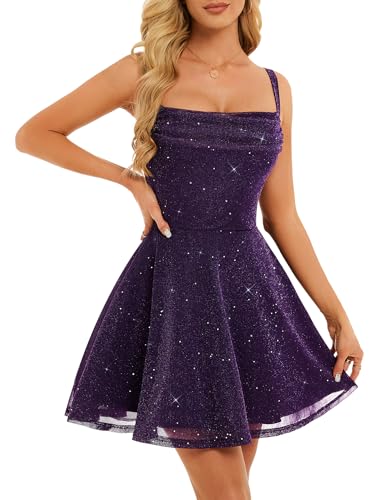
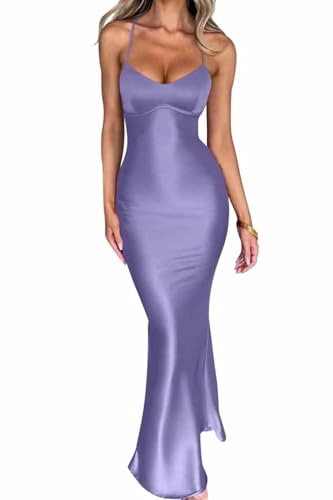
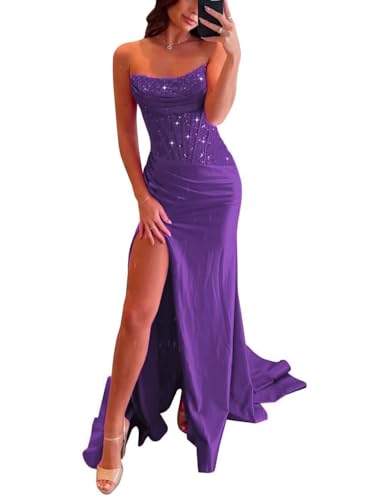
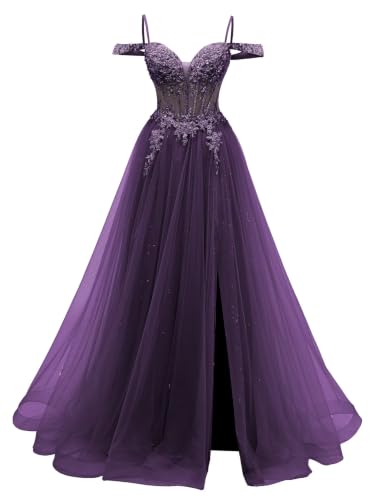



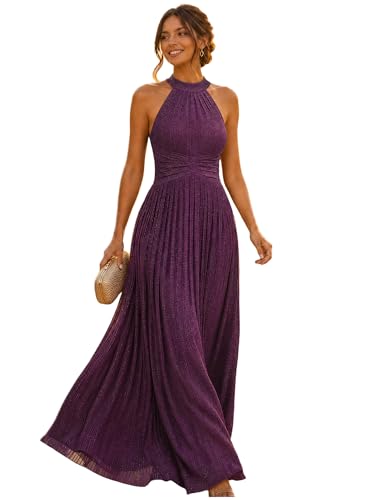


Loyeloy Purple V Neck Mermaid Prom Dresses for Teens Ball Gown Sparkly Sequin Tight Sexy Slit Formal Evening Gowns Purple 10
Original price was: $69.99.$62.99Current price is: $62.99.


Frequently Asked Questions About Purple Prom Dresses
What shades are included in purple prom dresses?
Common shades include lilac, lavender, violet, orchid, grape, plum, aubergine, dusty purple, and dark purple.
Are lavender and lilac the same color?
They overlap, but lavender often reads cooler while lilac can appear pinker; retailer naming is not standardized.
What shoes work with purple prom dresses?
Silver, gold, crystal, black, nude, or coordinating purple shoes can work depending on undertone and dress hardware.
Does purple look different in photos?
Yes. Warm light, flash, fabric shine, velvet pile, and camera processing can shift brightness and undertone.
Are pale purple dresses transparent?
Some can be. Check lining, cups, seams, and underlayers in daylight and flash.
Which fabrics look formal in purple?
Satin, chiffon, tulle, crepe, velvet, lace, sequins, and beaded mesh can all work with appropriate construction.
Can purple prom dresses be altered?
Many can, but matching purple fabric and changing sequins, lace, velvet, corsetry, or decorated hems can be difficult.
Should accessories match the exact shade?
They do not need to match perfectly, but coordinating with the received undertone and visible metal details creates a more cohesive look.
What should I verify before ordering?
Check exact shade, seller, measurements, fabric, lining, support, delivery, returns, and alteration needs.
How to Shop Purple Prom Dresses by Shade
Purple is a spectrum rather than one standard retail color. Lilac and lavender are usually pale, violet can lean blue or red, plum and aubergine are deeper, and dusty purple contains more gray. Seller labels may overlap.
Use customer images and the received garment to verify undertone. If a prom group has coordinated colors, compare physical swatches when possible.
Lavender, Lilac, Violet, Plum, and Dark Purple
Lavender often feels cooler and slightly blue, while lilac can read pinker or softer depending on the fabric. Violet is usually more saturated. Plum and aubergine add red or brown depth, and dark purple can approach black in low light.
These boundaries are descriptive, not standardized. Keep the broad purple hub for shoppers who have not chosen a precise shade.
Purple in Satin, Tulle, Velvet, and Sequins
Satin produces bright highlights and can exaggerate undertone shifts. Tulle creates softer layered color but pale versions may be translucent. Velvet changes with pile direction and absorbs more light. Sequins can reflect silver, pink, blue, or rainbow flashes.
Inspect the dress under daylight, warm bulbs, and flash before choosing final accessories.
A-Line, Ball Gown, Mermaid, and Short Purple Styles
Purple works across silhouettes. A-lines offer easy stride, ball gowns create volume, mermaid dresses emphasize a fitted flare, and short dresses can suit less formal or school-approved prom formats.
Choose silhouette from fit and event needs rather than the color. Sherri Hill’s current purple collections, for example, span short sleeved looks and formal gowns rather than tying purple to one shape.
Necklines, Sleeves, and Support
Strapless, sweetheart, halter, one-shoulder, V-neck, square, and high-neck purple dresses require different support. Sleeves can add coverage but also change temperature and arm movement.
Fit the dress with planned undergarments and raise both arms. The neckline should remain secure without relying entirely on fashion tape.
Pale Purple Opacity and Underlayers
Light lavender and lilac fabrics can reveal cups, seams, or undergarments under flash. Skin-tone smooth layers are often less visible than bright white or contrasting colors.
Check side and back photos while standing and sitting. Do not use shapewear to force a dress that is structurally too small.
Shoes and Jewelry for Purple
Silver and crystal often complement cooler purples, while gold or bronze can work with warmer plum and aubergine; black, nude, or matching purple shoes can also be appropriate. These are styling options, not strict rules.
Match visible hardware and beadwork first. A heavily embellished gown usually needs less jewelry than a minimalist satin dress.
Photography and Group Color Matching
Warm ballroom lighting can mute blue-violet and deepen plum, while flash can brighten satin and sequins. Outdoor shade may push dark purple toward navy or black.
Take test photos with the full outfit. If coordinating with a date, group, or theme, match against the actual dress rather than a website color name.
Ordering, Returns, and Shade Risk
Verify selected seller, color variation, size chart, fabric, lining, delivery date, returns, and customer images. Marketplace listings may group several shades under one product card.
Order early enough to exchange if the delivered shade is materially different from expectations. Matching purple fabric for alterations can be difficult, so major modifications should be planned before the return deadline.
Purple Undertones and Skin-Tone Neutrality
Purple can lean blue, red, gray, or brown depending on the dye and fabric. Rather than claiming one undertone suits a particular complexion, compare the actual dress against the wearer’s preference in daylight and indoor light.
This avoids oversimplified color rules and keeps the decision personal. A cool violet satin and a warm plum velvet can both be called purple while creating very different overall looks.
Purple Prom Dresses for Spring and Winter Events
Pale lilac, lavender, and airy tulle often appear in spring prom collections, while plum, aubergine, velvet, and deeper satin can feel seasonally richer in colder months. These are style patterns, not restrictions.
Venue temperature and fabric weight matter more than the calendar alone. A fully lined velvet gown can feel too warm on a crowded dance floor even if the outdoor weather is cool.
Matching Purple With Metallics and Accessories
Silver, crystal, and cool-toned rhinestones often coordinate easily with blue-leaning purple, while gold and bronze can complement warmer plum or aubergine. Black, nude, or matching purple shoes can also work.
Use visible dress hardware, beadwork, and the received undertone as the starting point. Accessories should support the dress instead of introducing several unrelated shades of purple.
Shade-Specific Internal Linking Strategy
The broad Purple Prom Dresses page should remain the main color hub, while lavender, lilac, light purple, and dark purple pages answer narrower shade searches. Their copy and product sets should not simply repeat the broad category.
Use internal links to help shoppers move from broad inspiration to a precise shade family. During the final SEO audit, compare inventory overlap and search performance to decide whether every narrow shade page earns separate indexation.