
Princess Prom Dresses
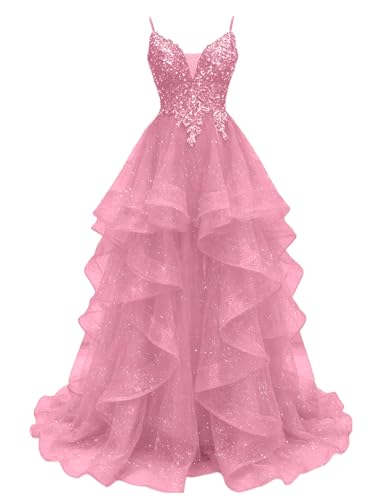
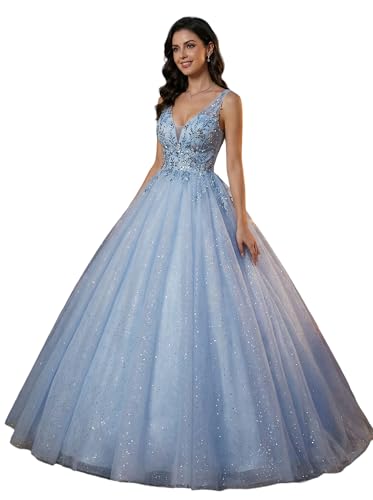
Princess Prom Dresses combine fairytale-inspired styling with formal prom construction, usually through a fitted bodice, defined waist, full skirt, layered tulle, corsetry, sparkle, florals, or sweeping hems. Related searches include princess ball gowns, fairytale prom dresses, Cinderella prom dress styles, tulle ball gowns, corset prom dresses, and sparkly princess gowns.
Fairytale styling still has to work at a real U.S. prom. Check whether the skirt fits through doors and chairs, whether the bodice stays secure while dancing, whether decoration catches on jewelry, and whether the hem clears the final shoes. Review school rules for sheer corsets, backs, cutouts, necklines, and slits before ordering.
Related shopping paths include prom ball gowns, poofy prom dresses, corset prom dress, and sparkly prom dresses. Use these collections when the priority shifts from the complete princess aesthetic to technical ball-gown structure, maximum skirt volume, corset support, or a stronger sparkle finish.






Frequently Asked Questions About Princess Prom Dresses
What is a princess prom dress?
It is a fairytale-inspired prom gown, often with a fitted bodice, full skirt, tulle, corsetry, sparkle, or romantic embellishment.
Is every princess dress a ball gown?
No. Many are ball gowns, but soft A-lines and other full-skirt designs can also create a princess aesthetic.
Do I need a petticoat?
Only if the gown is designed for one or you want more volume. Verify what created the shape shown in product photos.
Are corset princess dresses supportive?
They can be, but cup placement, boning, waist fit, and closure security must match the wearer.
Can I dance in a full princess gown?
Yes when the skirt, train, hem, and bodice remain manageable during a realistic movement test.
Which fabrics create the princess look?
Tulle, organza, satin, mikado, lace, glitter mesh, and embroidered fabrics are common.
How should I choose jewelry?
Let a detailed bodice or neckline lead and avoid snag-prone pieces near tulle, lace, or appliqué.
Are princess dresses school appropriate?
They can be, but check the full neckline, back, transparency, cutouts, slit, and midriff against the policy.
What should I verify before ordering?
Check measurements, bodice structure, skirt layers, lining, seller, delivery, returns, shoes, and alterations.
How to Shop Princess Prom Dresses
Use princess prom dresses as the main shopping intent, then narrow the choice with relevant secondary terms such as princess ball gowns, fairytale prom dresses, and Cinderella prom dress. For U.S. prom shoppers, the useful decision is not keyword repetition; it is whether the exact garment matches the style, construction, fit, school rules, budget, and delivery timeline.
Start with current measurements in the planned undergarments, the prom date, venue, written school dress code, and final or likely shoe height. Then compare the selected seller, exact variation, lining, closure, support, return policy, and alteration difficulty before removing tags.
The Modern Princess Silhouette
A modern princess dress normally pairs a close bodice with a fuller skirt, but the volume can range from soft A-line to dramatic ballroom width. The waist may be natural, slightly dropped, or raised depending on the pattern.
Check cup placement, waist seam, skirt release, and hem position on the wearer. Fairytale proportion comes from these landmarks, not simply from adding more tulle.
Corsets, Boning, and Lace-Up Backs
Corset construction is common because it can support a wide skirt and define the waist. Flexible boning, padded cups, lace-up backs, inner elastic, and firm waist seams can help when they match the torso.
Sit and raise both arms. Cups should stay aligned and boning should remain flat. A lace-up back offers adjustment, but it should not be used to force a gown several sizes too small.
Tulle Layers and Petticoats
Layered tulle, glitter mesh, organza, ruffles, horsehair, and petticoats can all create the floating princess shape. Some photos use extra understructure that may not ship with the gown.
Confirm what is included. A separate petticoat changes the hem, storage, sitting, and total cost, so test it before alterations.
Storybook Embellishment
Flowers, butterflies, bows, pearls, sequins, rhinestones, embroidery, and lace can make a gown feel more fairytale-inspired. Dense detail also adds snagging and alteration risk.
Inspect motif placement on the purchased size, bead backs, glue, and decoration over seams. Keep jewelry smooth around tulle and appliqué.
Necklines and School Coverage
Strapless sweetheart, off-shoulder, square, V-neck, halter, illusion, and sleeved bodices can all work. Sleeve coverage does not automatically make a gown school compliant if the back, corset, slit, or midriff is revealing.
Evaluate the complete dress while seated and with arms raised. If extra coverage is required, check whether the alteration is realistic before the return window closes.
Dancing in a Princess Gown
Practice walking, turning, stairs, sitting, and lifting the front hem without pulling delicate decoration. A short sweep train is usually easier on a crowded floor than a long train.
If the dress has an overskirt or bustle point, test the attachment hardware. Removal should not expose unfinished seams or create a new fit problem.
Princess vs Ball Gown vs Poofy
Ball gown describes silhouette, poofy emphasizes volume, and princess describes the wider fairytale aesthetic. The categories overlap but do not have to be identical when inventory is curated carefully.
Keep the princess page focused on romantic storybook details and link to technical ball-gown or volume pages when those are the shopper’s main requirement.
Princess Prom Dresses for Petite, Tall, and Plus-Size Proportions
Princess styling depends heavily on vertical placement. The bodice should end at the intended waist, cups should sit correctly, and skirt volume should begin where the pattern was designed to release. Petite shoppers may need shorter torsos and reduced skirt length, while tall shoppers should confirm bodice and floor length. Plus-size grading should preserve cup spacing, waist placement, support, and motif scale rather than simply adding width.
Look for size-specific photos and garment measurements when available. A dramatic skirt can work across many body proportions, but the pattern block must start close to the wearer. If the waist, bust, sleeves, and hem are all significantly misplaced, returning the gown is often more practical than paying to reconstruct several structural areas.
Detachable Overskirts, Capes, and Transformable Princess Looks
Some modern princess prom dresses use detachable overskirts, capes, sleeves, bows, or trains to create two looks in one evening. These features can make photos more dramatic while allowing a lighter configuration for dancing. Verify whether the detachable piece is actually included, how it attaches, and whether the base dress still looks finished when the extra layer is removed.
Practice attaching and removing the piece before prom. Hidden snaps, hooks, ties, or zippers should stay secure without digging into the waist or catching tulle. Store any removed layer in a clean garment bag or designated coat area rather than leaving delicate fabric on a chair or dance-floor edge.
Final Princess Prom Dresses Checklist
Before checkout, confirm that the exact product genuinely fits the princess prom dresses intent. Verify measurements, fabric, lining, closure, support, current price, seller, color or construction variation, delivery estimate, return eligibility, school requirements, and likely alterations.
After delivery, inspect the dress in daylight and phone flash, test every closure, and rehearse sitting, walking, stairs, reaching, and dancing in the intended shoes. Keep the dress only when it remains secure, comfortable, appropriate, and practical without repeated adjustment.