
Long Black Prom Dress
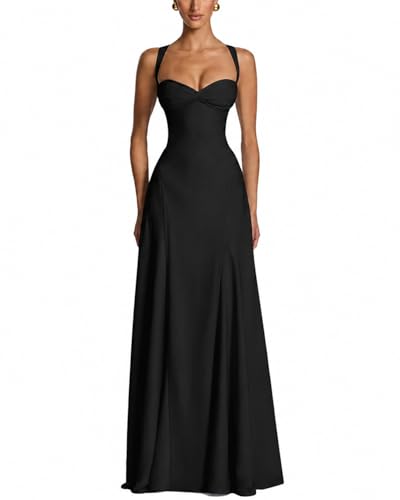
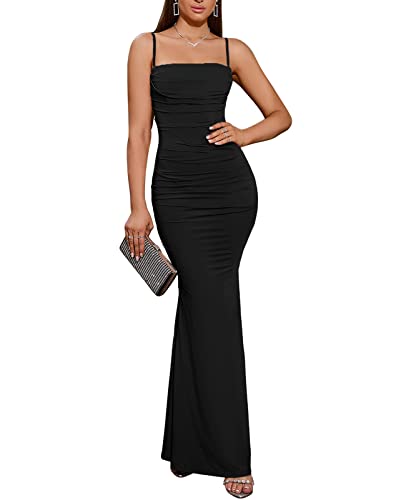
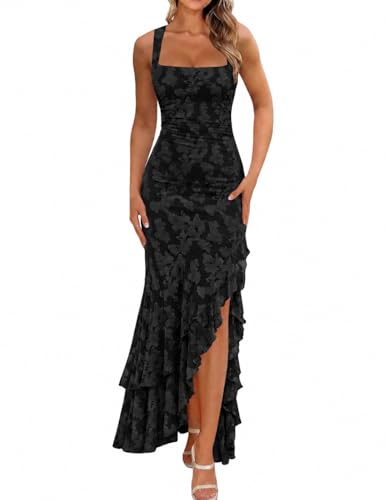
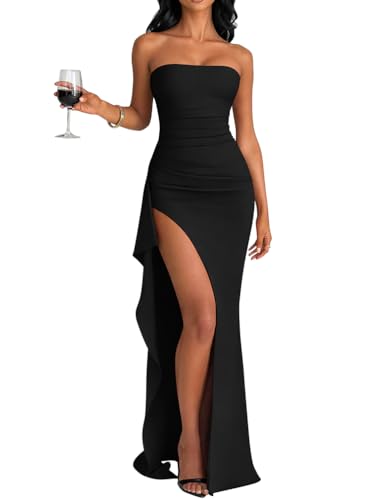
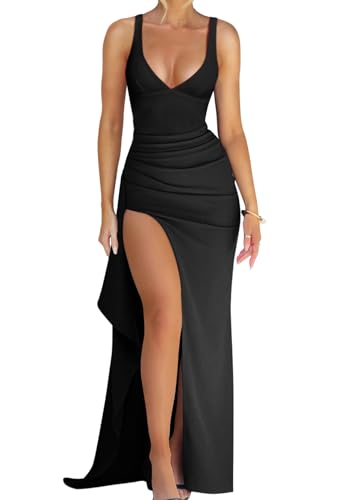
Long Black Prom Dress include black prom dresses with floor, sweep, near-floor, ankle, or controlled train lengths. The collection can include black satin columns, mermaid gowns, chiffon A-lines, lace dresses, sequin gowns, long sleeves, slits, and ball gowns. Start with the prom date, school or venue rules, wearer measurements, preferred construction, and budget; then verify the exact seller, selected variation, lining, closure, current delivery estimate, and return eligibility before ordering.
This is the stronger consolidation target for the duplicate Black Long Prom Dresses URL because both phrases describe the same product set. A useful category page should help shoppers narrow a real product decision rather than simply repeat a keyword. Compare the received garment for support, opacity, movement, hem or neckline behavior, alteration difficulty, and how the fabric photographs under daylight, warm indoor light, and flash.
Related shopping paths include black prom dresses, long prom dresses, black long sleeve prom dresses, and prom dresses. These collections broaden or narrow the search by color, construction, length, fit, or adjacent intent, so shoppers can move between genuinely different product sets without treating every neighboring phrase as interchangeable.





Frequently Asked Questions About Long Black Prom Dress
What length counts for this category?
Use the actual front and back hem on the wearer; retailer length labels are not standardized.
When should I choose shoes?
Choose the final shoes before approving or altering the hem because heel height changes floor clearance.
Are trains practical for prom?
Short trains can work, but longer trains add crowd, stair, restroom, and dance-floor management.
Can a slit improve movement?
It can increase stride, but slit height should also be checked while sitting and against school rules.
How do I measure the hem?
Use the planned shoes and measure the preferred shoulder-to-hem or waist-to-hem position while standing naturally.
Can the dress be shortened?
Often, though lace borders, sequins, horsehair, tiers, pleats, and trains can make hemming more expensive.
Which fabrics are easiest to move in?
Light chiffon and controlled A-lines often move easily, while tight mermaids, heavy sequins, and very full skirts may need more management.
How do I test the length?
Walk normally and quickly, sit, turn, climb a step, and simulate dancing in the final shoes.
What should I verify before ordering?
Check garment length, model height, seller, measurements, lining, train or slit details, delivery, returns, and alteration timing.
What Counts as Long Black Prom Dress
Black prom dresses with floor, sweep, near-floor, ankle, or controlled train lengths. Retail length labels are not standardized, so the actual hem position on the wearer matters more than the product title.
This is the stronger consolidation target for the duplicate Black Long Prom Dresses URL because both phrases describe the same product set.
Measure the Hem With the Final Shoes
Choose shoes before final hemming and measure the preferred front and back clearance. Model height, heel height, and photography pose can make the same gown appear several inches shorter or longer.
Walk, stand, turn, sit, and climb a step in the planned shoes. A safe hem should preserve the intended line without repeatedly catching under the foot.
Silhouette Changes How Length Behaves
A-line and chiffon skirts usually provide more stride than fitted mermaids, while ball gowns add volume and fitted columns can wrap around the legs. High-low hems expose more shoe and leg while trains add back-floor contact.
Consider both length and skirt shape rather than treating them as separate decisions.
Slits, Trains, and Layered Hems
A slit can improve stride but may rise when seated. Trains increase stair, crowd, restroom, and dance-floor management. Tulle, lining, horsehair, and multiple layers may land at different heights.
Check every layer after alterations so the lining is not unexpectedly shorter or tighter than the outer skirt.
Walking, Sitting, and Dancing
Prom is not a standing-photo event. Transportation, check-in, dinner, prolonged sitting, stairs, crowded walking, dancing, photographs, outerwear, and restroom access can expose fit problems that are invisible in a product image. Read the current school policy for necklines, backs, cutouts, transparency, slits, midriffs, and hems before approving a dress.
Complete a fifteen-minute rehearsal. Long or asymmetrical hems can behave differently once the skirt warms, settles, or is lifted for stairs and restroom access.
Fabric Weight and Drape
Chiffon and georgette move lightly, satin can swing or cling, velvet is heavier, tulle adds volume, and sequins add both weight and friction. Fabric changes how much floor clearance is practical.
Check static, snagging, and whether the skirt falls back into place after sitting.
Fit Above the Hem Still Matters
Record bust, waist, hips, shoulders, torso length, upper-arm circumference when relevant, and the preferred garment length while wearing the planned underlayers. Compare those numbers with the seller-specific chart and garment information instead of choosing only by a familiar label size. Reviews are most useful when they identify body measurements, purchased size, and the exact color or construction variation.
A hem cannot compensate for a waist, bust, hip, or torso mismatch. Confirm the entire garment before paying for length alterations.
Color, Undertone, and Photography
Long gowns create a large field of color, so undertone and fabric finish are especially visible in full-length photographs. Check daylight, warm indoor light, and flash for color shift, transparency, and mismatched lining.
Coordinate shoes and accessories with the received shade, not a generic color name.
School Rules, Venue Surfaces, and Weather
Some schools or venues may restrict trains or very short front hems. Outdoor photos, wet pavement, gravel, salted sidewalks, stairs, and crowded floors can all influence the safest length.
Plan how the skirt will be carried during transit without damaging delicate fabric or decoration.
Alteration Complexity
Straight single-layer hems are usually simpler than lace borders, sequins, horsehair, scallops, pleats, bias satin, tiered tulle, and trains.
Get a tailoring estimate before the return deadline and bring the final shoes to every fitting that affects hem length.
Shoes and Styling
Shoes are visible equipment in high-low and shorter-front styles and functional equipment under long gowns. Choose a stable heel height and venue-appropriate sole.
Avoid bags or jewelry that catch the skirt, and make sure outerwear does not add unsafe bulk around the hem.
Ordering Long or Asymmetrical Dresses Online
Marketplace category cards can combine different sellers, size charts, fabrics, delivery dates, return programs, and even different product constructions under visually similar listings. Save the exact seller, color, size, chart, delivery estimate, and return policy at checkout, and order early enough to allow inspection, exchange, alterations, steaming, and a complete movement test.
Look for garment-length measurements, model height, heel information, front and back views, and clear descriptions of trains, slits, and lining length.
Final Fit Test for Long Black Prom Dress
Approve the dress only after testing normal and fast walking, stairs, sitting, turning, dancing, and restroom access in the final shoes.
The correct length should look intentional while remaining manageable for the entire event.