
Light Pink Prom Dresses
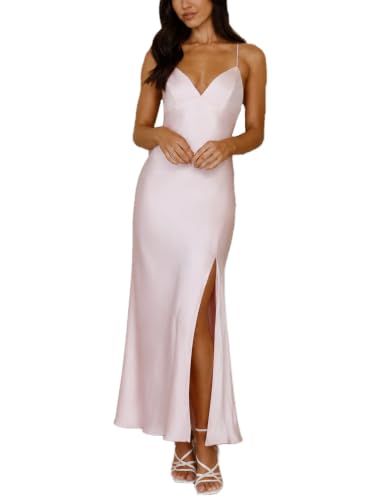
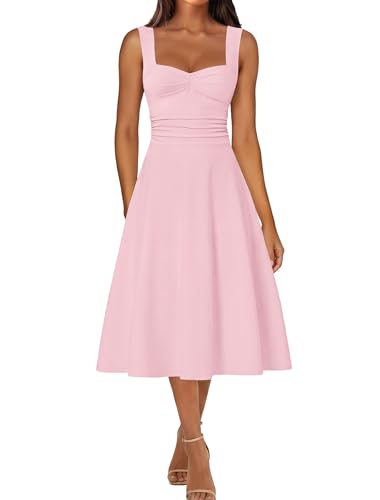
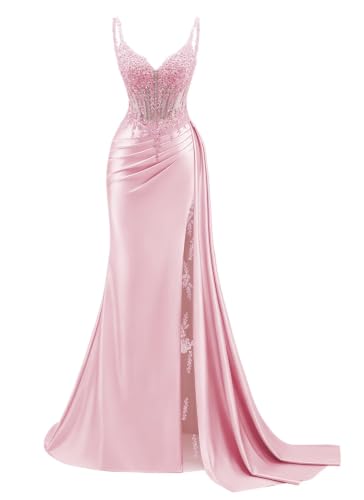
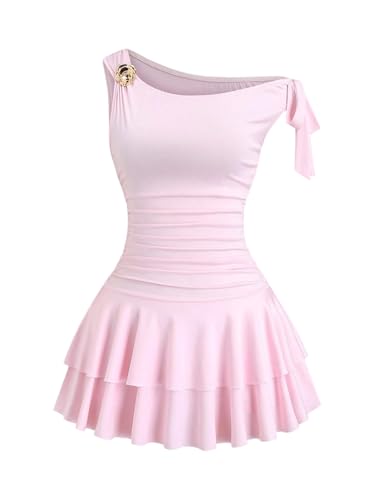
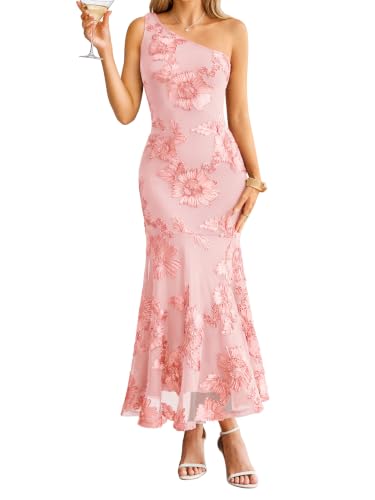
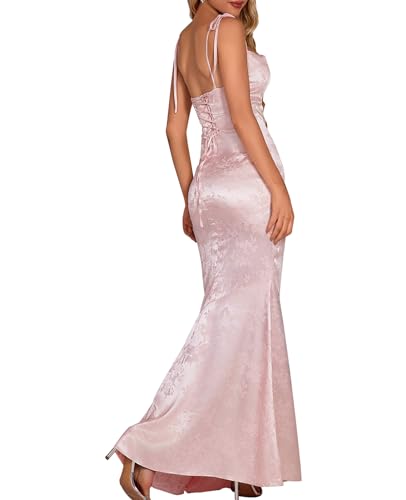
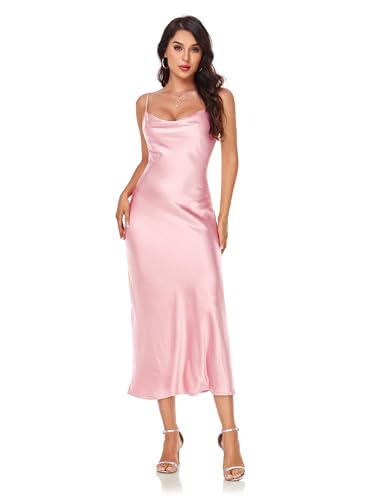
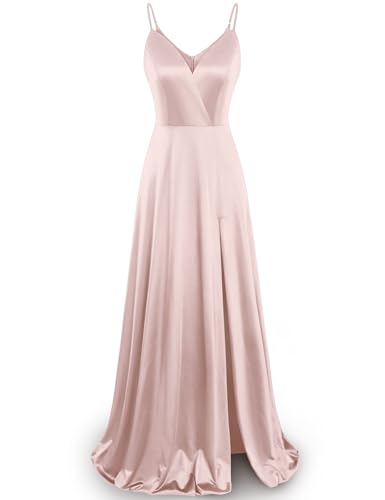
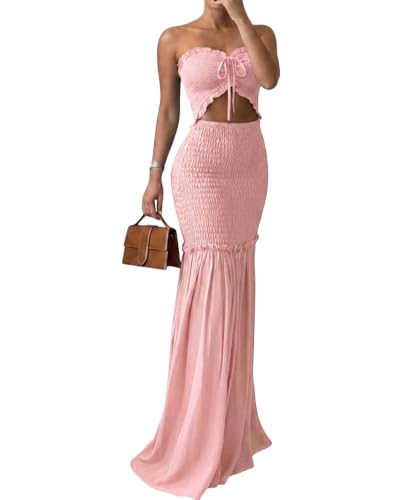
Light Pink Prom Dresses include light pink prom dresses in blush-leaning, baby pink, pastel pink, shell, and soft rose families. The collection can include light pink satin columns, tulle ball gowns, floral dresses, corset A-lines, sequin styles, and chiffon gowns. Start with the prom date, school or venue rules, wearer measurements, preferred construction, and budget; then verify the exact seller, selected variation, lining, closure, current delivery estimate, and return eligibility before ordering.
Light pink is broader than blush or baby pink. Retailers often use these names inconsistently, so compare the actual swatch, lining, and customer photographs. A useful category page should help shoppers narrow a real product decision rather than simply repeat a keyword. Compare the received garment for support, opacity, movement, hem or neckline behavior, alteration difficulty, and how the fabric photographs under daylight, warm indoor light, and flash.
Related shopping paths include pink prom dresses, baby pink prom dresses, blush prom dresses, and prom dresses. These collections broaden or narrow the search by color, construction, length, fit, or adjacent intent, so shoppers can move between genuinely different product sets without treating every neighboring phrase as interchangeable.







Frequently Asked Questions About Light Pink Prom Dresses
What shades are included in this category?
Use the exact seller color and received fabric as the authority because retail shade names are not standardized.
Will the color look the same in photos?
Not always. Daylight, warm indoor light, flash, satin shine, velvet pile, sequins, and camera processing can shift the apparent shade.
What shoes work with this color?
Choose from the actual undertone, visible hardware, hem, and venue; metallic, neutral, black, or tonal shoes may all work.
How do I choose jewelry?
Match visible hardware or embellishment and keep one main metal family when the dress already contains strong detail.
Can this color be transparent?
Light or sheer fabrics can be. Check lining, cups, seams, and underlayers in daylight and flash.
Can the dress be altered?
Often, but decorated hems, lace, sequins, corsetry, bias satin, and matching replacement fabric can increase difficulty.
How should I choose a size?
Use the seller-specific chart and your bust, waist, hips, torso, shoulders, and garment-length needs rather than a familiar label size.
How early should I order?
Allow time for one failed option, exchange, alterations, steaming, accessories, and a full movement test.
What should I verify before buying?
Check exact shade, seller, measurements, fabric, lining, support, school rules, delivery, returns, and alteration feasibility.
Understanding Light Pink Prom Dresses: Shade Intent
Light Pink Prom Dresses should be defined by the actual received color, not by a generic product title. Seller swatches, lining, surface finish, and camera processing can shift the apparent shade, especially on satin, velvet, sequins, and sheer overlays.
Light pink is broader than blush or baby pink. Retailers often use these names inconsistently, so compare the actual swatch, lining, and customer photographs. Compare customer photographs and the delivered dress in neutral daylight before coordinating shoes, jewelry, bags, flowers, or group-photo colors.
How Fabric Changes the Color
Satin creates bright directional highlights, chiffon softens saturation, velvet deepens color through pile direction, tulle layers can lighten or muddy a shade, and sequins may introduce silver, gold, or rainbow reflections. The same named color can therefore look different across fabrics.
Check whether the lining matches the outer layer and whether cups, boning channels, seams, or mesh panels become more visible under flash.
Silhouettes That Work With the Shade
The color can appear across A-line, ball gown, mermaid, trumpet, column, sheath, high-low, two-piece, and fitted prom silhouettes. Choose the silhouette for structure, stride, and personal preference rather than assuming the shade itself determines what is flattering.
For fitted skirts, check hip and knee ease; for full skirts, check weight and stair clearance; for trains, confirm how the hem will be managed on the dance floor.
Necklines, Sleeves, and Surface Details
Strapless, sweetheart, square, halter, one-shoulder, off-shoulder, V-neck, high-neck, and sleeved designs distribute support differently. Embroidery, lace, beading, glitter, rosettes, and appliqué can also change how the color reads.
Test the neckline with the intended bra, cups, tape, or base layer and raise both arms. Decoration should not be the only thing holding a structurally weak bodice in place.
Measurements and Prom-Night Fit
Record bust, waist, hips, shoulders, torso length, upper-arm circumference when relevant, and the preferred garment length while wearing the planned underlayers. Compare those numbers with the seller-specific chart and garment information instead of choosing only by a familiar label size. Reviews are most useful when they identify body measurements, purchased size, and the exact color or construction variation.
After ten minutes of sitting, recheck the waist, cups, straps, slit, skirt lining, and back closure. Pulling, twisting, riding, gaping, or constant adjustment indicates a pattern or size mismatch rather than a styling problem.
Photography: Daylight, Warm Light, and Flash
Photograph the complete dress near a window, under warm indoor lighting, and with flash. These three conditions reveal undertone shifts, transparency, satin hotspots, sequin reflections, and differences between the outer fabric and lining.
Do not choose accessories from the retailer color word alone. Coordinate metals, shoes, bag, makeup, and any date or group colors with the actual received shade.
Shoes, Jewelry, and Metal Finishes
Silver, gold, rose-gold, black, nude, crystal, or tonal accessories can all work depending on the shade and visible garment hardware. Let one metal family lead when the dress already contains metallic embroidery, beads, or sequins.
Avoid rough bags and jewelry that catch lace, mesh, tulle, or embellished surfaces. Shoes must also work with the hem and venue, not just the color palette.
Season, Venue, and School Rules
Prom is not a standing-photo event. Transportation, check-in, dinner, prolonged sitting, stairs, crowded walking, dancing, photographs, outerwear, and restroom access can expose fit problems that are invisible in a product image. Read the current school policy for necklines, backs, cutouts, transparency, slits, midriffs, and hems before approving a dress.
Outdoor heat, cold arrivals, rain, venue floors, and warm dance rooms may matter more than seasonal color conventions. Choose fabric weight and outerwear for the actual schedule.
Alterations and Color Matching
Plain hems and straps are usually simpler than decorated borders, lace motifs, sequins, corsetry, layered skirts, and bias-cut satin. When fabric must be added or replaced, matching a specific dye lot or undertone can be difficult.
Ask for a tailoring estimate before the return deadline and bring the final shoes and underlayers to fittings.
Ordering Online and Comparing Sellers
Marketplace category cards can combine different sellers, size charts, fabrics, delivery dates, return programs, and even different product constructions under visually similar listings. Save the exact seller, color, size, chart, delivery estimate, and return policy at checkout, and order early enough to allow inspection, exchange, alterations, steaming, and a complete movement test.
Prioritize listings that show the exact selected color, front and back views, material, lining, closure, size chart, and realistic delivery timing. A strong return policy is especially valuable when the shade itself is central to the purchase.
How to Shortlist Light Pink Prom Dresses
Filter first by the required shade family, school rules, silhouette, support, length, and budget. Then compare fabric behavior, seller reliability, alteration risk, and photography.
Keep the dress only when the received color and construction match the intended look and the garment stays secure through sitting, walking, stairs, reaching, and dancing.