
Green Prom Dresses
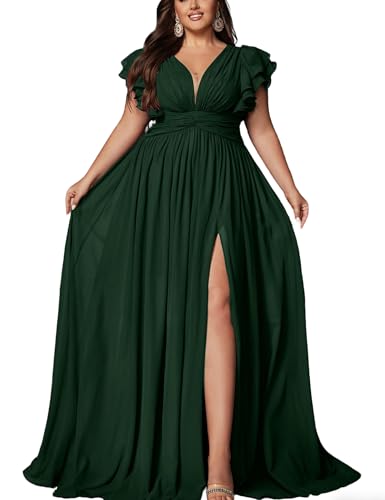
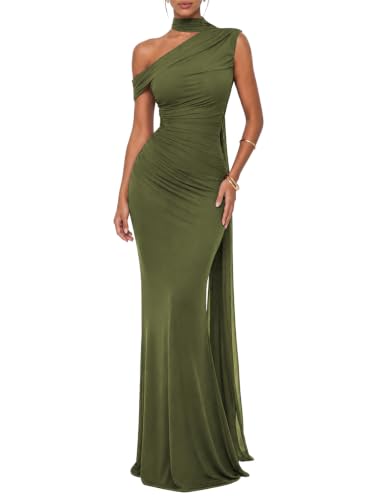
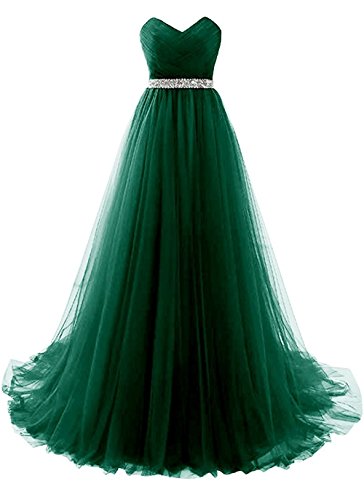
Green prom dresses range from pale sage and mint to emerald, forest, olive, teal-green, lime, and deep jewel tones. The color can appear romantic, botanical, dramatic, modern, or regal depending on fabric and lighting. Browse the products above to compare satin, chiffon, sequins, tulle, velvet, lace, mermaid, A-line, and ball-gown options. The guide below explains undertones, shade naming, photography, fit, accessories, and school-event checks. MotherBrideDress is an affiliate discovery website; Amazon or the listed seller controls live price, stock, shipping, and returns.







Frequently Asked Questions About Green Prom Dresses
Which green shade is most formal for prom?
Emerald, forest, and other deep jewel greens often read as especially formal, but fabric, fit, and construction matter as much as the shade.
How can I tell whether green is blue-based or yellow-based?
Compare the dress beside teal, olive, gold, and blue references in natural light. Customer photos and video often reveal the undertone better than a single studio image.
What jewelry works with green prom dresses?
Gold, silver, crystal, pearl, black, or neutral metallic jewelry can work. Choose one direction based on the undertone and the dress’s existing embellishment.
Do green dresses photograph differently under flash?
Yes. Satin, sequins, velvet, and pale tulle can shift substantially. Test natural light, warm indoor light, and phone flash after the dress arrives.
Can I match a green dress exactly to a date’s accessories?
Exact matching is difficult across screens and fabrics. Coordinating within the same color family is usually more realistic and visually balanced.
What shoes work with a green prom dress?
Nude, black, gold, silver, clear, matching green, or another controlled neutral can work. Prioritize comfort and the gown length.
Should I order by my usual clothing size?
No. Use the specific seller’s chart and your current bust, waist, hip, and length measurements.
Are color, price, and stock guaranteed?
No. Amazon or the listed seller controls the live listing. Confirm shade, size, price, delivery, and returns before purchase.
How to Shop Green Prom Dresses with Confidence
“Green” is a large color family, not a precise shade. Seller labels can overlap, and the same dress may look blue-green under cool light or yellow-green under warm light. Start by deciding whether the desired effect is soft, earthy, bright, dark, or jewel-like. Then evaluate the base fabric, reflective finish, and lining because these elements influence how the color reads in person and in photographs.
Styles and Construction Details to Compare
Emerald and jewel green
Saturated blue-leaning green creates a formal, high-contrast look and often works well in satin, velvet, sequins, or crepe. Compare photographs from several angles and judge how the detail affects the entire garment rather than treating it as a decorative label.
Forest and dark green
Deep tones feel controlled and elegant; inspect shadow detail because dark folds may disappear in photographs. Compare photographs from several angles and judge how the detail affects the entire garment rather than treating it as a decorative label.
Olive and moss
Muted yellow-based greens create an earthy mood and can shift brown or khaki under warm lighting. Compare photographs from several angles and judge how the detail affects the entire garment rather than treating it as a decorative label.
Sage and pale green
Soft gray-green shades appear romantic and understated, though pale fabric may reveal lining or wrinkles more easily. Compare photographs from several angles and judge how the detail affects the entire garment rather than treating it as a decorative label.
Bright, lime, and neon green
High-energy shades make a strong statement and need simple accessories, accurate product photos, and confidence with event visibility. Compare photographs from several angles and judge how the detail affects the entire garment rather than treating it as a decorative label.
Measurements and Fit Priorities
Record current body measurements and compare them with the exact seller chart. The most relevant checkpoints for this category include bust and underbust for structured bodices, natural waist and torso length, high hip and full hip for fitted silhouettes, shoulder-to-floor length with shoes, and slit height and train length. Choose the size for the least adjustable area and do not assume a familiar U.S. size number will transfer across brands. Garment measurements, fabric stretch, lining, and pattern placement can change the correct decision.
Try the dress with the undergarments and shoes planned for the event. Look at the front, side, and back, then sit for several minutes. Seam pulling, twisting, gaping, rising hems, and pressure marks reveal problems that a quick standing photograph can hide. A tailor can refine a workable fit, but tailoring should not be used to rescue a fundamentally incompatible size or pattern.
Fabric, Lining, and Surface Quality
Common material considerations include satin that intensifies highlights and color shifts; chiffon that layers green tones softly; velvet that creates depth but shows nap direction; sequins that may reflect gold, blue, or silver; tulle that can reveal a different-color lining; crepe that offers a calmer matte finish; lace that may combine several green shades. Fiber names alone do not prove quality. Inspect opacity, lining, stretch recovery, seam finish, zipper insertion, hem treatment, and how the surface behaves in ordinary light. Customer photographs can reveal texture and thickness more honestly than highly edited studio images.
Check whether the outer fabric and lining stretch together. A flexible shell over a rigid lining can still restrict movement, while a thin lining may cling or ride upward. Embellishment adds weight and may change drape. Rub a small hidden area gently, when permitted, to understand shedding, snagging, or surface roughness before the event.
Movement and Real-World Comfort
Walk, sit, climb steps, turn, and dance in the intended shoes. Green color attracts attention, but comfort still controls confidence. Check strap security, skirt weight, slit opening, and whether a fitted lining rides upward. A dramatic color cannot compensate for a gown that limits breathing or requires constant adjustment.
Comfort should remain stable for the full wearing period, not merely the first few minutes. Pay attention to neck, shoulder, underarm, waist, thigh, and foot pressure. If the dress needs repeated pulling, tightening, or lifting during a home try-on, the inconvenience will usually become more obvious at a crowded event.
Color, Lighting, and Photography
Compare customer photos, video, and manufacturer images rather than relying on one studio photograph. Phone screens, white balance, and flash alter green strongly. If matching a date, corsage, school color, or group palette, use fabric swatches or accept that exact matching may be unrealistic across different materials.
Photograph the dress near a window, under indoor light, and with phone flash. Review close portraits and full-length images. Reflective fabric, pale lining, sheer panels, and layered skirts can change more than expected. Make accessory decisions after seeing the actual garment rather than coordinating to the product-page screen image.
Match the Dress to the Occasion
Prom permits more color expression than many formal events, but the school dress code still applies. Review neckline depth, transparency, cutouts, back exposure, slit placement, and train length. Bright green can feel playful; deep emerald can feel black-tie; sage can feel romantic. Match the shade and construction to the event atmosphere rather than choosing by color alone.
Read the invitation, venue information, and any institutional rules. Formality is produced by the combination of silhouette, fabric, length, coverage, detail, and styling. One keyword in a product title cannot determine whether the dress is right for the actual event.
Accessories and Outfit Balance
Gold can warm olive, forest, and emerald; silver can sharpen blue-based greens; neutral metallics, black, nude, or matching shoes can all work. Select jewelry after identifying whether the dress already contains beading, crystals, or metallic thread. Makeup can echo the undertone without trying to match the dress exactly.
Build the complete outfit during the return window. Test jewelry against the fabric for snagging, confirm the bag does not pull the dress, and walk in the shoes long enough to judge stability. A simpler accessory plan often produces a stronger result when the dress already has distinctive color, shape, texture, or movement.
How to Evaluate an Online Listing
Read the full color name and check whether multiple green options share the same listing. Sellers sometimes reuse photographs or apply digital color changes. Reviews mentioning “darker than pictured,” “more blue,” or “more yellow” are valuable. Confirm that the return policy allows color dissatisfaction and that the selected shade is attached to the correct size.
Confirm the selected variation before checkout: size, color, length, seller, delivery date, and return eligibility. Marketplace listings may combine several products or sellers under one page. Save screenshots of the chosen variation and terms when the event date makes accuracy important.
Alterations, Care, and Storage
Dark satin can show water marks, pale chiffon can stain, sequins can snag, and velvet needs attention to pile direction. Follow the care label and handle the gown with clean hands. Store away from direct sunlight before prom so saturated or delicate shades do not fade unevenly.
Ask a tailor before ordering when the design includes unusual seams, layered hems, heavy embellishment, structured cups, or delicate fabric. Some changes are straightforward; others cost more than the dress or alter its intended shape. Keep all packaging and tags until the fit and condition are approved.
Green and Complexion Without Rules
There is no single green reserved for a particular skin tone. Personal preference, hair color, makeup, lighting, and fabric reflection all change the result. Use natural-light photographs near the face and choose the shade that creates the desired contrast instead of following rigid color prescriptions.
Group Photos and Venue Décor
Green can blend beautifully with botanical venues but may also merge into dark foliage in outdoor evening photos. A contrasting bouquet, metallic accessory, or lighter background can preserve separation. Consider the visual setting without sacrificing the shade you actually prefer.
Practical Try-On Sequence
Begin with a visual inspection before wearing the garment, then follow a consistent test rather than making a decision from the first mirror view. Confirm these category-specific points: Choose the green family before the silhouette; Review photos in several lighting conditions; Measure bust, waist, hip, and length; Check lining and color consistency; Review school rules for neckline, slit, and back; Coordinate one primary metal or neutral accessory direction; Test flash photography; Verify the selected size and color before checkout. Complete the sequence during the return window and repeat it with the planned shoes, undergarments, accessories, and outer layer. A structured test makes comparison between several listings more reliable and prevents one attractive photograph from outweighing fit evidence.
After the movement test, keep the dress on long enough to notice gradual pressure, heat, slipping, static, scratchiness, or fabric weight. Take notes and photographs from multiple angles. When comparing two acceptable options, select the garment that requires fewer corrections and supports the real event schedule more naturally. Convenience, safety, and return flexibility are legitimate quality factors.
Common Shopping Mistakes
Frequent mistakes include choosing a shade name without checking undertone, matching accessories to a screen color, and assuming every emerald or sage listing will look alike. Another error is overloading a bold green gown with multiple competing metallics. Build the outfit around the actual dress after it arrives.
Do not treat a high product count as proof that every listing belongs perfectly in the category. Marketplace taxonomy can be broad or inaccurate. Judge the individual product against the category intent, and skip listings that do not provide enough information to make a responsible decision.
Final Shopping Checklist
- Choose the green family before the silhouette.
- Review photos in several lighting conditions.
- Measure bust, waist, hip, and length.
- Check lining and color consistency.
- Review school rules for neckline, slit, and back.
- Coordinate one primary metal or neutral accessory direction.
- Test flash photography.
- Verify the selected size and color before checkout.
Explore Related Dress Collections
Use these related MotherBrideDress pages to compare broader and narrower intents without forcing one category to answer every shopping question.
Affiliate shopping note: MotherBrideDress may earn a commission from qualifying purchases. Product names, prices, availability, shipping estimates, seller information, and return conditions can change. Always verify the selected size, color, current price, delivery date, and return policy on the live seller page before checkout.