
Backless Prom Dress
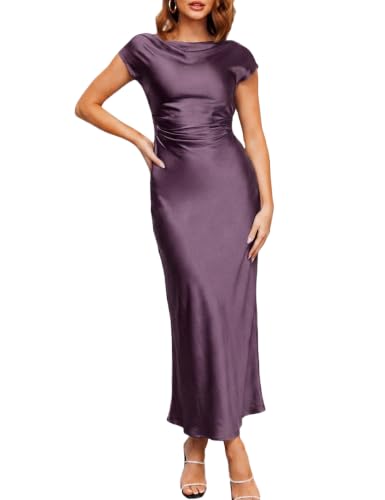
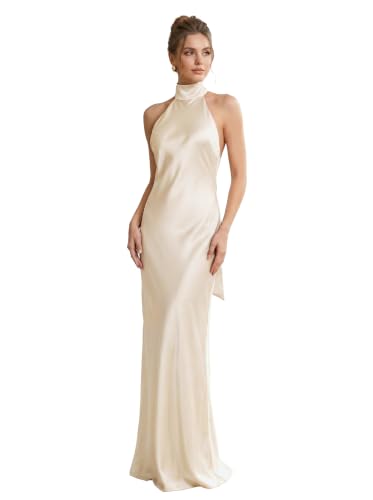
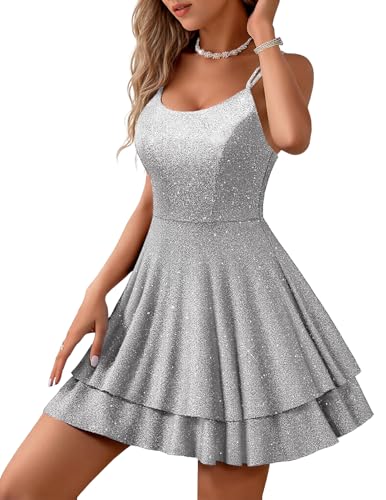
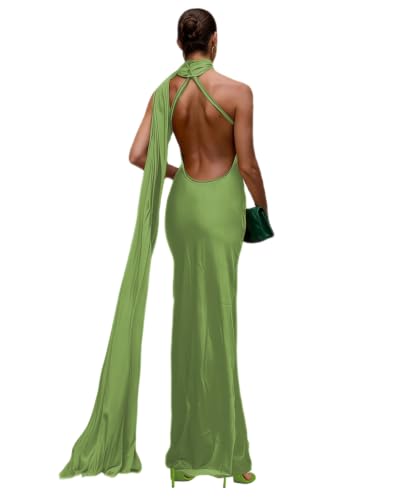
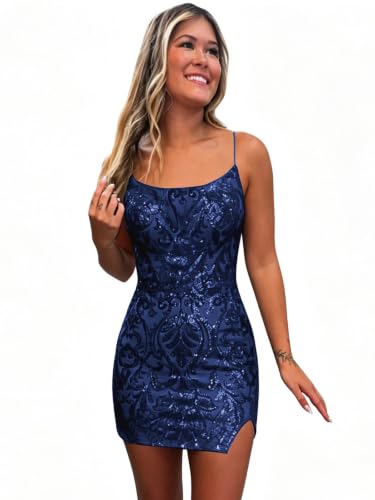
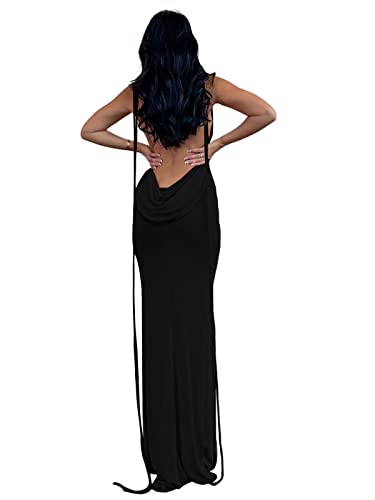
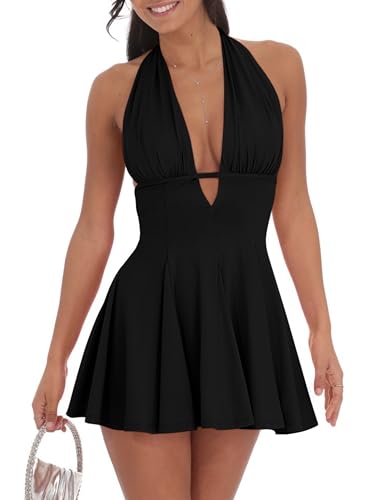
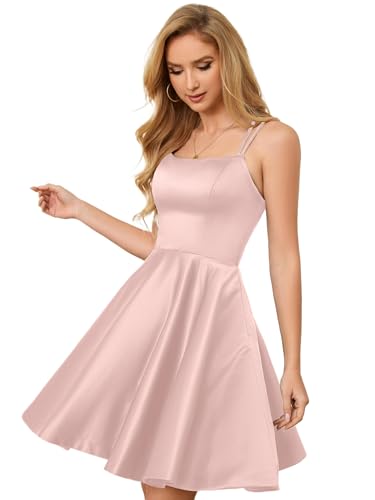
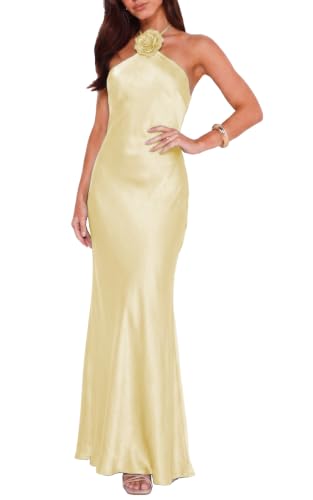
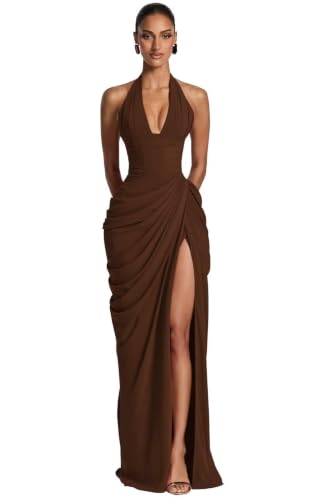
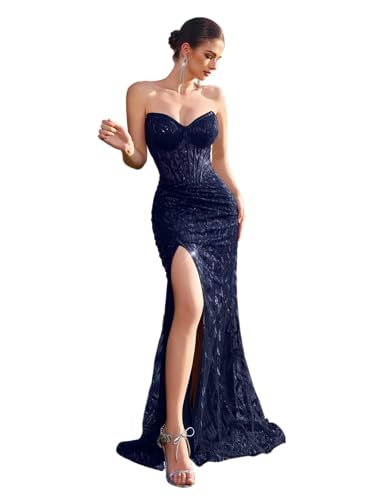
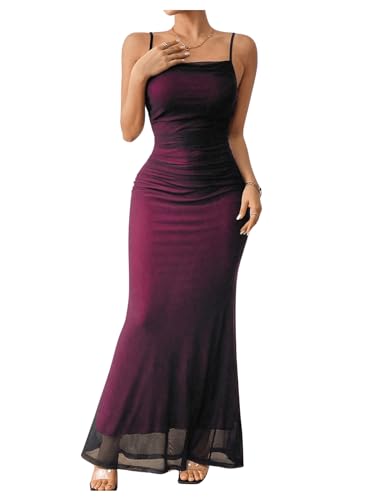
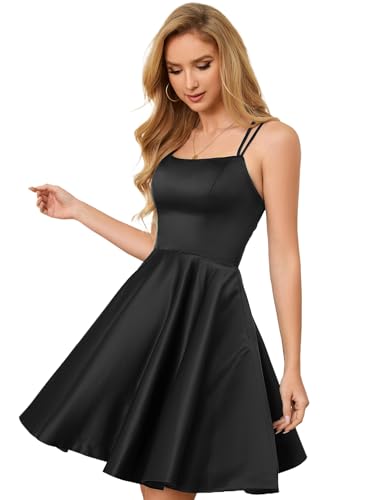
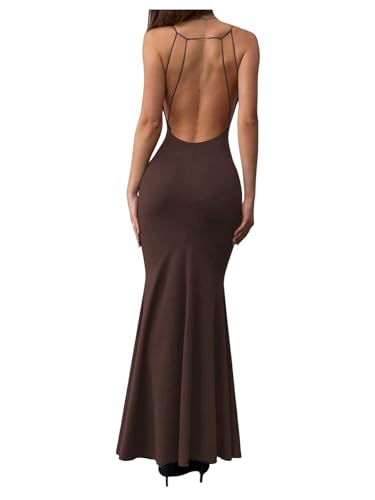
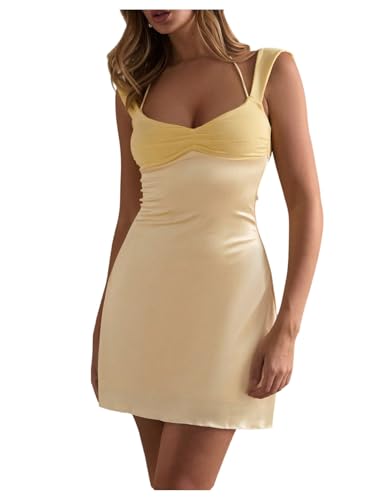
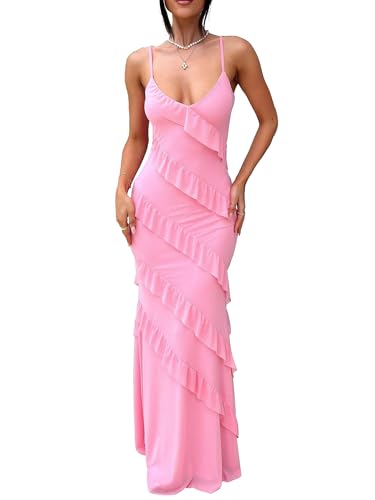
A backless prom dress exposes part of the back through a low scoop, open panel, crossed straps, cowl, keyhole, illusion mesh, or nearly waist-level cut. “Backless” is not a standardized depth, and front support can vary from a structured corset to a soft slip. The correct choice therefore depends on the exact back shape, bodice engineering, school dress code, support plan, movement, and the wearer’s tolerance for adhesive or specialty undergarments.Browse the products above to compare the currently indexed marketplace selection. The guide below focuses on evidence-based fit, construction, event suitability, care, and seller verification rather than promising that every product tagged to the category is an exact match.Affiliate shopping note: MotherBrideDress may earn a commission from qualifying purchases. MotherBrideDress is an affiliate discovery website and does not manufacture, stock, sell, ship, or accept returns for the products displayed. Amazon or the listed marketplace seller controls the current price, size and color availability, seller identity, shipping estimate, item condition, and return terms. Confirm the exact selected variation and seller information on the live product page before checkout.




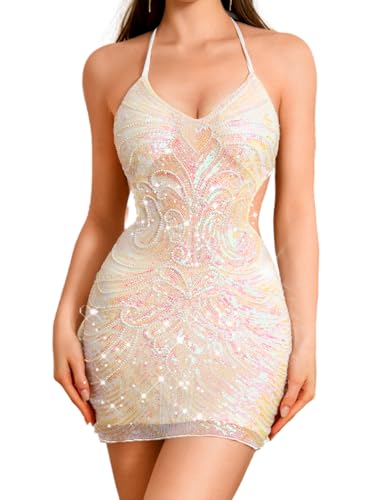
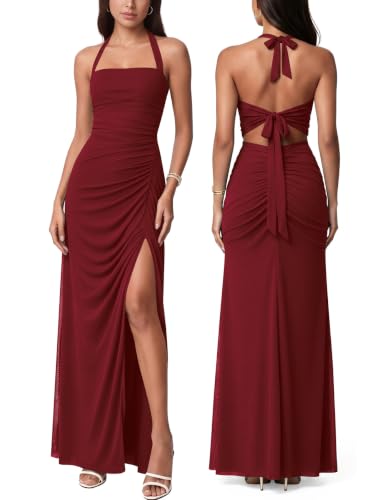

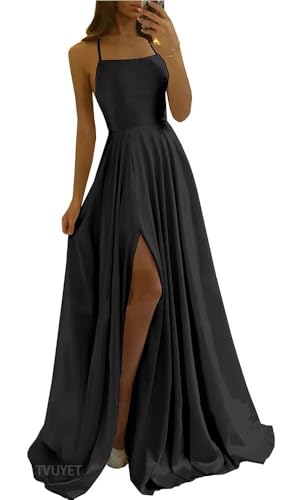
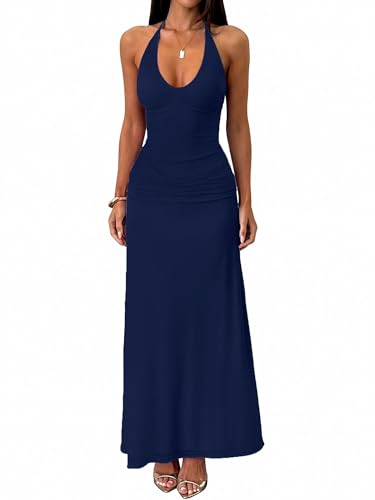
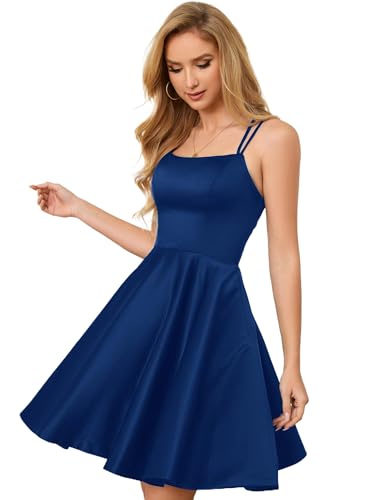
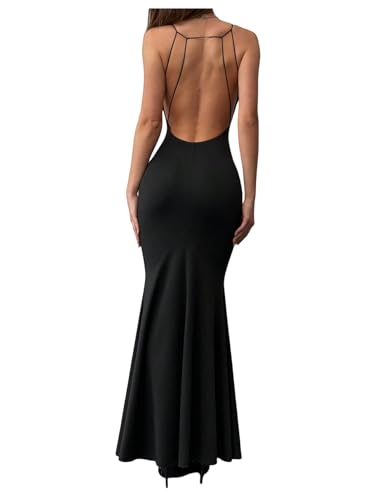

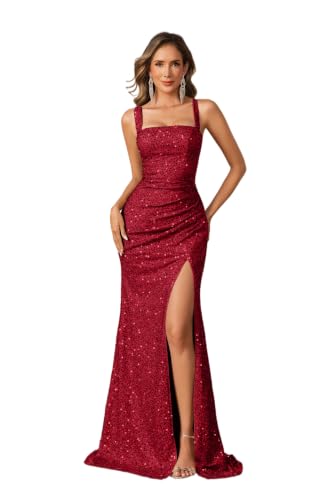

Frequently Asked Questions About Backless Prom Dress
What counts as a backless prom dress?
It may have a scoop, deep V, U shape, crossed straps, lacing, cowl, keyhole, or illusion panel that exposes a significant part of the back.
Can I wear a normal bra with a backless prom dress?
Sometimes with a moderate scoop or converter, but deeper openings usually require sewn-in support, a specialty bra, cups, tape, or another solution compatible with the exact dress.
How do I know whether the back is allowed at school prom?
Read the school dress code and show staff a rear photograph when the rule is unclear. Product labels such as modest or formal are not authoritative.
Can a tailor add support to a backless dress?
Often, but feasibility depends on seams, lining, bodice structure, and the opening. Ask a tailor before the return period ends.
Does fashion tape hold up a prom dress?
Tape can stabilize an edge, but it should not carry a heavy garment. Use it only as directed and test skin tolerance in advance.
What should I test while trying on a backless gown?
Sit, twist, reach, raise the arms, walk, dance, wear the planned support, and photograph the front, sides, and back.
What hairstyle works with an open back?
An updo or side-swept style displays the back, while loose hair softens it. Avoid hair that catches on hooks, beads, or rough sequins.
Who handles returns for a linked prom dress?
Amazon or the listed marketplace seller handles the order and return terms for the exact selected variation.
How to Choose Backless Prom Dress with Better Evidence
A disciplined comparison separates an attractive photograph from operational evidence. Confirm construction, measurements, condition, material, delivery, and return terms before relying on styling language.
Most important risk: buyers often solve the support problem after ordering. A deep back can eliminate a standard bra, reduce closure stability, expose shapewear, or make alterations difficult. The dress must work with a realistic support method before the return deadline.
Classify the Back Opening and Its Support System
Moderate scoop back
A scoop ending above the natural waist may work with a low-back converter or some specialty bras. Confirm side coverage and whether the zipper interrupts the opening. Evaluate the selected variation because one marketplace page may combine several colors, sizes, sellers, or related designs.
Deep V or U back
A lower opening creates stronger visual impact but depends on shoulder straps, front structure, or adhesive support. Check edge stability and whether the neckline pulls backward. Consider appearance and operation together: support, closure, lining, comfort, and alteration feasibility determine real usability.
Cross-strap or lace-up back
Adjustable straps can refine fit, but narrow straps may dig in or loosen. Inspect anchor points, eyelets, lacing length, and whether another person is needed to dress. Do not let one close photograph outweigh missing evidence about the full silhouette, interior, back view, or measurements.
Illusion mesh back
Mesh can create apparent openness while adding support or coverage. Verify mesh color, seam visibility, stretch recovery, scratchiness, and school rules. Use full-length front, side, and back views, then test the delivered garment while seated and moving.
Cowl or draped back
A soft drape relies on fabric weight and shoulder balance. Confirm that the cowl hangs deliberately rather than collapsing, twisting, or exposing more than expected. Record the result instead of relying on memory; small differences become clearer when several listings use similar descriptions.
Fit Details That Change the Result
Front bodice counterbalance
The lower the back, the more important the front structure becomes. Check cups, boning, underbust seam, neckline grip, and whether the bodice remains in place without pulling. Record the result instead of relying on memory; small differences become clearer when several listings use similar descriptions.
Side-body coverage
Open backs often create low side edges. Test arm movement and photographs from the side to identify bra exposure, gaping, or unintended skin exposure. Evaluate the selected variation because one marketplace page may combine several colors, sizes, sellers, or related designs.
Shoulder strap tension
Straps may carry most of the garment weight. Confirm adjustability, width, attachment strength, and whether they leave painful pressure after prolonged wear. Consider appearance and operation together: support, closure, lining, comfort, and alteration feasibility determine real usability.
Waist closure and zipper
Some dresses combine a back opening with a lower zipper, hook, or band. Sit and twist to test whether the closure buckles or presses into the spine. Do not let one close photograph outweigh missing evidence about the full silhouette, interior, back view, or measurements.
Skin and adhesive tolerance
Test fashion tape or adhesive cups well before prom according to product instructions. Do not use an adhesive solution that causes irritation or must carry the dress structurally. Use full-length front, side, and back views, then test the delivered garment while seated and moving.
Measurements, Ease, and Movement
Take current body and vertical measurements
Measure bust, waist, high hip, full hip, shoulder width, torso length, sleeve dimensions, and the shoulder-to-hem length relevant to the garment. Measure over the undergarments planned for the event. Marketplace charts are not standardized, so a remembered U.S. size is not enough. Use full-length front, side, and back views, then test the delivered garment while seated and moving.
Compare body and garment dimensions
When finished garment measurements are available, compare them with the body chart and the intended ease. A rigid woven bodice, stretch knit, full skirt, and bias-cut slip require different room. Record the result instead of relying on memory; small differences become clearer when several listings use similar descriptions.
Test the complete range of motion
Walk, sit for several minutes, climb stairs, reach, raise the arms, turn, and enter or leave a car. Watch for rising hems, twisting seams, opening wraps, tight linings, pressure, slipping necklines, or scratchiness. Evaluate the selected variation because one marketplace page may combine several colors, sizes, sellers, or related designs.
Use the planned shoes and support
Bras, shapewear, slips, hosiery, adhesive products, and heel height change fit and hem position. Test them during the return window rather than on the event day. Consider appearance and operation together: support, closure, lining, comfort, and alteration feasibility determine real usability.
Price alteration limits before acceptance
Simple straps and plain hems may be manageable, while lace borders, beadwork, boning, print matching, trains, and unusual seams can make changes expensive or risky. Do not let one close photograph outweigh missing evidence about the full silhouette, interior, back view, or measurements.
Fabric, Lining, and Surface Behavior
Satin slip construction
Satin highlights tension and can make a low back elegant, but bias-cut fabric may stretch. Check seam rippling, cowl balance, lining, and water-mark risk. Evaluate the selected variation because one marketplace page may combine several colors, sizes, sellers, or related designs.
Stretch jersey
Jersey can follow the body and simplify movement, yet a low back may stretch wider over time. Review recovery, opacity, edge binding, and weight. Consider appearance and operation together: support, closure, lining, comfort, and alteration feasibility determine real usability.
Corset satin or taffeta
Structured fabric can support a secure front while leaving the back open. Inspect boning ends, lacing, modesty panel, cup placement, and breathability. Do not let one close photograph outweigh missing evidence about the full silhouette, interior, back view, or measurements.
Lace and mesh
Lace or illusion mesh can soften the opening and add coverage. Verify skin-tone match, edge comfort, snag risk, and whether motifs hide or emphasize seams. Use full-length front, side, and back views, then test the delivered garment while seated and moving.
Sequins and beading
Back edges can scratch bare skin, hair, or seat upholstery. Inspect finishing, missing pieces, and how embellishment ends around the opening. Record the result instead of relying on memory; small differences become clearer when several listings use similar descriptions.
Support Options Without Forcing the Wrong Dress
Sewn-in cups and boning can reduce the need for a bra, but they must match the wearer’s bust position and provide actual stability. Decorative cups that sit too high or too narrow are not support.
Low-back converters work only when a standard bra band can be redirected below the opening without showing at the sides. Adhesive cups shape differently and generally do not provide the same lift as a banded bra.
Fashion tape can control an edge; it should not be expected to suspend a heavy gown. Test a small area for skin reaction, follow removal instructions, and never place adhesive on irritated skin.
A tailor may add cups, a waist stay, clear or decorative straps, mesh, or a modesty panel. Ask before purchase because the back opening may leave no stable seam or lining for an alteration.
Match the Dress to the Real Occasion
School prom
Check the written dress code and ask the school when language about open backs is unclear. A photo from the rear is more useful than relying on “modest” in a title. Consider appearance and operation together: support, closure, lining, comfort, and alteration feasibility determine real usability.
Dinner before dancing
Test chair contact, because hooks, beads, and lace-up hardware can become uncomfortable during a long meal. Do not let one close photograph outweigh missing evidence about the full silhouette, interior, back view, or measurements.
Outdoor prom venue
Plan warmth, sun protection, insects, and a wrap that can be worn without constantly slipping off the open back. Use full-length front, side, and back views, then test the delivered garment while seated and moving.
Formal photographs
Prepare the support method, skin finish, and hair placement before the photo schedule so the back design remains visible and intentional. Record the result instead of relying on memory; small differences become clearer when several listings use similar descriptions.
After-party or travel
A dramatic open back may feel less practical in rideshares, crowded seating, or cooler conditions. Pack a stable outer layer rather than relying on a loose shawl. Evaluate the selected variation because one marketplace page may combine several colors, sizes, sellers, or related designs.
Accessories and Outfit Balance
Back necklace or minimal jewelry
A back necklace can emphasize the opening, but it may tangle with lacing or scratch the skin. Minimal jewelry is often cleaner. Do not let one close photograph outweigh missing evidence about the full silhouette, interior, back view, or measurements.
Hair placement
An updo reveals the design; loose hair softens it but may snag sequins or hide straps. Test both with movement. Use full-length front, side, and back views, then test the delivered garment while seated and moving.
Low-back support products
Choose cups, tape, converters, or sewn-in support based on the actual dress. Follow skin-safety instructions and test early. Record the result instead of relying on memory; small differences become clearer when several listings use similar descriptions.
Outerwear
Use a coat or wrap that stays in place and does not abrade embellishment. Confirm that removing it does not disturb tape or straps. Evaluate the selected variation because one marketplace page may combine several colors, sizes, sellers, or related designs.
Skin preparation
Avoid last-minute products that irritate or transfer to fabric. The goal is comfortable, healthy skin, not masking every natural mark. Consider appearance and operation together: support, closure, lining, comfort, and alteration feasibility determine real usability.
How to Evaluate the Exact Marketplace Listing
Select the intended size and color first. Then reread the title, seller, brand, condition, price, delivery estimate, material, size chart, included pieces, and return policy. Marketplace information can change when the variation changes.
- Exact lowest point of the back opening
- Front cup, boning, and underbust support
- Side coverage in the selected size
- Closure type and lacing instructions
- School dress-code compatibility
- Recommended bra or support method
- Edge comfort against bare skin
- Return rules after adhesive try-on or tag removal
Reviews are useful when they provide body measurements, height, selected size, recent photographs, movement comments, and seller-specific evidence. A one-line opinion is less diagnostic than repeated detail about fit, fabric, color, condition, closure, shipping, or returns.
Save the selected variation and terms when timing or coordination matters. Do not assume that a delivery date, discount, seller, or return window will remain unchanged.
Delivery Inspection and Return-Window Test
- Confirm that the delivered color, size, brand, seller information, condition, and included pieces match the order.
- Inspect seams, zipper, hooks, lining, hem, surface detail, stains, odors, pulls, and signs of prior wear before a long try-on.
- Test the garment in daylight, indoor light, and phone flash; photograph front, side, and back at normal posture.
- Repeat sitting, walking, stairs, arm movement, shoes, support, outerwear, and event-specific tests.
- Keep tags, packaging, spare pieces, and order documentation until the garment passes every check and the return decision is complete.
Complete the inspection promptly. Event clothing often becomes a problem because the buyer waits until the exchange or alteration window has closed.
Alterations, Care, and Storage
Read the sewn-in care label and compare it with the listing. Do not assume that every garment in the category can be washed, steamed, pressed, or spot-treated in the same way. Use professional care when delicate fabric, age, dye, embellishment, or adhesive requires it.
Ask a tailor before ordering when the likely change crosses a zipper, boning, print, lace motif, beadwork, shaped hem, sleeve, train, or complex lining. Total cost and risk may make another listing the better value.
Store the accepted garment clean, fully dry, and protected from rough surfaces. Support heavy pieces, avoid crushing structured fabric or detail, and allow enough space that the neckline, sleeves, and hem do not distort.
Common Shopping Mistakes
- Ordering before solving the support plan
- Assuming all backless dresses have the same depth
- Ignoring low side exposure
- Using untested adhesive on prom day
- Choosing straps too narrow for the garment weight
- Forgetting chair and car-seat contact
- Assuming a shawl fixes a dress-code conflict
- Removing tags before a full movement test
Reject a dress that succeeds only in a still front photograph. Keep the option that fits the actual event, survives movement, coordinates with the planned outfit, arrives with workable seller terms, and requires no uncertain last-minute correction.
Final Shopping Checklist
- Confirm the exact category intent, selected variation, seller, and current return terms.
- Take current measurements and compare the correct chart rather than a familiar size label.
- Check neckline, shoulder, bust, waist, hip, sleeve, lining, and actual hem placement.
- Review fabric opacity, stretch, reflection, surface comfort, and care requirements.
- Test sitting, walking, stairs, reaching, dancing, shoes, support, and outerwear.
- Inspect the delivered condition and color in several lighting environments.
- Estimate tailoring, cleaning, accessory, and backup costs before final acceptance.
- Keep tags and packaging until the complete decision is finished.
Explore Related Dress Collections
Use these related MotherBrideDress category pages to change one shopping variable at a time. The internal links separate color, occasion, size, construction, and formality rather than forcing every adjacent keyword onto one page.
Affiliate shopping note: MotherBrideDress may earn a commission from qualifying purchases. MotherBrideDress is an affiliate discovery website and does not manufacture, stock, sell, ship, or accept returns for the products displayed. Amazon or the listed marketplace seller controls the current price, size and color availability, seller identity, shipping estimate, item condition, and return terms. Confirm the exact selected variation and seller information on the live product page before checkout.