
Baby Blue Prom Dress
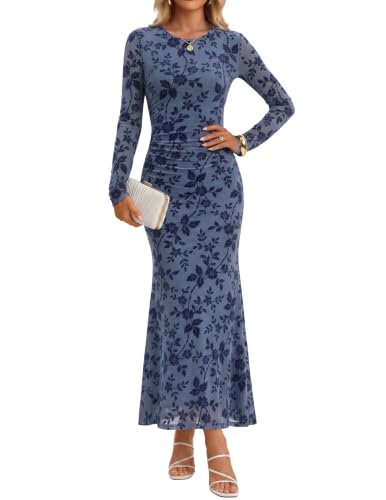
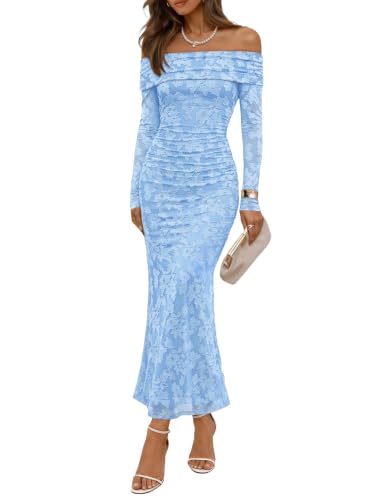
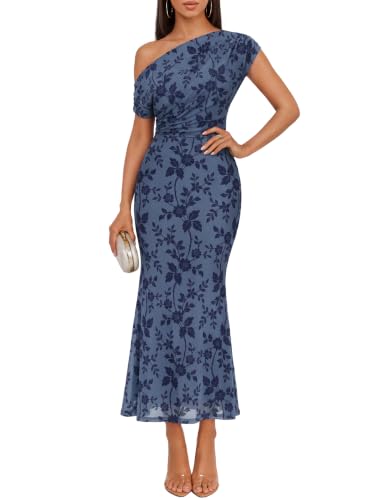
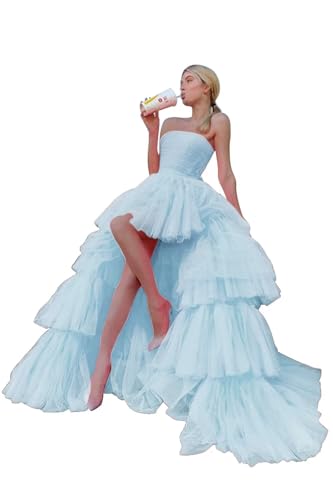
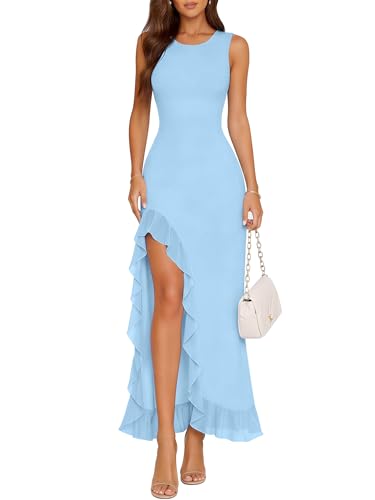
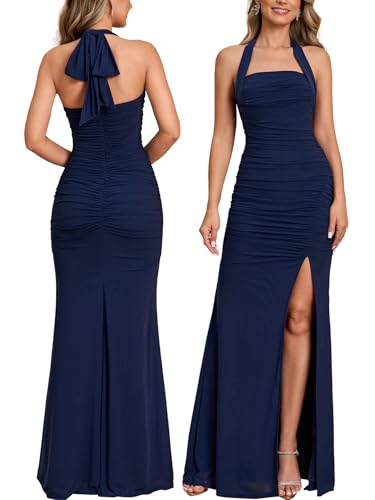
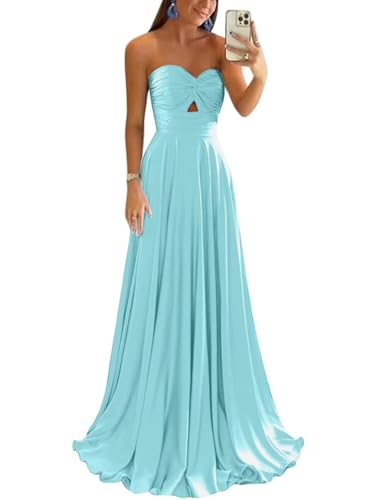
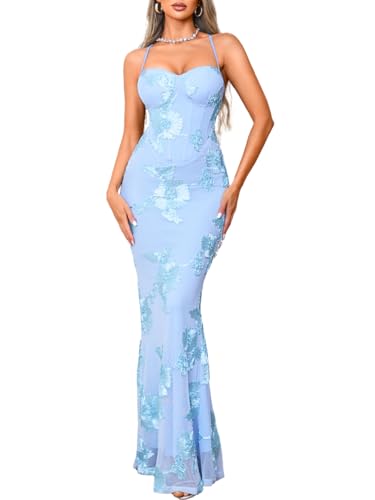
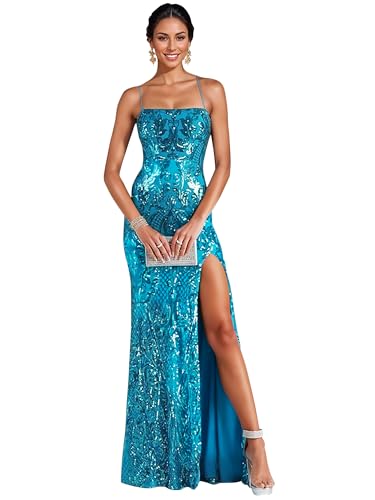
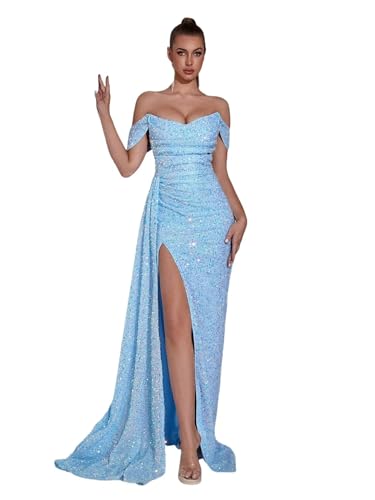
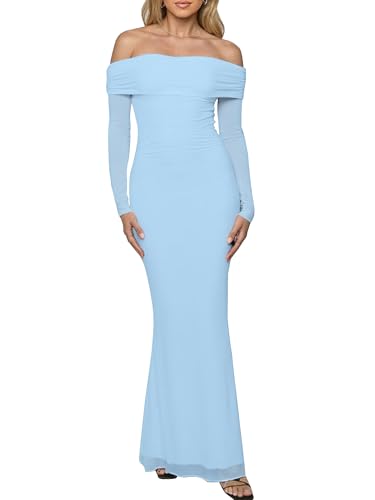
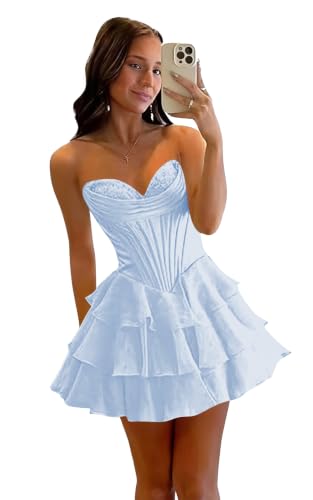
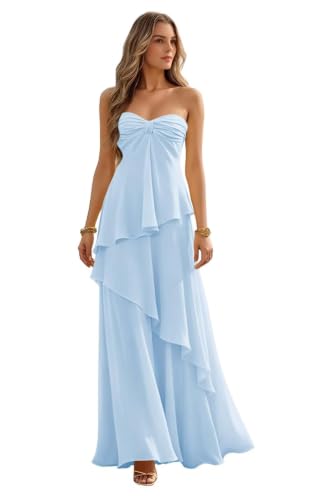
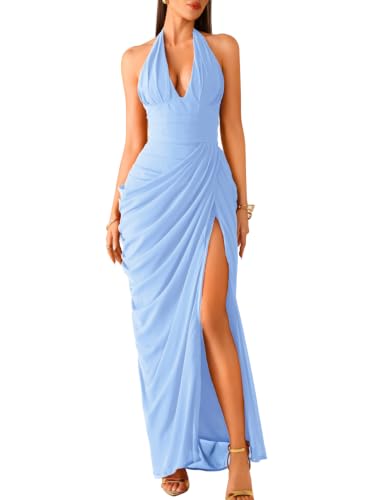
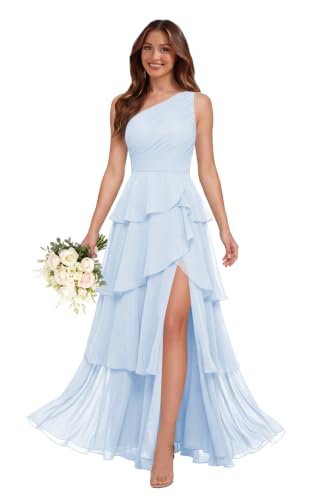
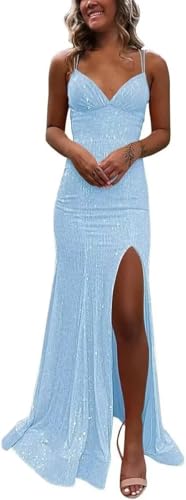
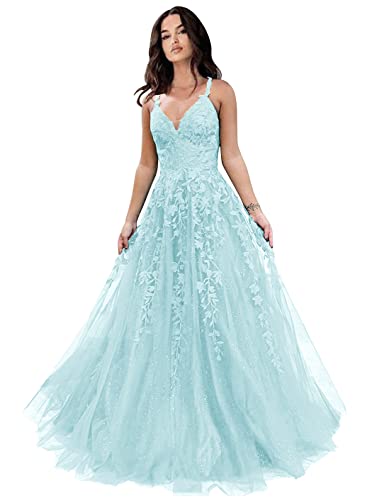
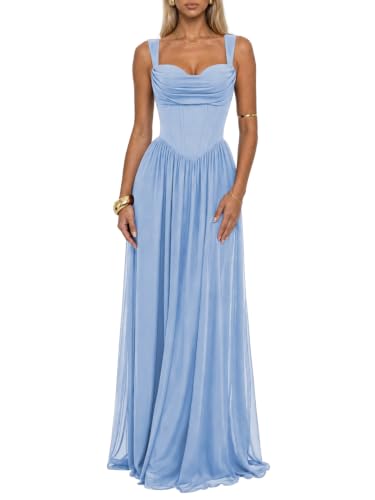
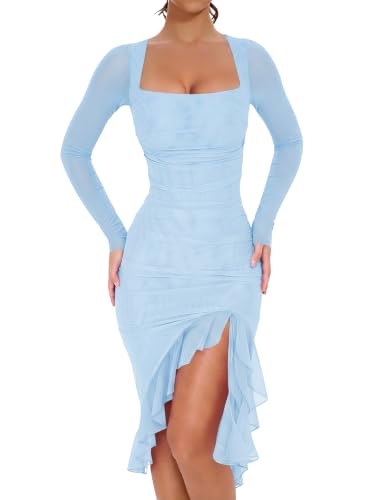
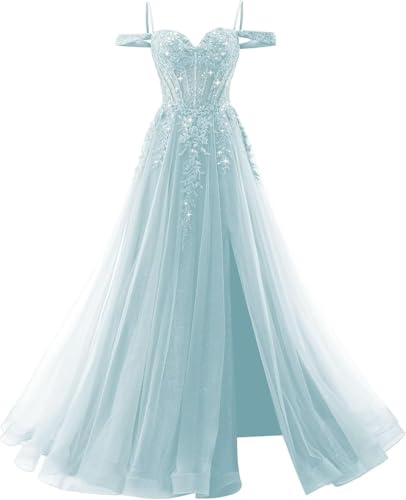
Baby Blue Prom Dress is a singular shopping query for choosing one light-blue prom gown in powder, sky, ice, pastel, Cinderella, or soft aqua-blue tones for a specific school event. The product grid may contain baby blue A-lines, satin columns, tulle ball gowns, beaded corsets, mermaid dresses, floral appliqué, off-shoulder styles, two-piece sets, long sleeves, and plus-size options. Filter first by the actual invitation or use case, wearer and garment type, required hem or coverage, and exact measurements; then compare the selected seller, fabric, lining, closure, current delivery estimate, and return eligibility.This page is one-dress decision support, not a duplicate blue inventory hub; it prioritizes shade verification, event fit, measurements, photography, delivery, and the practical choice of one final gown. Retailers frequently combine casual, cocktail, wedding guest, homecoming, prom, work, and formal products inside the same navigation path. This guide separates those intents using construction, length, exposure, venue, and wearer role so the page remains a useful commercial comparison category.Related paths include prom dresses, A-line prom dresses, beaded prom dresses, and affordable prom dresses. Each link answers a different shopping question: prom dresses addresses the full prom category; A-line prom dresses addresses silhouette-led comparison; beaded prom dresses addresses embellishment-led shopping; affordable prom dresses addresses budget-led comparison.
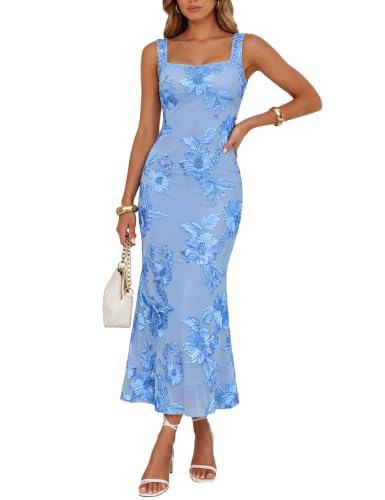
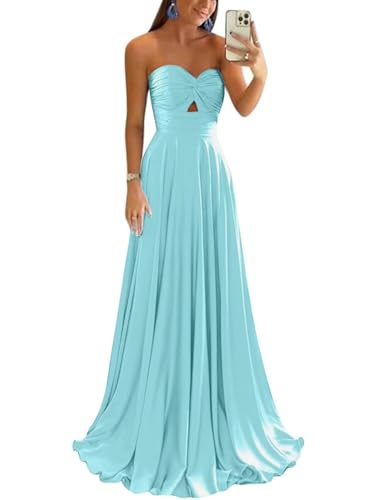
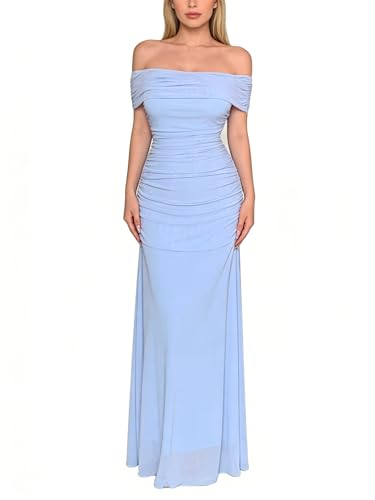
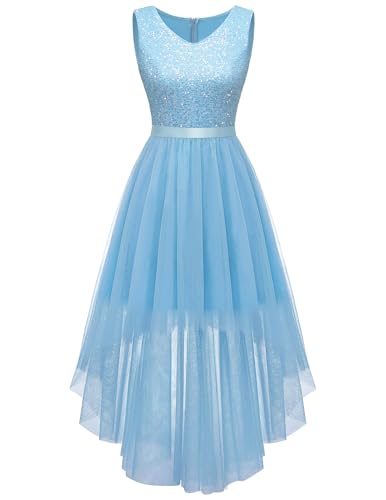
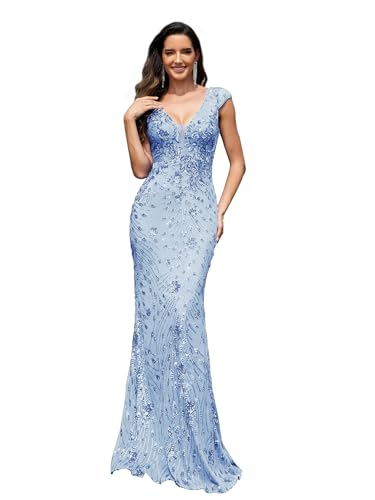
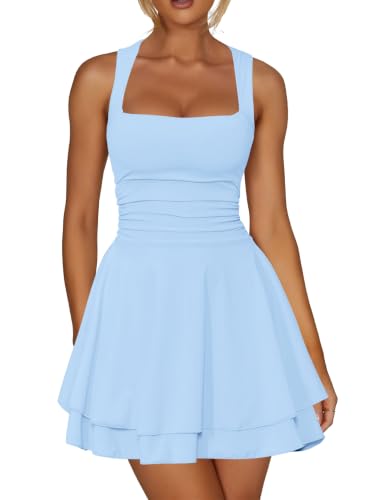
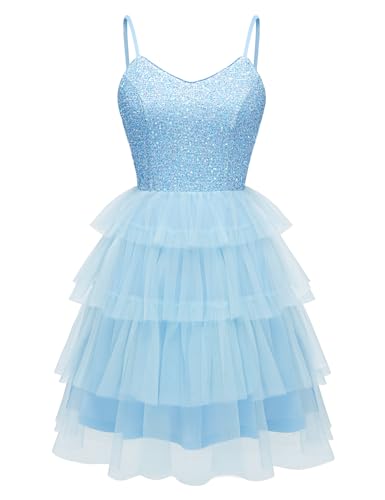
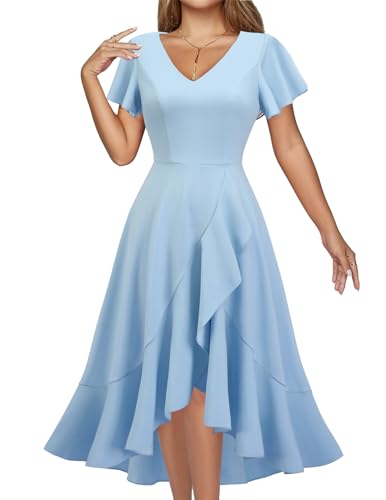
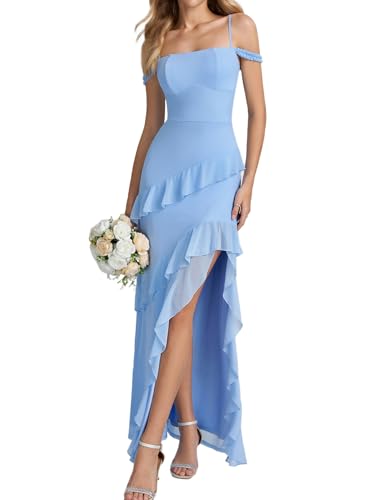
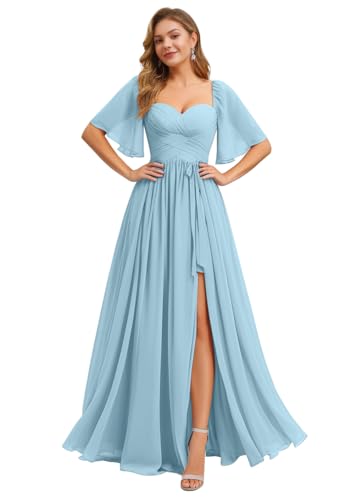
Frequently Asked Questions About Baby Blue Prom Dress
What shades are similar to baby blue?
Sky blue, powder blue, ice blue, pastel blue, cloud blue, Cinderella blue, and some light aqua shades may overlap.
Does baby blue photograph differently under flash?
Yes. Satin can look silver or white, tulle can show gray or green shadows, and beads can add another undertone.
Which fabrics work for a baby blue prom dress?
Satin, tulle, chiffon, lace, organza, crepe, glitter knit, and beaded mesh can work depending on construction.
What shoes work with a baby blue prom dress?
Silver, nude, champagne, blush, gold, or tonal blue can work; choose for the undertone and venue surface.
What undergarments work under baby blue?
Smooth skin-tone layers are usually less visible, but test the exact dress in daylight and flash.
Can baby blue prom dresses be plus size or petite?
Yes. Select the correct pattern block and verify cups, torso, waist, slit, sleeves, and length.
Is baby blue appropriate for prom?
Yes. The shade can suit many prom themes when the dress meets the event rules and wearer preference.
Can baby blue fabric be altered or matched?
Yes, but matching thread, tulle, satin, mesh, and appliqué across dye lots can be difficult.
What should I verify before ordering?
Check exact shade, school rules, measurements, fabric, lining, opacity, support, seller, delivery, and returns.
How to Choose One Baby Blue Prom Dress
A baby blue prom dress should satisfy the school rules, fit the wearer’s measurements, photograph as the intended light blue, arrive with alteration time, and remain comfortable through the full evening. The final choice should be based on the received shade and construction, not the color name alone.
Prom is a full-evening formal event, so the label should be supported by lining, stable closures, controlled hems, and enough structure for photographs, seated dining, walking, and dancing. A seller title alone does not establish prom-level quality or school compliance.
Baby Blue Versus Sky, Ice, Powder, Aqua, and Royal Blue
Baby blue usually describes a pale soft blue, but sellers may use sky, powder, ice, pastel, cloud, Cinderella, or light aqua for overlapping shades. Royal, cobalt, navy, and teal are darker or more saturated. Compare swatches and customer photographs rather than names.
Use the invitation, school guidance, venue, and local tradition rather than assuming every formal dress is interchangeable. Prom often supports longer hems and stronger construction than homecoming, while pageant and quinceañera gowns may use volume, trains, or ornament that is difficult to manage at a school dance.
Prom Rules and Event Context for Light Blue Gowns
Baby blue can work across classic, romantic, minimalist, sparkly, and themed proms, but neckline, back, slit, cutouts, sheerness, and train still need approval. Check whether the event has a theme or group color plan without assuming matching is required.
Read the school or event rules literally and check minimum coverage, cutouts, back depth, slit height, sheer panels, midriff exposure, and footwear requirements. Product words such as modest, formal, or prom do not prove compliance with the policy enforced at entry.
Choose the Baby Blue Silhouette First
A-line, ball gown, mermaid, column, sheath, empire, and two-piece silhouettes create different movement and shade effects. Pale blue tulle looks airy, while satin columns look more reflective. Select the shape from fit and logistics before choosing decoration.
Check the gown from front, side, and back after sitting for ten minutes. Pulling at the zipper, cups that shift, a waist seam that climbs, or a skirt that twists indicates a pattern mismatch. Choose the silhouette for the complete schedule rather than one standing photograph.
Long Hems, Slits, and Trains in Baby Blue
Light fabric makes dirty hems, exposed lining, and uneven layers easy to notice. Check floor clearance, slit height, train length, and the route from parking to venue. Choose shoes before hem approval and rehearse lifting the skirt without crushing or staining it.
Measure shoulder-to-hem or waist-to-hem against a dress already owned, then repeat the check in the planned shoes. Account for trains, slits, layered hems, horsehair, and petticoats. The hem must clear stairs, vehicles, crowded dance floors, and restroom use without losing the intended line.
Satin, Tulle, Chiffon, Lace, and Glitter in Baby Blue
Satin can shift from icy blue to silver under flash, tulle layers can create gray or green shadows, chiffon softens saturation, and glitter or beads can add another undertone. Confirm the lining color because it controls the final appearance of sheer layers.
Inspect daylight and flash photographs for transparency, exaggerated shine, color shift, cling, seam strain, static, and shedding. Confirm the material, lining, stretch direction, care instructions, and exact variation on the final seller page. The fabric name alone does not establish durability or formality.
Lining, Cups, Boning, and Pale-Fabric Opacity
Baby blue can reveal cups, seam allowances, boning channels, pockets, undergarments, or lining edges under bright light. Inspect the inside construction and photograph front, side, and back in daylight and flash before removing tags.
Test every zipper, button, tie, snap, hook, strap, and lace-up panel before removing tags. Check boning, cups, waist stays, slit reinforcement, lining length, bead security, and whether decoration crosses likely alteration points. Weak internal construction becomes more obvious after several hours of wear.
Necklines and Support for Baby Blue Prom Dresses
Strapless, sweetheart, square, V, halter, one-shoulder, and off-shoulder designs place attention on the pale bodice. Fixed cups and mesh must match the wearer and remain unobtrusive. Choose support that does not create dark contrast through the fabric.
Fit the dress with the intended bra, cups, tape, or base layer. Inspect side coverage, back height, bust depth, torso length, shoulder pressure, and whether the neckline remains stable while sitting, hugging, and raising both arms. Tape should be a finishing aid rather than the only support system.
Sleeves, Straps, and Formal Layers
Long sleeves, cap sleeves, flutter sleeves, narrow straps, and detachable straps can all appear in baby blue. Check whether sleeve lining matches the bodice and whether a coat or wrap changes the shoulder line. Pale embellishment can snag dark outerwear.
Measure shoulders and upper arms and test reaching, dancing, and coat compatibility. A sleeve chosen for a cold arrival can overheat in a crowded venue, while a tight jacket can move straps, crush embellishment, or pull an off-shoulder edge upward.
Measurements for the Final Baby Blue Dress
Record bust, waist, hips, shoulders, torso, upper arms, and floor length in the planned support and shoes. Choose from the least flexible area and evaluate the selected size’s cup, slit, appliqué, and waist placement rather than relying on sample photographs.
Use current measurements in the planned undergarments and compare them with the exact seller chart. Choose from the least flexible area, such as a woven bodice, rigid waistband, lined sleeve, fixed cup, or fitted hip. Reviews are most useful when they identify height, measurements, size, and variation.
Testing Baby Blue in Daylight and Flash
Photograph the received dress near a window, under warm bulbs, and with flash. Look for gray, green, lavender, silver, or white shifts and compare the shade with accessories. Online product images cannot establish how the dress will appear in the venue.
Compare the selected shade in daylight, warm indoor light, and flash after delivery. Satin, sequins, tulle, velvet, and beads can shift the apparent color. Confirm theme restrictions, group coordination, and whether the received shade photographs distinctly from friends or a date's outfit.
Spring Weather, Transportation, and Pale Hems
Prom season can involve rain, grass, parking lots, cold arrivals, and warm venues. Plan a garment bag, clean transport, outerwear, and a way to manage the skirt. Pale blue shows water marks and dirt more readily than many darker colors.
Plan transportation, outdoor lines, coat storage, venue heat, stairs, and the walking surface. Prom may involve cold arrivals and a warm dance floor in the same evening. Outerwear should fit without moving the neckline or damaging texture.
Dancing and Keeping a Light Gown Controlled
Practice walking, turns, seated dining, stairs, and dancing in the full outfit. Check whether tulle catches on shoes, satin twists, a slit opens, or the lining rides. Repeated adjustment is especially visible in a light monochrome dress.
Complete a fifteen-minute rehearsal in the full outfit. Sit, bend, step up, turn, raise both arms, walk at event pace, practice dancing, enter a vehicle, and test restroom access. Reject repeated adjustment, restricted breathing, exposed lining, unstable pieces, or a hem that cannot be managed safely.
Skin-Tone Base Layers Under Baby Blue
Smooth skin-tone layers are usually less visible than black or white beneath pale blue. Test cups, bra bands, slips, shorts, shapewear, and hosiery under daylight and flash. Avoid contrast that makes the dress appear transparent when the fabric itself is lined.
Test the complete outfit in daylight and flash, then remain seated long enough to identify rolling bands, visible straps, cup edges, lining contrast, or restricted breathing. Do not size down to force compression or use shapewear to correct a wrong bodice, waist, or hip pattern.
Shoes and Jewelry for Baby Blue Prom Dresses
Silver and crystal can reinforce a cool icy effect, while gold, champagne, blush, or nude accessories can add warmth. Match metals to beadwork and choose shoes for the venue. Test the complete palette with the actual dress rather than relying on a digital swatch.
Choose shoes before final hem approval and practice walking on the actual surface. Match jewelry to the neckline and beadwork, avoid bags that snag delicate fabric, and use a secure small bag for a phone, ID, ticket, and emergency items. Accessories should not conceal a weak fit.
Petite, Tall, Plus-Size, and Adaptive Baby Blue Options
The color can work across every size range, but the pattern must place cups, waist, sleeves, slit, and appliqué correctly. Look for size-specific images because pale tulle volume and bead density can change during grading.
Look for size-specific photographs and garment measurements when available. Petite, tall, plus, junior, maternity, and adaptive shoppers may need different torso lengths, cup placement, sleeve positions, closure access, and hem measurements in the same visual style.
Alterations and Matching Baby Blue Materials
Matching baby blue thread, tulle, satin, mesh, appliqué, and modesty panels can be difficult across dye lots. Plain hems and straps may be manageable, while coverage changes, beaded seams, layered skirts, and corset reconstruction require more care.
Get a tailoring estimate before the return deadline and bring the final shoes and support layers to every fitting. Plain hems and straps are usually simpler than beading, boning, corset cups, lace borders, layered tulle, sleeves, trains, and horsehair hems.
Seller, Shade, Delivery, and Return Verification
Save the selected seller, exact color name, swatch, size chart, delivery estimate, and return terms. Marketplace variations can use the same image for different shades or fabrics. Order early enough to reject an incorrect blue without losing alteration time.
Save the selected seller, color, size chart, delivery estimate, and return policy at checkout. Order early enough for one failed option, exchange, alterations, steaming, and a full movement test. Final sale requires verified measurements and acceptable color and fit risk.
The Three-Filter Baby Blue Decision
First remove dresses that fail the school or venue rules. Second remove dresses that miss the rigid bust, torso, waist, sleeve, hip, or length measurements. Third remove options with unacceptable delivery, returns, shade uncertainty, or alteration cost.
Only after those filters should beading, slit, train, neckline, and accessory preference select the winner. This sequence keeps the one-dress decision practical and prevents attachment to a product image that was never suitable.
Avoiding a Bridal or Costume Effect
Baby blue can look classic and formal, but very pale tulle, oversized princess volume, gloves, tiaras, or costume-like accessories may create a themed effect the wearer did not intend. The correct balance depends on personal style and the event atmosphere.
Use one or two strong elements rather than stacking every romantic detail. A clean silhouette with controlled sparkle, a sculptural neckline, or floral appliqué can retain the soft color while looking current and deliberate.
Final Baby Blue Prom Dress Checklist
Before ordering, confirm school rules, exact shade, measurements, silhouette, fabric, lining, opacity, support, hem, seller, delivery, returns, accessories, and alteration options.
After delivery, inspect the prom dress in daylight and flash, test every closure, and rehearse the full event schedule. Keep it only when it remains secure without repeated adjustment, satisfies the school or venue rules, and can be managed safely through transportation, photographs, dining, and dancing.