
Women’s Formal Dresses and Gowns
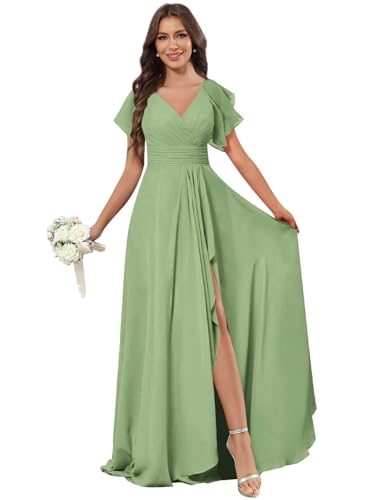
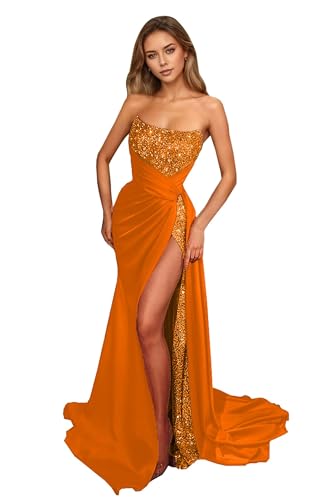
women’s formal dresses and gowns include formal midis, cocktail dresses, tea-length styles, floor-length gowns, ball gowns, jumpsuits, pantsuits, long sleeves, and plus-size eveningwear for black-tie weddings, galas, proms, military balls, formal dinners, ceremonies, holiday events, and professional functions. The product grid may combine different sellers, size systems, fabrics, and levels of formality, so compare the selected variation rather than relying on the category label. Confirm measurements, lining, closure, support, garment length, current delivery estimate, and return eligibility on the final retailer page.This page is the broad comparison hub for women deciding between formal dresses, gowns, and tailored alternatives. The main decision points are dress-code hierarchy, dress-versus-gown definitions, sizing systems, support, hem logistics, fabric, alterations, seller evidence, and outfit planning. Shoppers also use related phrases such as formal dresses and gowns for women, women’s evening dresses, black-tie gowns for women, and formal occasion dresses, but those terms can describe products with different construction or event requirements. Use the invitation, venue, wearer role, and actual garment evidence to decide whether a listing belongs in this category.Related shopping paths include formal dresses for women, formal gowns for women, formal evening dresses, and formal outfits for women. These links separate color, length, silhouette, age group, and dress-code intent so a shopper can move to a narrower category without treating near-synonyms as identical.


Women’s Sparkly Sequin Homecoming Dresses for Teens Short Prom Dress Backless Tight Formal Party Gown Turquoise Size 2
Original price was: $49.99.$34.99Current price is: $34.99.




Frequently Asked Questions About Women’s Formal Dresses and Gowns
What qualifies as women’s formal dresses and gowns?
Women’s formal dresses and gowns should match the stated dress code through length, fabric, lining, support, and construction rather than the product title alone.
Which measurements should I take?
Measure bust, natural waist, full hip, shoulder width, upper arm when relevant, torso length, height, and the required garment length in the intended undergarments.
How do I choose the correct length?
Use the actual shoulder-to-hem or hollow-to-floor measurement with the planned shoes, then test stairs, sitting, and walking.
Can this category work for a wedding?
It can when the invitation, venue, wearer role, color etiquette, coverage, and construction support the choice.
What fabric details matter most?
Check fiber content, lining, stretch, surface finish, transparency, backing, seam placement, and care requirements.
How should the neckline fit?
It should remain secure while sitting, bending, raising the arms, and moving without exposing support garments or requiring repeated adjustment.
Can these dresses be altered?
Many can, but beadwork, lace borders, corset boning, velvet, pleats, layered hems, and structured sleeves can require specialist work.
How early should I order?
Allow time for delivery, inspection, exchange, tailoring, steaming, and a complete outfit rehearsal before the event.
What should I verify before checkout?
Confirm the seller, exact variation, measurements, fabric, lining, closure, included pieces, delivery date, return policy, and total expected cost.
Definition and Search Intent for Women’s Formal Dresses and Gowns
Women’s formal dresses and gowns should be classified by the garment that arrives, not by a seller’s promotional heading. Relevant evidence includes the actual silhouette, hem position, fabric weight, lining, closures, and support. In this category, likely products include formal midis, cocktail dresses, tea-length styles, floor-length gowns, ball gowns, jumpsuits, pantsuits, long sleeves, and plus-size eveningwear. A listing that omits these details should be treated as uncertain even when its title repeats the target phrase. Within the formal dresses and gowns for women search, this section should resolve dress-code hierarchy before two visually similar listings are treated as equivalent.
This page is the broad comparison hub for women deciding between formal dresses, gowns, and tailored alternatives. That boundary matters because formal dresses and gowns for women can overlap in search results while serving a different wearer, length, or event. Keep products that match black-tie weddings, galas, proms, military balls, formal dinners, ceremonies, holiday events, and professional functions; remove options whose construction belongs to casual, club, office, bridal, or costume use unless that use is explicitly part of the category. Apply the women’s evening dresses test to formal midis intended for black-tie weddings; those conditions expose weaknesses that a studio pose or broad category label can hide.
Dress-Code Position
The correct level for women’s formal dresses and gowns comes from the invitation and venue. Black tie usually expects floor length or equivalent evening construction, formal can include refined long or selected midi designs, and semi-formal generally permits cocktail lengths or tailored alternatives. The same color or embellishment does not move a weakly constructed dress into a higher dress code. Within the women’s evening dresses search, this section should resolve dress-versus-gown definitions before two visually similar listings are treated as equivalent.
Compare the complete product against black-tie weddings, galas, proms, military balls, formal dinners, ceremonies, holiday events, and professional functions. A restaurant reception may tolerate less volume than a ballroom; a religious ceremony may require more coverage than the evening party; a school or professional venue may impose written rules. When wording is vague, choose the option with cleaner lining, stronger support, and easier movement rather than the most dramatic listing photo. Apply the black-tie gowns for women test to cocktail dresses intended for galas; those conditions expose weaknesses that a studio pose or broad category label can hide.
Silhouette and Proportion
Silhouette changes how women’s formal dresses and gowns fit and move. A-lines release below the waist, columns depend on clean vertical hang, bodycon shapes require recovery, and ball-gown volume needs space. For women, waist placement, torso length, bust depth, and hip ease are more useful than body-shape labels that promise a universal “flattering” result. Within the black-tie gowns for women search, this section should resolve sizing systems before two visually similar listings are treated as equivalent.
Inspect front, side, and back views of formal midis, cocktail dresses, tea-length styles, floor-length gowns, ball gowns, jumpsuits, pantsuits, long sleeves, and plus-size eveningwear. Look for a level waist seam, straight side seams, a centered zipper, and fabric that does not collapse or pull around the least flexible area. Choose the size for the structured bodice or lining; a generous skirt cannot compensate for shallow cups, a short torso, or tight armholes. Apply the formal occasion dresses test to tea-length styles intended for proms; those conditions expose weaknesses that a studio pose or broad category label can hide.
Fabric and Surface Finish for Women’s Formal Dresses and Gowns
Fabric determines whether women’s formal dresses and gowns look polished in person. Satin reflects seams and tension, chiffon depends on the lining, crepe gives a quieter surface, velvet absorbs light, sequins add weight, and stretch mesh can reveal the underlayer. Product photographs often show the best angle and lighting, so fiber content and construction notes deserve equal attention. Within the formal occasion dresses search, this section should resolve support before two visually similar listings are treated as equivalent.
For formal occasion dresses, compare weave, stretch percentage, backing, and finish. A lightweight fabric can suit warm venues but may cling or become transparent; a dense fabric can hold structure but trap heat. Check whether decoration crosses side seams or hems because that changes alteration cost, comfort, and the ability to repair loose beads or damaged lace. Apply the formal dresses and gowns for women test to floor-length gowns intended for military balls; those conditions expose weaknesses that a studio pose or broad category label can hide.
Lining, Opacity, and Structure
The lining often controls the true fit of women’s formal dresses and gowns. An outer layer may appear loose while a narrow lining restricts the bust, hips, stride, or seated comfort. Pale, metallic, sheer, and stretch fabrics need daylight and flash checks because lining color can change opacity and the apparent shade. Within the formal dresses and gowns for women search, this section should resolve hem logistics before two visually similar listings are treated as equivalent.
Review whether formal midis, cocktail dresses, tea-length styles, floor-length gowns, ball gowns, jumpsuits, pantsuits, long sleeves, and plus-size eveningwear are fully lined, partially lined, double layered, or dependent on a slip. Check lining length at slits and high-low hems, and confirm that it does not twist after walking. A dress that needs full relining, a custom modesty panel, or specialized shapewear may no longer fit the planned budget or timeline. Apply the women’s evening dresses test to ball gowns intended for formal dinners; those conditions expose weaknesses that a studio pose or broad category label can hide.
Neckline and Internal Support
Neckline stability is a structural issue for women’s formal dresses and gowns. Strapless, halter, off-shoulder, corset, plunge, and open-back designs require different bust depth, side coverage, and undergarment plans. Built-in cups do not guarantee support; they may be decorative, shallow, or placed incorrectly for the wearer’s torso. Within the women’s evening dresses search, this section should resolve fabric before two visually similar listings are treated as equivalent.
Try the intended bra or support solution before removing tags. Raise both arms, lean forward, sit, and turn from side to side. The neckline should not gap, roll, expose cups, or require constant pulling. Fashion tape can refine a stable edge, but it should not carry the weight of a loose bodice or replace missing internal construction. Apply the black-tie gowns for women test to jumpsuits intended for ceremonies; those conditions expose weaknesses that a studio pose or broad category label can hide.
Sleeves, Straps, and Arm Mobility
Sleeves and straps on women’s formal dresses and gowns must work through reaching, hugging, dancing, and outerwear. Measure shoulder width, upper arm, armhole depth, and sleeve length when the design is fitted. Lace or mesh sleeves may appear flexible yet bind at the lining, cuff, appliqué, or underarm seam. Within the black-tie gowns for women search, this section should resolve alterations before two visually similar listings are treated as equivalent.
Check whether straps are adjustable, detachable, elasticized, or purely decorative. Thin straps can stretch under skirt weight; off-shoulder bands may limit arm height; long sleeves can trap heat. Test the garment with the intended coat, wrap, or jacket so embellishment is not crushed and the neckline is not pulled out of position. Apply the formal occasion dresses test to pantsuits intended for holiday events; those conditions expose weaknesses that a studio pose or broad category label can hide.
Length, Hem, and Footwear for Women’s Formal Dresses and Gowns
Length labels for women’s formal dresses and gowns are not measurements. Mini, knee, midi, tea, ankle, and floor length fall differently according to height, torso proportion, shoe height, and skirt construction. Use the listed shoulder-to-hem or hollow-to-floor measurement and compare it with the wearer in the actual shoes. Within the formal occasion dresses search, this section should resolve seller evidence before two visually similar listings are treated as equivalent.
Complete a stair and seated test. The front hem should clear the shoe safely; a short hem should preserve coverage when sitting; a train should be manageable without an assistant unless help is planned. Lace borders, horsehair trim, sequins, pleats, and layered chiffon can make a seemingly simple shortening expensive. Apply the formal dresses and gowns for women test to long sleeves intended for professional functions; those conditions expose weaknesses that a studio pose or broad category label can hide.
Measurements and Seller Sizing
Seller sizing for women’s formal dresses and gowns is not standardized. Record bust, underbust when support matters, natural waist, full hip, shoulder width, upper arm, torso length, and required garment length. Measure over the intended bra and shapewear, then compare with the exact chart for the selected seller and variation. Within the formal dresses and gowns for women search, this section should resolve and outfit planning before two visually similar listings are treated as equivalent.
Choose the size from the least flexible area. Stretch in the outer fabric does not help when the lining, waistband, sleeve, or zipper panel is rigid. Reviews are most useful when they include height, body measurements, purchased size, exact color, and a specific fit observation rather than only “true to size.” Apply the women’s evening dresses test to plus-size eveningwear intended for black-tie weddings; those conditions expose weaknesses that a studio pose or broad category label can hide.
Sitting, Walking, and Dancing
A standing product image cannot show whether women’s formal dresses and gowns work for a full event. Walk quickly, use stairs, sit for at least ten minutes, reach, turn, and simulate dancing. Watch for riding hems, twisting side seams, opening wrap fronts, shifting cutouts, zipper strain, and lining that catches above the knee. Within the women’s evening dresses search, this section should resolve dress-code hierarchy before two visually similar listings are treated as equivalent.
Test movement in the planned shoes and undergarments. A high slit may rotate forward, a two-piece top may lift, sequins may abrade the arm, and a fitted skirt may shorten while seated. Keep the garment only when it remains secure without repeated adjustment through the activities expected at black-tie weddings, galas, proms, military balls, formal dinners, ceremonies, holiday events, and professional functions. Apply the black-tie gowns for women test to formal midis intended for galas; those conditions expose weaknesses that a studio pose or broad category label can hide.
Wedding and Ceremony Boundaries
Wedding use requires more than choosing attractive women’s formal dresses and gowns. Follow the invitation, ceremony customs, time of day, venue, and the wearer’s role. Avoid white, ivory, or bridal-looking construction unless approval is explicit, and do not intentionally duplicate the bridal party when the color palette is known. Within the black-tie gowns for women search, this section should resolve dress-versus-gown definitions before two visually similar listings are treated as equivalent.
For black-tie gowns for women, evaluate photographs from a distance. Pale linings, lace, tulle, trains, corsetry, and heavy beadwork can look more bridal than the product color name suggests. A guest outfit should remain respectful during the ceremony, practical for dining and dancing, and distinct from ceremonial attire in group pictures. Apply the formal occasion dresses test to cocktail dresses intended for proms; those conditions expose weaknesses that a studio pose or broad category label can hide.
Photography and Venue Lighting for Women’s Formal Dresses and Gowns
Lighting can change women’s formal dresses and gowns substantially. Satin becomes brighter under flash, velvet looks deeper, sequins create hotspots, black fabric can lose seam detail, and pale colors may wash toward white. Review customer photographs when available and take home pictures in daylight, warm indoor light, and direct flash. Within the formal occasion dresses search, this section should resolve sizing systems before two visually similar listings are treated as equivalent.
Check whether the selected shade or surface keeps its intended depth in venue-like lighting. Camera exposure can exaggerate wrinkles, lining edges, mesh color, and pulling. Photograph the front, side, back, and seated position; a product that works only in one mirror angle is not ready for black-tie weddings, galas, proms, military balls, formal dinners, ceremonies, holiday events, and professional functions. Apply the formal dresses and gowns for women test to tea-length styles intended for military balls; those conditions expose weaknesses that a studio pose or broad category label can hide.
Season, Temperature, and Outerwear
Seasonal suitability for women’s formal dresses and gowns depends on fabric, lining, sleeves, and venue temperature rather than a rigid color rule. Chiffon and crepe can reduce heat, velvet and brocade add warmth, and long sleeves may be comfortable outdoors but excessive in a heated ballroom. Within the formal dresses and gowns for women search, this section should resolve support before two visually similar listings are treated as equivalent.
Plan the transition between weather and the event. Check coat compatibility, rain or snow at the hem, grass or gravel, air conditioning, and storage after travel. A wrap or jacket should coordinate with the garment and fit over sleeves, bows, sequins, or shoulder details without crushing them. Apply the women’s evening dresses test to floor-length gowns intended for formal dinners; those conditions expose weaknesses that a studio pose or broad category label can hide.
Accessories Without Visual Competition
Accessories should clarify women’s formal dresses and gowns, not compete with every feature. Match metals to visible hardware or beadwork, reduce necklace scale around embellished necklines, and use a stable shoe for the venue surface. A simple bag is often more practical than a heavily textured piece that can snag lace, mesh, or sequins. Within the women’s evening dresses search, this section should resolve hem logistics before two visually similar listings are treated as equivalent.
Build the outfit around one leading element: color, neckline, texture, or silhouette. Repeat one controlled tone from formal midis, cocktail dresses, tea-length styles, floor-length gowns, ball gowns, jumpsuits, pantsuits, long sleeves, and plus-size eveningwear, or use black, nude, or a compatible metallic. Test earrings, hair, and outerwear around straps and shoulders so nothing catches, hides a key detail, or destabilizes the neckline. Apply the black-tie gowns for women test to ball gowns intended for ceremonies; those conditions expose weaknesses that a studio pose or broad category label can hide.
Alterations and Construction Limits
Alteration feasibility for women’s formal dresses and gowns depends on seam allowance and decoration. Plain hems and adjustable straps are usually simpler; corset boning, beaded side seams, lace borders, velvet pile, pleated skirts, and appliqué can require specialist work. Ask for an estimate before the return window closes. Within the black-tie gowns for women search, this section should resolve fabric before two visually similar listings are treated as equivalent.
Return a garment that misses several structural measurements instead of budgeting for reconstruction. Keep matching belts, jackets, and detachable straps with the dress during fittings. When color matching is necessary, remember that replacement fabric from another seller or dye lot may not match the received garment under daylight or flash. Apply the formal occasion dresses test to jumpsuits intended for holiday events; those conditions expose weaknesses that a studio pose or broad category label can hide.
Reviews, Seller Evidence, and Variations
Marketplace pages can group different sellers, fabrics, colors, or patterns under one listing for women’s formal dresses and gowns. Confirm the selected seller, brand field, exact variation, size chart, fiber content, included pieces, and current policy. Reviews may refer to another color or an older version of the product. Within the formal occasion dresses search, this section should resolve alterations before two visually similar listings are treated as equivalent.
Give more weight to recent reviews with measurements, photographs, and a precise issue. Compare front, side, and back images, and verify whether accessories, petticoats, jackets, belts, or cups are included. The final retailer page is the source of truth for price, stock, shipping, returns, and care at checkout. Apply the formal dresses and gowns for women test to pantsuits intended for professional functions; those conditions expose weaknesses that a studio pose or broad category label can hide.
Delivery Timing, Returns, and Total Cost
Total cost for women’s formal dresses and gowns includes tax, shipping, return fees, alterations, undergarments, shoes, outerwear, steaming, and cleaning. A low product price can become poor value when the item arrives late, is final sale, or requires several structural changes. Within the formal dresses and gowns for women search, this section should resolve seller evidence before two visually similar listings are treated as equivalent.
Order early enough for delivery, inspection, exchange, tailoring, and a full outfit rehearsal before black-tie weddings, galas, proms, military balls, formal dinners, ceremonies, holiday events, and professional functions. Save screenshots of the selected seller, color, size chart, and promised date. Keep tags and packaging until the garment passes movement, lighting, and complete-outfit tests. Apply the women’s evening dresses test to long sleeves intended for black-tie weddings; those conditions expose weaknesses that a studio pose or broad category label can hide.
Final Home Fitting and Approval
Before keeping women’s formal dresses and gowns, verify the exact seller, color or variation, size chart, measurements, fabric, lining, closure, support, length, care, delivery, and return terms. Then repeat the fit test with the intended shoes, undergarments, outerwear, jewelry, and bag. Within the women’s evening dresses search, this section should resolve and outfit planning before two visually similar listings are treated as equivalent.
Keep the product that works through the real schedule for black-tie weddings, galas, proms, military balls, formal dinners, ceremonies, holiday events, and professional functions, not merely the option that looks strongest in one standing photograph. Return any garment that needs constant adjustment, uncertain reconstruction, or unplanned spending to correct a fundamental problem with fit, coverage, color, or dress-code level. Apply the black-tie gowns for women test to plus-size eveningwear intended for galas; those conditions expose weaknesses that a studio pose or broad category label can hide.