
Formal Clothes for Women
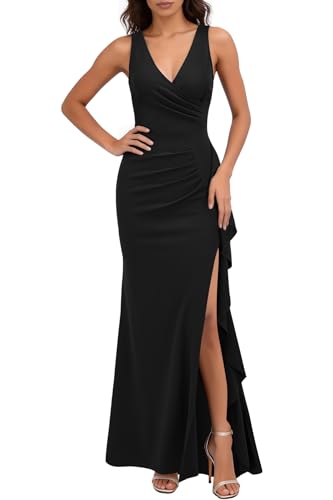
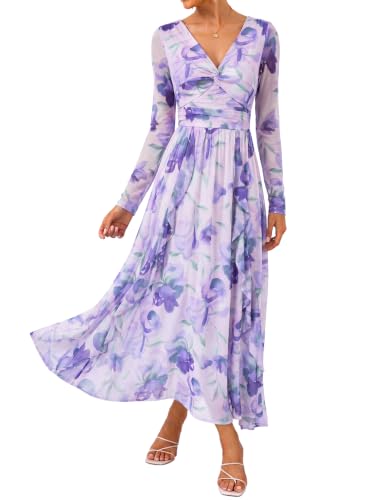
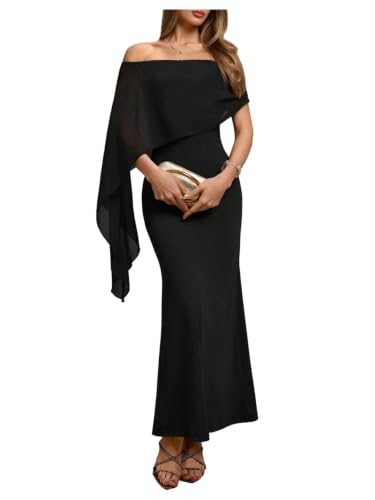
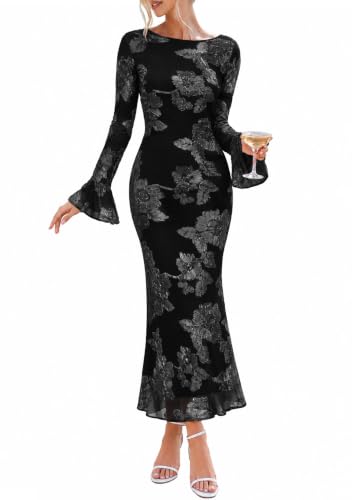
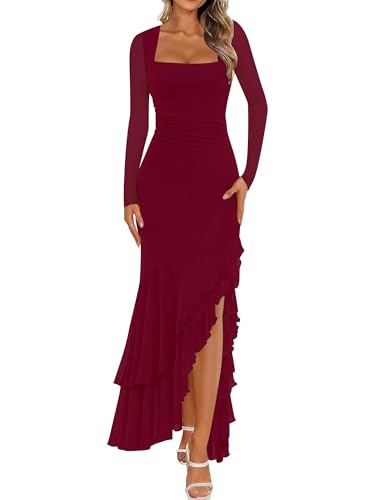
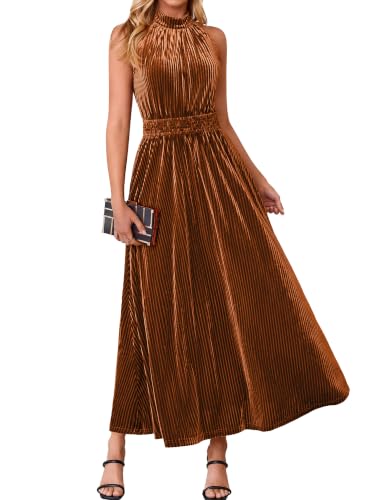
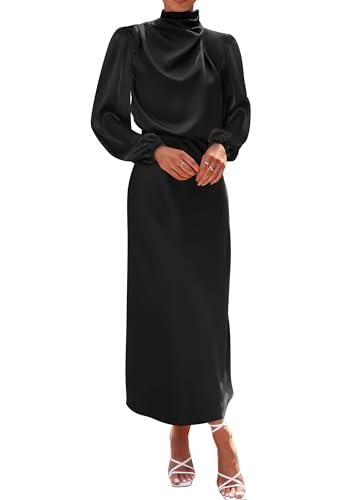
formal clothes for women include formal dresses, evening gowns, dressy jumpsuits, tailored pant suits, skirts, jackets, and coordinated separates for black-tie weddings, galas, award dinners, ceremonies, formal work functions, religious events, and evening receptions. The product grid below may contain several silhouettes, fabrics, lengths, sleeve options, and size ranges from different sellers, so use the category as a comparison starting point rather than proof that every listing meets the same dress code.The phrase formal clothes for women can cover products with very different construction, sizing, formality, and return terms. Confirm the exact seller, selected color and size, garment measurements, fabric, lining, closure, delivery estimate, care instructions, and return eligibility on the final retailer page before ordering.Related shopping paths include formal dresses for women, formal jumpsuits for women, formal pant suits for women, and formal evening dresses. These collections separate audience, occasion, garment type, length, and coverage intent so shoppers can narrow the product grid without treating closely related keywords as identical.



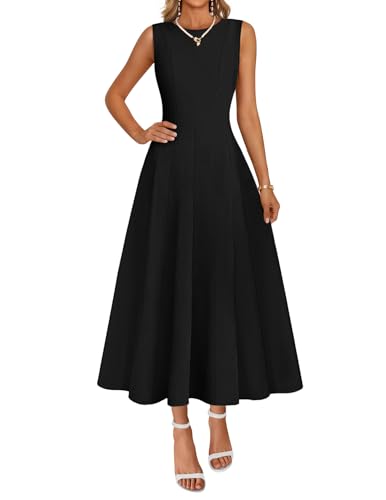


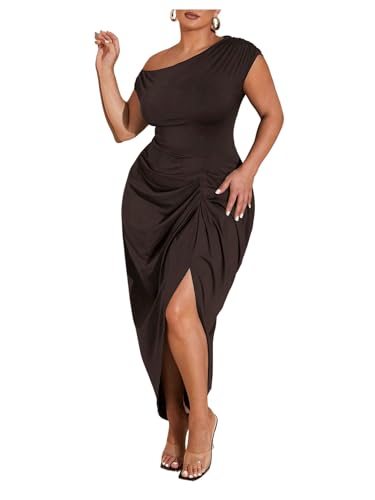


Frequently Asked Questions About Formal Clothes for Women
What are formal clothes for women?
Formal clothes for women include event-appropriate dresses, evening gowns, jumpsuits, pant suits, coordinated sets, jackets, and polished separates selected for the stated dress code.
Do women have to wear a dress to a formal event?
No. A tailored formal jumpsuit, evening suit, or coordinated trouser outfit can work when the fabric, fit, and styling match the event.
What is the difference between formal and black tie?
Formal is a broad category, while black tie usually calls for elevated eveningwear and commonly favors a floor-length gown or an equally polished alternative.
Can a midi dress be formal?
Yes. A refined, lined midi can suit many formal, wedding, dinner, and professional events, although strict black tie usually favors floor length.
Which fabrics look most formal?
Satin, mikado, velvet, crepe, chiffon, organza, lace, jacquard, sequins, and beaded fabrics can look formal when the construction and fit are appropriate.
Can I wear a formal jumpsuit to a wedding?
Yes, when it matches the invitation, avoids bridal colors, and has elevated fabric, tailoring, coverage, and accessories.
How should formal clothes fit?
They should remain secure through the neckline, shoulders, waist, hips, sleeves, or rise while allowing normal breathing, sitting, walking, and stairs.
How early should I order formal clothing?
Order early enough for delivery, inspection, exchange, tailoring, steaming, and a complete outfit test before the event.
What should I verify before ordering?
Check the final seller, exact size chart, measurements, fabric, lining, closures, included pieces, delivery date, returns, care, and dress-code suitability.
What Counts as Formal Clothes for Women
Formal clothes cover more than a single gown. The category can include floor-length dresses, cocktail-length options, jumpsuits, trouser suits, coordinated separates, jackets, and culturally specific ceremonial clothing when the host accepts them. The decisive evidence appears in the garment’s structure and behavior, not in the number of flattering product photographs. When comparing formal clothes for women, this point deserves an explicit place in the shortlist. Use it to narrow the shortlist before comparing accessories.
Confirm the written dress code, venue, time of day, host expectations, and whether the event includes a ceremony, dinner, stage appearance, or dancing. Repeat the check with the planned shoes and base layers so proportions do not change after approval. Choose the outfit type only after the required level of formality is clear; a polished garment in the wrong category can still look underdressed.
Formal, Black Tie, and White Tie
Formal attire is broad, black tie usually expects elevated evening clothing, and white tie is the most ceremonial Western dress code. Retailers often blur these terms to capture more searches. This decision should be made before accessories are used to polish the outfit, because styling cannot correct weak construction. This makes the advice useful before purchase and again when the order arrives.
Compare invitation wording with the garment length, fabric, construction, neckline, and accessories instead of trusting a product tag. Use the least flexible layer as the sizing constraint, even when the outer fabric appears forgiving. For strict black tie or white tie, favor full-length, refined construction and secure support rather than a daytime midi marketed as formal.
Formal Dresses and Evening Gowns
Dresses remain the largest part of women’s formal wear, but length alone does not determine suitability. A lined crepe midi can outperform a thin casual maxi, while a structured satin gown may meet a much stricter invitation. The goal is not maximum decoration; it is a controlled result that reads correctly from a normal viewing distance. The same reasoning applies across straight, petite, tall, and plus-size ranges.
Inspect lining, opacity, seam quality, closure, hem, internal support, and how the fabric photographs. Read the care label before steaming or pressing, especially around adhesives, sequins, velvet, and synthetic satin. Match the silhouette to the event and body measurements, then use styling to complete the formality rather than trying to rescue a weak base garment.
Formal Jumpsuits and Trouser Suits
A tailored jumpsuit or evening pant suit can be an appropriate alternative to a dress at many formal weddings, dinners, awards events, and professional ceremonies. Fabric, cut, and finishing determine whether it reads as eveningwear or officewear. This consideration protects against buying a garment that photographs well while failing at the neckline, waist, sleeve, or hem. That is the point at which style preference becomes a workable purchase decision.
Check torso length, rise, seat, shoulder mobility, trouser break, jacket fit, and restroom practicality. Review the result in daylight and flash, since dark or reflective fabrics can hide problems indoors. Select substantial crepe, satin, velvet, jacquard, or another elevated material and coordinate footwear and jewelry with the outfit’s strongest line.
Dressy Separates and Coordinated Sets
Formal skirts, embellished tops, corset-style bodices, jackets, and matching sets can create a flexible outfit when the pieces share color, fabric weight, and formality. Unrelated separates may look improvised. It can also determine whether the item is reusable for another event or too specialized to justify the total cost. When comparing formal clothes for women, this point deserves an explicit place in the shortlist. A realistic home fitting is the fastest way to expose the difference.
Test the waist connection while standing and seated, check for exposed skin or bunching, and confirm that zippers, hooks, and waistbands remain hidden. Give more weight to reviews that state measurements, purchased size, and the exact variation. Keep the set when it reads as one deliberate look from a normal viewing distance and remains stable during movement.
Fabrics That Read as Formal
Satin, mikado, velvet, chiffon, georgette, crepe, lace, organza, tulle, sequins, and beaded mesh can support formal clothing, but each behaves differently under light, heat, movement, and alteration. Details that seem minor online can become the main source of discomfort or visible pulling after an hour of wear. This is especially relevant when the return window is short.
Review fiber content, lining, stretch, wrinkle recovery, transparency, weight, care, and likely tailoring needs. Check the venue surface and seating layout before accepting a long hem, train, or wide skirt. Choose fabric for the season and schedule, not only the product photograph; comfort and recovery matter during a multi-hour event.
Choosing Length and Silhouette
Floor length is common for black tie, while midi, tea length, and polished cocktail lengths can work for formal, black-tie optional, and professional events depending on context. This factor often determines whether a purchase needs a simple adjustment or an uneconomical reconstruction. The garment should be judged as part of an outfit and a schedule, not as an isolated image.
Measure shoulder-to-hem or hollow-to-floor in the intended shoes and check slit height, train length, seated coverage, and stair clearance. Allow enough time to exchange the product rather than treating tailoring as the only solution. Use proportion and venue practicality to choose among column, A-line, fit-and-flare, sheath, wrap, mermaid, and ball-gown shapes.
Necklines, Sleeves, and Coverage
Coverage affects support, dress-code suitability, temperature, and the choice of undergarments. Strapless, halter, low-back, one-shoulder, sleeved, and high-neck designs create different fitting risks. The purchase should make sense in daylight, indoor lighting, and flash rather than only in the retailer’s chosen lighting. The complete outfit should support the wearer rather than demand constant attention.
Raise both arms, bend, sit, and photograph the outfit from front, side, and back with the planned bra or support solution. Make the decision while there is still enough time for a replacement to arrive. Reject any neckline or sleeve that needs constant adjustment; stability is part of a polished formal appearance.
Color, Print, and Event Etiquette
Black, navy, jewel tones, pastels, metallics, florals, and neutrals can all work, but weddings, cultural ceremonies, and branded events may have specific color boundaries. The comparison should therefore include the received garment’s likely behavior, not just its advertised silhouette. No product title can substitute for that verification.
Check the invitation, couple or host guidance, bridal-party palette, photography conditions, and whether pale shades look white under flash. Use the event’s written guidance as the final authority when style advice and host expectations differ. Choose a color that respects the event and coordinates with existing shoes, bag, outerwear, and jewelry.
Plus-Size, Petite, and Tall Fit
Size labels are not standardized, and formal clothing often combines rigid bodices, fitted linings, sleeves, and long hems that expose proportion problems. A visually similar alternative may require a different size, base layer, alteration plan, or level of formality. When comparing formal clothes for women, this point deserves an explicit place in the shortlist. A strong product page should make these tradeoffs easier to see.
Use bust, underbust, waist, hip, shoulder, upper-arm, torso, rise, inseam, and full-length measurements as relevant to the garment. Test the garment in the room temperature and outerwear expected for the event when possible. Buy for the least flexible area and plan only realistic alterations; a full skirt or stretch label does not correct a shallow bust or short torso.
Bras, Shapewear, and Base Layers
The correct base layer can smooth a formal outfit, but it cannot repair structural sizing. Low backs, cutouts, pale fabrics, sheer panels, and fitted trousers limit support options. Photographic impact matters, but it should not outweigh closure security, lining, proportion, and movement. It also helps distinguish a formal garment from a casual item presented with formal styling.
Test skin-tone undergarments under daylight and flash and confirm that straps, cups, seams, and shapewear edges remain concealed. Include the intended bag, coat, or wrap when they could catch or compress the garment. Choose the support plan before the return window closes and avoid unsafe taping or compression for an all-evening event.
Shoes, Bags, Jewelry, and Outerwear
Accessories can raise or lower the complete outfit. Formal shoes, an evening bag, controlled jewelry, and a compatible coat or wrap should support the clothing rather than compete with it. This detail can change both the visible formality and the hidden cost of making the garment wearable. The result should remain polished after sitting, walking, and normal social movement.
Match metals to dress hardware, consider walking surfaces, and test whether the coat crushes sleeves, bows, velvet, sequins, or structured shoulders. Keep tags and packaging intact until this test is complete and photographed. Prioritize stable footwear and one clear accessory direction so the outfit remains coherent in photographs and during movement.
Formal Clothes for Weddings
Wedding attire depends on dress code, venue, season, culture, and the wearer’s role. Guest clothing, mother-of-the-bride attire, bridesmaid looks, and rehearsal-dinner outfits have different boundaries. This is where accurate measurements and current seller information create more value than generic style claims. It also protects the event budget from several small, avoidable expenses.
Avoid bridal white or ivory unless approved, confirm color coordination for close family, and check ceremony coverage requirements. Confirm that the recommendation still works with the ceremony, meal, photographs, and dancing. Choose respectful clothing that remains comfortable through the ceremony, meal, photographs, and dancing without competing with the wedding party.
Formal Clothes for Work and Ceremonies
Corporate galas, awards dinners, academic events, and religious ceremonies may be formal while still requiring professional or modest presentation. This is one of the points where a shopper can separate genuine event suitability from broad occasionwear marketing. This keeps decorative preference from overruling a critical fit issue.
Review neckline, transparency, slit, branding, sleeve mobility, stage lighting, seated length, and whether a jacket is required. Keep a written measurement record so competing products can be compared consistently. Favor controlled tailoring and repeat-wear potential over nightlife details when colleagues, clients, or institutional photographs are involved.
Movement, Seating, and All-Evening Comfort
A formal outfit must function through walking, stairs, sitting, eating, greetings, dancing, and transportation. Styled images rarely show these stress points. Retailer terminology is inconsistent enough that the selected variation must be evaluated on its own evidence. When comparing formal clothes for women, this point deserves an explicit place in the shortlist. It also gives measurements and seller terms a clear place in the decision.
Perform a ten-minute seated test, walk in the intended shoes, use stairs, reach forward, and check closures and waistbands afterward. If the item fails one critical requirement, remove it from the shortlist before comparing decorative details. Keep the outfit only when it returns to position without pulling, twisting, riding, or exposing the lining.
Alterations and Tailoring Risk
Hems, straps, sleeve length, trouser break, and modest side-seam changes are often manageable. Corsetry, beading, lace motifs, structured shoulders, pockets, and complex draping can be expensive to alter. A better category page should answer this question directly rather than leaving the shopper to infer it from model images. That standard is more reliable than choosing by model height or usual size alone.
Obtain a tailoring estimate before removing tags and bring shoes, undergarments, jackets, and any detachable pieces to fittings. Do not remove hygiene liners, alter the garment, or discard packaging until the result is approved. Return clothing that misses several structural measurements instead of paying to rebuild the pattern.
Delivery, Returns, and Seller Verification
Marketplace and affiliate categories may combine products from multiple sellers with different charts, shipping windows, return fees, and care terms. Current details can change after a category page is updated. It is also a reminder that fit is three-dimensional and cannot be confirmed from a front-facing image alone. The final seller page should resolve any conflict between the category copy and the current listing.
Verify the final seller, selected variation, stock, measurements, delivery estimate, return eligibility, included pieces, and final-sale restrictions. Make sure the wearer can manage closures and restroom use without unplanned assistance. Save order evidence and keep packaging until the entire outfit passes inspection and movement testing.
Final Formal Outfit Checklist
A strong formal purchase aligns dress code, fit, construction, comfort, color, accessories, weather, and seller terms. No single product title can confirm all of those requirements. A careful decision here reduces the chance of late returns, emergency tailoring, and unsuitable backup purchases. That approach keeps the page aligned with commercial shopping intent rather than generic inspiration.
Review the outfit in daylight, indoor light, and flash; sit, walk, use stairs, and test every closure with the intended shoes and base layers. Check the same area after ten minutes of sitting, because fabric and linings can shift under pressure. Approve the purchase only when it works as a complete formal outfit without expensive emergency fixes.