
Plus Size Long Formal Dresses With Sleeves
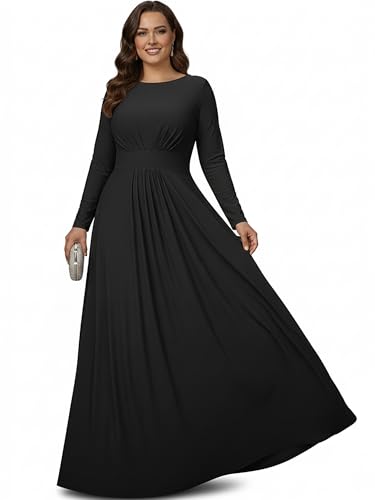
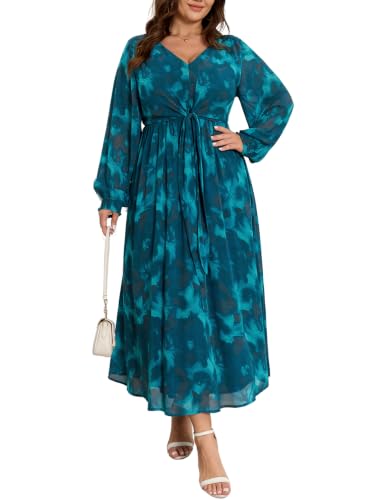
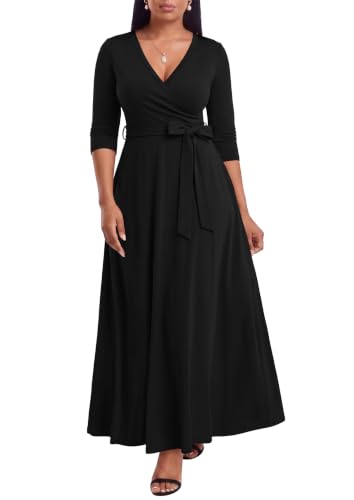
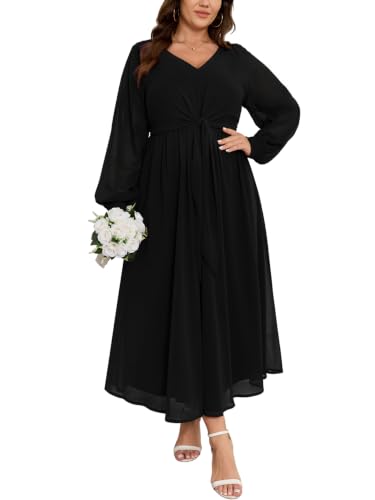
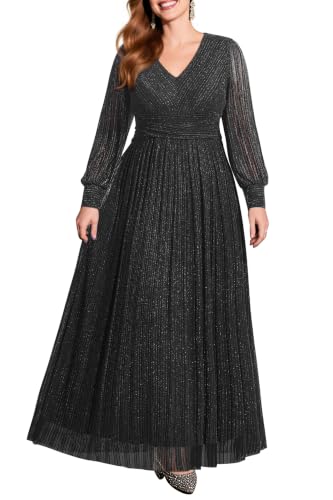
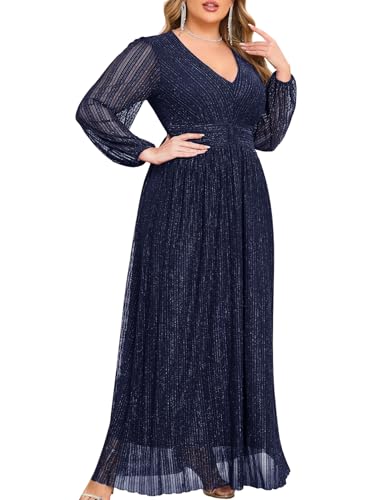
This is one of the harder combinations to find in formal wear, and this collection exists because of that: eight in ten listings are plus size, eight in ten are floor length, and eight in ten have sleeves of some kind.Chiffon leads the fabrics at a third, followed by lace at a fifth and beaded styles at around one in six. Bridesmaid styles account for around a third and mother-of-the-bride styles for roughly one in eight, which is higher than in most formal collections.For short options in extended sizing, see plus size short formal dresses.








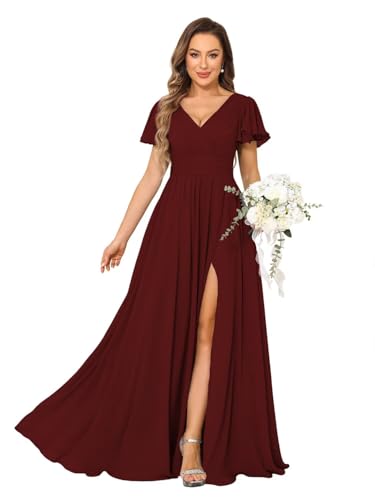


Plus Size Long Formal Dresses With Sleeves: Frequently Asked Questions
Why are sleeved plus size formal gowns hard to find?
A sleeve adds pattern pieces and must be graded for upper arm circumference independently of the bodice, which many manufacturers avoid. Sleeveless designs also fit acceptably across more body shapes, so they sell across a wider size range.
Which sleeve type is easiest to fit?
Illusion mesh, because it stretches and moves and avoids the upper arm fit problem almost entirely. A chiffon overlay or cape sleeve also covers without touching the arm, which suits anyone who dislikes fabric close to it.
How do I measure my upper arm?
Around the fullest part with the arm relaxed at your side, then add at least two inches for comfort and more for a fitted non-stretch sleeve. Compare against the listing's bicep measurement where one is given.
Can a tight sleeve be let out?
No. Formal sleeves are cut with minimal seam allowance and are usually lined. If the arm is wrong, the dress is wrong, so order the size that fits your arm and have the body taken in.
What is armhole depth and why does it matter?
It is separate from sleeve width and causes discomfort rather than visible tightness. A shallow armhole restricts arm lift, which matters across a six-hour event. Test it by raising both arms: if the whole bodice lifts, the armhole is too shallow.
Which sleeve fabric is most comfortable?
Chiffon, the most common here at a third of the collection. It is light enough that a full sleeve adds no warmth and it moves with the arm. Beaded sleeves add weight where you feel it most over a long evening.
Why are some listings described as sleeveless?
Usually because the sleeve is a detachable piece or a matching jacket rather than part of the dress. Around one listing in five here falls into that group, so check the photographs.
Are these suitable for a religious ceremony?
Yes, sleeved floor-length gowns are the standard requirement where coverage is expected, and this is one of the better places on the site to find them in extended sizes.
Which measurements do I need?
Six: bust, underbust, waist, hip, upper arm and height. That is more than most dresses require, and all six matter for a sleeved floor-length gown.
Why This Combination Is Scarce
Sleeved formal wear is less common than sleeveless across the whole market, and in extended sizes it is scarcer still. There are two reasons worth knowing, because they explain what to look for.
The first is manufacturing. A sleeve adds pattern pieces, seams and fitting complexity, and in extended sizes the sleeve must be graded for upper arm circumference independently of the bodice. Many manufacturers avoid the cost by producing sleeveless styles and letting the buyer add a wrap.
The second is that sleeveless designs sell across a wider size range without alteration. A sleeveless gown fits acceptably across more body shapes than a sleeved one does, because there is no arm fit to get wrong.
The practical consequence: when you find a sleeved plus formal gown in your size, the size range is often narrower than for a comparable sleeveless style, and it is worth ordering sooner rather than continuing to browse.
Sleeve Types and What Each Solves
Illusion mesh sleeve. Sheer mesh, often with lace or beading applied. Gives the appearance of coverage without warmth, and avoids the upper arm fit problem almost entirely, since mesh stretches and moves. The most common option here.
Chiffon overlay or cape sleeve. A loose panel falling from the shoulder rather than a fitted tube. Covers without touching, which suits anyone who dislikes fabric close to the arm.
Fitted long sleeve. The most formal reading and the most demanding on fit. Requires an accurate upper arm measurement.
Three-quarter and bracelet sleeve. Ends below the elbow, away from the fullest part of the arm, and is the most comfortable option for a long event.
Cap and flutter sleeve. Covers the shoulder only. Technically sleeved, though it does not provide upper arm coverage, which is what most people are looking for here.
Around one listing in five in this collection is described as sleeveless despite the category, usually because the sleeve is a detachable piece or a matching jacket rather than part of the dress. Check the photographs.
The Upper Arm Measurement
This is the measurement that decides whether a sleeved gown works, and it is the one most often absent from listings.
Measure around the fullest part of your upper arm with the arm relaxed at your side. Add at least two inches for comfort, more for a fitted non-stretch sleeve. Compare against the listing where a bicep measurement is given.
Where the listing does not give one, look for reviews mentioning arm fit specifically. In extended-size formal wear this is one of the most commonly discussed points in reviews, so the information is usually there even when the listing omits it.
A sleeve that binds cannot be let out, because formal sleeves are cut with minimal seam allowance and often lined. If the arm is wrong, the dress is wrong.
Armhole Depth
A separate issue from sleeve width, and the one that causes discomfort rather than visible tightness.
A shallow armhole restricts how far you can lift your arm. In a gown worn for six or seven hours, involving embracing people, raising a glass and being photographed with arms raised, this matters more than it seems when standing still in front of a mirror.
Test it on arrival: put the dress on and raise both arms above your head. If the whole bodice lifts with them, the armhole is too shallow. That cannot be fixed by alteration in any economical way.
Fabric
Chiffon, at a third of this collection, is the most common and the most practical. It is light enough that a full sleeve does not add warmth, and it moves with the arm rather than resisting it.
Lace, at a fifth, is the most formal-reading sleeve fabric and the one most likely to appear on mother-of-the-bride styles. Corded lace is warmer and holds shape; lighter lace drapes and breathes.
Beaded styles account for around one in six. Beading on a sleeve adds weight at the point you feel it most, and over a long evening a heavily beaded sleeve is noticeably more tiring than a plain one.
Satin sleeves appear in around one listing in eleven and are the least forgiving, showing arm shape more clearly than any other fabric.
Occasions
Bridesmaid styles account for around a third of the collection and mother-of-the-bride styles for roughly one in eight, the latter being notably higher than in most formal ranges.
Sleeved floor-length gowns are the standard requirement for religious ceremonies with coverage expectations, and this collection is one of the better places on the site to find them in extended sizes.
Evening wear accounts for around a third, and prom for roughly one in six, so some filtering is needed if you are shopping for an adult occasion.
Sizing and Alterations
Eight in ten listings are plus size and around one in twenty-five is petite.
Take bust, underbust, waist, hip, upper arm and your height. That is more measurements than most dresses need, and all six matter here.
Sleeve length shortens easily on a plain cuff and expensively on a beaded or lace-edged one. Side seams and hems alter normally. Arms and armholes do not. Order the size that fits your arm and have the body taken in, rather than the reverse. The US size chart covers the extended-size ranges used across these labels.
Related Collections
For short styles in extended sizing, see plus size short formal dresses. For the full extended range, browse formal dresses for plus size women. For mothers specifically, see mother of the bride dresses.