
Black and Gold Formal Dresses for Women
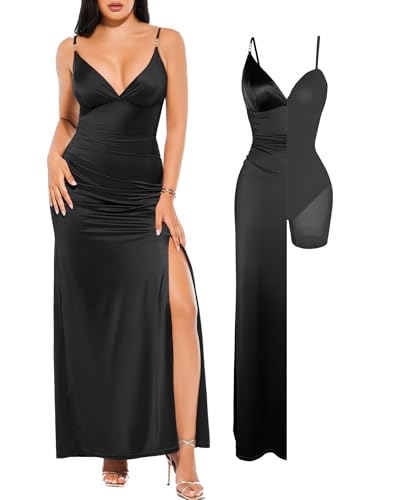
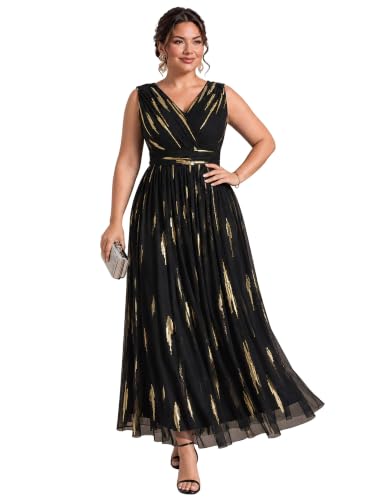
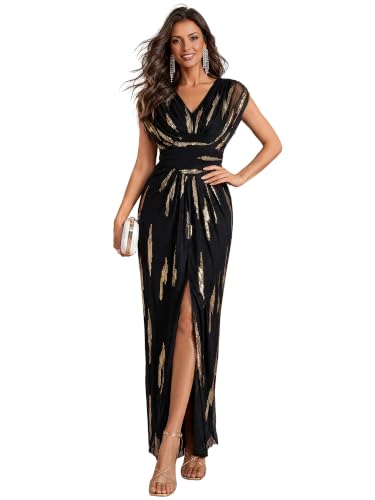
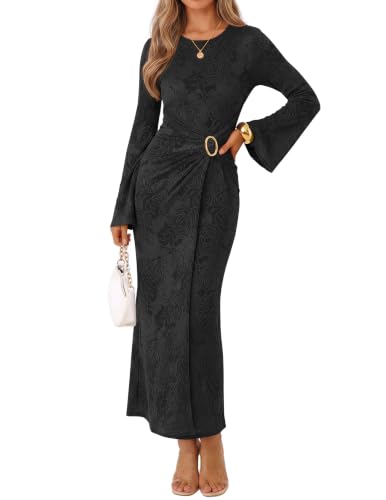
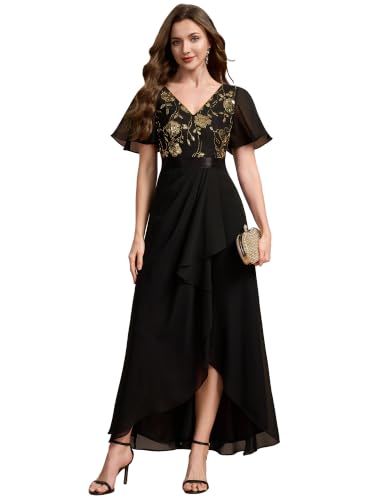
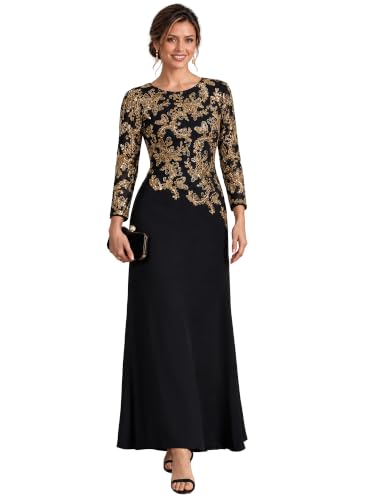
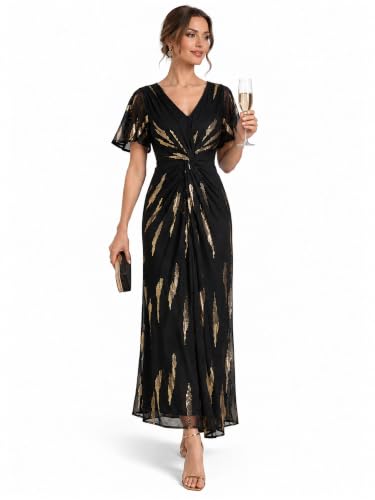
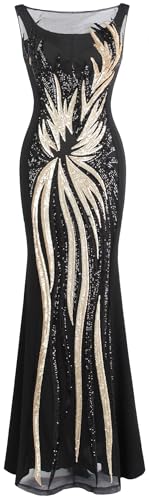
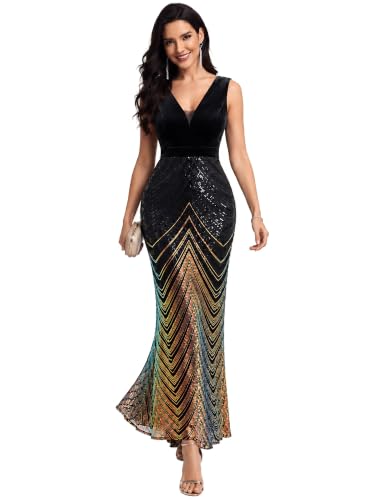
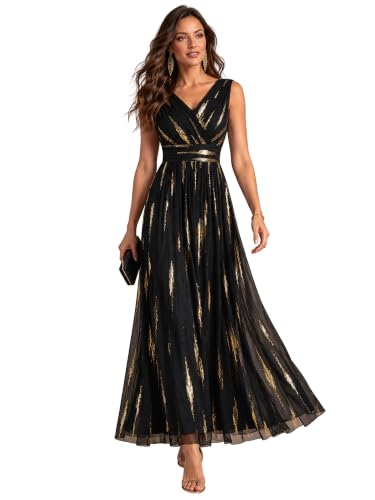
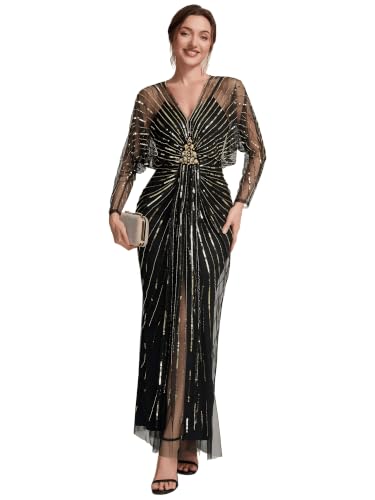
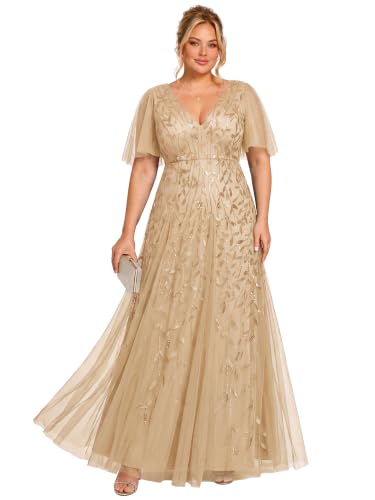
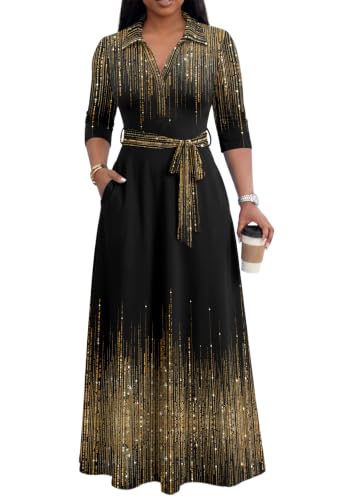
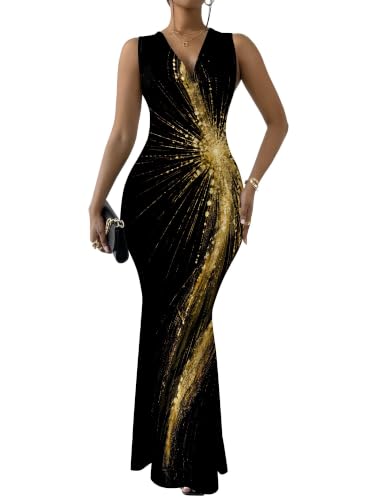
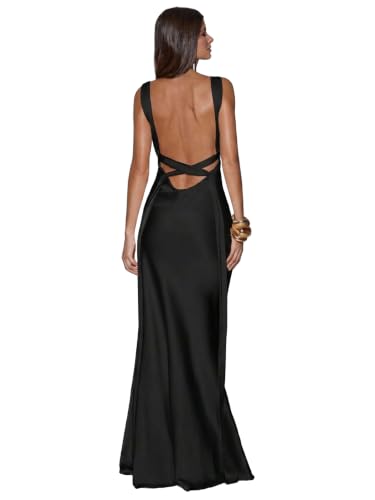
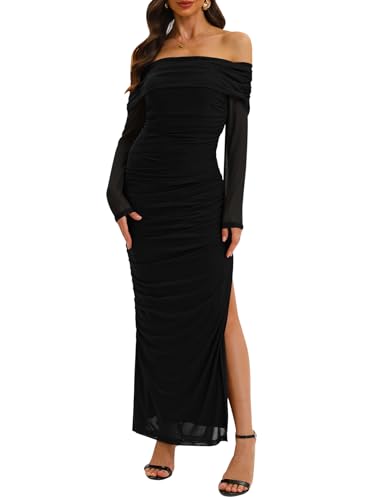
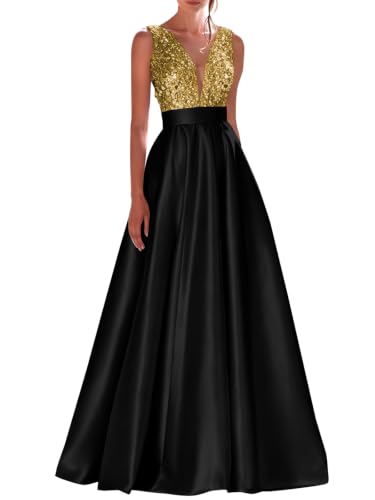
black and gold formal dresses for women include high-contrast evening styles for galas, weddings, holiday events, proms, military balls, formal dinners, and black-tie optional occasions. The product grid below may include sequin gowns, metallic embroidery, gold lace over black lining, jacquard, beaded mesh, printed midis, one-shoulder styles, and plus-size designs. Compare silhouette, fabric, length, neckline, sleeves, closure, and event suitability before opening the final retailer listing.Black-and-gold may describe applied decoration, woven metallic fabric, printed motifs, or separate color panels; each construction reflects light and alters differently. Product names and sizing conventions vary across sellers, so confirm measurements, fabric composition, lining, care, delivery timing, and return terms on the linked retailer page. The dress should remain stable while sitting, walking, reaching, and using stairs in the planned shoes and underlayers.Related shopping paths include formal dresses, gold formal dresses, black formal dresses, and black formal gowns. These categories separate the main search by color, length, silhouette, and dress-code level.




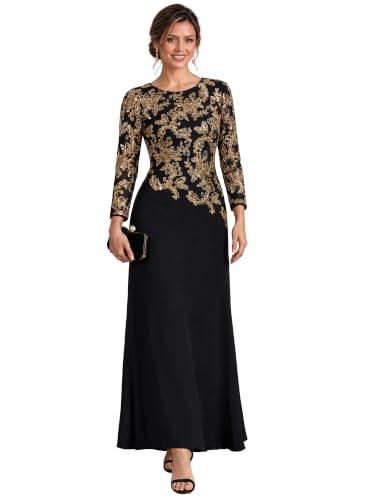

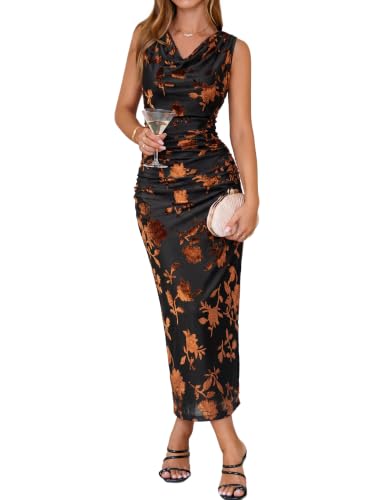
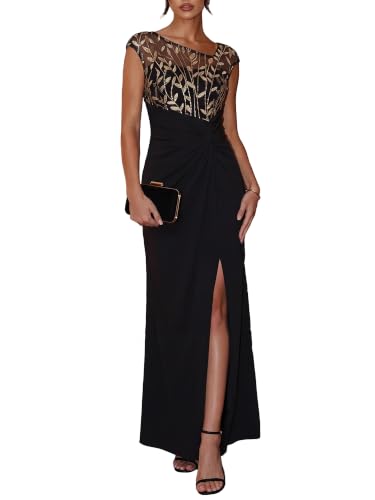
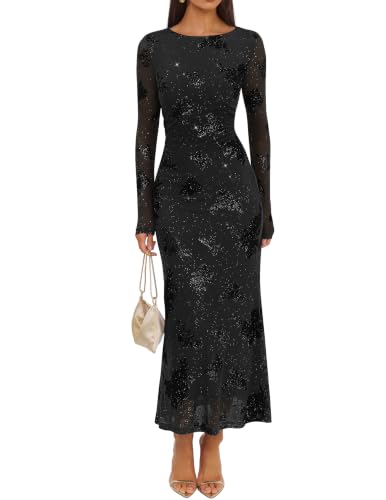
Frequently Asked Questions About Black and Gold Formal Dresses for Women
What counts as a black-and-gold formal dress?
It may use a black base with gold sequins, embroidery, lace, metallic thread, print, beading, hardware, or color-blocked fabric.
Which events suit black-and-gold formal dresses?
Formal weddings, galas, holiday parties, black-tie optional events, proms, military balls, and evening celebrations may suit them.
Can I wear black and gold to a wedding?
Usually, when the dress code and couple’s preferences allow black and metallic colors and the dress does not resemble bridal attire.
Should jewelry match the exact gold tone?
It should coordinate closely. Compare yellow gold, champagne, bronze, rose gold, and antique finishes beside the actual dress.
Do gold sequins photograph brightly?
They can reflect direct flash strongly, so test the dress in flash and venue-like lighting.
Are black-and-gold dresses difficult to alter?
They can be when beads, sequins, embroidery, lace, or metallic panels cross seams and hems.
What shoes work with black-and-gold dresses?
Black, coordinated gold, bronze, champagne, or selected neutral shoes can work depending on the dress tone and event.
How should I store an embellished dress?
Use a protective garment bag, supportive hanger, and smooth surrounding materials that will not catch the decoration.
What should I verify on the retailer page?
Check the exact gold tone, pattern placement, fabric, lining, size chart, embellishment, closure, delivery, returns, and care.
Defining a Black-and-Gold Formal Dress
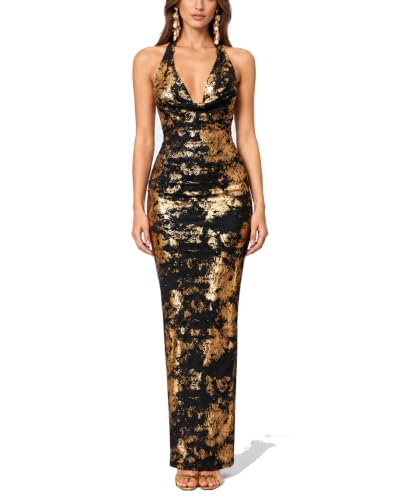
Black-and-gold formal dresses combine a dark base with metallic thread, sequins, beads, lace, print, embroidery, hardware, or color-blocked panels. Confirm the exact color name and examine close-up images before choosing shoes or jewelry.
The gold may read as yellow gold, champagne, bronze, rose gold, or antique metallic depending on material and light. A warm champagne motif and a bright yellow-gold sequin surface will coordinate very differently.
Printed, Embroidered, and Color-Blocked Designs
Large panels create stronger contrast, while embroidery and foil prints distribute gold in smaller areas. The placement of gold determines whether the dress appears graphic, ornamental, or softly metallic.
Inspect pattern placement at the bust, waist, side seams, and hem in the exact size and variation. Random print placement may differ from the sample image, especially on cut-and-sew fabrics.
Black Dresses with Gold Sequins
Gold sequins create high contrast against black and increase garment weight, reflection, and abrasion risk. All-over sequins, linear patterns, scattered motifs, and ombré layouts behave differently in flash photography.
Specialist alterations may be required when sequins cross side seams, straps, or the hem. Check underarm comfort, lining coverage, loose sequins, and snag points before removing tags.
Gold Lace and Appliqué on Black
The effect depends on lace scale, backing color, appliqué edges, and whether metallic yarn feels rough against the skin. Review close-up photographs and test necklaces, wraps, and bags for snagging.
Gold lace over black lining produces depth without the mirror-like reflection of sequins. Alterations through appliqué can interrupt motifs or expose visible stitch lines.
Choosing the Dress-Code Level
Use a refined midi for cocktail settings and reserve heavily beaded floor-length designs for events that support greater visual impact. Black-and-gold combinations can suit cocktail, formal, black-tie optional, gala, holiday, prom, and selected wedding events.
Length, fabric structure, gold coverage, and skirt volume establish the final level of formality. The color combination alone does not make a short jersey dress black-tie appropriate.
Long Black-and-Gold Gowns
Floor-length black-and-gold gowns emphasize the vertical pattern and require accurate hem planning. Use black formal gowns when length and gown construction are more important than the metallic accent.
Mermaid, column, A-line, and ball-gown skirts distribute metallic detail differently during movement. Check whether the gold continues across the back and whether the train or hem can be shortened without damaging the design.
Short and Midi Black-and-Gold Dresses
Jacquard, beaded mesh, sequins, satin, and structured crepe usually read more formal than thin knit or casual print. Compare with short black formal dresses when gold is optional rather than essential.
Shorter black-and-gold formal dresses work best when the fabric, neckline, and finish remain event-ready. Measure seated coverage and test whether the skirt rides when walking or dancing.
Necklines, Sleeves, and Metallic Placement
Gold detail near the neckline directs attention to the face and affects jewelry selection. High necks, illusion panels, one-shoulder designs, and sleeves can become visually crowded when heavily embellished.
Choose earrings and necklaces only after evaluating the exact neckline and gold density. Ensure metallic trim does not rub the neck, underarm, or inner elbow during extended wear.
Black-and-Gold Dresses for Weddings
A black-and-gold wedding-guest dress should fit the invitation, venue, cultural expectations, and bridal-party palette. Check the couple’s guidance when metallics, black attire, or cultural color meanings are relevant.
Gold can appear celebratory, but very pale champagne panels may photograph closer to bridal colors than expected. Avoid dramatic trains or pageant-level embellishment unless the event clearly supports them.
Holiday, Gala, and New Year Events
Sequins, lamé, foil print, and beaded mesh react differently to candlelight, stage lighting, and flash. Holiday and evening events often support stronger metallic surfaces than daytime ceremonies.
Photograph the dress under warm indoor light and direct flash before finalizing accessories. A reflective dress should remain comfortable and secure without depending on a coat to hide fit problems.
Plus-Size and Petite Pattern Scale
The black-to-gold ratio can change across sizes when motifs, panels, or appliqués are re-positioned. Bust darts, waist seams, skirt panels, and shortened bodices may interrupt the pattern differently in plus, petite, or tall versions.
Pattern scale should support the body proportions without forcing a compromise in shoulder, bust, or hip fit. Look for photographs or reviews of the exact size range and compare garment measurements.
Coordinating Shoes and Jewelry
Black, gold, bronze, champagne, and selected neutral shoes can work, but finish and undertone matter. Place jewelry beside the received dress in daylight before deciding whether the metals coordinate.
Accessories should respond to the gold tone already present rather than introduce a competing metallic. When the dress is heavily embellished, smooth accessories reduce snagging and visual overload.
Photography and Color Accuracy
Use customer photographs when available and take your own daylight, indoor, and flash images during the return window. Black absorbs light while gold reflects it, so online images may exaggerate or suppress contrast.
Studio retouching, screen settings, and seller variations can alter the perceived metallic tone. Return the dress if the actual color conflicts with the event palette rather than trying to correct it with accessories.
Care, Storage, and Travel
Metallic thread, sequins, and beads require protection from friction and crushing. Inspect embellishment after travel and carry a small repair kit only for loose threads, not structural damage.
A breathable garment bag, padded hanger, tissue support, and smooth packing surface reduce damage in transit. Follow the care label before steaming because heat can distort sequins, adhesive, foil, or synthetic metallic yarn.
Alterations and Construction Cost
Tailors may need to remove, preserve, and reapply beads, sequins, lace, or appliqué around the altered area. Choose a size that fits the decorated bodice and shoulders when those areas offer little seam flexibility.
Gold decoration can turn a simple hem or side-seam adjustment into specialist work. Request an estimate before the return deadline and calculate the complete cost rather than the dress price alone.
Metallic Jacquard, Brocade, and Gold Thread
Black-and-gold jacquard formal dresses create their pattern through the weave rather than surface-applied glitter. Brocade and metallic thread usually provide stronger structure, making them useful for A-line midis, fit-and-flare gowns, jacket dresses, and winter formalwear. Check whether the metallic yarn feels smooth, stiff, or abrasive at the neckline and inner arm.
Woven motifs can be difficult to realign during alterations, especially across princess seams or a fitted waist. Inspect the reverse side and lining where photographs allow. Loose metallic floats, pulled threads, or bubbling at seams may indicate that the fabric will snag easily or fail to lie flat after sitting.
Foil, Glitter, and Lamé Black-and-Gold Dresses
Foil print, bonded glitter, and lamé can create a lighter black-and-gold effect than beadwork, but durability varies. Ask whether the metallic finish is printed, woven, glued, or knitted into the textile. A finish that sheds onto hands, seats, or packaging may continue to lose sparkle during the event.
Stretch foil fabrics should be tested at the bust, waist, and hip because the gold surface can crack or separate when overstretched. Avoid aggressive steaming, ironing, or spot treatments unless the care label permits them. For repeat wear, a woven metallic pattern often ages more predictably than a delicate surface coating.
Choosing Yellow Gold, Champagne, Bronze, or Rose Gold
The secondary keyword “black and gold evening dress” covers several metallic undertones. Yellow gold appears brighter and warmer, champagne is paler, bronze is deeper and browner, and rose gold adds a pink cast. Match accessories to the dominant metallic in the received garment, not to the generic gold name in the title.
Skin tone can influence preference, but venue lighting has an equally strong effect. Warm ballroom bulbs deepen yellow and bronze, while cool LEDs may make champagne detail appear silver. Photograph the dress beside intended jewelry in daylight, indoor light, and flash before purchasing additional accessories.
Long-Sleeve and Modest Black-and-Gold Formal Dresses
Long-sleeve black-and-gold formal dresses can suit religious weddings, winter galas, formal dinners, and mother-of-the-bride events. Gold embroidery on cuffs, shoulders, or a high neckline provides detail without the weight of an all-over embellished gown. Check whether the sleeves are opaque, lace, mesh, or lined only to the elbow.
Metallic sleeves require enough upper-arm and elbow room because embroidery and sequins reduce stretch. Sit with the arms bent and reach across a table. A decorative high neck should not scratch the jaw, and a beaded cuff should not catch on bags, table linens, or the skirt.
Black-and-Gold Mother-of-the-Bride Dresses
Black-and-gold mother-of-the-bride dresses often appear as column gowns, A-line jacket sets, beaded illusion dresses, or tea-length brocade styles. The combination can coordinate with warm wedding palettes while remaining distinct from bridesmaid colors. Confirm with the couple before choosing very bright metallic coverage or a highly theatrical train.
For long ceremonies and receptions, evaluate garment weight, shoulder pressure, seated waist comfort, and ease of using stairs. Beading concentrated at the neckline may photograph well but can pull the dress forward. A detachable jacket or cape should be tested over the exact sleeve and bodice construction.
Balancing Gold Coverage With the Silhouette
Gold placement can visually define the waist, lengthen the torso, widen the shoulder line, or emphasize skirt volume. Vertical embroidery and narrow side motifs produce a different effect from a gold waistband, large floral appliqué, or an all-over sequin field. Choose placement that follows the dress seams instead of fighting them.
On fitted black-and-gold dresses, stretched motifs can reveal that the garment is too tight. On full skirts, large patterns may disappear into folds. Review images of the dress standing, seated, and moving when possible, and check whether the back receives the same design attention as the front.
Quality Checks for Black-and-Gold Embellishment
Before the return window closes, inspect both sides of the dress for missing beads, broken threads, bald sequin areas, uneven foil, and mismatched pattern placement. Gently move the fabric over a clean surface to detect shedding. Count spare beads or sequins only when the listing promises that they are included.
Check that embellishment does not cover the zipper teeth, catch inside the lining, or create thick lumps at seams. A few loose decorative elements can be repairable, but widespread shedding or unstable adhesive is a construction problem. Photograph defects immediately and preserve all seller packaging for a return claim.
Gold Waistbands, Belts, and Detachable Accents
A gold waistband or belt can define a black formal dress without covering the entire garment in metallic detail. Confirm whether the belt is sewn in, removable, elastic, or purely decorative. A fixed band must sit level at the intended waist and should not buckle, roll, or cut into the ribs while seated.
Detachable brooches, chains, bows, and sashes can increase rewear value, but their attachment points should not damage satin, velvet, or mesh. Check the back closure and side seams for extra thickness. When replacing an accent, match both metallic tone and scale rather than using any generic gold accessory.
Undergarments Beneath Metallic and Embellished Fabrics
Black-and-gold satin, lamé, fitted sequins, and metallic knit can reveal bra edges, shapewear seams, and waistbands under flash. Test smooth undergarments beneath the exact lining and fabric. A dark foundation may show through sheer gold mesh, while a pale foundation can become visible through open black lace.
Choose support according to neckline and back depth, not merely dress color. Shapewear is optional and should not be required to close an undersized garment. Sit for several minutes to check whether hooks, boning, or bodysuit edges press against beadwork or create visible ridges.
Secondary searches such as black and gold evening gown, black dress with gold embroidery, long-sleeve black and gold formal dress, and plus-size black gold gown should lead to genuinely different constructions. Use filters for sequin, jacquard, lace, print, or beading rather than treating all metallic detail as equivalent. This makes it easier to compare care, weight, alteration cost, and lighting behavior within the category.
Final Black-and-Gold Fitting
The final fitting should confirm color, comfort, balance, and movement with the complete outfit. Wear the planned bra, shoes, jewelry, bag, and outer layer, then sit, walk, turn, and use stairs.
Check for metallic abrasion, pattern distortion, hem contact, zipper strain, and flash reflection. Keep the seller page, packaging, and return date available until every requirement passes.