
Red Formal Dresses for Women
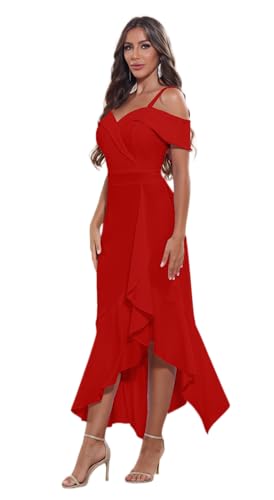
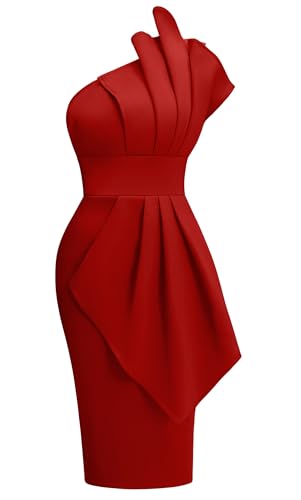
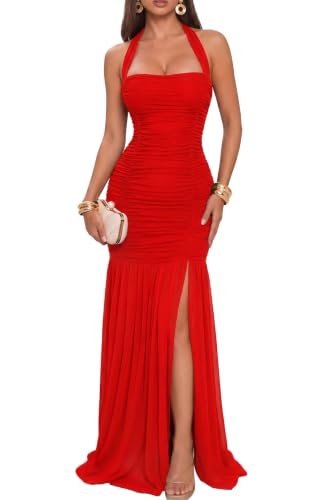
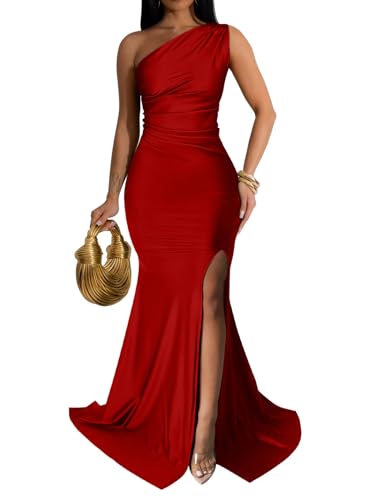
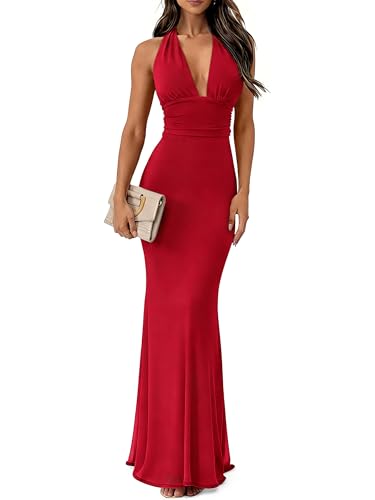
red formal dresses for women cover full-length and highly polished red occasionwear for black-tie weddings, galas, military balls, proms, holiday events, pageants, formal dinners, and evening ceremonies. The product grid may contain scarlet satin columns, ruby chiffon A-lines, crimson velvet gowns, red sequined dresses, corset ball gowns, long sleeves, mermaid skirts, cape styles, and plus-size options. Filter first by the actual invitation, age group, garment type, and required hem; then compare the selected seller, measurements, fabric, lining, closure, current delivery estimate, and return eligibility.This page is for gown-level or clearly formal red dressing, not every red cocktail dress. Retailers often place cocktail, party, wedding guest, homecoming, and formal products inside the same navigation path. This article separates those labels using construction, length, exposure, venue, and wearer role so the category does not become a list of interchangeable dress terms.Related paths include red semi-formal dresses, red formal gowns, burgundy formal dresses, and formal evening dresses. Each link answers a different shopping question: shorter red cocktail intent, gown-specific construction, deeper wine-red shades, and broader evening-dress shopping.



Frequently Asked Questions About Red Formal Dresses for Women
Can I wear a red dress to a black-tie event?
Yes. Choose a floor-length or equivalently formal red gown with substantial fabric, lining, secure support, and controlled styling.
Is red appropriate for a formal wedding guest?
Often yes, but check the couple’s dress code, culture, bridal-party colors, and any stated restrictions.
What shades count as red formal dresses?
Common shades include scarlet, cherry, ruby, crimson, tomato red, blue-red, and true red.
Which fabrics look most formal in red?
Satin, crepe, chiffon, velvet, mikado, lace, sequins, and beaded mesh can work when construction matches the event.
What shoes work with a red formal dress?
Gold, silver, black, nude, bronze, and tonal red can work; match the shoe to the red undertone and gown hardware.
Does red photograph differently under flash?
Yes. Satin and sequins can look brighter or warmer, while velvet can appear darker depending on pile direction.
How should a strapless red gown fit?
It should stay secure through breathing, sitting, raised arms, walking, and dancing without repeated pulling.
Can a red formal dress be altered?
Many can, but matching red fabric and altering boning, sequins, lace, velvet, or decorated hems may require specialist work.
What should I verify before ordering?
Check exact shade, seller, measurements, torso, lining, support, length, delivery, returns, and alteration feasibility.
What Counts as a Red Formal Dress
A red formal dress uses event-level construction rather than color alone: substantial lining, secure support, controlled seams, and a hem or silhouette appropriate for the invitation. The label is useful only when the garment itself supports that meaning through hem position, fabric weight, lining, tailoring, and controlled exposure. A seller can call a thin club mini semi-formal or call a cocktail midi formal; the product details decide which description is credible.
Red cocktail minis, casual maxis, and lightweight party dresses belong on less formal paths unless the event specifically permits them. This page therefore treats red formal dresses for women as a commercial comparison category with a defined event level, not as a synonym for every dress worn after 5 p.m. The distinction protects the shopper from choosing by title while overlooking ceremony rules, school policies, professional expectations, or black-tie requirements.
Semi-Formal, Cocktail, Formal, and Dressy Casual
For black tie, prioritize floor length or equivalent evening construction; black-tie optional may admit a formal midi, while cocktail and semi-formal events usually need less gown volume. Cocktail and semi-formal overlap frequently, but semi-formal can include quieter daytime dresses, tailored jumpsuits, or coordinated separates. Formal usually demands stronger length, fabric, or ceremony-level construction. Dressy casual permits lighter fabrics and simpler footwear that may look underdressed at a semi-formal reception.
Use three pieces of evidence: the invitation wording, the venue and time, and the host’s examples when available. For red formal dresses for women, choose the least casual interpretation that still fits the event. A lined crepe midi or tailored jumpsuit is usually a safer response to unclear semi-formal wording than a beach maxi, office knit, or floor-length gala gown.
Red for Black Tie, Galas, Proms, and Weddings
Red can work at galas, proms, military balls, holiday dinners, and formal weddings when the shade, exposure, and fabric fit the host’s expectations. The same item can shift category by styling, but accessories cannot erase weak construction. A satin midi with a stable bodice and dress shoes may suit a wedding or dinner; a similar-length rib knit with casual seams and everyday sandals may not.
Wedding guests should confirm that red is not restricted by cultural custom, bridal-party coordination, or a stated palette, and prom shoppers should review school rules for slits, cutouts, and backs. Match the garment to the longest and most restrictive part of the schedule. A dress that works for photographs but fails during a seated meal, school dance, religious ceremony, standing reception, or outdoor walk is not the correct semi-formal choice.
Columns, A-Lines, Mermaids, and Ball Gowns
Red intensifies silhouette lines, so columns, A-lines, mermaids, fit-and-flare gowns, and ball gowns should be chosen for movement and venue scale rather than dramatic photographs alone. Semi-formal proportion is created by the relationship between neckline, waist, hem, and shoe rather than by one universally flattering shape. Wrap, A-line, sheath, fit-and-flare, slip, column, high-low, and jumpsuit silhouettes place ease in different areas.
Mermaid knees need walking room, ball-gown skirts need chair and vehicle space, and bias columns need enough hip ease to prevent twisting. Check the dress from front, side, and back after sitting for ten minutes. Pulling at the zipper, a waist seam that climbs, a wrap edge that opens, or a skirt that twists reveals a pattern mismatch that jewelry and shapewear will not solve.
Floor Length, Trains, and Formal Hem Control
Formal red gowns commonly use floor length, sweep trains, high slits, or layered hems that must clear the planned shoes without losing the intended line. Knee length, midi, tea length, ankle length, and high-low are common semi-formal options, but these terms are not standardized. A listed midi may land just below the knee on a tall wearer or near the ankle on a petite wearer; model height does not replace a garment measurement.
Photograph the front hem while walking and check the train on stairs, crowded aisles, wet pavement, and dance floors before alterations. Measure shoulder-to-hem or waist-to-hem against a dress already owned, then repeat the check while seated. Slits, wrap fronts, curved hems, ruffles, and fitted skirts reduce coverage differently in motion. Choose shoes before approving the final hem, especially for stairs, grass, and dance floors.
Red Satin, Chiffon, Velvet, Crepe, and Sequins
Satin produces bright highlights, chiffon softens saturation, velvet deepens the shade, crepe creates a matte surface, and sequins can reflect orange, blue, or metallic tones. Crepe, satin, chiffon, georgette, lace, velvet, organza, ponte, jacquard, and refined jersey can all support semi-formal dressing. Their suitability depends on density, lining, surface finish, and recovery, not the fiber name alone.
Compare panels for dye consistency and inspect under flash because seam tension, pile direction, and reflective surfaces can make one red gown appear to contain several shades. Inspect daylight and flash photographs for transparency, cling, seam strain, static, pilling, and exaggerated shine. Chiffon may conceal a tight lining; stretch velvet may have rigid sleeves; satin can expose zipper tension. The final retailer page should identify material, lining, care, and the exact variation being purchased.
Corsetry, Boning, Linings, and Gown Weight
Formal red dresses often use corset seams, cups, boning, waist stays, multilayer skirts, or heavy embellishment that place more load on the neckline and closure. Semi-formal garments need stable closures, clean hems, controlled seams, and enough internal structure for the selected neckline. Details such as boning, waist stays, shoulder seams, bra loops, hook-and-eye closures, pockets, and slit reinforcement determine how the garment performs after several hours.
Confirm that skirt weight does not pull a strapless bodice downward and that lining, zipper, hooks, and straps can support prolonged wear. Test every zipper, button, tie, snap, and hook before removing tags. Check whether the lining is shorter or tighter than the outer layer and whether decorative beads cross alteration points. A lower price loses its advantage when a weak zipper, unfinished slit, or unstable strap requires emergency repair.
Strapless, Halter, One-Shoulder, and Low-Back Red Gowns
Strong red draws attention to neckline stability, making bust depth, side coverage, and back height central in strapless, halter, one-shoulder, cowl, and low-back designs. V-neck, square, halter, cowl, strapless, one-shoulder, off-shoulder, high-neck, and wrap bodices require different bust depth and support. A neckline that looks controlled in a pinned product photograph may spread, roll, or drop when the wearer sits or raises both arms.
Test the gown while sitting and dancing because a vivid neckline shift is more noticeable in event photographs than a small fit issue in a dark neutral. Fit the dress with the intended bra, cups, tape, or base layer. Check side coverage, back height, armhole exposure, shoulder pressure, and whether the neckline remains in place during a hug. Fashion tape is a finishing aid; it should not be the only structure holding the bodice.
Long Sleeves, Cape Details, and Formal Coverage
Red lace sleeves, velvet sleeves, cape overlays, and off-shoulder bands can add ceremony-level coverage without reducing visual impact. Sleeveless, cap, flutter, elbow, three-quarter, lace, mesh, and long sleeves change both coverage and temperature. Sleeve fit depends on shoulder width, armhole depth, upper-arm circumference, elbow movement, cuff opening, and whether the lining stretches with the outer fabric.
Check upper-arm room, elbow bend, and coat compatibility; red sequins and lace can snag outerwear or expose lining at stretched seams. Reach forward, lift a bag, sit with arms crossed, and try the planned coat or wrap. Tight outerwear can pull an off-shoulder band upward, crush a puff sleeve, or snag sequins. Return a dress with restricted arm movement rather than assuming the sleeve will loosen safely during the event.
Sizing a Structured Red Formal Gown
Choose the size from the rigid bodice, corset, sleeve, or lining rather than from a generous skirt, and include torso length when cups or boning are fixed. Numerical, alpha, junior, teen, petite, plus, and brand-specific sizes use different pattern blocks. Bust depth, torso length, shoulder width, waist position, upper arms, hips, and seated ease often matter more than the familiar number printed on a label.
Red satin and crepe reveal horizontal pull lines clearly, so use side photographs to identify tension across the zipper, waist, and seat. Record body measurements in the planned undergarments and compare them with the exact seller chart. Choose from the least flexible area: a woven bodice, rigid waistband, lined sleeve, or fitted hip. Reviews are useful only when they identify height, measurements, purchased size, and the exact product variation.
Scarlet, Ruby, Crimson, Cherry, and True Red
Scarlet and tomato reds lean warmer, ruby and blue-red shades appear cooler, crimson is deeper, and cherry can range from bright to dark depending on the seller. Color names can conceal major undertone differences. Red may mean scarlet, cherry, ruby, tomato, crimson, wine, or blue-red; neutral, blue, green, and metallic shades also shift with satin shine, velvet pile, lining, and camera processing.
Coordinate accessories with the actual undertone rather than the word red, and compare the received dress with venue lighting before selecting lipstick, shoes, or a wrap. Compare the selected swatch with customer photographs and review the dress in daylight, warm indoor light, and flash after delivery. For weddings, school events, or coordinated groups, confirm restricted colors. A category label is not proof that the received shade will match accessories or appear distinct in photographs.
Red Formal Dresses Across the Seasons
Bright satin and chiffon can suit spring or summer galas, while velvet, crepe, long sleeves, and deeper crimson work well for cold-weather ceremonies and holiday events. Semi-formal dressing changes with indoor temperature, weather, and venue surfaces. Chiffon, georgette, and sleeveless crepe can suit warm ceremonies; velvet, heavier satin, jacquard, and sleeves can suit cold arrivals but may overheat in a crowded ballroom.
Balance fabric weight against indoor heat; a winter arrival may be cold while a packed ballroom makes velvet uncomfortable after dinner. Plan the transition between parking, ceremony, reception, and transportation. Grass, gravel, rain, salted sidewalks, strong air conditioning, and coat storage affect hem and shoe choices. Outerwear should fit over the garment without moving the neckline or crushing texture.
Walking, Dancing, and Managing a Red Gown
High slits, trains, mermaid skirts, and fitted satin columns change position during long steps, stairs, turns, and seated dining. Semi-formal events involve more than standing still. Walking, stairs, seated dining, dancing, photographs, reaching, restroom use, and travel expose problems hidden by the catalog pose. Fitted skirts may climb; bias satin may twist; wrap fronts may open; high-low backs may catch under chairs.
Practice lifting the skirt, entering a vehicle, and turning on the dance floor without exposing the lining or pulling the neckline. Complete a fifteen-minute rehearsal in the full outfit. Sit, bend, step up, turn, raise both arms, and walk at event pace. Reject repeated adjustment, restricted breathing, unstable straps, exposed lining, or a hem that cannot be managed safely with the planned shoes.
Undergarments Beneath Red Formal Fabrics
Red does not guarantee opacity; thin satin, chiffon linings, and stretch crepe can show dark or high-contrast undergarments under flash. The correct bra, slip, camisole, shapewear, hosiery, or shorts depends on the neckline, fabric, and wearer preference. Base layers should match the wearer’s skin tone when invisibility is required and should not create new lines, rolling waistbands, visible straps, or restricted breathing.
Use smooth skin-tone layers and verify cup, boning, and shapewear edges from side and back views. Test the outfit under daylight and flash, then sit long enough to see whether bands roll or seams mark the fabric. Do not size down to force compression or rely on shapewear to correct an incorrect bodice, waist, or hip pattern. Comfort and access matter through the complete event.
Shoes and Jewelry for Red Formal Dresses
Gold warms scarlet and tomato red, silver sharpens blue-red and ruby, black creates contrast, and nude or tonal shoes reduce visual interruption. Shoes, bag, jewelry, belt, wrap, and outerwear set the final level of polish. Metallic sandals, pumps, slingbacks, refined flats, block heels, structured bags, and restrained jewelry can support semi-formal attire when they suit the venue and do not compete with the garment.
Use one metal family and avoid competing statement jewelry when the gown already has sequins, a sculptural neckline, or cape detail. Match metal finishes to visible hardware or beadwork and choose heel width for the walking surface. Avoid necklaces that fight with a detailed neckline, bags that snag lace or sequins, and coats that flatten velvet. Accessories should complete the outfit, not conceal a weak fit or unsuitable dress.
Petite, Tall, Plus-Size, and Junior Red Gown Fit
Red formal dresses should preserve bust placement, waist position, sleeve length, and hem control across petite, tall, plus-size, and junior pattern blocks. Semi-formal options should be evaluated through actual proportions rather than body-type rules. Petite, tall, plus, junior, teen, maternity, and adaptive shoppers may need different torso lengths, rises, sleeve positions, closure access, and hem measurements in the same visual style.
Look for photographs in the purchased size because corset cup spacing, slit height, and skirt volume may change when a design is graded. Look for size-specific photographs and garment dimensions when available. A design scaled only in width can misplace the bust, waist, pockets, slit, or embellishment. Select the pattern that starts closest to the wearer’s shoulders, torso, arms, and seat instead of budgeting to reconstruct several landmarks.
Alterations and Matching Red Fabric
Matching red satin, chiffon, lace, thread, or modesty panels is difficult across dye lots, making major coverage changes riskier than simple hems or strap adjustments. Straight hems, straps, and limited side-seam changes are often manageable. Lace borders, pleats, sequins, boning, draped waists, sleeves, high-low hems, velvet, bias satin, and beaded mesh can require specialist work or prevent the intended change.
Ask the tailor whether decorated seams, boning, velvet pile, or a horsehair hem can be altered without visible shade or structure changes. Get a tailoring estimate before the return deadline and bring the final shoes and base layers to every fitting. Return a dress that misses several structural measurements. Rebuilding the bust, moving the waist, enlarging sleeves, and shortening a decorated hem can cost more than choosing a better starting size.
Seller, Delivery, and Return Risk for Red Gowns
Formal red gowns often need hemming and shade verification, so delivery should allow time for daylight review, movement testing, and tailoring. Current price is only one part of value. Shipping, tax, return fees, tailoring, special undergarments, shoes, steaming, cleaning, and replacement risk determine the real cost. Marketplace listings can also combine sellers with different size charts, fabrics, delivery dates, and return rules.
Avoid final sale when the listing lacks torso, length, lining, or return information, especially for corseted or heavily embellished gowns. Save the selected seller, color, size chart, delivery estimate, and policy at checkout. Order early enough for inspection and exchange. Final-sale purchases require verified measurements and acceptable color risk; a discount is not useful when the garment arrives late or cannot be returned after a failed fitting.
Red Wedding Guest Etiquette and Cultural Context
Red is accepted at many U.S. weddings, but the meaning of the color can change by culture, family custom, and ceremony. In some settings it is celebratory or bridal; in others it is simply a strong guest color. Read the invitation, ask the couple when needed, and avoid assuming universal rules from social-media advice.
A red guest gown should also match the requested formality without competing with the ceremonial party. Control trains, bridal corsetry, excessive volume, and deliberate palette matching. For a daytime or semi-formal wedding, move to the red semi-formal category rather than forcing a floor-length gala dress into a lower dress code.
Photographing Red Satin, Velvet, and Sequins
Phone cameras can push red toward orange, magenta, or oversaturation, while flash creates bright hotspots on satin and sequins. Velvet absorbs light and may look nearly burgundy in one direction and brighter in another. Product photography cannot establish the exact shade that will appear in a ballroom or group portrait.
After delivery, photograph the dress near a window, under warm bulbs, and with flash. Turn slightly to show how folds and pile change color. Check whether lining, cups, seams, or undergarments appear. Use those images to select accessories and decide whether the shade works beside the event palette.
Final Red Formal Dress Checklist
Before ordering a red formal dress, confirm the invitation, venue, event time, wearer role, exact measurements, garment length, fabric, lining, closure, support plan, seller, delivery date, return terms, and likely alteration work. Remove products that fail a non-negotiable requirement before comparing neckline, color, or decorative details.
After delivery, inspect the red formal dress in daylight and flash, test every closure, and rehearse sitting, walking, stairs, reaching, dancing, and outerwear. Keep it only when it stays secure without repeated adjustment and satisfies the specific event purpose described on this page.