
Affordable Plus-Size Formal Dresses for Weddings
cheap plus-size formal dresses for weddings include lower-priced wedding guest, mother-of-the-bride, mother-of-the-groom, family ceremony, reception, and evening styles in extended sizes. The product grid below may include chiffon A-lines, wrap dresses, lace midis, long gowns, sleeves, jackets, sequins, satin, and stretch-crepe options.Plus-size labels, wedding dress codes, and “cheap” price claims all vary by seller. Use exact bust, waist, hip, shoulder, upper-arm, torso, and length measurements; verify the selected seller and size chart; and calculate shipping, alterations, undergarments, and return fees before judging total value. The dress should remain secure while sitting, walking, reaching, and wearing the complete wedding outfit.Related shopping paths include plus-size formal dresses, wedding guest dresses, affordable formal dresses, and plus-size semi-formal dresses. These pages separate size, budget, wedding role, and dress-code intent.




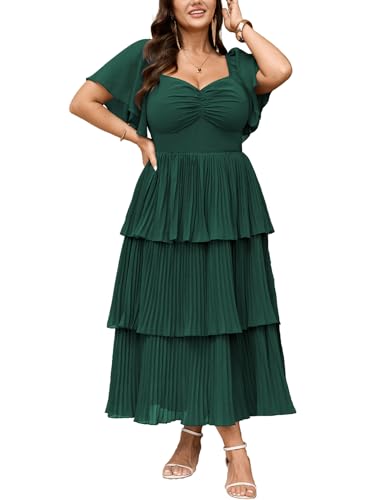


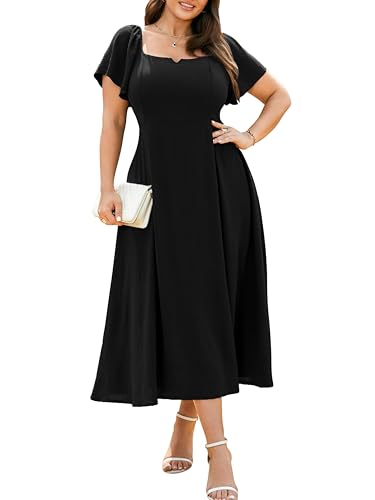


PUXIU Long Sleeve Chiffon Ruffles Mother of The Bride Dress Burgundy Crew Neck Plus Size Long Sleeve Wedding Party Formal Dress for Women 14
Original price was: $79.99.$64.99Current price is: $64.99.


Frequently Asked Questions About Affordable Plus-Size Formal Dresses for Weddings
Where can I find affordable plus-size formal dresses for weddings?
Use plus-size formal and wedding guest categories, then compare exact seller charts, current prices, delivery dates, and return policies.
What measurements do I need?
Measure bust, natural waist, full hip, shoulder width, upper arm, torso length, height, and required garment length using the intended undergarments.
Is 2X the same as size 18W?
Not universally. Alpha and numerical plus-size labels vary by seller and may use different pattern proportions.
Which silhouettes are easiest to fit?
A-line, wrap, empire, and stretch-crepe styles can offer useful ease, but accurate bodice, sleeve, and lining measurements remain essential.
Can I wear a plus-size midi to a formal wedding?
A refined midi may work for cocktail, semi-formal, and some formal weddings. Strict black tie usually favors a floor-length gown.
How can I keep alteration costs low?
Choose a dress that already fits the bust, shoulders, upper arms, waist, and hips. Simple hems and straps cost less than bodice reconstruction.
How early should I order?
Order early enough for delivery, a full fitting, exchange, tailoring, steaming, and final outfit testing.
Which reviews should I trust?
Prioritize reviews with body measurements, height, purchased size, exact seller and variation, photographs, and a specific fit issue.
What should I verify before ordering?
Check the seller, exact size chart, measurements, fabric, lining, sleeves, closure, delivery date, returns, care, and total expected cost.
Who This Category Is For
This category can serve wedding guests, mothers, relatives, ceremony participants, and reception attendees who need extended sizing within a controlled budget. The wearer’s role affects acceptable color, coverage, length, and detail.
A mother-of-the-bride gown, a black-tie guest dress, and a semi-formal afternoon midi are not interchangeable. Start with the invitation and role before sorting by price or silhouette.
Plus-Size Labels Are Not Standard
A seller’s 1X, 2X, 3X, 16W, 18W, or 20W may use different measurements and proportions. Some listings extend straight-size patterns, while others use a dedicated plus-size block with different bust depth, armholes, and waist placement.
Use the exact chart for the selected seller and variation. Do not convert from a usual brand size without checking inches for bust, waist, hip, shoulder, and upper arm.
Complete Measurement Checklist
Measure the fullest bust, natural waist, full hip, shoulder width, upper-arm circumference, torso length, and required shoulder-to-hem length. Use the intended bra and shapewear during measurement.
Record measurements in writing and compare them with the least flexible part of each dress. A generous skirt does not compensate for a tight woven bodice, sleeve, waistband, or lining.
Matching the Wedding Dress Code
Formal, black-tie optional, cocktail, semi-formal, beach, and daytime weddings require different lengths and fabrics. The invitation and venue should control the selection rather than a product title containing the word wedding.
For black tie, prioritize floor length and formal construction. For cocktail or semi-formal weddings, a refined midi, tea length, or knee-length dress may be more appropriate and easier to rewear.
A-Line and Empire-Waist Dresses
A-line skirts provide gradual room below the waist, while empire waists release higher on the torso. Both can be practical when bust depth, shoulder fit, and waist placement are correct.
Check where the seam lands on the wearer’s body. An empire seam that cuts across the bust or an A-line waist that rides upward indicates a torso or bodice problem.
Wrap and Faux-Wrap Dresses
True wrap dresses offer adjustable overlap and waist placement, but the shoulders, sleeves, and bust coverage still need to fit. Faux wraps provide the look without full adjustability.
Sit, bend, and walk to check front overlap and neckline stability. Confirm whether the tie is functional and whether the skirt or bodice lining restricts the apparent stretch.
Long Plus-Size Formal Gowns
Long chiffon, crepe, satin, velvet, and embellished gowns can work for evening weddings, black-tie invitations, and family roles. Floor length requires early shoe selection and enough time for hemming.
Measure in the planned shoes and check train length, stairs, and seated fabric volume. Multilayer chiffon, lace borders, and sequined hems increase tailoring cost.
Midi and Tea-Length Wedding Dresses
Midi and tea-length dresses can suit cocktail, semi-formal, daytime, and church weddings. They also reduce floor contact and can be easier to move in than full gowns.
Use the wearer’s height to judge the actual hem position. Check seated coverage, calf placement, and whether the skirt lining ends noticeably above the outer layer.
Sleeves and Upper-Arm Fit
Flutter, elbow, three-quarter, lace, mesh, and long sleeves can provide coverage, but they are often the least adjustable part of the dress. Sleeve comfort depends on shoulder width, armhole depth, upper-arm circumference, and lining stretch.
Raise both arms, reach forward, and wear the intended jacket or wrap during the test. Do not keep a tight sleeve because the rest of the dress fits.
Bust Support and Neckline Security
Large-bust fit requires adequate cup depth, shoulder stability, side coverage, and closure strength. Built-in cups do not guarantee support, especially in strapless, off-shoulder, halter, or low-back styles.
Try the dress with the planned bra or support solution. Check the neckline while seated, bending, hugging, and dancing rather than judging only a standing front view.
Stretch, Lining, and Fabric Recovery
Stretch jersey, mesh, ponte, and velvet may improve movement, but a rigid lining can remove that flexibility. Chiffon and lace often appear forgiving while a fitted underdress determines the actual size.
Review fiber content and customer comments about recovery, cling, heat, and transparency. A fabric that grows during wear or does not recover after sitting may require another cut.
Wedding Colors and Etiquette
Avoid white, ivory, cream, and bridal-looking pale champagne unless the couple specifically approves them. Coordinate with the bridal party when the wearer is a mother or close family member.
Dark neutrals, jewel tones, floral prints, and metallic accents can work across many weddings. The dress should not intentionally imitate the bride, bridesmaids, or ceremonial uniforms.
Affordable Price Versus Total Cost
A low product price can be offset by shipping, return fees, tailoring, special bras, shapewear, jackets, steaming, or professional cleaning. Calculate the complete outfit cost before ordering.
A slightly higher-priced dress that fits the bust, arms, and length may cost less than a cheap option requiring several alterations. Prioritize the strongest starting fit.
Alterations in Extended Sizes
Hems, straps, and modest side-seam changes are often manageable. Bust reconstruction, armhole reshaping, sleeve enlargement, beadwork, lace appliqué, and fixed waistlines can be expensive or structurally limited.
Obtain a tailoring estimate while the return window is still open. Send back dresses that miss several key measurements instead of trying to rebuild an unsuitable pattern.
Delivery, Returns, and Seller Evidence
Wedding deadlines require enough time for delivery, inspection, exchange, tailoring, and steaming. Marketplace listings can group multiple sellers or variations with different size charts and policies.
Keep screenshots of the selected seller, color, size chart, and estimated delivery date. Retain tags and packaging until the dress passes the complete home fitting.
Prioritizing Fit Before Price
Affordable plus-size formal dresses for weddings provide the best value when the starting pattern already fits the wearer’s shoulders, bust, upper arms, waist, hips, and torso. A low price cannot compensate for a shallow bodice, misplaced waist seam, tight sleeve, or lining that prevents sitting. Measure while wearing the intended bra and shapewear, then compare every number with the exact seller chart for the selected dress.
Choose the size from the least flexible area and identify where alteration is realistically possible. A-line and empire skirts may provide hip room, but their bodices still require accurate depth and length. Wrap dresses offer adjustment at the waist, yet the shoulders, sleeves, and neckline remain fixed. When several key measurements fail, returning the dress is usually less expensive than rebuilding it.
Different Wedding Roles Require Different Dresses
A wedding guest, mother of the bride, mother of the groom, grandmother, reader, usher, and ceremony participant may all need different levels of formality and coordination. Start with the invitation and the wearer’s role before filtering by price. Close family members should confirm the color palette and whether the bridal party is using similar shades.
For black tie, prioritize floor length, stable support, and formal construction. Cocktail and semi-formal weddings can support refined midi or tea-length dresses that may be easier to hem and rewear. Religious ceremonies may require additional shoulder or neckline coverage. Choose the base dress for the most formal part of the schedule rather than hoping a jacket will correct an unsuitable design.
Support Garments and Neckline Planning
Built-in cups are not a guarantee of support, particularly for fuller busts or low-back, strapless, halter, and off-shoulder designs. Decide how the dress will be supported before ordering. Check bra compatibility, strap placement, side coverage, cup depth, boning, closure strength, and whether shapewear changes the waist or hip measurement.
Use skin-tone, smooth undergarments and test them in daylight and flash. Sit, bend, hug, reach, and raise both arms while wearing the complete support system. Fashion tape can improve a minor edge, but it should not be responsible for holding an incorrectly fitted bodice in place through a ceremony and reception.
Petite, Tall, and Torso-Length Needs
Plus size does not describe height or torso proportion. Petite shoppers may need shorter bodices, higher waist placement, reduced skirt length, and adjusted sleeves. Tall shoppers should review shoulder-to-waist length, lining length, slit position, and whether a listed maxi remains floor length with the intended shoes. Use actual garment measurements whenever the seller provides them.
Do not assume hemming solves every proportion problem. A waist seam that sits too low, armholes that gape, or bust darts placed incorrectly may require more complex work. For long gowns, select shoes before alterations and check whether lace borders, sequins, tiers, or high-low shaping increase the cost of shortening.
Venue, Climate, and Full-Day Comfort
Wedding schedules can include outdoor photographs, religious ceremonies, long meals, receiving lines, dancing, and temperature changes. Fabric and lining should support the full day. Heavy velvet, dense sequins, or multiple synthetic layers may feel too warm indoors, while thin chiffon can require a wrap or coat at an outdoor evening event.
Grass, gravel, stairs, and narrow seating affect hem and footwear choices. Test the dress in a chair for at least ten minutes, then walk and use stairs in the planned shoes. Check whether the lining rides, the waistband rolls, sleeves restrict reaching, or the neckline shifts. Comfort should come from correct construction, not from ordering a shapeless size that creates new fit problems.
Keeping Alteration Costs Under Control
Budget-friendly alterations usually include a straightforward hem, strap shortening, or modest side-seam adjustment. Costs rise with beadwork, lace appliqué, corset boning, multilayer skirts, sleeves, pockets, fixed waistbands, and decorated hems. Ask a tailor which areas can be changed before the return window closes.
A slightly higher-priced dress that fits the bust, shoulders, arms, and torso can cost less overall than a cheaper gown requiring reconstruction. Include shoes, support garments, steaming, and cleaning in the comparison. Shoppers who need broader options can review plus-size formal dresses before assuming the lowest-priced listing is the only affordable route.
Ordering More Than One Size Responsibly
Ordering two sizes can be useful when the seller provides free or manageable returns and the event deadline is close enough to justify comparison. It is not a substitute for measurement, and it becomes risky when items are final sale, return shipping is expensive, or refunds are slow. Confirm the policy before placing a multi-size order.
Try both dresses with the same undergarments and shoes, then compare neckline security, shoulder placement, upper-arm room, waist position, lining tension, and seated comfort. Do not automatically keep the smaller size because it closes. Keep the version that remains stable through movement and requires the least complex alteration.
Color Coordination and Wedding Etiquette
Wedding guests should avoid white, ivory, cream, and bridal-looking pale champagne unless the couple explicitly approves them. Mothers and close relatives should also coordinate with the bridal party so they do not unintentionally match or clash with ceremony colors. Jewel tones, navy, black where culturally appropriate, burgundy, green, plum, florals, and controlled metallics can provide formal options across seasons.
Evaluate color in daylight and flash because satin, sequins, and pale fabrics can photograph differently from the product page. Confirm the exact selected variation and seller; marketplace names such as wine, mauve, champagne, and dusty rose are not standardized. Begin alterations only after the color and role suitability have been approved.
Reviews, Returns, and Wedding Deadlines
Useful reviews identify body measurements, height, purchased size, exact seller, color, photographs, and a specific issue such as sleeve tightness or short lining. Star ratings alone cannot establish fit. Save the size chart and order details because marketplace listings can change after purchase.
Order early enough for inspection, exchange, tailoring, steaming, and a complete outfit rehearsal. Keep tags and packaging while testing sitting, walking, hugging, dancing, and stairs. If the dress has several structural problems, use the return policy rather than relying on emergency alterations. The strongest budget choice is the one that arrives with enough time and needs the fewest high-risk corrections.
Final Wedding Fit Test
Wear the intended bra, shapewear, shoes, jacket, and accessories. Sit through a meal-length test, walk, use stairs, reach, hug, and photograph the dress from every angle.
Approve the dress only when the neckline, sleeves, waist, lining, hem, and closures remain stable. The best budget choice is the one that supports the full wedding schedule without emergency fixes.