
Black Formal Gowns for Women
black formal gowns for women include floor-length evening styles for black-tie weddings, galas, proms, military balls, pageants, formal dinners, and ceremonial events. The product grid below may include A-line gowns, mermaid and trumpet shapes, columns, satin, crepe, chiffon, velvet, tulle, sequins, sleeves, trains, and plus-size designs. Compare silhouette, fabric, length, neckline, sleeves, closure, and event suitability before opening the final retailer listing.The word gown should indicate floor-length formal construction, but marketplace titles are inconsistent; verify hem measurements, train, skirt layers, and internal support. Product names and sizing conventions vary across sellers, so confirm measurements, fabric composition, lining, care, delivery timing, and return terms on the linked retailer page. The dress should remain stable while sitting, walking, reaching, and using stairs in the planned shoes and underlayers.Related shopping paths include black formal dresses, long black formal dresses, ball gowns, and formal dresses. These categories separate the main search by color, length, silhouette, and dress-code level.
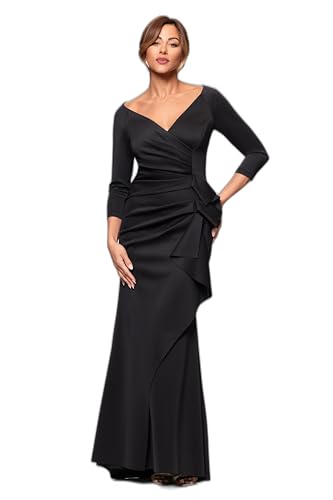




Bestluckw Long Sleeve Chiffon Bridesmaid Dresses for Women V-Neck Formal Evening Gowns with Slit Black Size 6
Original price was: $59.99.$49.99Current price is: $49.99.


Frequently Asked Questions About Black Formal Gowns for Women
What is considered a black formal gown?
It is usually a floor-length black dress made for formal evening, ceremonial, gala, prom, or black-tie use.
Can I wear a black gown to a wedding?
Often yes for formal or black-tie weddings when the couple, venue, and cultural expectations support black attire.
Which silhouettes are common in black gowns?
A-line, ball gown, column, sheath, mermaid, trumpet, empire, and slip silhouettes are common.
What fabrics are used for black formal gowns?
Satin, crepe, chiffon, tulle, velvet, lace, jersey, organza, sequins, and beaded mesh are common.
How long should a formal gown be?
It should clear the floor safely in the final shoes while preserving the intended silhouette and any train.
How do I secure a strapless black gown?
Verify torso measurements, cups, boning, grip tape, and closure, then test sitting, reaching, and dancing.
Can a black gown be hemmed?
Usually, but trains, lace borders, sequins, pleats, horsehair trim, and multiple layers may require specialist work.
How do black gowns photograph?
Details can disappear in low light, so test daylight, indoor lighting, and direct flash with the complete outfit.
What should I verify on the retailer page?
Check seller, size chart, garment length, fabric, lining, support, closure, train, delivery, returns, and care.
What Defines a Black Formal Gown
Confirm actual garment length, skirt structure, train, and lining rather than using the word gown as the only criterion. A black formal gown is generally floor length and constructed for evening, ceremonial, or black-tie use.
The category can include A-line, column, mermaid, trumpet, empire, and ball-gown silhouettes. Some marketplace titles use gown for short prom or homecoming dresses, so product measurements remain essential.
Black Tie, White Tie, and Gala Requirements
Black-tie invitations usually support floor-length gowns, while white tie may require greater formality and fuller evening styling. A simple black gown can be appropriate when fabric, fit, and accessories meet the requested level.
Gala expectations vary with venue, host, and fundraising format. Read the invitation before choosing neckline exposure, train length, skirt volume, or heavy embellishment.
A-Line and Ball-Gown Skirts
Tulle layers, petticoats, pleats, and horsehair trim affect chair space, stairs, transportation, and storage. Choose volume that can be managed through the venue without repeated lifting or rearranging.
A-line gowns widen gradually, while ball gowns use more pronounced volume and internal skirt structure. Compare the skirt with ball gowns when dramatic fullness is required.
Column, Sheath, and Slip Gowns
Straight black gowns rely on precise shoulder, bust, waist, hip, and lining fit. Bias-cut slip dresses move differently from structured columns and fitted sheaths.
Sit, walk, and use stairs while checking seam twist, cling, slit opening, and hem rise. A narrow skirt should provide enough stride without distorting the bodice or zipper.
Mermaid and Trumpet Gowns
Mermaid and trumpet gowns create a close line through the torso and release near the knee or lower thigh. Measure the hip, thigh, knee area, and total length in the intended shoes.
The flare point controls stride length, seating comfort, and the visual position of the hips. Avoid sizing down for a sharper silhouette when the lining or seams show tension.
Satin and Crepe Black Gowns
Both fabrics can show pulling around darts, zippers, waist seams, and fitted hips. Satin reflects light and reveals wrinkles, while crepe usually provides a softer, less reflective surface.
Inspect daylight and flash photographs after sitting for several minutes. Travel and steaming plans should match the care label because heat and water marks can alter the finish.
Chiffon, Tulle, and Layered Skirts
Chiffon and tulle add movement or volume through multiple lightweight layers. Lining opacity, static, snags, and separate hem lengths require careful review.
Layered hems and horsehair edges may require specialist alteration. Walk over the intended shoes and check whether inner layers catch beneath the heel.
Velvet and Winter Formal Gowns
Garment weight, indoor heating, sleeve coverage, and crush marks affect winter-event comfort. Inspect the gown after sitting and beneath the planned coat.
Velvet gives black greater depth but changes appearance with pile direction and pressure. Use care-approved steaming or professional treatment rather than pressing the pile directly.
Sequined and Beaded Black Gowns
Test arm movement and direct flash, then inspect for loose elements. Sequins and beadwork add light response, weight, and potential abrasion to a black gown.
Dense decoration around underarms, side seams, necklines, and hips can affect comfort and tailoring. A beaded gown should hang from a supportive hanger or be stored flat when the label recommends it.
Strapless and Off-Shoulder Gowns
An exposed-shoulder gown must remain secure without repeated pulling. A shawl can provide coverage, but it cannot correct a slipping bodice.
Torso length, bust shape, cups, boning, grip tape, and back closure determine stability. Wear the intended support garment and raise the arms, bend, sit, and dance.
Sleeved and Modest Black Gowns
Upper-arm fit, shoulder rotation, cuff width, mesh tone, and lining should be checked separately. Choose a size that permits normal breathing and movement without stretching lace or illusion mesh.
Long sleeves, three-quarter sleeves, high necks, and jacket layers may suit ceremonies, religious venues, or cool seasons. Reach forward and overhead while wearing any coat or jacket.
Black Gowns for Weddings
Black gowns can work for evening and black-tie weddings when the couple, culture, and venue support the color. The design should remain celebratory rather than resembling bridal wear, mourning uniform, or a theatrical costume.
Avoid white-dominant panels and exaggerated trains unless specifically appropriate. Use accessories and fabric texture to maintain detail in low-light photographs.
Prom, Pageant, and Military-Ball Gowns
These events require security through photographs, stages, receiving lines, stairs, and dancing. Review event regulations before ordering and rehearse the complete route in the final shoes.
School rules, military etiquette, pageant movement, and venue floors may influence neckline, slit, train, and skirt volume. Allow enough time for exchange and hemming rather than planning emergency alterations.
Plus-Size, Petite, and Tall Gowns
Bust depth, waist location, hip shaping, flare point, sleeve length, and shoulder-to-hem length may differ by size range. Formal gown proportions should be checked across the entire vertical pattern.
Use the exact variation’s chart and customer evidence when available. A petite or tall label should improve proportion, not merely shorten or lengthen the hem.
Hemming, Trains, and Bustles
Gown length must be set with the final heel height and intended posture. Trains, lace borders, sequins, pleats, and multiple layers affect hemming method and cost.
Do not accept unsafe floor drag because the product photographs show a pooled hem. Ask whether a bustle, wrist loop, or train removal is practical before the return deadline.
Black Evening Gown Versus Long Black Formal Dress
Shoppers often use black evening gown and long black formal dress interchangeably, but gown usually implies floor length and a higher level of construction. A long knit maxi can reach the floor without offering the lining, support, fabric quality, or finish expected for black tie. Confirm the garment’s intended occasion and construction details.
Look for a finished hem, secure closure, adequate lining, and enough skirt structure to hang cleanly. A formal evening gown may be minimalist, but it should not resemble casual resortwear. Compare the neckline, back, slit, train, and fabric under venue-like lighting before deciding whether it meets the invitation.
Black Gowns With Capes and Detachable Overskirts
Cape sleeves, floor-length capes, detachable trains, and overskirts can transform a simple black gown for ceremonies, entrances, or photographs. Verify whether the additional piece is included and how it attaches. Snaps, hooks, belts, and hidden zippers should remain secure without creating a visible ridge around the waist.
Test sitting, turning, and using stairs with each piece attached and removed. A long cape may catch beneath chairs or heels, while an overskirt adds heat and luggage volume. The base gown should still look finished and meet the dress code when the detachable layer is taken off.
Backless and Low-Back Black Formal Gowns
Low-back black gowns require precise torso length, waist placement, and support planning. Review where the back ends relative to the bra line and whether the garment uses crossed straps, a lace-up closure, internal cups, body tape, or a low-back foundation. A posed front image gives little evidence about back security.
Sit and bend while checking that the waist does not slide downward and the side bodice does not gape. Adhesive solutions should be tested before the event and should never compensate for a gown that is too large through the ribs. Consider ceremony coverage and visible scars or tattoos only according to the wearer’s preference and event requirements.
Black Gowns With Cutouts and Illusion Panels
Cutouts may appear at the waist, back, neckline, or underbust, while illusion mesh can create support that is nearly invisible in studio images. Confirm the mesh color, edge finishing, and whether the panel stretches differently from the main fabric. Strong contrast under flash can reveal seams that appear hidden online.
Check coverage from the side and while seated because cutouts can widen when the torso bends. For black-tie weddings, galas, school events, and military balls, compare the design with the host’s expectations. Altering a cutout gown is difficult when the openings depend on exact seam placement.
One-Shoulder and Asymmetrical Black Gowns
One-shoulder black formal gowns create a strong neckline and may combine draping, a cape, a sleeve, or an asymmetrical skirt. Measure both shoulders and check that the diagonal neckline lies flat without rotating toward the covered side. Internal support is still necessary even when one strap is present.
Wear the intended bra or adhesive support and raise both arms. The skirt and bodice should remain centered, and the side zipper should not twist. Statement earrings may work better than a necklace, but accessory choice should follow the exact drape and embellishment of the received gown.
Traveling With a Floor-Length Black Gown
A black formal gown may hide small marks better than pale fabric, but velvet, satin, sequins, pleats, and trains still require careful packing. Use a garment bag long enough to prevent the hem from folding sharply. Support beaded shoulders so the weight does not stretch mesh or straps during transit.
At the destination, follow the care label before steaming. Test hotel irons and steamers away from the garment because mineral deposits can spot satin and heat can damage sequins or adhesive. Schedule enough preparation time for layers and trains to relax naturally rather than applying excessive heat.
Evaluating a Black Gown for Repeat Wear
For repeat value, choose a black evening gown whose silhouette and care requirements suit more than one event. A clean crepe column, satin A-line, or removable-sleeve design may be easier to restyle than a gown with a highly specific theme, oversized train, or fragile all-over beadwork.
Review whether the hem can tolerate different heel heights and whether the neckline works with more than one accessory plan. Durable lining, replaceable closures, and manageable storage matter as much as trend. Record alteration measurements so future tailoring does not disturb the original balance.
Undergarments for Black Formal Gowns
The correct foundation depends on the gown’s neckline, back, fabric, slit, and internal support. Strapless bras, low-back bodysuits, adhesive cups, slips, and optional shapewear should be tested beneath the exact garment because black satin and fitted crepe can reveal seams even when the color is dark.
Undergarments should improve comfort and coverage without changing the gown’s intended size. Check whether a bodysuit pulls the neckline downward or restricts bathroom access beneath a fitted skirt. For sheer panels, compare the foundation color in daylight and flash, and avoid visible black straps unless they are part of the design.
Black Gowns With Pockets and Practical Closures
Pockets can be useful in A-line and ball-gown skirts when they lie flat and are supported by strong side seams. Test them with only lightweight items; a phone can pull the skirt off balance or create a visible rectangle. Confirm pocket placement in side photographs because low pockets may be difficult to reach.
Back zippers, side zippers, hook-and-eye closures, corset lacing, and covered buttons each affect dressing time and alteration options. Practice fastening the gown with the help available on the event day. A closure should remain smooth after sitting and should not catch the lining or embellishment.
Renting Versus Buying a Black Formal Gown
Renting can make sense for a one-time gala, pageant-style event, or dress code that differs from the wearer’s usual life, while buying may offer better alteration control and repeat value. Compare rental length options, backup sizes, damage policies, cleaning, delivery date, and return deadline.
A rented gown usually cannot be permanently hemmed, so exact length and shoe height matter. Buying is not automatically cheaper once tailoring and storage are included. For either route, inspect the gown immediately and document pre-existing damage, missing beads, zipper issues, and hem wear.
When shopping specifically for black formal gowns, useful refinements include floor-length black evening gown, black mermaid gown, black A-line gown, long-sleeve black gown, modest black formal gown, and plus-size black-tie dress. Search filters should narrow silhouette and support needs, but the final product page must still confirm train, slit, lining, closure, and measured length.
Before checkout, compare the gown’s measured front length, back length, train, slit height, bodice support, and total garment weight. These details matter more than a generic “maxi” or “evening” label and help determine whether the gown can be worn safely in the planned shoes, venue, transportation, and seating arrangement.
Final Black Gown Rehearsal
Wear the planned bra, shapewear, shoes, coat, jewelry, and bag, then sit, walk, use stairs, and turn for photographs. Check neckline security, zipper strain, floor clearance, train control, lining, and underarm comfort.
The last fitting should reproduce the complete formal event. Keep tags and packaging until the gown remains stable through the full rehearsal.