
Black and White Formal Dresses for Women
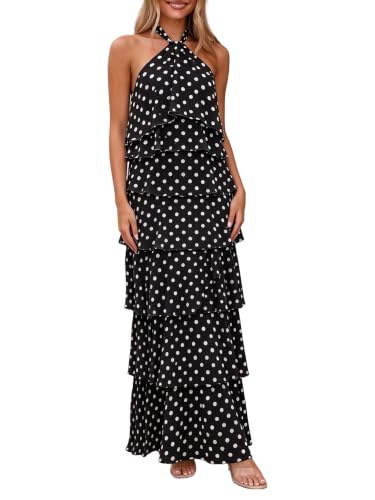
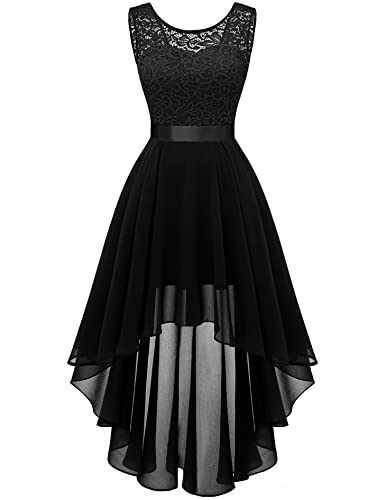
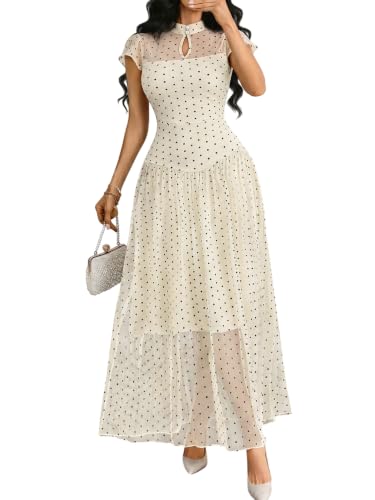
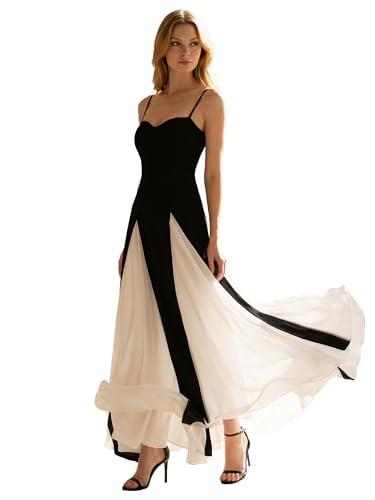
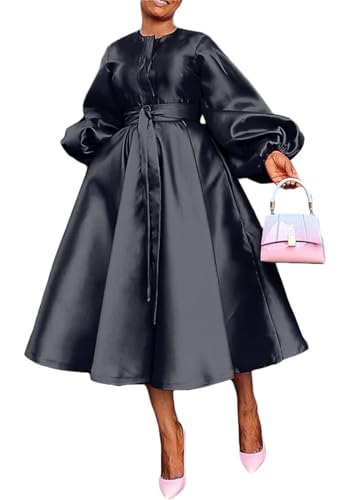
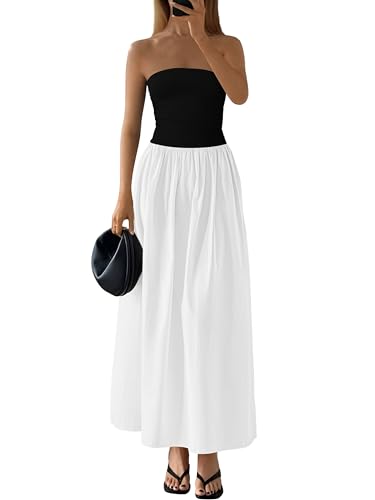
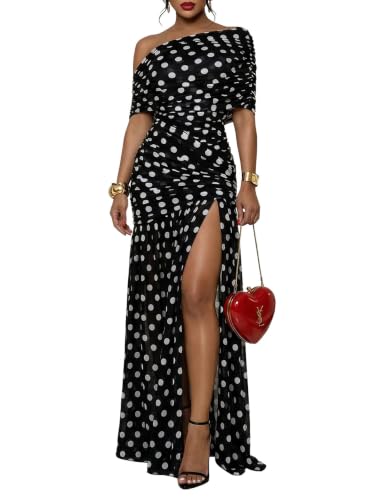
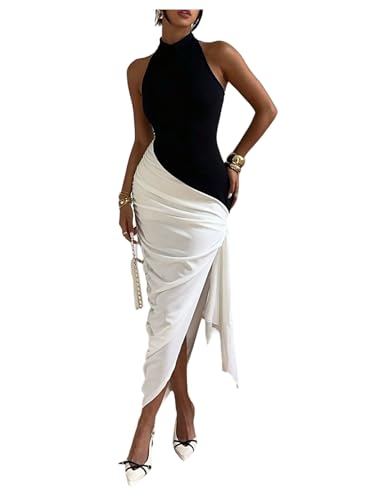
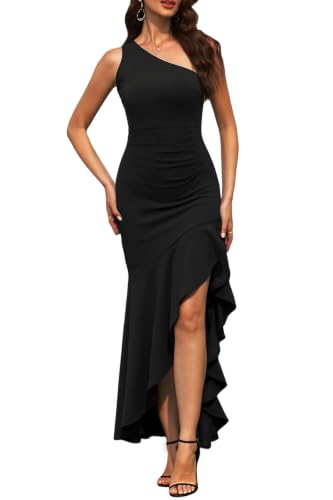
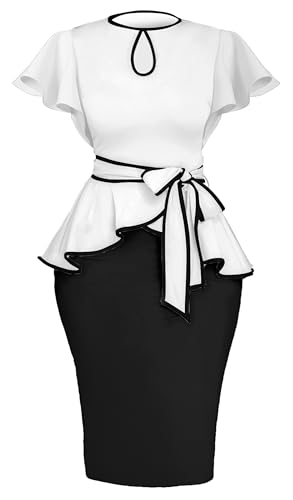
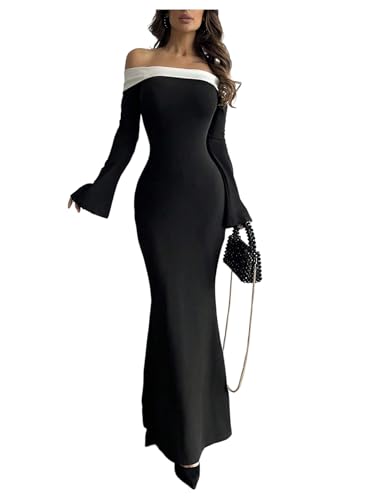
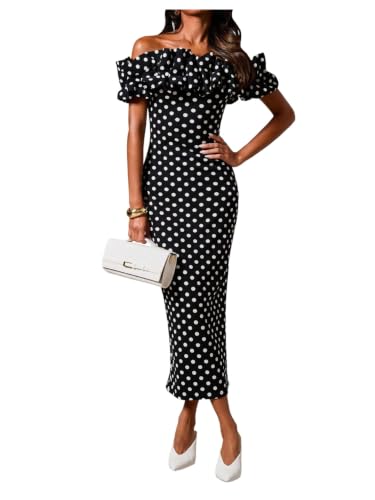
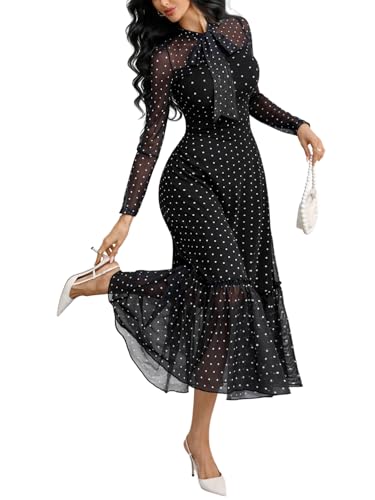
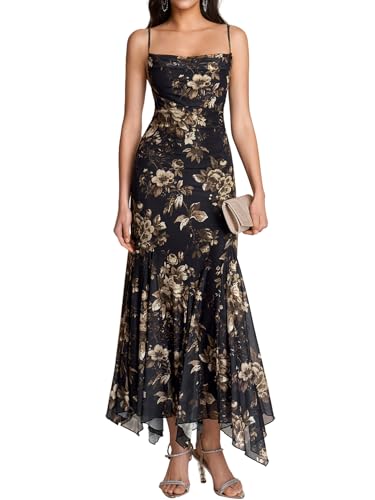
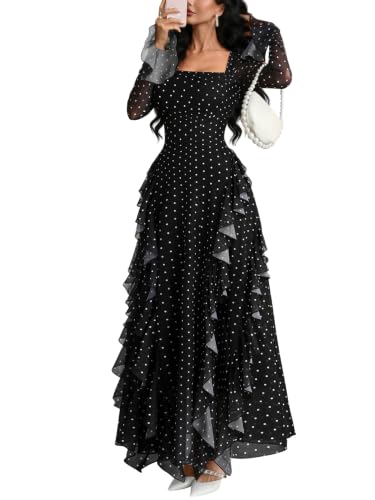
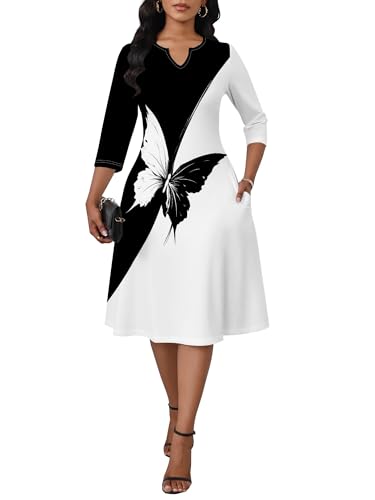
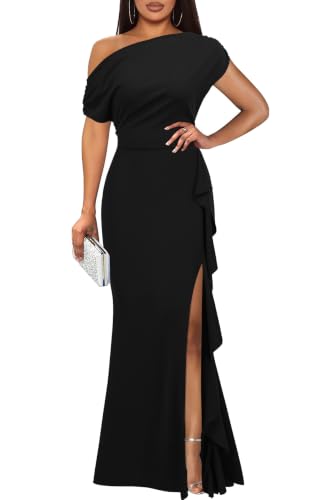
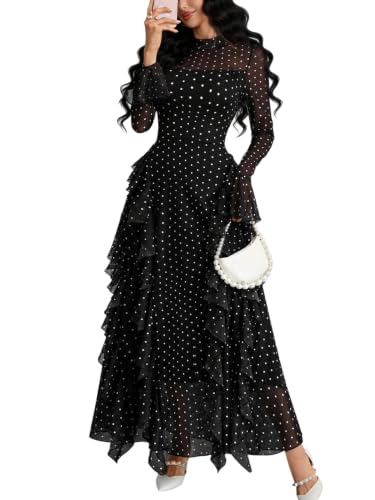
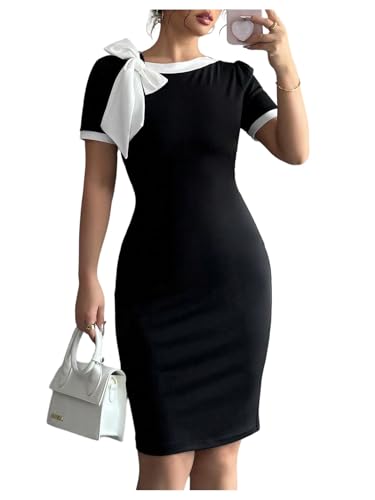
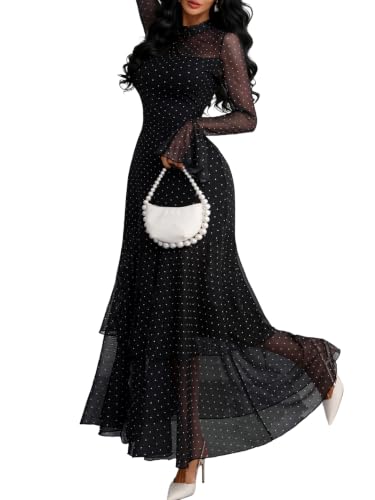
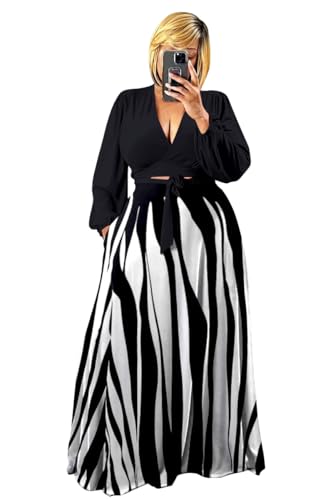
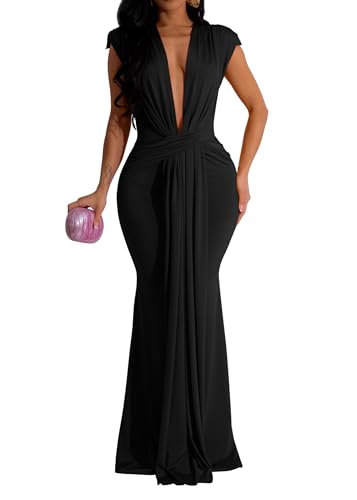
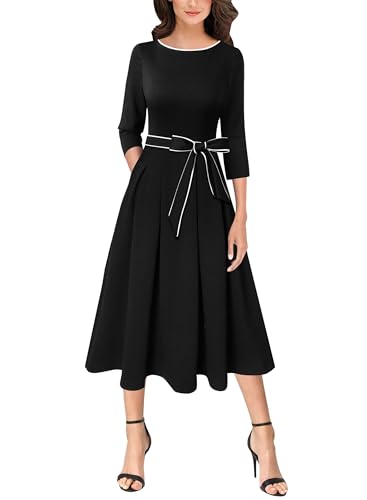
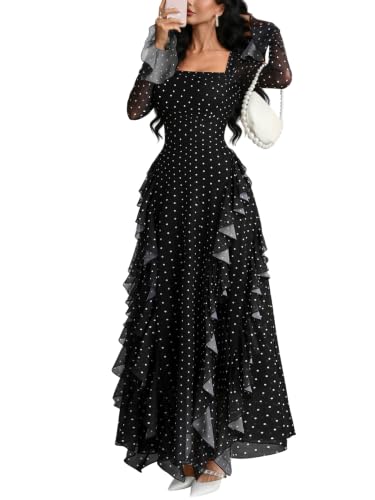
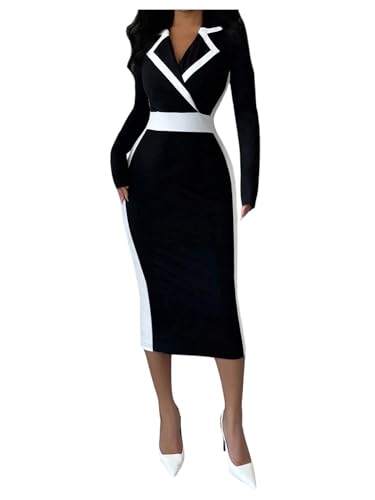
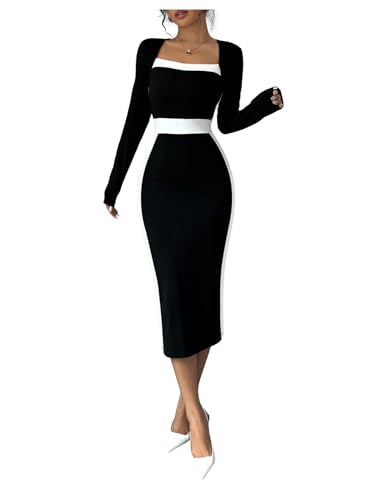
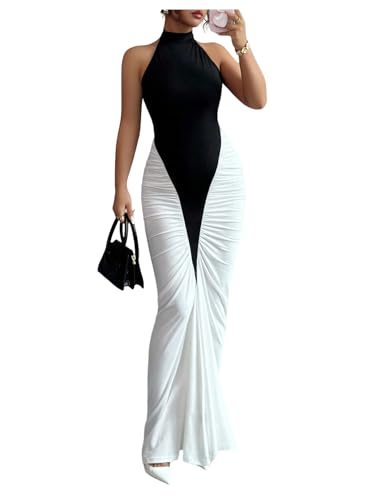
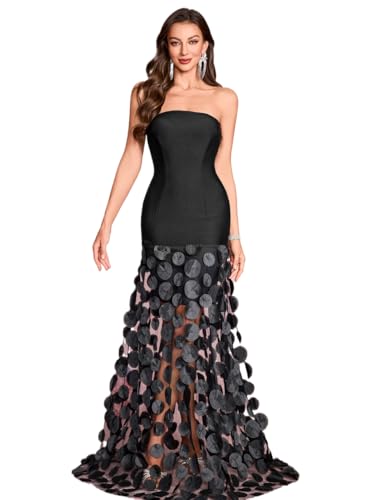
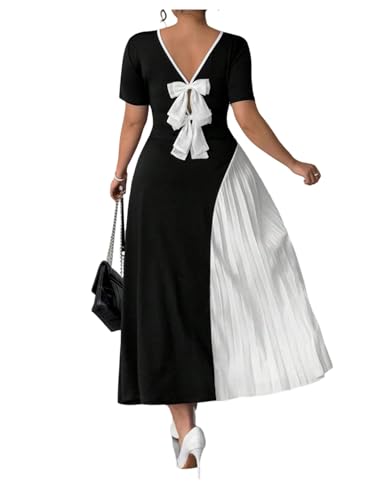
black and white formal dresses for women include monochrome occasion styles for weddings, cocktail events, formal dinners, galas, ceremonies, and black-tie optional celebrations. The product grid below may include color-blocked gowns, printed midis, polka dots, florals, contrast collars, black lace over ivory lining, sleeved dresses, and plus-size options. Compare silhouette, fabric, length, neckline, sleeves, closure, and event suitability before opening the final retailer listing.Black-and-white can refer to sharp color blocking, monochrome print, black lace over pale lining, or small contrast trim, so the product construction matters more than the two-color label. Product names and sizing conventions vary across sellers, so confirm measurements, fabric composition, lining, care, delivery timing, and return terms on the linked retailer page. The dress should remain stable while sitting, walking, reaching, and using stairs in the planned shoes and underlayers.Related shopping paths include formal dresses, black formal dresses, short black formal dresses, and black formal gowns. These categories separate the main search by color, length, silhouette, and dress-code level.

Frequently Asked Questions About Black and White Formal Dresses for Women
What styles are included in black-and-white formal dresses?
They may use color blocking, monochrome print, black lace over pale lining, contrasting trim, embroidery, or separate black and white panels.
Can I wear a black-and-white dress to a wedding?
Often yes, but avoid a white-dominant design that could appear bridal and follow the couple’s dress guidance.
Are black-and-white prints formal?
They can be when the fabric, lining, silhouette, length, and construction match the event’s dress code.
What accessories work with black and white?
Black, white, pearl, silver, gold, or one controlled accent color can work depending on the dress design.
How do I check white fabric for transparency?
Wear the planned undergarments and inspect the dress in daylight, strong indoor light, and flash photography.
Can color-blocked dresses be altered?
Yes, but seam changes can narrow panels, break symmetry, or shift print placement, so obtain a tailor’s advice first.
Do black-and-white patterns look different in plus sizes?
Pattern scale and panel placement may change across sizes, so review the exact variation whenever possible.
How should I care for a black-and-white dress?
Follow the label and avoid treatments that may cause dye transfer or discolor pale panels.
What should I verify on the retailer page?
Check color proportion, lining tone, print placement, fabric, opacity, size chart, length, delivery, returns, and care.
Defining Black-and-White Formal Dresses
The proportion and placement of each color can change the apparent waist, shoulder width, skirt shape, and level of contrast. Black-and-white formal dresses use color blocking, print, embroidery, lace, trim, or layered fabrics rather than one uniform color.
Examine front, side, and back views in the exact variation before judging the design. A white bodice with a black skirt serves a different visual purpose from black lace over white lining.
Color Blocking and Body Placement
Strong vertical panels can lengthen the line of the dress, while horizontal bands divide the silhouette. Side panels, waist inserts, shoulder caps, and contrasting skirts must align correctly with the wearer’s proportions.
Poorly placed blocks can emphasize fit problems that would be less visible in a solid dress. Check whether seams sit symmetrically and whether the contrast shifts when the dress stretches or moves.
Black Lace Over White or Ivory
The lining may be white, ivory, beige, blush, or nude even when the product title says black and white. Confirm the lining color in close-up images and under daylight.
Black lace over a pale lining creates texture and may read softer than geometric color blocking. Lace edges, appliqué, and scalloped hems can restrict resizing or shortening.
Prints, Polka Dots, and Florals
Inspect waist seams, darts, zippers, and side seams for pattern interruption. Printed black-and-white dresses range from small dots and botanical motifs to large abstract graphics.
Print scale and placement may vary between sizes or individual garments. For a formal event, prioritize fabric quality, lining, and silhouette rather than assuming every monochrome print is dressy.
Choosing the Formality Level
Monochrome color does not automatically establish the dress code. Use black formal dresses when a solid option better fits a conservative or evening dress code.
A structured satin gown, beaded midi, chiffon A-line, and cotton day dress may all be black and white while serving different events. Match length, textile, construction, and decoration to the invitation and venue.
Long Black-and-White Gowns
Mermaid, column, A-line, and ball-gown shapes place the color break at different points. Test the back view because contrasting panels may be arranged differently from the front.
Long gowns allow larger panels, sweeping prints, and contrasting trains to define the silhouette. Confirm heel height and whether the hem can be altered without cutting through a border or motif.
Short and Midi Monochrome Dresses
Knee, midi, and short black-and-white dresses can suit cocktail, semi-formal, daytime wedding, and business-related events. Seated length, slit opening, fabric density, and neckline determine whether the dress remains polished in motion.
Sit, cross the room, and climb stairs while observing the hem and color-block seams. A graphic mini may be striking but still unsuitable for a conservative ceremony or formal dinner.
White Placement and Wedding Etiquette
A black-and-white guest dress requires extra attention when white occupies the bodice, skirt, or most of the visible surface. Review the couple’s expectations and avoid designs that could read as bridal from a distance.
Photographs can make ivory, cream, and pale gray panels appear whiter than they look indoors. When uncertain, select a black-dominant design or another color category.
Necklines, Sleeves, and Contrast Trim
Uneven shoulders, gaping armholes, twisted seams, or a shifting neckline stand out against sharp black-and-white edges. Contrast piping or trim makes neckline and sleeve fit more visible.
Use the intended bra during the fitting and check both arms raised and relaxed. Decorative cuffs and collars should sit flat without relying on repeated adjustment.
Fabric Transparency and Lining
White sections reveal transparency, while black sections can hide differences between the outer fabric and lining. Chiffon, mesh, lace, satin, and thin crepe should be checked under direct light.
A lining that ends too high or has a different stretch rate can disrupt both coverage and color balance. Inspect the dress with the planned undergarments from every angle.
Plus-Size, Petite, and Tall Placement
Waist bands, side panels, print size, pocket position, and hem borders can shift in petite, tall, and extended sizes. Look for exact-size images or reviews and compare garment measurements.
Color-block proportions may be redrawn rather than simply scaled across size ranges. Do not keep a misplaced waist or shoulder line merely because the overall circumference fits.
Accessories for a Monochrome Dress
Place the actual shoes, bag, and jewelry beside the dress before finalizing the outfit. Black-and-white dresses support black, white, silver, gold, pearl, or controlled color accents, but the dress should remain the reference point.
The choice depends on whether the design is graphic, romantic, minimalist, or heavily embellished. One deliberate accent color is usually more coherent than several unrelated colors.
Photography and Contrast
High contrast can lose detail in bright flash or low-light phone photographs. Check that the design remains recognizable and that undergarments do not show through pale sections.
White panels may overexpose while black lace, pleats, and seam lines disappear. Take test photographs in daylight, warm indoor light, and direct flash.
Care and Color Transfer
Dye transfer, makeup, self-tanner, deodorant, and spot-cleaning products can mark the pale sections. Store the dress away from dark accessories that may transfer color during humidity or travel.
Black and white fabrics may require care that protects both colors. Follow the label and test any treatment in an inconspicuous area.
Alterations Across Contrast Seams
Alterations are most visible where black and white panels meet. Taking in a side seam can narrow a panel, break symmetry, or misalign a print.
Ask a tailor how the change will affect front-to-back balance before approving the work. Choose the closest fit through the shoulders and color-blocked torso to limit reconstruction.
Black-Dominant Versus White-Dominant Formal Dresses
The dominant color affects wedding etiquette, stain visibility, photography, and how easily the dress can be reworn. A black-dominant formal dress with white piping or a pale collar usually reads differently from a white gown with black appliqué. Estimate the visible color proportion from front, side, and back photographs.
For a wedding guest, a mostly black design is generally less likely to appear bridal than a white bodice and skirt with limited black trim. For formal work events, black-dominant styles may also be easier to layer. Keep in mind that a white train or full pale skirt can remain the most noticeable feature even when the title lists black first.
Tuxedo-Inspired and Tailored Monochrome Dresses
Tuxedo-inspired black-and-white formal dresses may use contrast lapels, button fronts, white cuffs, shirt collars, bow details, or a tailored wrap bodice. These styles suit work galas, award dinners, cocktail receptions, and modern city weddings when the fabric and hem meet the dress code.
Inspect lapel roll, button strain, collar alignment, and bust gaping. A decorative front may be sewn closed even when it looks adjustable. The white collar and cuffs should remain opaque and lie flat beneath a jacket or coat without twisting the neckline.
Asymmetrical and One-Shoulder Black-and-White Gowns
One-shoulder panels, diagonal color blocking, split skirts, and contrasting overskirts use the two colors to direct the eye across the body. Because the design depends on clean geometry, any seam twist or poor shoulder fit becomes obvious. Check whether the diagonal line remains smooth when seated.
An asymmetrical black-and-white evening gown also needs deliberate undergarment planning. Confirm the back height, strap placement, internal support, and color of any visible mesh. Altering one shoulder or side seam may change the intended angle of the color block and should be reviewed by a tailor first.
Black-and-White Mother-of-the-Bride Dresses
Monochrome mother-of-the-bride dresses often include floral jacquard, lace overlays, portrait collars, jacket sets, tea-length skirts, or formal column silhouettes. They can coordinate with many wedding palettes while remaining photographically distinct. Check with the couple when white occupies a large area or the bride has chosen black-and-white décor.
Comfort requirements include stable shoulders, an easy seated waist, sleeve room, and a hem suitable for greeting guests and dancing. A removable jacket should look intentional both on and off. Examine whether a white lining or panel becomes transparent under flash and whether black dye transfers onto pale sections.
Optical Lines, Panel Width, and Fit
Contrast panels make garment proportion easier to see. Narrow black side panels can create a vertical frame, while a white center panel may highlight zipper waviness, bust tension, or an off-center waist. The goal is not optical “slimming” at any cost; the panels should remain symmetrical and follow the intended seams.
If a panel narrows sharply at one side or the print rises higher over one hip, the dress may be twisted or undersized. Compare both side seams and the center back. Stretching a color-block dress beyond its intended ease can expose lining and change the apparent width of each section.
Makeup, Self-Tanner, and Pale Fabric Protection
White collars, necklines, straps, and bodice panels are vulnerable to foundation, lipstick, body makeup, deodorant, and self-tanner. Apply products before dressing, allow them to dry fully, and cover the face or neckline while pulling the garment on. Avoid last-minute spot cleaning on an untested fabric.
Carry a clean wrap or garment bag for travel rather than placing pale sections against car seats or dark bags. At the event, keep black napkins or newly dyed accessories away from damp white fabric. Follow the care label because home stain removers can leave rings or alter optical brighteners.
Rewearing a Black-and-White Formal Dress
A monochrome formal dress can serve several occasions when the silhouette is not tied to one highly specific theme. A tailored midi may move from a business dinner to a cocktail wedding, while a floor-length color-block gown is better reserved for galas and black-tie optional events. Accessories can change the mood without changing the dress code.
For repeat value, favor secure construction, manageable care, and a pattern that remains balanced after minor weight fluctuation. Detachable bows, belts, capes, or jackets provide variation, but confirm that the dress still looks complete without them. Store black and white sections so dark dye cannot press against pale fabric.
Black-and-White Satin, Taffeta, and Jacquard
Solid panels of satin or taffeta create sharper color separation than chiffon or lace, while jacquard can weave black and white into one textured surface. Satin shows seam tension and flash highlights, taffeta holds volume and may rustle, and jacquard requires pattern alignment across bodice and skirt seams.
Check whether white panels are fully lined and whether black sections transfer dye when damp. Structured fabrics need enough ease at the bust, waist, and hip because contrast makes pulling obvious. For travel, plan wrinkle removal that is approved for the exact textile and any bonded interfacing.
Polka-Dot Black-and-White Formal Dresses
Polka-dot formal dresses range from small pin dots on chiffon to oversized circles on satin or organza. Dot scale, spacing, and fabric determine whether the result feels classic, playful, retro, or dramatic. For formal use, prioritize refined construction, controlled print placement, and an event-appropriate hem.
Inspect whether dots are cut unevenly at side seams, darts, and zippers. Large dots can change proportion across size ranges and may look different from the sample garment. A black background with white dots is usually less bridal for wedding guests than a predominantly white design.
For a narrower search, distinguish a black-and-white evening gown from a monochrome cocktail dress, black lace over white lining, polka-dot formal dress, or color-blocked midi. These secondary keywords describe different proportions and dress-code levels. Filter by dominant color, length, and fabric first, then inspect pattern placement and wedding suitability on the exact product page.
For online comparison, record the black-to-white ratio, shortest hem point, lining color, fabric stretch, and whether the print or panel placement is fixed. This small checklist prevents a dramatic product image from hiding a white-dominant back, uneven side panel, transparent skirt section, or alteration problem at a contrast seam.
Final Black-and-White Try-On
The final review should confirm fit, contrast placement, opacity, etiquette, and dress-code suitability. Inspect seam symmetry, white-section coverage, hem position, and closure stability.
Wear the complete outfit and test sitting, walking, stairs, arm movement, and photographs. Keep tags, packaging, and the return deadline until the dress passes every test.