
Burgundy Formal Dresses for Women
burgundy formal dresses for women include wine-red occasion styles for black-tie weddings, galas, proms, military balls, formal dinners, holiday events, and mother-of-the-bride or groom attire. The product grid below may include satin gowns, chiffon A-lines, velvet maxis, lace dresses, sequined styles, sleeves, jackets, and plus-size options. Compare the exact shade, silhouette, fabric, length, neckline, and seller terms before choosing from a styled product image.Burgundy is not one fixed color. Retailers may use burgundy, wine, merlot, claret, oxblood, or dark red for shades that differ in purple, brown, or blue undertones. Verify the color name on the selected variation, inspect customer photographs when available, and check fabric, lining, closure, measurements, delivery timing, and return eligibility on the final retailer page.Related shopping paths include formal dresses, maroon formal dresses, red formal gowns, and formal Christmas dresses. These categories help separate deep red color intent from broader formal, seasonal, and gown-specific searches.
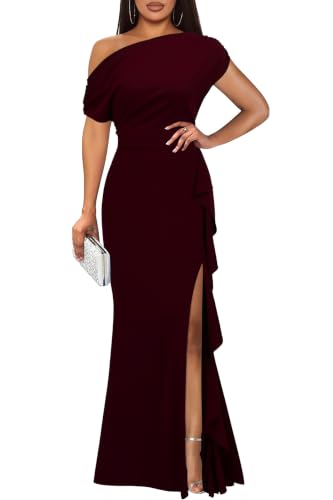
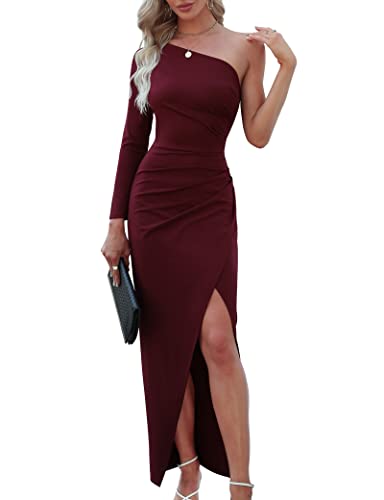
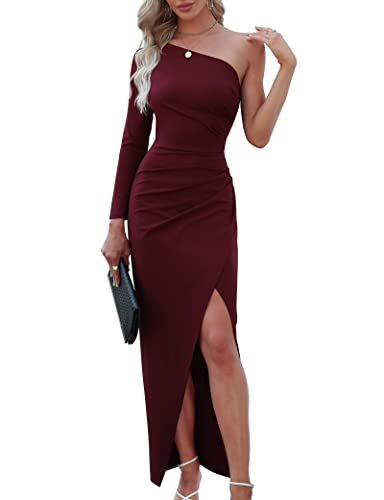
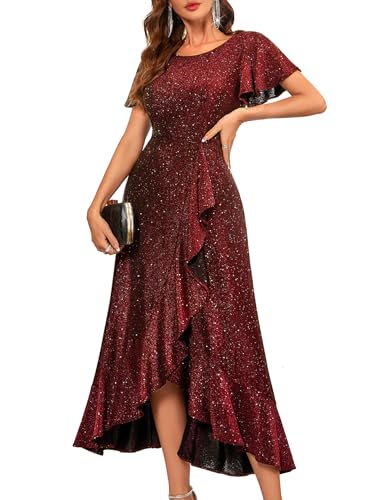


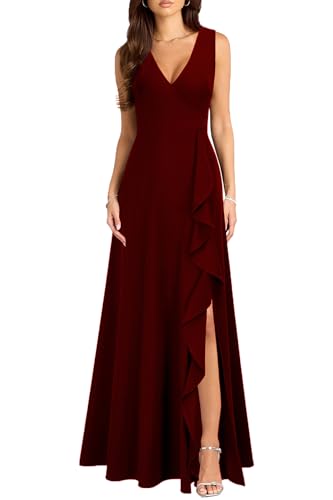


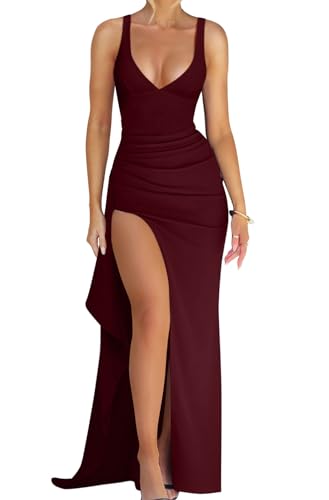


Sukleet Lace Applique Rustic Mother of The Bride Dress for Women with Short Sleeves Scoop Neck Formal Party Gowns Burgundy Size 8
Original price was: $84.98.$79.99Current price is: $79.99.


Noras dress Ruffle Sleeves Bridesmaid Dresses Long for Women Burgundy V Neck Chiffon A Line Formal Party Dress with Slit 8
Original price was: $69.99.$49.97Current price is: $49.97.

Frequently Asked Questions About Burgundy Formal Dresses for Women
Is burgundy appropriate for a formal wedding?
Yes. Burgundy can work for formal and black-tie optional weddings when the length, fabric, and styling match the invitation and do not intentionally copy the bridal party.
What is the difference between burgundy and maroon?
Burgundy often has a cooler red-purple undertone, while maroon commonly appears browner. Retailer naming varies, so inspect the selected color and customer photographs.
Which fabrics look best in burgundy formal dresses?
Satin creates shine, chiffon creates movement, velvet adds depth, crepe gives a matte finish, and lace or sequins add texture. The correct choice depends on the event and season.
Can I wear burgundy to a black-tie event?
Yes, especially in a floor-length satin, velvet, chiffon, crepe, or embellished gown with formal construction and secure fit.
What shoes match a burgundy formal dress?
Black, gold, silver, nude, bronze, and matching burgundy shoes can work. Coordinate the shoe finish with the dress hardware, jewelry, and event formality.
Is burgundy suitable for summer?
Yes. Choose lighter chiffon, georgette, crepe, mesh, or sleeveless construction for warm weather rather than heavy velvet or dense long sleeves.
How should a burgundy gown fit?
It should remain secure through the bust and neckline, allow normal breathing and sitting, and clear the floor safely in the intended shoes.
Can burgundy formal dresses be altered?
Many can be hemmed or adjusted, but velvet, lace, sequins, corset boning, and decorated hems may require specialist work.
What should I verify before ordering?
Check the exact color variation, seller, measurements, fabric, lining, closure, delivery date, return terms, care instructions, and included accessories.
Burgundy, Wine, Maroon, and Oxblood
Burgundy usually sits between red and purple, while maroon often appears browner and oxblood can look nearly black in low light. Product titles use these names inconsistently, so the selected color swatch and real garment photographs matter more than the category label.
Compare the dress in daylight, warm indoor light, and flash photography. A satin wine shade may photograph brighter than a matte crepe burgundy, while velvet can absorb light and appear deeper at an evening venue.
Choosing Burgundy for the Dress Code
Burgundy works across cocktail, formal, black-tie optional, and selected black-tie events because the fabric and construction can raise or lower its formality. A structured floor-length satin gown reads differently from a short jersey wrap dress in the same color.
Match the hem, surface finish, neckline, and embellishment to the invitation rather than treating a dark color as automatic proof of formality. For a strict black-tie event, prioritize full length, refined construction, and secure support.
Burgundy Satin Formal Dresses
Satin emphasizes the richness of burgundy through reflected light, but it also exposes pulling, wrinkling, and uneven seams. Bias-cut slips, draped columns, corset gowns, and A-line satin dresses require different amounts of ease through the bust, waist, and hips.
Inspect front, side, and back views for tension lines around the zipper, waist seam, and seat. Confirm whether the satin is stretch, charmeuse, duchess, or a stiffer woven blend because each fabric changes fit and alteration options.
Burgundy Chiffon and Georgette Gowns
Chiffon and georgette create softer movement for weddings, proms, and evening receptions. The outer layer may look loose while a fitted lining controls the actual bust, waist, hip, and seated comfort.
Check the number of skirt layers, lining length, transparency under strong light, and whether pleats remain flat across the bodice. Layered chiffon hems can require specialist shortening, especially when the front and back lengths differ.
Burgundy Velvet Formal Dresses
Velvet gives burgundy greater depth and is especially relevant for autumn, winter, Christmas, and evening events. The pile direction changes how the color reflects, so panels can appear mismatched even when they are cut from the same shade.
Review garment weight, indoor temperature, sleeve mobility, and pressure marks from sitting. Stretch velvet may feel forgiving, but a rigid lining or narrow sleeve can still determine the correct size.
Lace, Sequins, and Beaded Burgundy Dresses
Lace and beadwork can shift burgundy toward romantic, vintage, or gala styling depending on scale and placement. Dense sequins create stronger reflection, while tonal lace produces a quieter surface suitable for formal weddings and family ceremonies.
Check underarm abrasion, backing fabric, bead security, and decoration at side seams or hems. Embellishment can make resizing, strap changes, and hemming more expensive than the purchase price suggests.
Burgundy Wedding Guest Dresses
Burgundy is widely used for fall and winter wedding guest attire, but the invitation still controls length and detail. Avoid matching the bridal party intentionally unless the couple has confirmed the color palette is open to guests.
For daytime venues, chiffon, crepe, floral burgundy, or a refined midi may be sufficient. Evening and black-tie weddings can support satin, velvet, sequins, or a floor-length gown when the styling does not resemble the bride or ceremonial party.
Mother-of-the-Bride and Groom Options
Burgundy works for mothers and close family members when the wedding palette supports deep red tones. Jackets, cape sleeves, lace overlays, and three-quarter sleeves can add coverage without forcing a heavy full-length silhouette.
Coordinate with the couple before ordering because burgundy can overlap with bridesmaid or decor colors. Confirm seated comfort, photography under venue lighting, and whether the dress remains polished through the ceremony, meal, and dancing.
Prom, Gala, and Military Ball Styling
Prom and gala shoppers can choose dramatic skirts, corset bodices, slits, sequins, or one-shoulder designs, while military balls often favor secure floor-length construction and restrained exposure. Venue rules and school policies should be checked before purchase.
Test walking, stairs, sitting, dancing, and raised-arm movement with the intended shoes. A high slit or low back that looks controlled in a standing image may shift significantly during a full evening.
Necklines and Bodice Support
Sweetheart, V-neck, square, halter, off-shoulder, and one-shoulder burgundy dresses require different support garments and torso measurements. Dark fabric can hide shadows in photographs, making neckline stability difficult to judge from one front-facing image.
Use the planned bra or built-in cups during the home fitting. Check side coverage, back depth, arm movement, boning, grip tape, and closure security before removing tags.
Sleeves and Seasonal Coverage
Long lace sleeves, velvet sleeves, flutter sleeves, and jacket sets can make burgundy practical for cooler venues. Sleeve fit depends on shoulder width, upper-arm circumference, elbow movement, and whether both the outer fabric and lining stretch.
Try the dress under the intended coat or wrap. Tight outerwear can crush velvet pile, catch sequins, or pull an off-shoulder neckline out of position.
Short, Midi, and Floor-Length Burgundy Dresses
A short burgundy cocktail dress may suit semi-formal parties, while midi and tea-length styles cover many weddings and formal dinners. Floor-length gowns are the stronger choice for black-tie, gala, prom, and ceremonial settings.
Use exact shoulder-to-hem or hollow-to-floor measurements instead of relying on model height. Shoe height, skirt shape, train length, and seated coverage can change whether the selected length works.
Gold, Silver, Black, and Nude Accessories
Gold accessories warm burgundy, silver or crystal details sharpen its cooler undertones, and black accessories create a high-contrast evening look. Nude or metallic shoes can reduce visual weight when the gown already has strong color and embellishment.
Match accessory finish to the dress hardware and beadwork rather than mixing several unrelated metallic tones. Keep jewelry simpler around beaded necklines, cape sleeves, or heavily sequined bodices.
Plus-Size Burgundy Formal Dresses
Plus-size fit should be evaluated through bust depth, waist placement, upper arms, shoulder width, and the behavior of the lining. Dark color does not correct a bodice that rides, twists, or restricts sitting.
Choose the size from the least flexible area and compare garment measurements when available. A-line, wrap, empire, and stretch-crepe styles can offer different types of ease, but none replace accurate measurements.
Alterations and Color Matching
Burgundy can be difficult to match across different fabrics, dye lots, and sellers. Extra fabric for straps, sleeves, or modesty panels may not match the received dress even when the listed color name is identical.
Ask a tailor about hems, side seams, beading, lace placement, and velvet handling before the return window closes. Keep removable accessories and matching jackets with the garment during every fitting.
Matching Burgundy Undertones to the Complete Outfit
Burgundy formal dresses can lean blue-purple, red, brown, or nearly black, and that undertone affects every accessory placed beside the fabric. Cool wine shades often coordinate cleanly with silver, pewter, crystal, navy, and blue-red lipstick, while warmer claret and brown-based burgundy may work better with antique gold, bronze, chocolate, camel, or warm nude shoes. These are coordination options rather than fixed rules; the received dress and the wearer’s preferred contrast should control the decision.
Compare accessories directly against the garment instead of shopping from the product photograph alone. Marketplace images may be edited, and reflective fabrics can shift color from one image to the next. Place the dress beside the intended shoes, bag, wrap, jewelry, and makeup in daylight, then repeat the comparison under warm indoor light. When the dress already includes beads, sequins, buckles, or exposed zipper hardware, use that finish as the starting point so the outfit does not collect several unrelated metallic tones.
Photography, Backdrops, and Venue Lighting
Deep red dresses can lose detail in dim ballrooms or appear brighter under direct flash. Velvet absorbs light, matte crepe keeps a quieter surface, satin reflects highlights, and sequins may create small areas of intense brightness. Review front, side, and back photographs with and without flash before the return deadline. This reveals whether bodice seams disappear, the lining shows through, or the shade moves closer to red, purple, or brown than expected.
Consider the event backdrop as well. Burgundy may blend into dark wood interiors, red holiday décor, or similarly colored bridesmaid dresses, while it creates stronger separation against pale walls, greenery, stone, or neutral linens. The goal is not to avoid a coordinated palette, but to understand how the dress will read in group photographs. For a family wedding role, confirm the chosen shade with the couple and compare it with the planned wedding-party colors before alterations begin.
Daytime, Evening, and Seasonal Styling
The same color can support different dress codes when fabric, length, and styling change. A burgundy chiffon midi with refined flats may suit a daytime ceremony, while a floor-length satin or velvet gown fits an evening reception, gala, or black-tie optional invitation. For warm seasons, prioritize breathable linings, lighter georgette, crepe, mesh, or sleeveless construction. For winter events, velvet, long sleeves, heavier satin, and coordinated outerwear can add warmth without relying on a bulky layer that distorts the silhouette.
Time of day also affects accessories. Daytime outfits usually benefit from controlled shine and practical shoes, whereas evening styling can support crystal jewelry, metallic heels, darker makeup, or a structured clutch. Shoppers comparing broader event options can also review elegant formal dresses to separate color preference from the level of formality required.
Coordinating Burgundy for Wedding Family Roles
Mothers, stepmothers, grandmothers, and other close relatives often need a dress that complements the wedding palette without appearing to be a bridesmaid uniform. Burgundy can coordinate with blush, navy, champagne, forest green, dusty rose, gold, and autumnal florals, but the exact combination should be approved by the couple. Ask whether the wedding party is using burgundy, wine, maroon, or another deep red, because these names may refer to visibly different shades from different sellers.
Do not rely on a digital swatch for a precise match across chiffon, satin, lace, and velvet. Even products from the same retailer can vary by dye lot or fabric base. When several family members are coordinating, aim for a harmonious range rather than an accidental near-match that looks incorrect in person. Keep the final outfit practical for the full wedding schedule, including ceremony seating, photographs, dinner, greetings, and dancing.
Online Shopping Evidence and Seller Comparison
A strong burgundy listing should identify the selected color, fabric composition, lining, closure, size chart, garment length, seller, shipping estimate, and return terms. Product titles alone are weak evidence because one listing may group wine, dark red, maroon, and burgundy variations. Confirm that reviews and customer photographs apply to the exact option being considered, especially on marketplace pages where sellers or materials can change under one product record.
Compare at least two realistic choices using the same criteria: total cost, event suitability, least-flexible measurement, delivery margin, alteration complexity, and return eligibility. A lower-priced gown is not the better value when it requires specialist hemming, arrives close to the event, or cannot be returned. Save screenshots of the selected variation and seller terms so there is a record if the received shade or construction differs materially from the order page.
Rewear, Care, and Long-Term Value
Burgundy has useful repeat-wear potential because it can move between weddings, formal dinners, holiday events, galas, and family celebrations. Simpler crepe, chiffon, wrap, and column silhouettes are often easier to restyle than highly themed sequins, large appliqué, or a dramatic train. Change the outer layer, jewelry, bag, shoes, and hairstyle to shift the same dress from a winter evening event to an autumn wedding or formal dinner.
Read the care label before buying, not after the first wear. Velvet, beadwork, lace, satin, and layered chiffon may require different storage and cleaning methods. Use a breathable garment bag, support heavy gowns at the waist when appropriate, and avoid wire hangers that distort straps or shoulders. Treat stains quickly according to the fabric instructions, and do not apply high heat or steam directly to sequins, adhesive stones, velvet pile, or delicate synthetic surfaces without confirming that the method is safe.
Final Burgundy Dress Checklist
Confirm the exact shade, dress code, fabric, lining, measurements, closure, length, and seller before comparing price. Photograph the received dress in daylight and flash, then complete a seated and movement test in the full outfit.
Keep tags, packaging, and order records until neckline security, sleeve comfort, hem length, and color under venue-like lighting have been approved. Return a fundamentally incorrect fit instead of budgeting for uncertain reconstruction.