
Junior Formal Dresses
junior formal dresses include prom gowns, homecoming dresses, winter formal styles, school dance dresses, banquet and graduation outfits, wedding guest dresses, cocktail lengths, long gowns, sequins, satin, corsets, sleeves, and junior plus options. The product grid below may contain prom and homecoming dresses, mini, midi, and long lengths, satin, sequins, tulle, corset details, sleeves, and junior size ranges from multiple brands, sellers, size systems, and return programs. Use this category to compare suitable options, then verify the exact variation, measurements, construction, delivery window, care, and event requirements on the final retailer page.The phrase junior formal dresses is used broadly in online shopping. Products with the same category label can differ in dress-code level, fabric weight, lining, support, age range, proportions, and included pieces. Do not assume that a styled image proves fit or formality; confirm the selected color and size, seller identity, material details, closure, current stock, shipping terms, and return eligibility before checkout.Related shopping paths include girls formal dresses, prom dresses, formal mini dresses, and formal party dresses. These categories separate younger girls’ sizing, prom-specific shopping, short formal length, and broader celebration attire, allowing shoppers to narrow the catalog without treating closely related search phrases as identical.
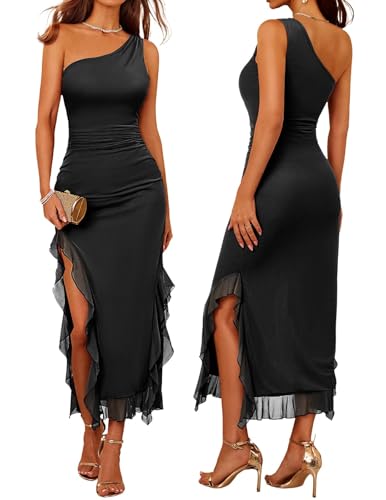




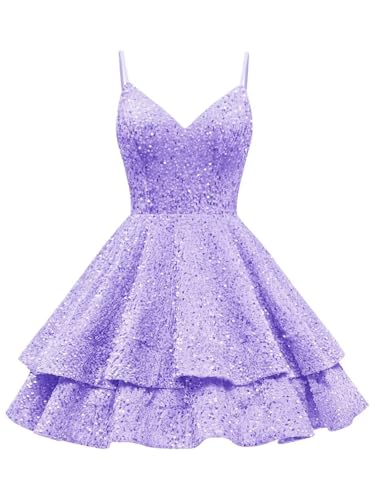

YMSHA Spaghetti Straps Sequin Gold Homecoming Dresses for Juniors Sweetheart Tight Sparkly Short Cocktail Prom Dress for Teens 8
Original price was: $64.88.$49.99Current price is: $49.99.


MEROKEETY Women’s Square Neck Lantern Long Sleeve Mesh Ruched Bodycon Clubwear Mini Dress Pink Medium
Original price was: $49.99.$41.99Current price is: $41.99.


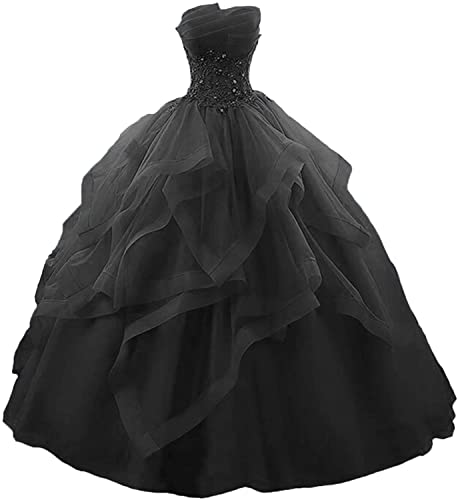


YMSHA Satin A Line Bridesmaid Dresess for Women High Slit Burnt Orange Short Sleeve Formal Party Dress for Juniors 14
Original price was: $69.99.$47.99Current price is: $47.99.

Frequently Asked Questions About Junior Formal Dresses
What are junior formal dresses?
They are formal and special-occasion dresses marketed in junior or teen sizing for prom, homecoming, dances, banquets, weddings, and similar events.
Is junior sizing the same as women’s sizing?
No. Junior and women’s size systems can use different bust, waist, hip, rise, and torso proportions.
What should I wear to prom?
Choose a school-compliant formal dress or gown that remains secure and comfortable through photographs, sitting, stairs, and dancing.
Are short dresses appropriate for homecoming?
Often yes, but local school traditions and the current dress code should control the choice.
How do I check a school dress code?
Review the current written policy for neckline, back, cutouts, slit, transparency, and hem requirements before ordering.
Which measurements are needed?
Measure bust, waist, hips, shoulders, torso, upper arms, height, and required garment length using the intended base layers.
How early should a prom dress be ordered?
Allow time for delivery, exchange, hemming, strap adjustments, pressing, and a complete movement test.
Can junior formal dresses be altered?
Yes, but boning, beadwork, lace, corset panels, and multilayer skirts can increase cost and difficulty.
What should I verify before ordering?
Check size system, seller, measurements, fabric, lining, closure, coverage, school rules, delivery, returns, and care.
Understanding Junior Formal Dresses
Junior formal dresses are designed around junior or teen sizing and are commonly marketed for prom, homecoming, school formals, banquets, graduations, and young wedding guests. Retailers may use girls, kids, junior, teen, flower girl, party, pageant, communion, and special occasion labels inconsistently. The safest interpretation comes from the listed size range, garment measurements, construction, coverage, and the real activities planned for the event.
This page should distinguish junior sizing from girls and women’s misses sizing while covering school policies, age-appropriate support, trend-led silhouettes, and guardian-approved purchasing. Closely related category pages can show similar dresses, but they should serve different age, sizing, and occasion questions. Treat the title as a catalog route, then confirm that the selected product is appropriate for the wearer’s measurements, maturity, comfort, role, and supervision needs.
Choosing for the Occasion and Age Group
Junior formal events may include prom, homecoming, winter formal, school banquets, graduation celebrations, weddings, quinceañeras, and formal family events. Weddings, flower-girl duties, school dances, recitals, communions, baptisms, holiday services, pageants, banquets, graduations, and family photographs impose different expectations. School and venue rules may restrict neckline depth, cutouts, slit height, transparency, train length, or footwear.
When comparing junior formal dresses, let the parent, guardian, and wearer review the complete schedule together. A dress must work for waiting, eating, greeting, photographs, and travel, not only a short entrance. For school events, check the written dress code before ordering; for weddings, coordinate colors and ceremonial roles with the couple.
Silhouette and Age-Appropriate Proportion
Junior assortments often include fitted minis, skater dresses, corset gowns, A-lines, ball gowns, columns, high-low hems, and trend-led cutouts. A-lines and fit-and-flare dresses provide movement, empire waists release higher on the torso, sheaths require closer hip and stride checks, and ball-gown skirts create more volume and heat. Proportion should suit the wearer rather than imitate an adult sample image.
For junior formal dresses, inspect shoulder width, bodice length, waist seam position, armholes, skirt volume, and how the silhouette changes while seated. A full skirt cannot correct a shallow bodice or tight sleeve. Choose the style that lets the teen or junior wearer stand naturally, breathe, and move without constant adult adjustment.
Fabric, Lining, and Skin Comfort
Satin, glitter mesh, sequins, tulle, lace, stretch jersey, velvet, and embellished fabrics should be checked for lining, scratchiness, and durability. Tulle, lace, sequins, glitter mesh, satin, organza, velvet, and appliqué can look festive but may scratch, snag, shed, trap heat, or feel stiff. A soft lining and covered seams matter because children and teens may wear the garment for several hours.
Check junior formal dresses for lining through the bodice and skirt, rough zipper tape, exposed boning, loose beads, glitter transfer, heavy embellishment, and care instructions. Ask the wearer directly about itchiness and pressure. A beautiful dress that causes skin irritation or overheating is not a successful formal purchase.
Length, Hem, and Trip Safety
School rules and event type may control mini, knee, midi, high-low, or floor lengths, with seated coverage and dance movement tested in advance. Knee, tea, ankle, high-low, maxi, and floor lengths change with rapid growth and shoe choice. Trains and long tulle layers can be hazardous on stairs, crowded dance floors, wet pavement, and outdoor paths.
With junior formal dresses, measure from shoulder or waist to the intended hem while the wearer is standing in event shoes. Test walking fast, climbing stairs, sitting, and getting into a vehicle. If the hem needs shortening, decide whether lace borders, embroidery, horsehair trim, or multiple layers make the alteration impractical.
Necklines, Sleeves, and Coverage
Strapless necklines, low backs, cutouts, sheer panels, high slits, and corset styles require policy, support, and comfort review. Coverage should remain stable while bending, reaching, dancing, and sitting. Sleeveless, off-shoulder, strapless, open-back, illusion, and high-slit designs require closer age, policy, and support review than a controlled neckline with secure straps or sleeves.
During a fitting for junior formal dresses, check armholes, side exposure, back depth, strap security, sleeve room, and whether a shrug or jacket restricts movement. For junior wearers, plan age-appropriate base layers. For younger children, avoid designs that depend on tape, repeated pulling, or complicated adjustments.
Color, Wedding Roles, and Photography
School colors, prom themes, wedding palettes, photography, and personal preference may guide color, while white requires wedding caution. White, ivory, champagne, blush, and pale gold may overlap with bridal or flower-girl palettes, while saturated colors and prints can photograph differently under flash. Wedding-party colors should be approved rather than guessed from online swatches.
When junior formal dresses are worn at weddings, confirm whether the wearer is a guest, flower girl, junior bridesmaid, or family participant. For recitals, pageants, school events, and group photographs, check required colors and stage lighting. Photograph the received dress in daylight and flash before removing tags.
Measuring Growing Children
Junior charts often use narrower hips, shorter rises, or different bust proportions than misses sizes, so exact measurements matter. Children and juniors grow unevenly, and age labels such as 8, 10, 12, 14, 16, junior small, or teen medium are not standardized. Height, chest or bust, waist, hip, shoulder width, upper arm, torso length, and shoulder-to-hem measurements are more useful.
Measure junior formal dresses over the intended base layer close to the ordering date. Use the exact seller chart and identify the least flexible area. Allow modest breathing and movement ease, but do not buy so large that straps fall, the waist seam drops, or the hem becomes unsafe. Growth allowance should remain controlled.
Closures, Waistbands, and All-Day Comfort
Bras, cups, boning, fashion tape, and base layers should be age appropriate, secure, and tested through dancing and seated activity. Zippers, buttons, hooks, ties, elastic, smocking, and waistbands should be simple enough for the wearer or supervising adult to manage. Tight elastic, hard sequins, corset-style lacing, or heavy skirts can become uncomfortable during meals and long ceremonies.
For junior formal dresses, complete a ten-minute seated test and check the neckline, waistband, zipper, and lining afterward. The wearer should be able to use the restroom with realistic assistance, eat comfortably, and raise both arms. Avoid closures that create pressure points or require emergency pinning.
Shoes, Layers, and Simple Accessories
Shoes should be comfortable enough for dancing, and bags, jewelry, wraps, and hair accessories should not compete with heavy embellishment. Shoes should be stable, broken in, and appropriate for the surface. Tights, socks, cardigans, shrugs, coats, hair accessories, and small jewelry can complete the outfit, but they should not introduce snagging, choking, or tripping risks.
Style junior formal dresses with restraint. A heavily embellished dress usually needs simple accessories, while a plain satin or crepe style can support one decorative headband or small necklace when age appropriate. Test the coat and bag with the dress so bows, tulle, sleeves, and appliqué are not crushed.
Venue, Weather, and Activity Level
School gyms, hotels, ballrooms, outdoor photo locations, transportation, and coat-check arrangements change practical requirements. Grass, gravel, church steps, school gyms, banquet halls, stage lights, winter weather, outdoor heat, and air-conditioned rooms change practical needs. Breathable lining, removable layers, stable shoes, and manageable skirts often matter more than a seasonal trend.
For junior formal dresses, plan travel and waiting time as well as the ceremony. Bring an appropriate layer, stain-removal supplies, and comfortable backup shoes when the schedule is long. Avoid delicate trains or open footwear when the venue makes them unsafe or difficult to keep clean.
Walking, Sitting, Dancing, and Restroom Use
The wearer should test dancing, stairs, sitting, group photos, vehicle entry, and restroom use without repeated adjustment. The wearer should be able to walk, sit, dance, bow, climb stairs, eat, and use the restroom without the dress twisting or requiring constant supervision. Styled images rarely show how a garment behaves after an hour of play or seated activity.
Complete a home rehearsal of junior formal dresses. Ask the wearer to take full steps, sit on different chairs, raise both arms, turn, and move at the expected event pace. Watch for scratchy underarms, waist pressure, falling straps, slippery linings, and hems that catch the shoes.
Size Ranges, Growth Allowance, and Inclusive Fit
Junior plus and extended sizes should preserve cup placement, armholes, waist level, and length rather than simply widening a sample-size pattern. Size ranges may include toddler, little girl, big girl, girls plus, juniors, petite junior, or extended sizing, but labels do not guarantee proportional grading. Some children need more room through the chest, waist, hips, arms, or sensory-sensitive areas without extra length everywhere.
When evaluating junior formal dresses, look for garment measurements and reviews from comparable heights and builds. Adaptive needs may include soft closures, tag-free lining, room for medical devices, seated comfort, or easy dressing. Fit quality should be judged by movement and placement, not by whether the label matches chronological age.
Alterations, Reuse, and Hand-Me-Down Planning
Prom gowns and corset dresses may need hems or straps, while beading, lace, boning, and multilayer skirts make major changes expensive. Simple hems, strap adjustments, and small waist changes may be practical, while tulle layers, lace borders, beading, corset panels, appliqué, and fixed waist seams increase cost. Major changes are risky when the wearer may grow again before the event.
For alterations to junior formal dresses, schedule the final fitting close enough to the event to account for growth but early enough for corrections. Preserve seam allowance when possible and avoid irreversible work before the return period closes. A simpler dress with better initial fit often provides better value and reuse.
Budget, Delivery, and Backup Options
Include tickets, shoes, accessories, alterations, hair or beauty plans, cleaning, and a backup option when setting the dress budget. The real budget includes shipping, tax, alterations, shoes, layers, accessories, cleaning, and a backup plan. Children may outgrow formal clothes quickly, while juniors may need enough time to exchange a trend-led style that does not meet school rules or fit expectations.
Sales on junior formal dresses can be useful when the exact size, delivery date, and return terms remain workable. Consider repeat wear, sibling hand-me-down potential, resale, or donation, but do not sacrifice current comfort and safety for future use. Order early enough to test the complete outfit.
Seller, Delivery, and Return Verification
Confirm whether the listing uses junior, women’s, or girls sizing and whether school-dress-code claims are supported by actual measurements. Category pages can combine several brands or marketplace sellers, and the visible image may not describe every color, size, or included piece. Confirm the final destination domain, seller name, brand field, selected variation, current price, material, measurements, stock status, delivery estimate, and whether reviews apply to that exact product.
Order junior formal dresses with enough time for inspection, exchange, pressing, and alterations. Save the size chart and checkout terms, keep packaging and tags, and test the garment immediately after arrival. A delivery estimate that leaves no recovery window before the event creates avoidable risk.
Junior Sizing Versus Girls and Women’s Sizing
Girls sizing is generally organized by age or child ranges, while junior sizing is intended for teen or young-adult proportions. Women’s misses sizes often use different bust, waist, hip, rise, and torso relationships. The same number across these systems does not represent the same garment measurements.
Use the chart attached to the exact product and measure close to the event. A teen may fit better in misses, petite, junior plus, or another range depending on proportions. Choose the system that places shoulders, bust, waist, and hem correctly rather than the label that feels most age appropriate.
Prom, Homecoming, and School Dress-Code Checks
Schools may regulate neckline depth, cutouts, back exposure, slit height, transparency, and hem length. Rules can change by event and may be enforced differently at entry. Review the current written policy before ordering and test coverage while sitting and dancing, not only standing.
Prom generally supports long gowns and greater ceremony, while homecoming often favors shorter party dresses, though local traditions vary. Plan shoes, transportation, photographs, outerwear, and the full evening. A secure dress allows the wearer to enjoy the event without constant monitoring.
Final Junior Formal Dress Checklist
Before purchasing junior formal dresses, confirm the event, wearer role, exact measurements, fabric, lining, closure, coverage, length, color, seller, delivery window, return terms, care, and realistic alteration needs. Remove any product that fails a critical requirement before comparing decorative details or sale prices.
After delivery of junior formal dresses, Have the wearer walk, sit, climb stairs, raise both arms, and practice the full event routine in the intended shoes and layers. Keep the junior formal dress only when it remains secure, proportionate, comfortable, event-appropriate, and manageable without repeated adjustment or emergency fixes.