
Short Red Formal Dresses for Women
Short red formal dresses combine a bold color with mini, knee, tea, or high-low lengths for cocktail receptions, school formals, holiday parties, graduations, dinners, weddings, military events, and semi-formal celebrations. The products below may include satin A-lines, fitted crepe, lace sleeves, sequins, velvet, one-shoulder styles, strapless dresses, plus-size options, and red fit-and-flare silhouettes.
“Short formal” depends on the event. A polished knee-length satin or structured midi can look formal, while a very casual knit mini may not. Confirm the invitation, venue, season, and any school or organizational dress rules before choosing the hem.
Compare formal dresses, short formal dresses, red formal gowns, and plus-size red formal dresses for related options. Verify shade, measurements, seller, delivery, and returns on the final retailer page.
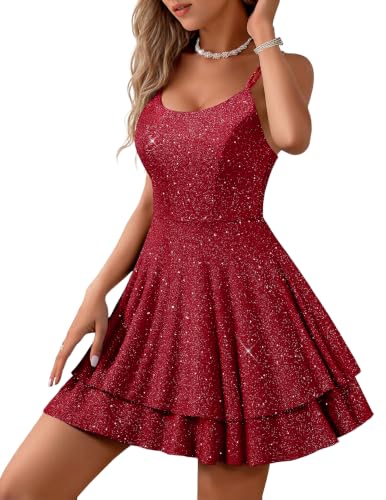
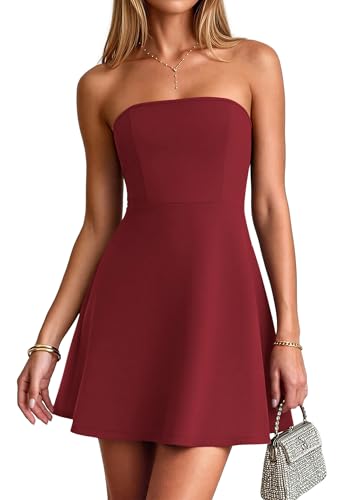
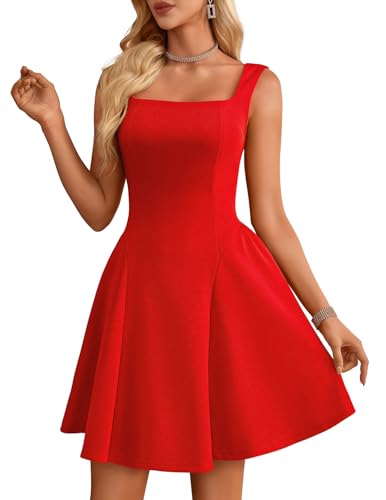
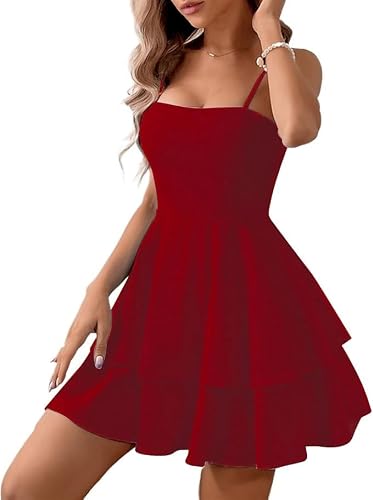
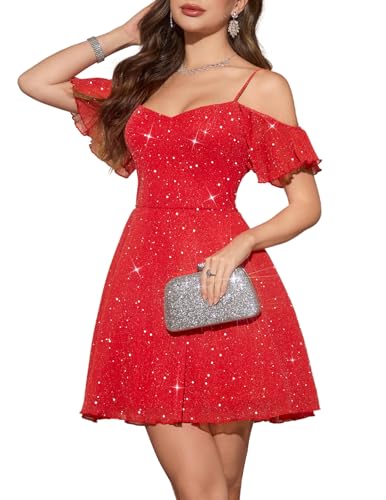
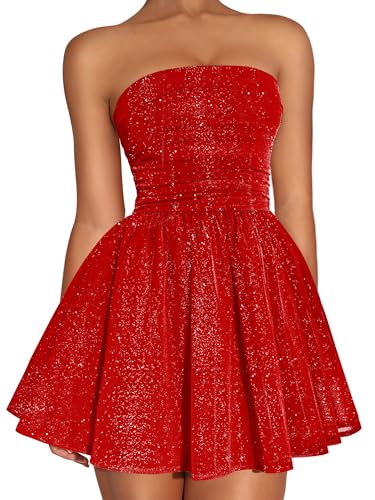




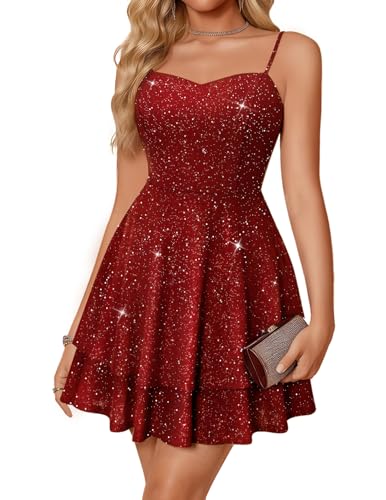


MOZHETE Red One Shoulder Homecoming Dress Short Tight Sequin Above The Knee Formal Prom Gowns Size 4
Original price was: $48.99.$44.99Current price is: $44.99.
Frequently Asked Questions About Short Red Formal Dresses for Women
Can a short red dress be formal?
Yes. Satin, crepe, velvet, lace, sequins, tailoring, and a polished silhouette can make a mini, knee, tea, or midi dress appropriate for cocktail or semi-formal events.
Is a short red dress appropriate for a wedding?
It can be, depending on the invitation, venue, culture, and whether red is reserved by the couple. Choose refined fabric and suitable coverage.
What shade of red looks most formal?
Ruby, crimson, wine, and deep red often feel formal, while bright red creates stronger contrast. Fabric and silhouette matter as much as the shade.
What length counts as short formal?
Mini, above-knee, knee, and some tea-length styles may be described as short. Use the actual garment measurement and event dress code.
Which fabric works best for a short red formal dress?
Satin is polished, crepe is structured, lace adds texture, velvet suits winter, and sequins create evening sparkle.
What shoes go with a short red formal dress?
Nude, black, gold, silver, red, or selected white shoes can work. Choose comfort and formality rather than forcing an exact red match.
How do I test the hem length?
Sit, bend, walk, climb stairs, and dance in the intended shoes. Check slits and high-low sections as well as the shortest point.
Can sequined red dresses be altered?
Yes, but alterations can be expensive because sequins may need removal and replacement around seams and hems.
What should I verify on the final retailer page?
Check seller, shade, size chart, fabric, lining, closure, delivery, returns, care, and customer photographs.
What Makes a Short Red Dress Formal?
Formality comes from fabric, structure, finish, length, and styling. Satin, crepe, velvet, lace, sequins, beading, tailored seams, and a controlled silhouette can elevate a shorter dress. A casual rib knit or sundress construction may remain informal even in red.
Use the invitation wording and venue as the standard. Cocktail, semi-formal, and festive attire often support shorter lengths, while black tie generally calls for a longer gown unless the host specifies otherwise.
Bright Red, Ruby, Crimson, and Wine
Bright red creates the strongest contrast. Ruby and crimson feel deeper and more formal. Wine or burgundy moves toward a dark red-purple. Retailers use these labels inconsistently, so compare customer images and fabric.
Satin brightens the shade; velvet deepens it; matte crepe keeps the color cleaner. Choose the red that coordinates with the season and accessories.
Red Satin Short Formal Dresses
Satin supports corset-inspired bodices, A-lines, one-shoulder designs, slip silhouettes, and draped minis. It photographs vividly but shows wrinkles, pulling, and underlayers. Accurate fit is essential.
Follow the care label before steaming. Red satin may show water marks or color transfer if handled incorrectly.
Red Lace Dresses
Lace adds texture and can make a shorter dress feel romantic, traditional, or evening appropriate. Check lining, neckline backing, sleeve stretch, and whether scalloped edges affect alteration.
Red lace over nude or matching lining creates different contrast. Review the exact variation under daylight and flash.
Sequins and Sparkle
Sequined red dresses suit holiday parties, New Year events, birthdays, and evening formals. Check underarm scratching, weight, shedding, and lining. A fully sequined mini becomes a strong focal point and usually needs restrained accessories.
Alterations through sequins can be expensive. Choose the closest practical fit and length.
Velvet Short Red Dresses
Velvet provides depth and warmth for fall and winter events. It works with fitted, wrap, puff-sleeve, and A-line silhouettes. The fabric may feel hot in a heated venue and can show crushed areas.
Store velvet carefully and avoid direct ironing.
A-Line and Fit-and-Flare Red Dresses
A-lines and fit-and-flare designs allow skirt movement and can suit dances, weddings, graduations, and school formals. Check the waist seam, pleat volume, lining, and how the skirt behaves while spinning or in wind.
A knee or tea-length A-line often balances color impact with coverage.
Fitted, Sheath, and Bodycon Styles
Fitted dresses require accurate bust, waist, hip, seat, and length measurements. Look for vents, stretch, lining, and seam alignment. A dress that rides upward or forms horizontal stress lines may be too narrow.
Use shapewear only if desired and comfortable; it should not be required to tolerate an undersized dress.
Mini Versus Knee-Length
A mini can suit parties and school events when it meets the dress code and remains secure while sitting. Knee length offers broader versatility for weddings, dinners, and formal organizations. The wearer’s height changes the result.
Use actual garment measurements. A slit or high-low hem can alter effective coverage.
Short Red Dresses for Weddings
Red can be appropriate for wedding guests in many US settings, but cultural expectations vary. Match the invitation and avoid a style that competes with a formal bridal dress code. A crepe midi, lace A-line, or satin knee-length design can work.
Check whether the couple has reserved red for attendants or a cultural tradition.
School Formals and Homecoming
Review school rules for hem, neckline, straps, cutouts, and slits. A retailer’s formal label does not guarantee compliance. Test seated coverage and raised-arm movement.
Choose secure shoes and a dress that supports dancing. Keep a wrap or coat appropriate to the season.
Holiday and Winter Events
Red naturally suits winter parties, but avoid making the outfit costume-like unless the event is themed. Velvet, long sleeves, sequins, black accessories, gold, or silver can create an evening result.
Plan a coat that fits the sleeves and does not crush embellishment.
Spring and Summer Formal Events
Lighter crepe, chiffon, lace, and satin work in warm weather. A shorter hem can improve airflow, but fitted synthetic fabric may still feel hot. Check lining and venue climate.
Nude, metallic, white, or blush accessories can lighten the palette.
Necklines and Sleeve Options
Strapless, halter, one-shoulder, square, V, high, and off-shoulder necklines require different support. Long sleeves can balance a shorter hem; sleeveless designs suit warm events.
Check bra compatibility, armhole fit, and neckline security during movement.
Shoes and Accessories
Nude, black, gold, silver, red, and occasionally white shoes can work. Avoid forcing an exact red match. The dress already provides strong color.
Simple jewelry may suit sequins or lace, while a clean crepe dress can support a statement accessory. Choose a bag that will not snag the fabric.
Measuring and Fit
Measure bust, waist, hip, upper arm, shoulder, and dress length. Use the exact seller chart. Check the least flexible area, such as a satin bodice, fitted sleeve, or narrow lining.
Sit, walk, bend, climb stairs, and dance during the home test. Keep tags attached.
Red Fabric and Photography
Flash can make bright red appear more intense, while warm lighting can deepen crimson. Velvet absorbs light; satin reflects it. Customer photos help reveal the actual shade.
Check whether the color transfers when damp according to care instructions. Keep red fabric away from pale garments during transport.
Alterations
Hemming simple crepe or satin may be manageable. Sequins, lace edges, pleats, and structured bodices increase difficulty. Ask a tailor before the return window ends.
Compare alteration cost with a neighboring style or length.
Affiliate Shopping Verification
MotherBrideDress.com links to third-party retailers. Confirm current seller, exact red shade, material, lining, measurements, delivery, return terms, and care on the final page.
Read reviews for color, hem, transparency, zipper quality, and whether the dress remains secure while moving.
Common Short Red Formal Dress Mistakes
- Assuming every short red dress is formal.
- Ignoring the invitation or school dress code.
- Choosing the hem from a model photograph.
- Overloading a bright red dress with accessories.
- Skipping seated and dancing tests.
- Ignoring satin wrinkles or sequin scratching.
- Depending on difficult embellished alterations.
- Failing to verify seller-specific returns.
Choose a Short Red Dress With the Right Formality
The right short red formal dress fits the event, remains secure in motion, and uses fabric and construction that elevate the shorter hem. Compare shade, structure, length, and fit before styling.
Return to formal dresses or compare short formal, plus-size short formal, red gowns, and red semi-formal collections for nearby options.
Short Red Formal Dresses for Different Ages
Juniors, adults, and mature guests may all choose short red formal dresses, but appropriate construction depends on the event and personal preferences. A school dance may require dress-code compliance; a work gala may favor a structured midi; a holiday party can support sequins or velvet.
Avoid assuming one silhouette is age specific. Coverage, comfort, quality, and the invitation are more useful decision factors.
Red Dresses for Military and Organizational Events
Military balls, award dinners, fraternity or sorority events, and charity functions may publish specific attire guidance. A short formal dress may fit cocktail or semi-formal portions but not a black-tie requirement. Check the host’s wording before ordering.
Choose stable shoes and a hem that remains appropriate during presentations, seating, and photographs.
Using a Wrap or Jacket
A black, gold, silver, nude, or coordinated wrap can add warmth and ceremony coverage. Test it with the neckline and sleeves. A jacket should complement the dress rather than hide an unstable bodice.
For winter travel, use a real coat that protects the dress from moisture and does not crush sequins or velvet.
Red Dress Makeup and Accessories
Red clothing does not require matching red lipstick or nails. Choose makeup and jewelry according to personal preference, undertone, and event. A strong red dress can remain balanced with neutral makeup and simple metallic accessories.
Test makeup transfer at the neckline and dress after makeup application whenever possible.
Travel and Wrinkle Preparation
Crepe and knit may travel more easily than satin or structured skirts. Protect sequins from snagging and velvet from crushing. Unpack early and use only a care-approved wrinkle method.
Carry an important formal dress when possible and keep shoes, bra, and accessories together.
Cleaning and Rewearing
After the event, inspect the hem, underarms, zipper, and embellishment. Treat stains according to the fabric label. A simple short red formal dress can be restyled for holidays, dinners, weddings, or celebrations.
Store the garment away from prolonged sunlight, which can affect saturated red fabric.
Choosing Between Short Red Formal Options
Compare dresses by the event’s actual requirements: minimum coverage, seated hem, fabric formality, weather, travel, dancing, and outerwear. A structured knee-length crepe dress may serve a formal dinner better than a heavily sequined mini, while a satin A-line may be more practical for a school dance.
Use customer photographs to evaluate the red shade and hem on different heights. Eliminate styles that depend on uncertain delivery, difficult alterations, or a dress code exception.
Final Red-Dress Rehearsal
Wear the dress with the intended bra, shoes, wrap, bag, and jewelry. Sit, walk, climb stairs, and move as the event requires. Check whether the hem rises, the neckline shifts, or the red fabric transfers onto a pale accessory. Complete this test before removing tags.
Balance the Short Hem With the Event Setting
Review how the dress will look while seated at dinner, standing on a stage, walking through a place of worship, or dancing in a crowded room. The same hem may be suitable in one context and impractical in another. A jacket cannot reliably correct a skirt that is too short for the event.
When two dresses are otherwise similar, choose the one that meets coverage and movement requirements without constant adjustment.
Keep the invitation, venue information, and retailer return date together so the final decision is based on the real event rather than the product title alone.