
Blush Formal Dresses for Women
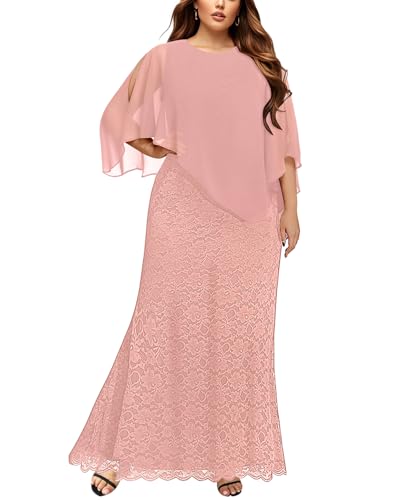
blush formal dresses for women include soft pink occasion styles for weddings, proms, galas, military balls, cocktail events, showers, and formal dinners. The product grid below may include long chiffon gowns, satin dresses, tulle skirts, lace midis, floral appliqué, sequins, sleeves, mother-of-the-bride styles, and plus-size options. Compare silhouette, fabric, length, neckline, sleeves, closure, and event suitability before opening the final retailer listing.Blush is not one standardized shade and may overlap with champagne, dusty rose, nude pink, or pale peach, making color verification and wedding-palette checks essential. Product names and sizing conventions vary across sellers, so confirm measurements, fabric composition, lining, care, delivery timing, and return terms on the linked retailer page. The dress should remain stable while sitting, walking, reaching, and using stairs in the planned shoes and underlayers.Related shopping paths include formal dresses, pink formal dresses, champagne formal dresses, and A-line formal dresses. These categories separate the main search by color, length, silhouette, and dress-code level.




Frequently Asked Questions About Blush Formal Dresses for Women
What color is blush?
Blush is a pale pink family that may lean peach, beige, mauve, nude, rose, or champagne depending on fabric and lighting.
Is blush the same as champagne?
Not usually. Champagne generally has more beige or gold, but retailer color labels may overlap.
Can I wear blush to a wedding?
Often, but check bridal-party colors and avoid a very pale or bridal-looking design without the couple’s approval.
Do blush dresses photograph as white?
Very pale blush can appear ivory or champagne in bright light or flash, so take test photographs.
Which fabrics are common for blush formal dresses?
Chiffon, tulle, satin, crepe, lace, organza, sequins, and beaded mesh are common.
What undergarments work beneath blush?
Use smooth, skin-toned undergarments that do not show through the exact lining, mesh, or satin.
Which metals coordinate with blush?
Gold, rose gold, silver, and pearl can work depending on whether the blush undertone is warm, cool, beige, or mauve.
Are blush formal dresses difficult to care for?
Pale fabric shows marks readily, and lace, satin, tulle, beads, or appliqué may require specialist care.
What should I verify on the retailer page?
Check exact color, lining tone, opacity, size chart, fabric, embellishment, length, delivery, returns, and care.
What Blush Means in Formal Dresses
Blush is a pale pink family that may lean peach, beige, mauve, nude, rose, or champagne. Fabric sheen, lining, skin tone, and lighting strongly affect the result.
Confirm the seller’s color name and compare customer photographs when available. A blush satin gown and a blush tulle dress may look like different colors under the same light.
Blush Versus Champagne and Dusty Rose
Champagne usually carries more beige or gold, while dusty rose is deeper and more muted than many blush shades. Place swatches or received garments beside the event palette before removing tags.
Retailer labels overlap, especially in satin, chiffon, and bridal-party collections. Do not select coordinating accessories from a screen image alone.
Wedding Guest and Bridal-Party Etiquette
Very pale blush can photograph as ivory, nude, or champagne. Blush is common in wedding palettes and may be assigned to bridesmaids, mothers, or décor.
Ask about bridal-party colors and avoid a bridal-looking silhouette when attending as a guest. For a safer guest option, choose a clearly pink undertone or stronger contrast detail.
Long Blush Formal Gowns
Floor-length blush gowns suit galas, formal weddings, prom, military balls, and black-tie optional events when the construction is sufficiently formal. A-line, column, mermaid, and ball-gown silhouettes distribute the soft color differently.
Pale multi-layer skirts require careful protection from floors, makeup, and travel marks. Check hem clearance, train, lining, and whether the shade remains opaque under flash.
Short and Midi Blush Dresses
Fabric structure and seated coverage distinguish a formal midi from a casual pink day dress. Measure the actual length and inspect the lining under direct light.
Blush knee, midi, and short dresses can suit cocktail weddings, showers, daytime events, and semi-formal celebrations. Use a clear dress-code signal such as lace, satin, structured crepe, or refined embellishment.
Chiffon and Tulle Blush Dresses
Check static, snags, inner-layer length, and transparency with the planned undergarments. Chiffon and tulle create soft movement but rely on lining for opacity and color depth.
Layer count can shift blush toward pink, beige, or gray and can increase warmth and bulk. Multi-layer hems should be assessed by a tailor before shortening.
Satin Blush Formal Dresses
Satin intensifies highlights and can make blush appear brighter or more champagne-toned. Plan steaming and travel according to the care label rather than assuming all satin can be treated the same.
Wrinkles, water marks, seam tension, and undergarment lines are more visible on a smooth pale surface. Photograph the dress in daylight and flash after sitting.
Lace, Beading, and Floral Appliqué
Backing color, bead tone, motif scale, and appliqué placement affect both opacity and alteration options. Choose smooth jewelry and bags to reduce snagging.
Blush works with lace, pearls, crystals, beads, and three-dimensional floral details. Inspect underarms and neckline edges for irritation.
Necklines and Support in Pale Colors
Support garments can show through blush mesh, chiffon, satin, and lace. Bra color, cup edges, shapewear seams, and adhesive support should be tested beneath the exact lining.
Use daylight and flash photographs from front, side, and back. A visible foundation garment should be corrected before accessories are chosen.
Sleeves and Coverage
Blush sleeves range from opaque crepe and satin to transparent lace and mesh. Reach, bend, and wear any planned jacket during the fitting.
Upper-arm fit, mesh tone, cuff width, and seam visibility matter on a pale dress. Illusion sleeves should coordinate with the wearer’s skin tone and remain smooth without overstretching.
Prom and School Formal Blush Dresses
School rules and stage lighting can change the suitability of necklines, slits, backs, and transparency. Blush is common for prom and formal dances, including A-lines, corset bodices, sequins, and floral appliqué.
Review rules and test flash photography before finalizing the dress. Allow enough time for exchange if the received shade differs from the group or date’s outfit plan.
Blush Dresses for Mothers and Mature Guests
Blush can work for mothers of the bride or groom when it is distinct from the bridal gown and coordinated with the wedding palette. Jacket dresses, sleeves, lace overlays, tea lengths, and long gowns provide varied coverage.
Fit through the shoulders, bust, upper arms, and seated waist should take priority over matching color perfectly. Confirm color approval and photograph the dress beside wedding-party swatches.
Plus-Size, Petite, and Tall Blush Dresses
Bust depth, waist location, sleeve scale, appliqué placement, and skirt length may shift across size ranges. Review the exact variation and measure current body dimensions.
Pale color makes seam placement, lining length, and proportional grading easier to see. Choose the size that fits the rigid or decorated area, then evaluate modest tailoring.
Accessories and Undertones
Compare accessories beside the actual fabric in daylight. Blush may coordinate with gold, rose gold, silver, pearl, nude, taupe, mauve, or contrasting dark accessories.
The best metal depends on whether the dress reads warm peach, cool pink, beige, or champagne. Avoid too many pale elements when stronger contrast is needed for definition in photographs.
Stain Prevention and Care
Blush fabric shows makeup, self-tanner, food, floor contact, and water marks readily. Keep emergency products away from beading, adhesive, silk, and metallic finishes unless approved.
Garment bags, clean hands, covered makeup application, and careful transport reduce avoidable damage. Read the care label before steaming or spot cleaning.
Blush Pink Formal Dresses by Undertone
Blush pink formal dresses can lean warm peach, cool rose, beige nude, mauve, or soft coral. Undertone affects jewelry, shoes, makeup, and how the color appears beside skin and wedding décor. Review the retailer’s color family and customer images rather than assuming every item labeled blush will coordinate.
Warm blush often pairs naturally with gold, bronze, or taupe, while cooler rose-blush can work with silver, pearl, gray, or berry accents. These are styling options, not fixed rules. Place the actual dress beside accessories in daylight and avoid ordering an entire outfit from separate screen images.
Blush A-Line and Ball Gowns
Blush A-line gowns create a gradual skirt line suitable for prom, galas, formal weddings, and military balls, while blush ball gowns add tulle, petticoats, pleats, or horsehair for greater volume. The pale color makes skirt layers and internal structure more visible, especially under strong light.
Check whether all layers reach the same intended length and whether the lining provides complete coverage. A full blush skirt can look bridal, so wedding guests should avoid excessive trains, corsetry, and bridal appliqué unless the couple approves. For prom, test chair space, stairs, and vehicle entry.
Blush Mermaid and Fitted Formal Dresses
Blush mermaid dresses and fitted satin gowns require accurate bust, waist, hip, thigh, and flare-point measurements. Pale reflective fabric exposes drag lines, puckered zippers, and lining tension more clearly than darker colors. Sit and walk before deciding that the standing silhouette fits correctly.
Ruching can soften the surface but should remain balanced across both sides. A nude or blush lining must stretch with the outer fabric; otherwise it may restrict stride or show through the slit. Choose the size from the least flexible layer and discuss major flare-point alterations before the return deadline.
Blush Formal Dresses With Corsets and Lace-Up Backs
Corset blush formal dresses may use visible boning, basque waists, molded cups, ribbon lacing, or transparent mesh. Determine whether the construction provides real support and whether the cup shape suits the wearer. Pale mesh may appear nearly invisible online but contrast strongly with skin in person.
A lace-up back allows limited adjustment around the torso, yet the waist seam, cups, and skirt attachment remain fixed. Check the maximum and minimum closure range and whether a modesty panel is included. The ribbon should lie flat without fraying or creating pressure across the spine.
Blush Mother-of-the-Bride Dresses
Blush mother-of-the-bride dresses may include lace jacket sets, beaded columns, tea-length A-lines, three-quarter sleeves, chiffon overlays, and formal pantsuit-inspired dress ensembles. Because blush can overlap with bridal and bridesmaid palettes, color approval is more important than for many darker shades.
Choose a silhouette that remains comfortable through the ceremony, receiving line, meal, and dancing. Shoulder weight, sleeve room, jacket fit, and an easy seated waist deserve priority. Photograph the dress beside the bride’s gown and wedding-party swatches under natural light when coordination is close.
Blush Prom Dresses and Group Color Coordination
Blush prom dresses range from glitter tulle ball gowns to fitted satin, floral appliqué, corset A-lines, and sequin columns. Friends and dates may use blush, champagne, or dusty rose as group colors, but retailer labels can hide noticeable differences. Compare actual fabric rather than product names.
Stage and flash lighting can wash out pale pink or make glitter appear much brighter. Test photographs with the intended date’s tie, bouquet, or accessories. Keep enough time for exchange if the dress reads beige, peach, or nearly white instead of the expected pink.
Checking Blush Dress Opacity and Lining Quality
Opacity should be tested at the bust, hip, seat, slit, and hem where fabric stretches or layers separate. Place a hand behind the material under daylight, then repeat the test while wearing the planned skin-toned undergarments. White underwear often shows more clearly beneath blush than a shade close to the wearer’s skin.
Inspect where the lining ends and whether seams, cups, pockets, or boning create visible shadows. In chiffon and tulle, several translucent layers may still reveal the legs under flash. A properly lined formal dress should provide coverage without requiring a second slip that changes the fit.
Long-Sleeve Blush Formal Dresses
Long-sleeve blush formal dresses offer coverage for winter weddings, formal dinners, religious ceremonies, and mother-of-the-bride outfits. Sleeves may be opaque crepe, satin, lace, embellished mesh, or chiffon bishop styles. Each option changes the visible blush tone because skin or lining influences the color.
Measure shoulder width, upper arm, elbow, and wrist, then test the dress beneath the planned coat. Pale lace can expose bra edges and seams under flash, while beadwork may scratch the inner arm. A cuff should remain secure without preventing the wearer from reaching across a table or lifting a glass.
Tea-Length and Midi Blush Formal Dresses
Tea-length and midi blush formal dresses can suit cocktail weddings, showers, mother-of-the-bride outfits, graduations, and daytime celebrations. The visible shoe line makes hem placement important, while pale fabric makes lining length and seam finish easy to notice. Use exact measurements rather than relying on midi or tea labels.
A full tulle or satin skirt can appear bridal, so wedding guests should choose clearly non-bridal details and confirm the palette. For hemming, finalize shoes first and protect scalloped lace, pleats, or horsehair trim. Check seated coverage and whether the lining remains level beneath the outer layer.
Blush Sequin and Glitter Formal Dresses
Blush sequin dresses can read rose gold, champagne, silver-pink, or nude depending on the base fabric and lighting. Inspect whether sequins are matte, iridescent, metallic, or transparent. Direct flash may make the dress substantially brighter and paler than it appears in ordinary indoor light.
Check underarm comfort, garment weight, shedding, and loose decoration. A stretch sequin gown needs enough ease so the base fabric does not show between rows. Specialist alterations may be required at side seams and hems, so verify the measured length and fit before ordering.
Maternity-Friendly Blush Formal Dresses
Empire-waist chiffon, wrap dresses, stretch lace, side ruching, and pleated A-lines may work as maternity blush formal dresses when they provide adequate front length and bust room. A standard loose gown is not automatically designed for pregnancy, and a fixed underbust seam can become uncomfortable.
Estimate measurements for the event date and check lining stretch, zipper placement, and bathroom access. Pale fabric makes undergarment choice especially visible, so test a comfortable skin-toned foundation. Keep a flexible return schedule when ordering well before the event.
Secondary searches including blush pink evening gown, blush wedding guest dress, blush prom gown, blush mother-of-the-bride dress, and blush satin formal dress should be evaluated separately. Each search changes the expected silhouette, color approval, and dress-code level. Pair the keyword with an exact undertone, length, and fabric to avoid mixing pale champagne bridal styles with clearly pink guest or prom dresses.
Final Blush Dress Check
Wear the complete underlayer and accessory plan, then sit, walk, reach, and use stairs. Keep tags attached until the color and construction work for the exact event.
The final decision should confirm shade, opacity, etiquette, fit, and care practicality. Take daylight, indoor, and flash photographs and inspect the hem and lining.