
A-Line Formal Dresses for Women
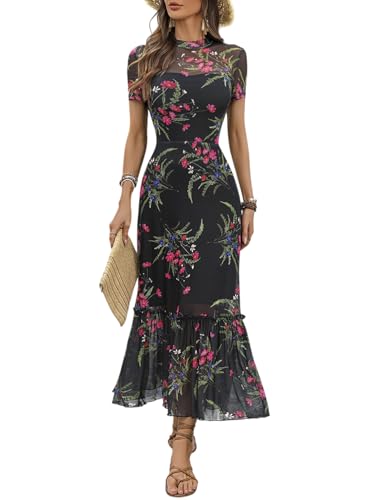
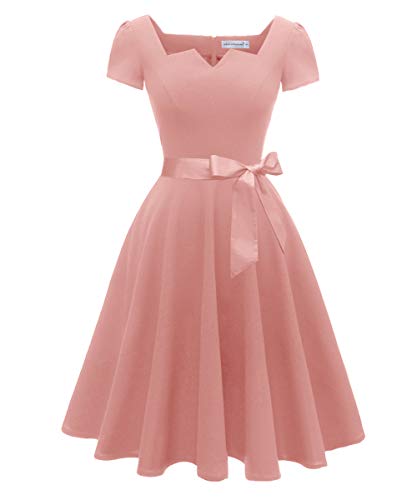
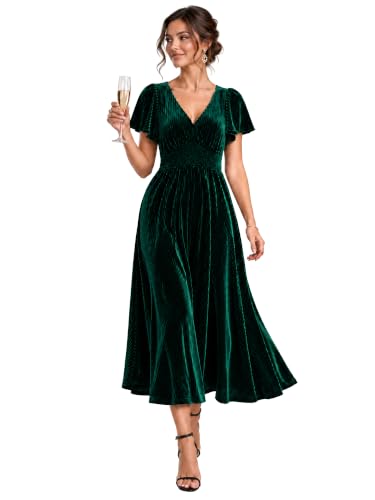
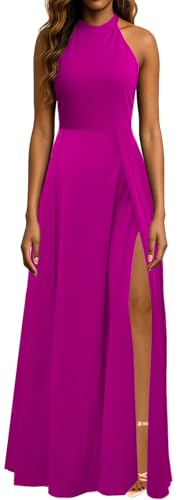
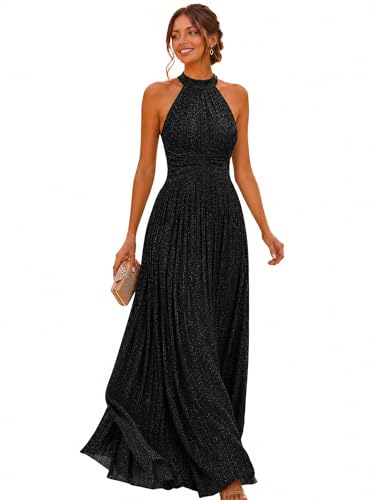
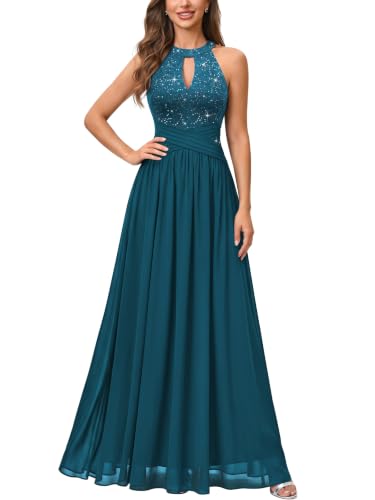
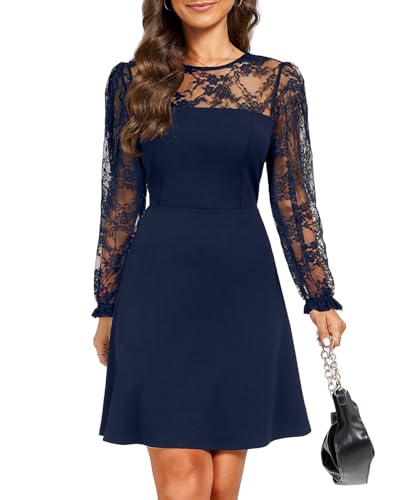
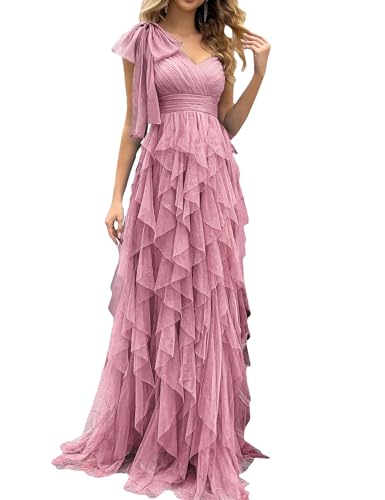
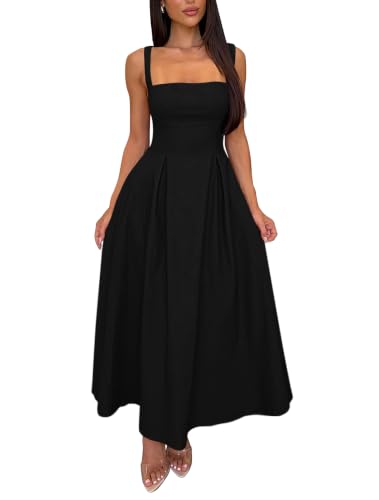
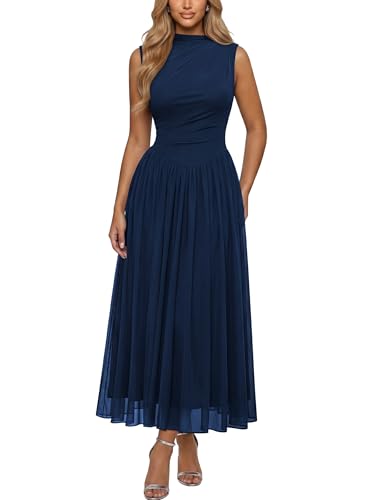
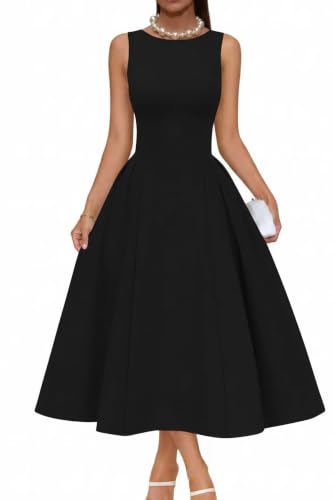
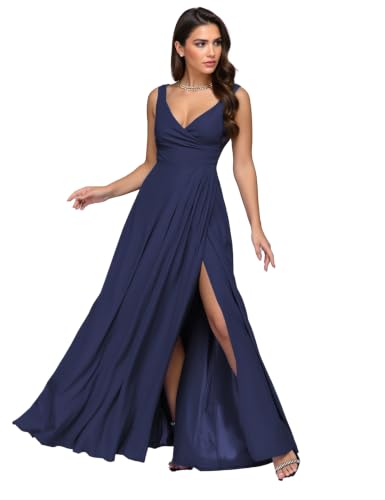
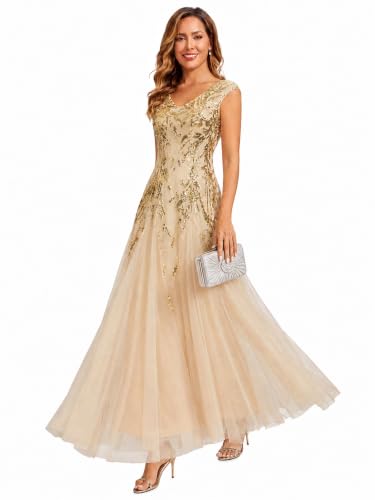
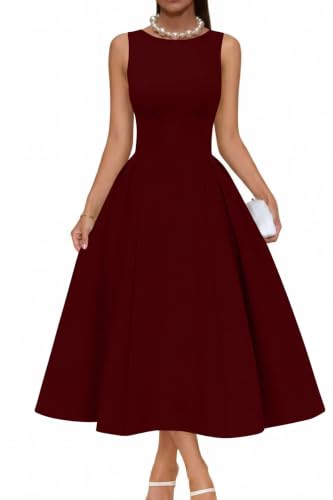
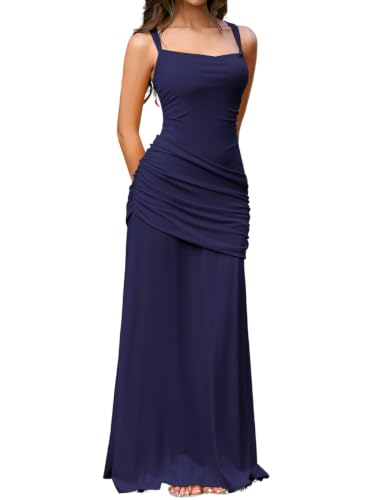
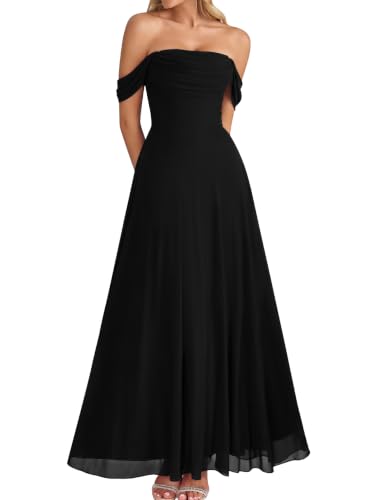
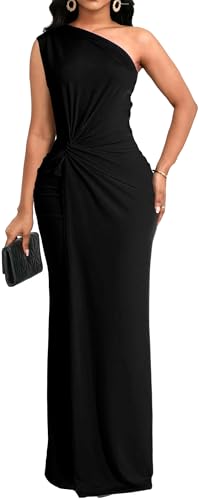
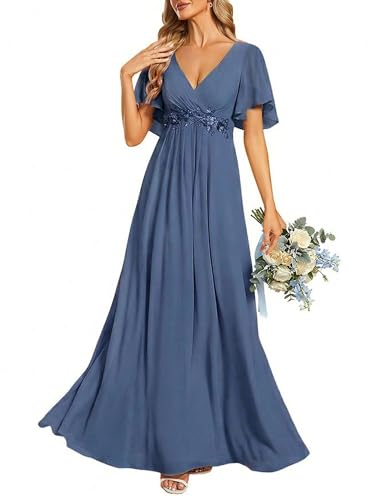
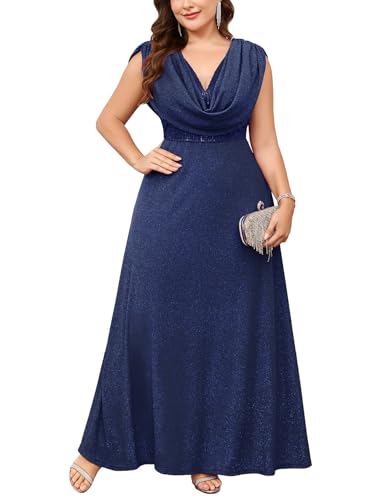
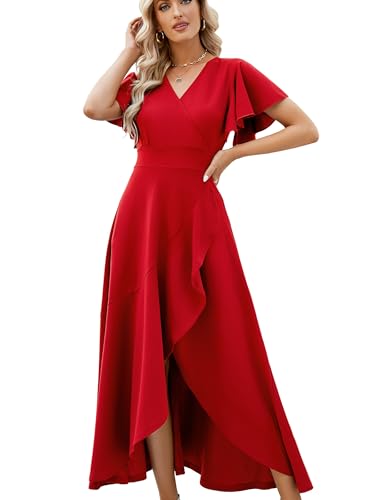
a-line formal dresses for women include gradually flared occasion styles for weddings, galas, proms, military balls, formal dinners, and black-tie optional events. The product grid below may include floor-length chiffon gowns, satin midis, lace dresses, sleeved styles, one-shoulder designs, embellished bodices, and plus-size options. Compare silhouette, fabric, length, neckline, sleeves, closure, and event suitability before opening the final retailer listing.The term A-line describes the direction of the skirt, not a guaranteed waist position, fabric weight, or dress-code level. Product names and sizing conventions vary across sellers, so confirm measurements, fabric composition, lining, care, delivery timing, and return terms on the linked retailer page. The dress should remain stable while sitting, walking, reaching, and using stairs in the planned shoes and underlayers.Related shopping paths include formal dresses, A-line dresses, fit-and-flare dresses, and ball gowns. These categories separate the main search by color, length, silhouette, and dress-code level.


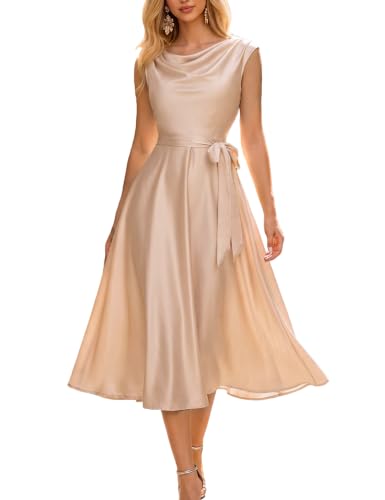
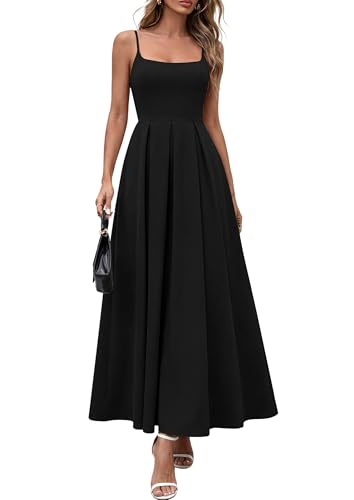
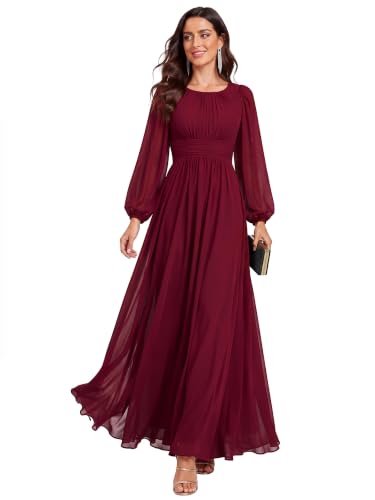
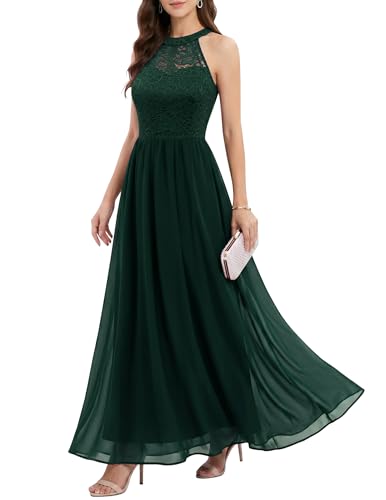

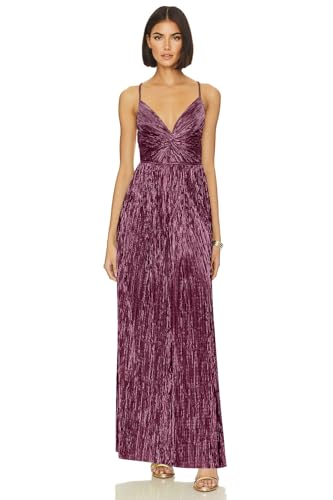

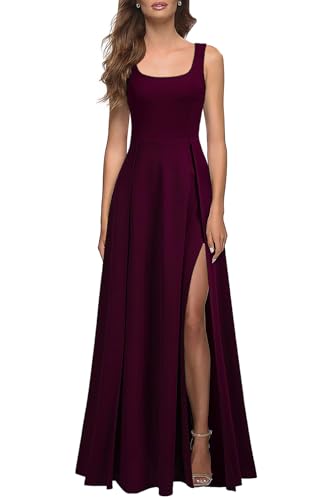
Frequently Asked Questions About A-Line Formal Dresses for Women
What is an A-line formal dress?
It has a shaped bodice and a skirt that widens gradually toward the hem, creating an A-like outline.
How is A-line different from fit-and-flare?
Fit-and-flare dresses usually remain closer through the upper hip before flaring, while A-lines may widen more gradually from the waist or above.
Is an A-line dress appropriate for black tie?
A floor-length A-line gown in formal fabric can suit black tie when its construction, finish, and accessories match the event.
Which fabrics are common in A-line formal dresses?
Chiffon, satin, mikado, crepe, tulle, lace, velvet, organza, and embellished mesh are common.
Can an A-line formal dress have sleeves?
Yes. Cap, flutter, short, three-quarter, long, cape, and illusion sleeves are available.
Do A-line dresses work in plus sizes?
Yes, but verify bust depth, shoulder, upper arm, waist placement, hip ease, and skirt-panel proportions in the exact size.
Are A-line dresses easy to alter?
Hems and straps may be manageable, while boning, lace, beadwork, waist seams, and layered skirts can increase complexity.
What shoes should I choose before hemming?
Use the exact heel height planned for the event so the front and back hem clearance can be set correctly.
What should I verify on the retailer page?
Check seller, size chart, garment length, fabric, lining, closure, skirt layers, delivery, returns, and care instructions.
What Makes a Formal Dress A-Line
An A-line formal dress is shaped through the bodice and widens gradually toward the hem rather than clinging through the seat. The flare may begin at the natural waist, raised waist, or upper hip, which changes both proportion and movement.
Check front, side, and back images for a continuous outward line instead of relying on the product title alone. A gathered skirt, fitted lining, or dropped waist can make two dresses labeled A-line fit very differently.
A-Line Versus Fit-and-Flare
A-line and fit-and-flare dresses differ mainly in where the skirt releases from the body. Use the waist seam, hip ease, and skirt panels to identify the actual cut.
Fit-and-flare styles usually stay closer through the waist and upper hip, while A-lines can open earlier and more gradually. Choose the version that accommodates the least flexible area without pulling the waistline out of position.
A-Line Versus Ball Gown
Tulle layers, petticoats, box pleats, and horsehair trim can turn a mild flare into a structured formal skirt. A ball gown uses substantially more skirt volume than a typical A-line gown.
Confirm chair space, vehicle entry, aisle width, and restroom practicality before selecting dramatic volume. For easier movement, compare this category with ball gowns rather than treating the terms as interchangeable.
Choosing the Correct Formality
The A-line shape works across cocktail, formal, black-tie optional, prom, gala, and wedding settings, but fabric and length establish the dress-code level. A cotton-blend midi and a beaded floor-length chiffon gown may share a silhouette while serving different occasions.
Do not use the silhouette alone as proof that a dress is formal enough. Match hem length, surface finish, and embellishment to the invitation, venue, and time of day.
Chiffon A-Line Dresses
Pleated bodices, flutter sleeves, cape overlays, and layered hems add coverage without the weight of satin or brocade. Inspect whether the chiffon and lining have separate stretch characteristics and whether the skirt becomes transparent under strong light.
Chiffon creates a light skirt that moves easily, although the lining determines opacity and much of the fit. Snags, static, and complex layered hems should be included in alteration and care planning.
Satin and Mikado A-Line Gowns
Photograph the dress in daylight and flash, then sit for several minutes to check creasing and seam strain. Satin and mikado hold a clearer A-line outline and reveal tension more readily than soft chiffon.
Smooth fabric can show pulling at the bust, waist, zipper, and upper hip even when the skirt has adequate room. Select the starting size from the rigid bodice or lining, not from the generous skirt sweep.
Lace, Beading, and Embellishment
Lace appliqué and beadwork can define the bodice or extend into the skirt without changing the underlying silhouette. A lower purchase price is not necessarily better when specialist bead or lace work is required.
Decoration at side seams, shoulders, waistbands, and hems may restrict alterations or increase tailoring cost. Check backing fabric against the skin and inspect underarm areas for abrasion during arm movement.
Necklines and Bodice Support
Strapless, one-shoulder, V-neck, square-neck, and illusion designs require different bras, cups, boning, and shoulder measurements. Repeated pulling at the neckline indicates a bodice problem rather than a styling issue.
The bodice must support the A-line skirt without shifting at the neckline. Try the dress with the planned support garment and raise both arms, bend, sit, and turn.
Sleeves and Upper-Body Fit
Sleeves can be the least adjustable part of an A-line formal dress. Upper-arm circumference, armhole depth, shoulder width, and lining stretch matter more than the skirt’s apparent ease.
Measure the fullest upper arm and compare that number with the exact retailer chart or garment measurements. Flutter and cape sleeves offer visual coverage, but they do not correct a tight armhole or narrow back.
Long, Midi, and Tea-Length Options
A-line formal dresses appear in floor, ankle, midi, tea, knee, and high-low lengths. Use the listed shoulder-to-hem measurement and compare it with tea-length formal dresses when the target hem is below the knee.
Height, torso length, heel height, and skirt fullness determine where the hem actually falls. Finalize shoes before hemming, especially when the skirt contains pleats, lace borders, or multiple chiffon layers.
A-Line Dresses for Weddings
A-line cuts work with daytime florals, evening satin, lace sleeves, and formal beading, but bridal whites and bridal-party colors require caution. For wedding guests and family members, the dress code should control length, color, and decoration.
Review the invitation and venue before selecting a dramatic train, pale champagne tone, or heavily embellished bodice. The complete outfit should remain comfortable through the ceremony, meal, photographs, and dancing.
Prom, Gala, and Military-Ball Use
Proms, galas, and military balls often require long A-line gowns with secure bodices and controlled hems. Stage movement, receiving lines, formal photographs, and extended dancing place different demands on straps, slits, and skirt volume.
Keep exchange time available if the color, support, or length differs from the listing. Test stair use and a full walking stride without lifting the skirt excessively.
Plus-Size and Petite Proportions
Bust depth, waist placement, shoulder scale, skirt-panel grading, and pocket position should remain proportional. Compare the exact size variation rather than assuming the same dress is simply enlarged or shortened.
Extended, petite, regular, and tall sizes may alter more than overall width or length. A correctly placed waist seam is usually a better alteration base than a dress that fits only at the hem.
Pockets, Slits, and Skirt Construction
Check whether the slit is reinforced and whether pockets remain flat from front and side views. Pockets and slits affect the hang and function of an A-line skirt.
Heavy pocket contents can pull side seams, while a high slit may open farther when the wearer sits or climbs stairs. Skirt features should improve use without distorting the clean outward line.
Alterations and Total Cost
A-line skirts are often straightforward to hem, but bodice and decorated-waist changes can be complex. Do not begin alterations until the planned bra and shoes are finalized.
Calculate shipping, hemming, strap work, steaming, specialist cleaning, and possible rush fees before comparing value. Obtain a tailor’s opinion while the dress is still returnable if lace, beading, boning, or a multi-layer hem is involved.
Corset and Structured-Bodice A-Line Gowns
Corset A-line formal dresses combine a fitted upper section with a skirt that releases below the waist. Look beyond decorative lacing and confirm whether the bodice contains real boning, molded cups, an internal waist stay, a zipper, or only a corset-inspired seam pattern. These details control support, torso length, and how evenly the skirt hangs.
A lace-up back can provide limited adjustment, but it cannot correct cups that sit too high, a waist seam that falls below the natural waist, or a bodice that is too short. Compare bust, underbust, shoulder-to-waist, and back-width measurements. A structured A-line evening gown should stay level without compressing the ribs or tipping forward.
Natural-Waist, Empire, and Drop-Waist A-Lines
The position where an A-line skirt begins changes the entire fit. Natural-waist designs emphasize the narrowest torso point, empire-waist A-line gowns release below the bust, and drop-waist dresses remain fitted farther over the upper hip. Search terms may group all three together even though they suit different torso lengths and alteration needs.
Check the side view for a horizontal seam that remains level around the body. An empire seam should clear the fullest bust without cutting upward, while a drop waist needs enough hip ease to prevent the skirt from twisting. Waist placement is especially relevant for petite, tall, maternity-friendly, and long-torso shoppers.
High-Low and Asymmetrical A-Line Formal Dresses
High-low A-line formal dresses reveal the shoes and provide easier front clearance while retaining a longer back. Asymmetrical hems may be softly graduated, sharply angled, ruffled, or combined with a detachable overskirt. Measure the shortest front point as carefully as the back because the dress may look longer in a posed product photograph.
Inspect how the lining follows the outer hem and whether the back drags during turns. A dramatic high-low skirt can work for prom, cocktail-formal weddings, and destination events, but it may be too theatrical for conservative ceremonies. Border lace, horsehair braid, and tiered ruffles can make shortening expensive.
Modest A-Line Formal Dresses and Jacket Sets
Modest A-line formal dresses may use high necklines, opaque sleeves, covered backs, longer hems, matching boleros, or coordinated jackets. Confirm whether the jacket is included, sold separately, or merely used for styling. A separate layer should match the dress fabric and allow the arms to move without pulling the bodice upward.
For church weddings, religious ceremonies, mother-of-the-bride outfits, and formal daytime events, check neckline depth while bending and sleeve transparency under strong light. A lace sleeve over bare skin provides different coverage from a fully lined sleeve. The dress should remain appropriate after the jacket is removed at the reception.
A-Line Mother-of-the-Bride and Family Formal Dresses
A-line mother-of-the-bride dresses often combine a supportive bodice with a skirt that permits comfortable sitting, greeting guests, and dancing. Useful secondary styles include three-quarter sleeves, illusion necklines, portrait collars, tea-length skirts, beaded jackets, and floor-length chiffon A-lines. Coordinate with the wedding palette without duplicating the bridal party unless requested.
Because the wearer may be dressed for many hours, prioritize shoulder comfort, sleeve mobility, secure closures, and a waist that remains comfortable after a meal. Check photographs from the front and back beside the planned wrap or jacket. Heavy beadwork at the shoulder can become tiring even when the skirt itself feels light.
Seasonal A-Line Evening Dresses
For spring and summer, chiffon, organza, lace, and lighter crepe reduce bulk, while fall and winter A-line formal dresses may use velvet, jacquard, mikado, long sleeves, or deeper colors. Season alone should not determine fabric; indoor heating, outdoor photographs, travel, and coat fit can matter more than the calendar.
Test whether the skirt gathers static against hosiery and whether velvet or satin crushes beneath a coat. For warm-weather outdoor events, verify lining breathability and avoid assuming a floaty outer layer is cool. Several layers of polyester chiffon or tulle can hold heat despite their light appearance.
Reading an A-Line Formal Dress Listing
A useful listing for A-line formal dresses should identify the waist position, skirt shape, lining length, closure, fabric stretch, cups or boning, slit, pockets, and actual garment length. Model height and photographed size help with context but do not replace measurements. Look for side and back views that show the waist seam and skirt release.
Reviews are most valuable when shoppers report height, bust, waist, hip, purchased size, heel height, and the exact fit issue. Separate comments about seller service from comments about the garment. When multiple sellers use the same image, verify material, construction, return address, and included pieces on the specific offer you plan to buy.
A-Line Gowns With Trains and Detachable Overskirts
A-line gowns may include sweep, court, chapel, or detachable trains that add ceremony without the full width of a ball gown. Verify train length, attachment points, and whether the back hem can be bustled. Product photographs often show fabric pooled around the model, which is not the same as a constructed train.
Practice walking, turning, and sitting with the train arranged as it will be at the event. A detachable overskirt should fasten securely and leave a complete dress underneath. Lace borders, appliqué, and sequins can make train shortening costly, so discuss alteration options before the return period ends.
When filtering A-line formal gowns online, separate silhouette from occasion and length. Useful secondary searches include long A-line evening gowns, A-line wedding guest dresses, sleeved A-line formal dresses, plus-size A-line gowns, and petite A-line formal dresses. Apply each filter only when the listing confirms the feature; marketplace titles often combine A-line, fit-and-flare, and ball-gown terms to capture broader searches.
Final A-Line Try-On
Wear the intended undergarments, shoes, wrap, and jewelry, then test sitting, walking, stairs, reaching, and photographs. Keep seller details, packaging, and return deadlines until every fit and construction check is complete.
The final fitting should reproduce the actual event rather than a brief standing pose. Inspect seam position, neckline security, skirt clearance, and zipper stability after at least fifteen minutes of wear.