
Plus Size Red Formal Dresses
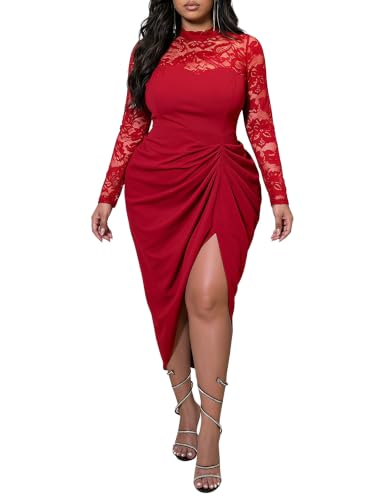
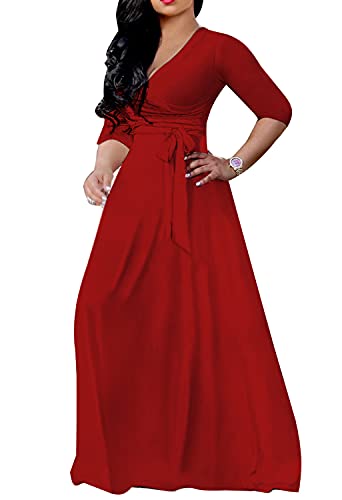
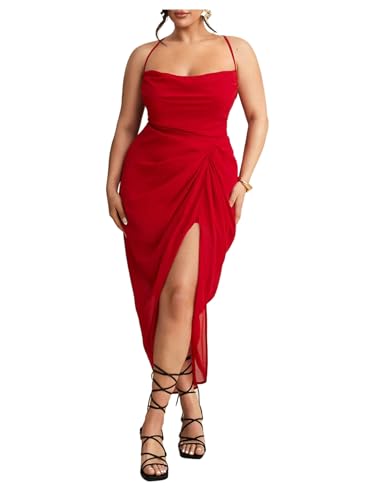
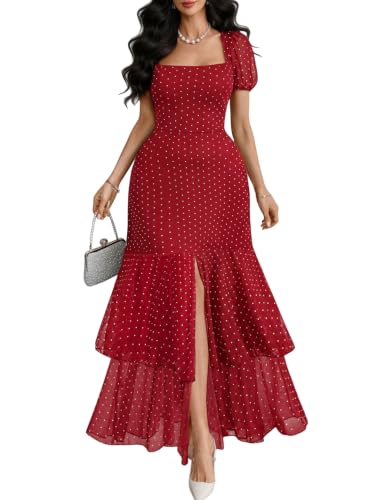
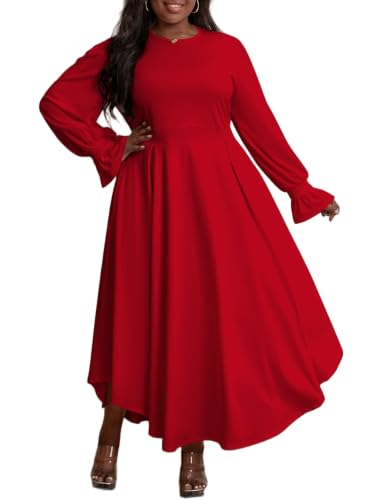
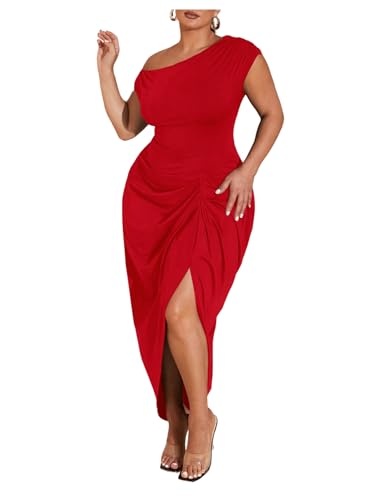
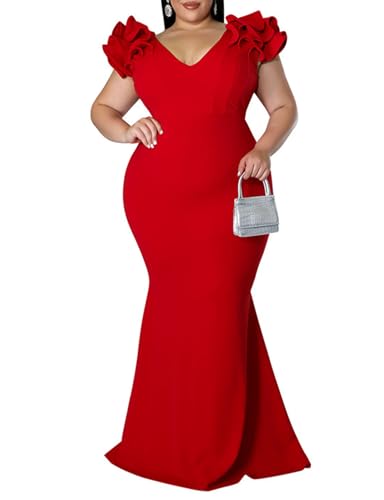
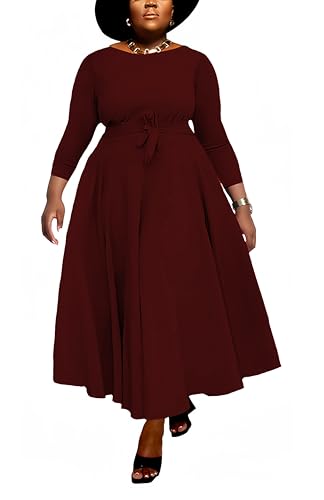
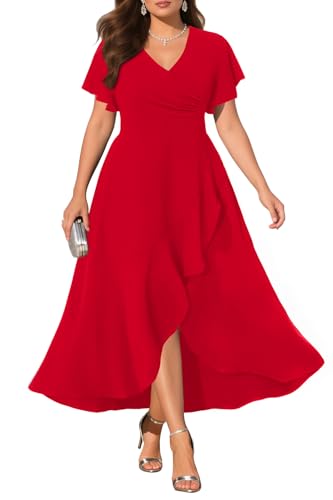
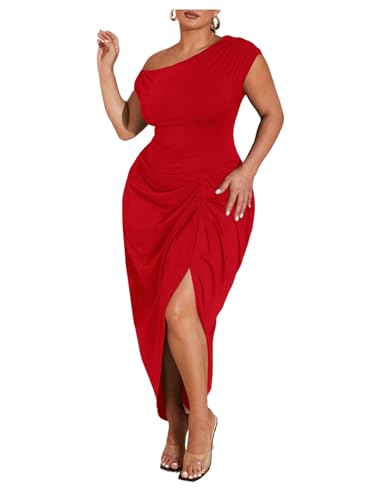
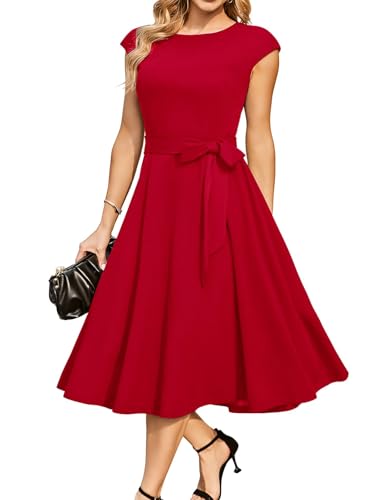
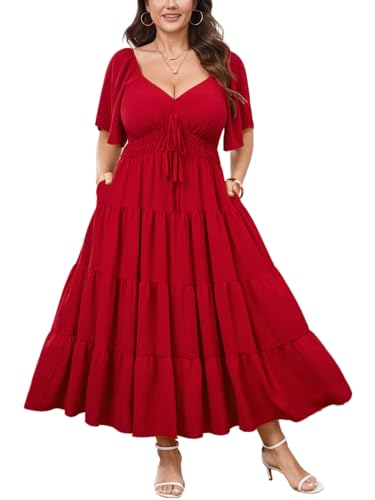
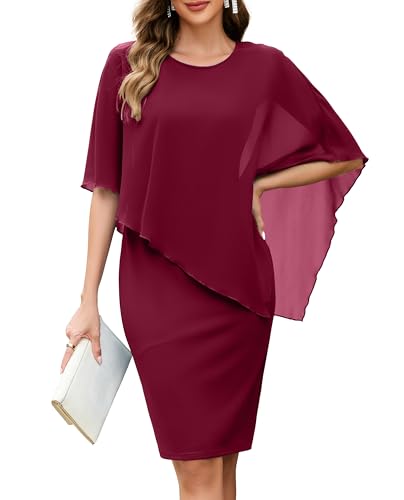
Four in five listings here are cut specifically in plus sizes, which makes this one of the better-stocked extended-size color collections on the site. Red formal wear often carries thin plus coverage, so a collection where extended sizing is the norm rather than the exception is worth knowing about.Just over half are floor length and around half are described as gowns. Chiffon leads the fabrics at roughly three in ten, with satin and lace close behind. A third have a slit and just under a third have sleeves.Prom and bridesmaid styles each account for around a third of the collection, so filtering is needed if you are shopping for a wedding or a formal dinner. For red across all sizes, see red formal gowns.
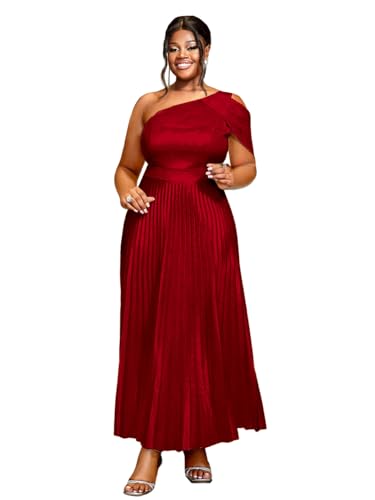
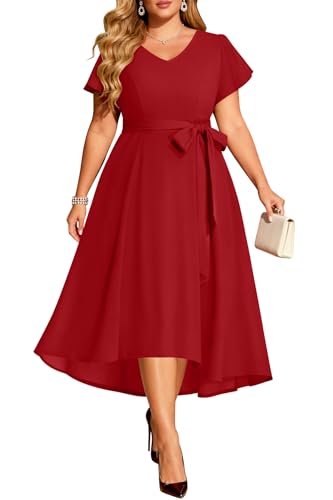
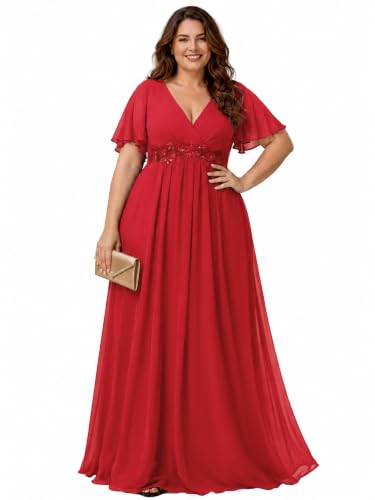
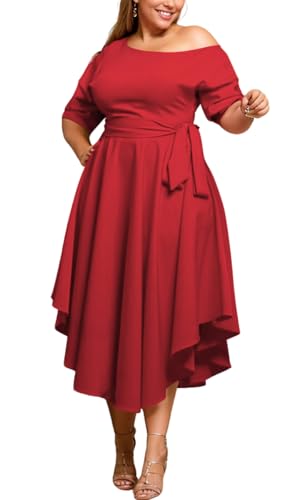
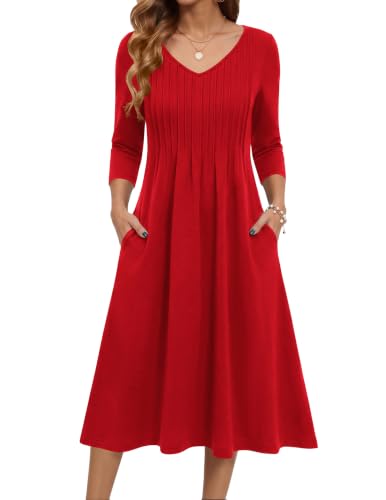
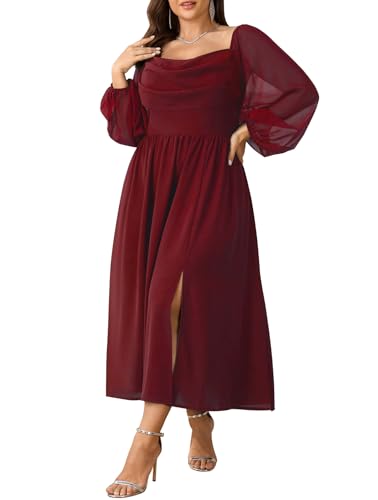
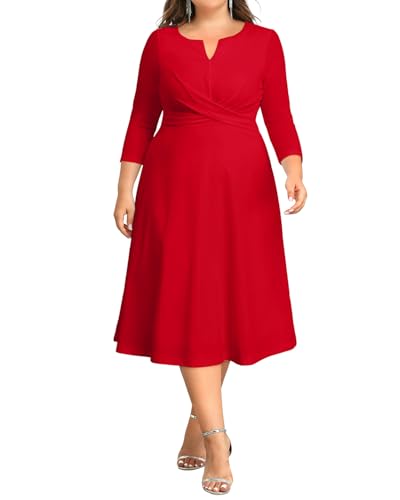
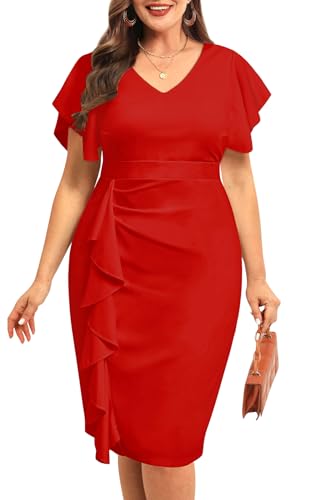




Plus Size Red Formal Dresses: Frequently Asked Questions
Is the plus size range here good?
Yes, four in five listings are cut specifically in plus sizes, which is better than most red formal collections carry, where extended sizing is usually the exception rather than the norm.
What internal support should I look for?
A boned bodice, built-in cups or a shelf bra. A lined but unstructured bodice relies entirely on fit and on whatever you wear underneath, which is fine for a softer style but less reliable for a fitted or strapless one.
Which seam construction is easiest to alter?
Princess seams, which run vertically from the shoulder or armhole through the bust to the hem. They shape along the length and give a tailor more than one seam to adjust. A single side seam with darts offers more limited alterations.
Will the slit sit where the photograph shows?
Not necessarily. Slits are cut to a fixed height from the hem, so the same slit sits at a different point on different bodies. Look for the slit measurement from the hem and compare against your own inseam.
Can a slit be adjusted?
A slit can be lowered by a tailor but not raised without recutting the dress. If you are unsure, the higher-cut option is the one that cannot be fixed.
Which sleeve length works best?
Any that does not end at the widest part of the upper arm. A cap sleeve above that point, a three-quarter sleeve below it, or a full sleeve all read cleaner than a short sleeve ending exactly at the fullest part.
Which fabric is most forgiving?
Chiffon, at around three in ten listings here, because it moves independently of the body rather than mapping it. Satin is the least forgiving and shows every seam and line beneath, so it needs an accurate fit.
Which measurement is most often missed?
Underbust. It determines whether a boned or structured bodice will grip correctly. A bodice that fits at the bust but is loose at the ribs will not hold its position.
Should I size up or size down?
Buy for your largest measurement and have the dress taken in. Letting a formal dress out is limited by the seam allowance the manufacturer left, which is usually minimal.
Where the Support Comes From
The single biggest difference between a plus-size formal dress that works and one that does not is internal construction, and it is the detail listings describe least clearly.
A formal gown in extended sizes carries more fabric weight, and that weight has to be supported somewhere. Three approaches appear in this collection.
Boned bodice. Vertical stays sewn into the lining that hold the bodice shape independently of the body. The most reliable for a long event and the most likely to stay where it was put.
Built-in cups or shelf bra. Support integrated into the garment, removing the need for a separate foundation. Particularly useful for strapless and thin-strap styles.
Neither. A lined but unstructured bodice relying entirely on fit and on whatever you wear underneath. Fine for a softer style, less reliable for a fitted or strapless one.
Check which of these a listing offers before comparing anything else. A beautiful unstructured gown that needs a foundation garment you do not own is not the bargain it appears.
Where the Seams Sit
On a fitted formal dress, seam placement decides the shape more than the size label does.
Princess seams, which run vertically from the shoulder or armhole through the bust to the hem, shape the garment along its length and are the most adaptable to different body shapes. Dresses with princess seaming are also the easiest to alter, because there is more than one seam to adjust.
A single side seam with darts shapes the dress at fewer points, which means it fits well when it matches your proportions and poorly when it does not. Alterations are more limited.
An empire seam, sitting under the bust, moves the narrowest point of the dress upward. On a fuller figure this creates a long unbroken line below the bust, which some people want and others do not.
None of these is better. Knowing which one you are looking at tells you how much the dress can be adjusted after it arrives.
The Slit in Extended Sizes
A third of these dresses have a slit, and its position matters more here than in straight sizes.
Slits are usually cut to a fixed height from the hem, which means the same slit sits at a different point on different bodies. On a fuller figure with a shorter overall height, a slit cut to sit at mid-thigh on the model may sit considerably higher.
Look for the slit measurement from the hem rather than judging from the photograph, and compare it against your own inseam. Where the listing does not give one, reviews from people who state their height and size are the most reliable guide.
A slit is also easier to raise than to lower. If you are unsure, the higher-cut option cannot be fixed, while a lower slit can be extended by a tailor.
Sleeves and Arm Coverage
Just under a third of listings here have sleeves, which is reasonable coverage for a formal collection.
The options that work best in extended sizes tend to be those that do not end at the widest part of the upper arm. A cap sleeve ending above that point, a three-quarter sleeve ending below it, or a full sleeve all read cleaner than a short sleeve ending exactly at the fullest part.
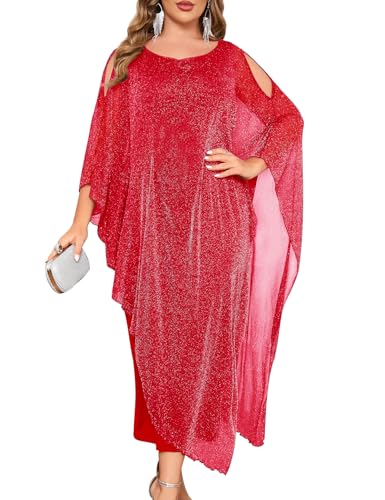
Illusion mesh sleeves and sheer overlays give the appearance of coverage without adding warmth or bulk, and they are common in this collection.
If a dress you like is sleeveless, a matching or contrasting wrap solves the same problem and can be removed later, which a fixed sleeve cannot.
Fabric Behavior
Chiffon accounts for around three in ten listings here and is the most forgiving fabric in extended sizes, because it moves independently of the body rather than mapping it.
Satin, at roughly one in six, is the least forgiving. It shows every seam and every line beneath, which means fit must be accurate rather than approximate. It is not a fabric to size up in and hope.
Lace, at a similar share, sits between them. Lace over a lining reads as texture and disguises more than a smooth surface does.
Sequin styles appear in around one dress in eight. These add weight and, like satin, display rather than disguise the fit underneath.
Measuring
Take bust, underbust, natural waist and the fullest part of your hips, and record your height without shoes.
Underbust is the measurement most often skipped and the most useful here, because it determines whether a boned or structured bodice will grip correctly. A bodice that is right at the bust but loose at the ribs will not hold its position.
For mermaid styles, at around one dress in eight here, also measure your thigh at the widest point, since that is where the cut most often fails.
Sizing across the labels on this page varies considerably, and several use conventions that run smaller than US equivalents. Read the specific listing's chart every time. Our US size chart covers plus conversions.
Alterations
Buy for your largest measurement and have the dress taken in. Letting a formal dress out is limited by the seam allowance the manufacturer left, which is usually minimal.
Taking in side seams and shortening a hem are straightforward. Reworking a shoulder, adjusting a boned bodice, or altering anything running through beading is expensive and often unsatisfying.
Order around three months ahead. Plus-size formal wear sells through faster in the middle of the size range, so a listing available today may not have your size in six weeks.
Occasion Filtering
Prom and bridesmaid styles each account for around a third of this collection, with evening wear at four in ten and mother-of-the-bride styles at roughly one in eleven.
If you are shopping for an adult formal occasion, check the closure type, the slit height and whether the bodice has cut-out or sheer panels. Those three checks separate prom design from occasion wear faster than anything else.
Related Collections
For red across all sizes, see red formal gowns. For extended sizing in other colors, browse formal dresses for plus size women. Knee and midi lengths sit in the cocktail dresses range instead.