
Formal Dresses for Girls
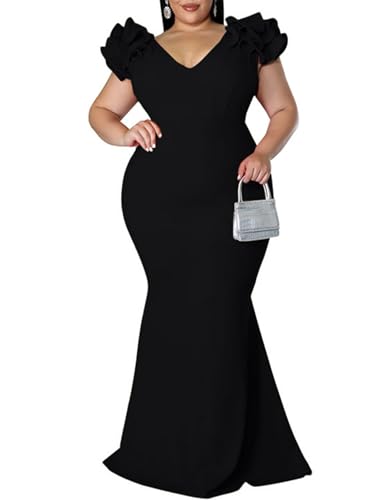
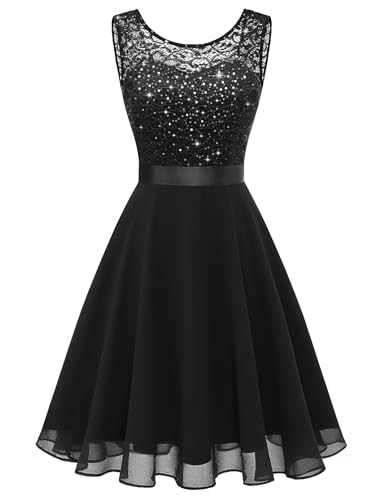
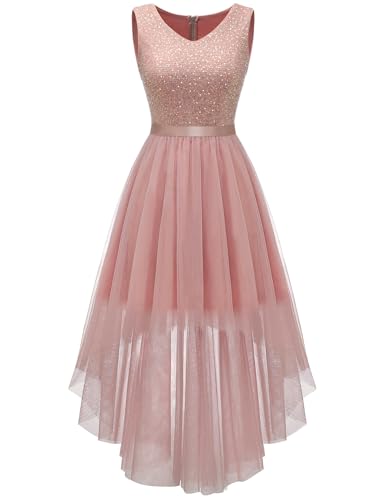
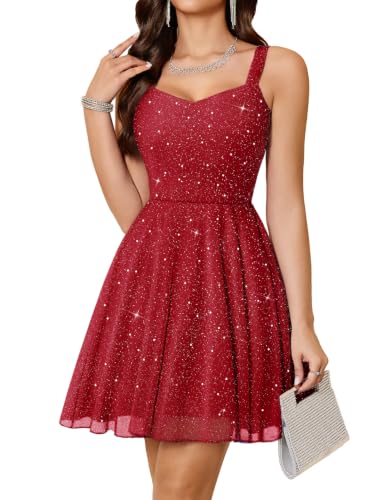
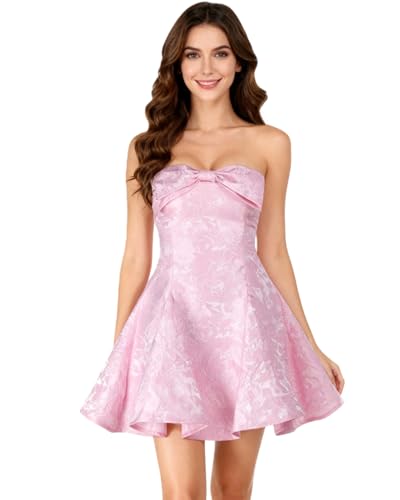
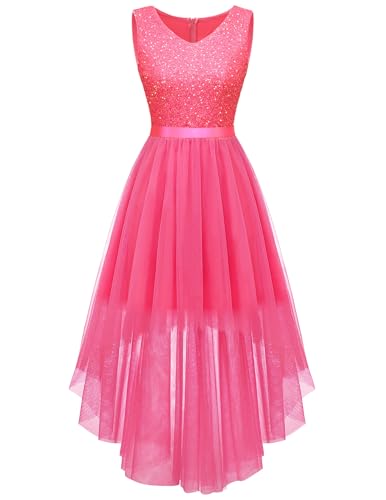
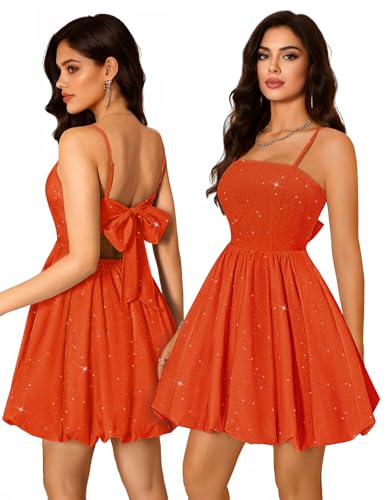
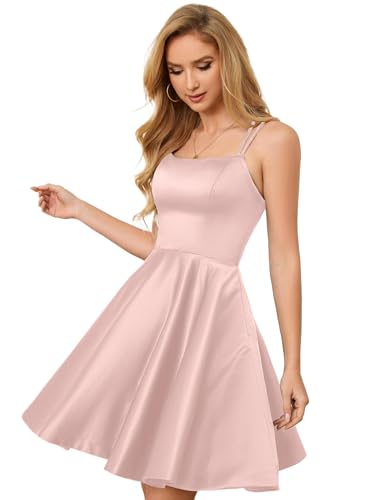
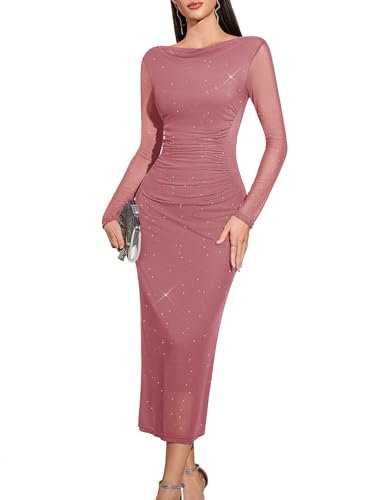
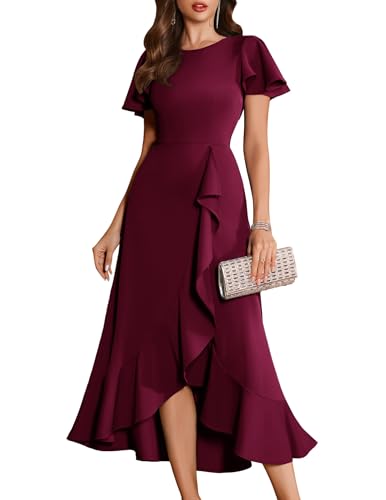
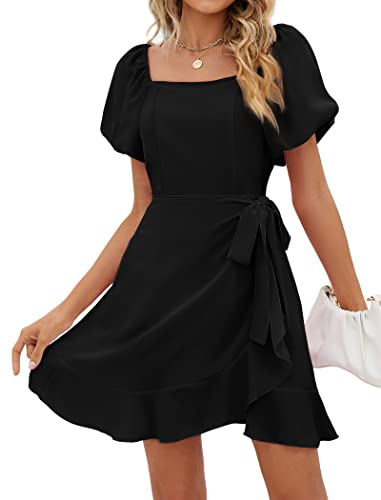
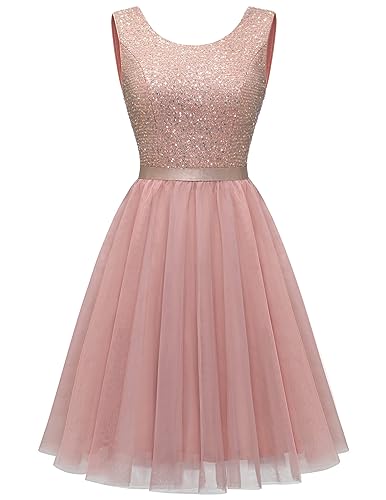
formal dresses for girls include flower-girl dresses, junior bridesmaid styles, holiday dresses, recital dresses, pageant gowns, communion and ceremony dresses, party dresses, and long or tea-length formal options for weddings, school ceremonies, recitals, religious events, birthdays, holiday parties, pageants, family portraits, and formal dinners. The product grid below may contain several silhouettes, fabrics, lengths, sleeve options, and size ranges from different sellers, so use the category as a comparison starting point rather than proof that every listing meets the same dress code.The phrase formal dresses for girls can cover products with very different construction, sizing, formality, and return terms. Confirm the exact seller, selected color and size, garment measurements, fabric, lining, closure, delivery estimate, care instructions, and return eligibility on the final retailer page before ordering.Related shopping paths include formal dresses for juniors, formal dresses for teens, formal dresses for weddings, and formal ball gowns. These collections separate audience, occasion, garment type, length, and coverage intent so shoppers can narrow the product grid without treating closely related keywords as identical.




Frequently Asked Questions About Formal Dresses for Girls
What occasions require formal dresses for girls?
Weddings, recitals, religious ceremonies, pageants, holiday parties, school events, family portraits, and formal dinners may require them.
How should a formal dress for a girl fit?
It should allow breathing, sitting, walking, stairs, eating, and arm movement without scratching, slipping, or dragging.
What is the difference between a flower girl and junior bridesmaid dress?
Flower girl dresses are usually for younger children, while junior bridesmaid dresses coordinate an older child with the bridal party using age-appropriate styling.
Can girls wear long formal dresses?
Yes, when the front hem clears the shoes safely and the skirt can be managed without constant help.
Which fabrics are comfortable for children?
Soft-lined satin, chiffon, tulle, velvet, lace, organza, and cotton blends can work when seams and embellishments do not irritate the skin.
How much growth room should I allow?
Allow modest room based on the event date and alteration plan, but do not buy so large that the neckline, shoulders, or hem become unsafe.
Are sequins and beads safe on girls’ dresses?
They can be when securely attached and kept away from irritating areas, but loose decorations should be treated as a hazard.
How early should I order?
Order early enough for delivery, exchange, minor alterations, shoe selection, and a full comfort and movement test.
What should I verify before ordering?
Check the seller, child measurements, lining, closures, decoration security, length, care, delivery, returns, and event requirements.
Understanding Formal Dresses for Girls
Girls’ formalwear should match the event while prioritizing age-appropriate design, comfort, safe movement, manageable closures, and parent-approved fit. A careful decision here reduces the chance of late returns, emergency tailoring, and unsuitable backup purchases. When comparing formal dresses for girls, this point deserves an explicit place in the shortlist. A strong product page should make these tradeoffs easier to see.
Confirm weddings, recitals, religious ceremonies, parties, pageants, and family events, the wearer’s role, venue, time, and any written rules before comparing products. Compare the total outfit cost after this check, not merely the displayed product price. Use the category label as a starting point, then verify the exact garment and seller.
Matching the Dress Code
Formal Dresses for Girls can span semi-formal, cocktail, formal, black-tie optional, and black-tie use. Retailer labels often overlap. A useful shortlist gives fit and construction equal weight with color, trend, and price. It also helps distinguish a formal garment from a casual item presented with formal styling.
Compare invitation language with length, fabric, lining, construction, coverage, and complete styling. When the evidence remains uncertain, choose the more returnable option rather than the more dramatic image. Choose slightly more polished rather than visibly casual when the code remains unclear.
Choosing the Right Silhouette
A-lines, fit-and-flare dresses, tea-length skirts, simple columns, and child-sized ball gowns vary in volume and independence. It also affects which competing products belong in the same comparison set and which should be removed early. The result should remain polished after sitting, walking, and normal social movement.
Check bust, waist, hip, shoulder, torso, and skirt movement for the exact cut. Record the exact variation and seller because grouped listings can use different charts and policies. Select the shape that remains balanced while standing, sitting, walking, and using stairs.
Fabric, Lining, and Construction
Tulle, satin, chiffon, lace, organza, velvet, cotton blends, sequins, and appliqué need soft lining and secure attachment. A category result is useful only when it helps eliminate unsuitable products as well as highlight attractive ones. It also protects the event budget from several small, avoidable expenses.
Inspect fiber content, opacity, lining stretch, seams, zipper, hems, and internal support. If the seller’s chart conflicts with a general brand guide, use the exact item information and request clarification from the retailer. Prefer strong construction and predictable fabric behavior over decorative claims in the title.
Short, Midi, Tea-Length, and Long Options
Length changes the formality, proportion, and practicality of a dress. The same labeled midi or maxi can fall differently according to height. This point becomes more important when the dress uses rigid fabric, fitted lining, sleeves, boning, or heavy decoration. When comparing formal dresses for girls, this point deserves an explicit place in the shortlist. This keeps decorative preference from overruling a critical fit issue.
Use actual garment length, intended shoes, seated coverage, slit height, and train length. Repeat the test after accessories are added because straps, jewelry, and outerwear can shift the neckline or sleeves. Choose the hem for the event and venue rather than relying on the model image.
Necklines, Sleeves, and Coverage
Neckline and sleeve choices affect support, comfort, age or role suitability, temperature, and undergarment options. The practical standard is whether the garment remains composed through the entire schedule, including seated and transitional moments. It also gives measurements and seller terms a clear place in the decision.
Raise both arms, bend, sit, and check front, side, and back views with the planned bra. Ask a tailor about feasibility before the return deadline when decoration or structure crosses the alteration area. Keep only a design that stays secure without repeated pulling or pinning.
Color and Event Etiquette
Wedding roles may require color coordination, while religious events, recitals, and school ceremonies may have specific coverage or color rules. A dress can match the keyword while missing the event, wearer, or venue in ways that only become clear during a full fitting. That standard is more reliable than choosing by model height or usual size alone.
Review host guidance, photography, lighting, group colors, and cultural expectations. Use normal movement rather than exaggerated posing, because the event will not be a continuous photo shoot. Select a shade that respects the occasion and remains distinct in real photographs.
Sizing and Body Measurements
Measure chest, waist, hip when relevant, shoulder, upper arm, back length, and shoulder-to-hem; allow only reasonable growth room. When two products look equally suitable, this is a sensible tie-breaker because it predicts comfort and alteration risk. The final seller page should resolve any conflict between the category copy and the current listing.
Use the exact seller chart and compare the least flexible layer or area. Repeat the check with the planned shoes and base layers so proportions do not change after approval. Do not size from a familiar brand number when the current product uses different measurements.
Support, Undergarments, and Transparency
Avoid complicated adhesive support; straps, sleeves, bodice shaping, and soft base layers should be comfortable for the child. A formal garment earns its place on the shortlist by meeting the occasion and movement requirements together. That approach keeps the page aligned with commercial shopping intent rather than generic inspiration.
Test under daylight and flash and confirm that cups, straps, seams, and shapewear edges remain hidden. Use the least flexible layer as the sizing constraint, even when the outer fabric appears forgiving. Plan support before the return deadline; do not use accessories to disguise a fundamental fit problem.
Shoes, Accessories, and Styling
Shoes, jewelry, bag, hairstyle, and outerwear should support one visual direction and the event’s practical demands. The category label narrows the search, but the final choice still depends on how the item performs outside a controlled studio pose. When comparing formal dresses for girls, this point deserves an explicit place in the shortlist. The decision should still hold after the planned shoes and undergarments are added.
Match metals to hardware, test the walking surface, and ensure outerwear does not crush decoration. Read the care label before steaming or pressing, especially around adhesives, sequins, velvet, and synthetic satin. Keep accessories controlled when the dress already has a strong neckline, print, or embellishment.
Season, Venue, and Weather
Children may move between outdoor photographs and warm indoor spaces; hems and shoes must handle stairs, grass, and active play. The strongest option is usually the one with the fewest unresolved fit and function questions before checkout. It is safer to reject a poor starting fit than to plan around uncertain alterations.
Consider indoor temperature, grass, gravel, rain, wind, stairs, transportation, and coat storage. Review the result in daylight and flash, since dark or reflective fabrics can hide problems indoors. Choose breathable or insulating construction and stable footwear based on the real venue.
Movement and All-Event Comfort
Styled product images do not show eating, sitting, hugging, dancing, restroom use, or long periods in a vehicle. The wearer’s role and the event schedule provide a more reliable standard than trend language such as elegant, luxe, or glamorous. Use it to narrow the shortlist before comparing accessories.
Complete a ten-minute seated test, walk, reach, use stairs, and inspect the garment afterward. Give more weight to reviews that state measurements, purchased size, and the exact variation. Approve the dress only when it returns to position without riding, twisting, or opening.
Alterations and Tailoring
Simple hems and strap changes are often manageable, while corsetry, sleeves, lace, sequins, pleats, and decorated hems can require specialist work. The best choice should look deliberate without requiring repeated pulling, pinning, or concealment during the event. This makes the advice useful before purchase and again when the order arrives.
Get an estimate before removing tags and bring shoes and undergarments to every fitting. Check the venue surface and seating layout before accepting a long hem, train, or wide skirt. Return a dress that misses several structural measurements instead of rebuilding it.
Budget and Total Purchase Cost
Include shoes, tights, cardigan, alterations, shipping, and likely one-time wear when judging value. The decisive evidence appears in the garment’s structure and behavior, not in the number of flattering product photographs. The same reasoning applies across straight, petite, tall, and plus-size ranges.
Include tax, shipping, returns, alterations, undergarments, shoes, accessories, care, and replacement risk. Allow enough time to exchange the product rather than treating tailoring as the only solution. Compare total cost and starting fit, not only the category-page price.
Flower Girl and Junior Bridesmaid Roles
Flower girls and junior bridesmaids have different ages, duties, and coordination needs. The dress should identify the role without copying an adult bridal silhouette. This decision should be made before accessories are used to polish the outfit, because styling cannot correct weak construction. When comparing formal dresses for girls, this point deserves an explicit place in the shortlist. That is the point at which style preference becomes a workable purchase decision.
Confirm color, length, fabric, accessories, ceremony timing, and who handles restroom or skirt assistance. Make the decision while there is still enough time for a replacement to arrive. Keep the child comfortable and recognizable within the wedding party.
Child Comfort, Closures, and Safety
Scratchy seams, loose beads, narrow armholes, long trains, rigid corsets, and difficult back closures can create safety and comfort problems. The goal is not maximum decoration; it is a controlled result that reads correctly from a normal viewing distance. A realistic home fitting is the fastest way to expose the difference.
Check labels, attachments, skin contact, walking, sitting, eating, and independent restroom use. Use the event’s written guidance as the final authority when style advice and host expectations differ. Choose a simpler dress when decorative features interfere with normal child movement.
Seller, Delivery, and Return Checks
Category pages can contain multiple sellers, changing stock, different charts, and item-specific policies. This consideration protects against buying a garment that photographs well while failing at the neckline, waist, sleeve, or hem. This is especially relevant when the return window is short.
Verify the final destination, seller, variation, delivery date, return eligibility, included pieces, and care instructions. Test the garment in the room temperature and outerwear expected for the event when possible. Keep screenshots and packaging until the dress passes the complete fitting.
Growth, Ordering Dates, and Last-Minute Fit Changes
Children can change height and proportion between ordering and the event, but buying several sizes too large creates its own problems at the shoulders, neckline, waist, and hem. The right plan balances expected growth with delivery time, return windows, and the availability of simple alterations. Elastic backs, adjustable sashes, and generous skirts may offer flexibility, while fitted satin bodices and fixed waist seams offer less.
Measure again when the dress arrives and close to the final fitting. Keep enough seam or hem allowance only when the construction supports it, and avoid alterations so early that normal growth makes them obsolete. A safe, secure fit on the event date matters more than maximizing theoretical room for future wear.
Final Dress Checklist
A successful formal dresses for girls purchase aligns dress code, fit, construction, comfort, color, schedule, and seller terms. It can also determine whether the item is reusable for another event or too specialized to justify the total cost. The garment should be judged as part of an outfit and a schedule, not as an isolated image.
Photograph the full outfit in daylight and flash, test movement, and inspect every closure and seam. Include the intended bag, coat, or wrap when they could catch or compress the garment. Keep the dress only when it works for the complete event without emergency fixes.