
Formal Gowns for Women
formal gowns for women cover women’s black-tie gowns, gala dresses, wedding guest gowns, mother-of-the-bride and groom options, prom and military-ball styles, long-sleeve gowns, plus-size gowns, petite and tall lengths, and tailored evening silhouettes. The product grid below may contain columns, A-lines, fit-and-flare gowns, ball gowns, sleeves, jackets, draping, beading, and several size ranges from different sellers, size systems, and return programs. Use the category as a comparison starting point, then judge each selected listing by its actual measurements, construction, color variation, delivery timing, and event suitability.The phrase formal gowns for women is used broadly in online shopping, and products carrying the label may differ substantially in formality, fabric weight, lining, support, and fit. Before ordering, confirm the exact seller, selected size and color, garment or body chart, closure, care instructions, shipping estimate, return eligibility, and any accessories shown in the styled image.Related shopping paths include formal gowns, formal evening gowns for women, formal dresses for women, and formal dresses for weddings. These pages separate general gown taxonomy, evening-specific use, broader women’s formal dresses, and wedding-role shopping so shoppers can move between nearby search intents without assuming the categories are interchangeable.


Xscape Women’s Petite -The-Shoulder Velvet Long Sleeve Maxi Dress with V-Bar Neckline and Center Back Zipper, Burgundy, 14
Original price was: $179.00.$137.05Current price is: $137.05.


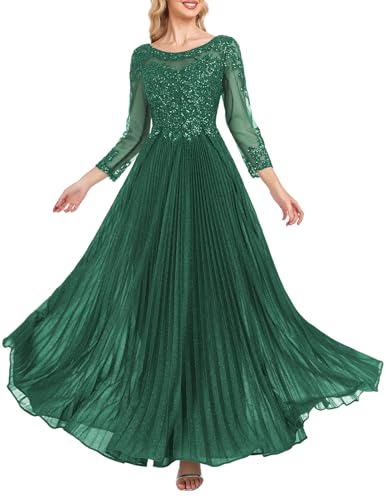
Sparkly Mermaid Prom Dresses Long Formal Sequin Gowns and Evening Dresses for Women, Dark Green, Size 12
Original price was: $89.99.$69.99Current price is: $69.99.



Frequently Asked Questions About Formal Gowns for Women
What occasions call for formal gowns for women?
Black-tie weddings, galas, military balls, award dinners, proms, pageants, operas, and other formal evening events commonly support gowns.
Which gown silhouette is easiest to fit?
A-lines and controlled fit-and-flare gowns often provide useful skirt ease, but the bodice, shoulders, and torso must still fit accurately.
Are formal gowns available in plus, petite, and tall sizes?
Many are, but size labels and proportions vary. Check the exact chart, garment length, bust depth, waist placement, and sleeves.
Can women wear sleeves to black tie?
Yes. Long sleeves, cape sleeves, lace sleeves, and jacket gowns can be fully black-tie appropriate when the construction is formal.
What undergarments work under a formal gown?
Use smooth, skin-tone undergarments and a support solution compatible with the exact neckline, back, fabric, and lining.
How should I choose a gown for a wedding role?
Follow the invitation and coordinate with the couple when you are a mother or close family member. Avoid bridal colors and deliberate bridesmaid matching.
Can formal gowns be worn with flats?
Yes. Refined flats can work when they suit the event, and the gown is hemmed to the actual footwear.
How early should I order?
Leave time for delivery, a complete fitting, exchange, hemming, pressing, and final outfit testing.
What should I verify before ordering?
Check seller, size chart, measurements, fabric, lining, support, sleeves, length, delivery, returns, care, and alteration feasibility.
Understanding Formal Gowns for Women
Formal gowns for women combine elevated event construction with women’s sizing, support, proportion, and role-specific needs. Retail category names are not regulated dress-code terms, so a product can appear under several labels even when its construction is closer to cocktail, semi-formal, or occasion wear. The most reliable signals are the complete silhouette, fabric, lining, internal support, finish, and how the garment behaves during a real event.
Unlike the broader formal-gowns page, this category emphasizes how the wearer’s measurements, age, role, size range, support needs, and event schedule affect the best gown choice. This distinction matters for search intent and for practical shopping: a closely related page may show similar products but answer a different question. Treat the exact title as a route into the catalog, not as a guarantee that every item in the grid has identical formality or purpose.
Matching the Dress Code
Women may shop this category for black-tie weddings, gala dinners, military balls, awards, operas, proms, pageants, mother-of-the-bride duties, and formal cruises or holiday events. Formal, black-tie optional, black tie, cocktail, and dressy casual are not synonyms. A host may also specify festive formal, garden formal, military formal, creative black tie, or another variation, and each phrase changes the acceptable range of length, tailoring, exposure, and embellishment.
When comparing formal gowns for women, read the invitation, event website, venue type, start time, and any role-specific instructions together. When the wording remains unclear, choose a polished option that meets the stricter reasonable interpretation without becoming theatrical. A secure, well-lined garment in an elevated fabric is usually safer than relying on sparkle, dark color, or a long hem alone.
Silhouette and Proportion
The strongest silhouette is the one that aligns cup position, waist placement, torso length, hip ease, and skirt movement for the individual wearer. Silhouette should be evaluated from front, side, and back views because product photography often emphasizes one controlled angle. Waist placement, torso length, shoulder balance, rise, hip ease, leg or skirt volume, and the relationship between the upper and lower halves determine whether the proportions remain intentional.
For formal gowns for women, select the shape from the least flexible and most structurally important area. A full skirt, wide leg, draped overlay, or flowing outer layer cannot correct a shallow bodice, short torso, tight waistband, narrow sleeve, or unstable neckline. Compare exact measurements and choose a cut that needs refinement rather than reconstruction.
Fabric, Lining, and Construction
Women’s gowns span fluid charmeuse, matte crepe, layered chiffon, stretch velvet, structured mikado, lace, sequins, and beaded mesh, each with different heat, support, and alteration behavior. Fabric names alone do not establish quality. Polyester satin can range from fluid charmeuse to stiff, highly reflective cloth; crepe can be thin and clingy or substantial and structured; chiffon may hide a restrictive lining; and sequined or beaded surfaces can add considerable weight.
On formal gowns for women, inspect fiber content, stretch, layer count, seam finish, zipper area, lining length, opacity, and care requirements. Customer photographs can reveal shine, wrinkles, static, pulling, and color under flash, but only when they match the exact seller and variation. The lining is often the least forgiving layer and should be treated as part of the garment measurements.
Length and Hem Decisions
Petite, regular, and tall labels do not consistently predict floor clearance, particularly when the gown has an empire waist, high-low hem, train, or layered skirt. Retail terms such as mini, midi, maxi, long, ankle length, and floor length are approximate because the result changes with wearer height, torso proportion, shoes, rise, and garment cut. Use an actual shoulder-to-hem, waist-to-hem, or inseam measurement whenever the seller provides one.
With formal gowns for women, test stairs, curbs, grass, dance floors, vehicle entry, and seated coverage in the intended shoes. Trains, asymmetrical hems, slit placement, wide legs, lace borders, horsehair trim, and multilayer skirts increase alteration complexity. Final footwear and any petticoat or shaping layer should be chosen before hemming.
Necklines, Sleeves, and Coverage
Coverage can come from sleeves, cape overlays, jackets, higher backs, or lined illusion panels, but these features must remain comfortable rather than merely conceal fit problems. Coverage should be checked while bending, reaching, hugging, sitting, and raising both arms. A neckline or sleeve that appears stable in a front-facing image may shift when the wearer moves, while illusion mesh can look more transparent under flash or against a different skin tone.
During a formal gowns for women fitting, wear the planned bra or support solution. Review armhole depth, side coverage, back height, strap placement, cuff width, upper-arm room, and whether a jacket or wrap changes the neckline. Fashion tape can provide minor control, but it should not be used to compensate for a structurally incorrect bodice.
Color, Print, and Event Etiquette
Color choice should account for the wearer’s role, group photographs, bridal-party palette, season, venue light, and whether the shade can be reused for another event. Color names vary between sellers and can shift with fabric finish, dye lot, lining, daylight, warm indoor light, and camera flash. Prints, metallics, sequins, velvet pile, and satin reflection may look substantially different from the main catalog image.
When formal gowns for women are considered for weddings, avoid white, ivory, cream, or bridal-looking pale tones unless the couple specifically approves them. For professional, religious, military, or family ceremonies, consider local expectations and photography. Photograph the received item in daylight and flash before removing tags, especially when color is central to the decision.
Measurements and Seller-Specific Sizing
Women’s gown fit requires bust depth, underbust, shoulder width, torso length, natural waist, hip, upper arm, and hollow-to-floor measurements where available. Do not convert automatically from a familiar brand size. Sellers may use misses, juniors, petite, tall, women’s, or international charts, and two products labeled with the same number can differ in bust depth, rise, waist placement, hip ease, shoulder width, and length.
Before sizing formal gowns for women, measure over the intended undergarments and record the fullest bust, underbust where relevant, natural waist, full hip, shoulder width, upper arm, torso or rise, and required length. Choose from the least flexible area, then assess whether the remaining differences are realistically alterable before the return deadline.
Support, Undergarments, and Transparency
Large-bust, strapless, off-shoulder, and low-back gowns require early support planning because product cups and fashion tape may be insufficient. Built-in cups, boning, grip tape, compression fabric, or a lined bodice can help, but none automatically provides the support shown in a styled image. Low backs, cutouts, sheer panels, strapless necklines, and deep fronts may limit conventional bra options.
Plan the base layer before committing to formal gowns for women. Use smooth, skin-tone undergarments matched to the wearer, test seams and shapewear edges under daylight and flash, and sit for several minutes to identify rolling or pressure. Return a design that requires an unstable workaround for an all-evening event.
Shoes, Bags, Jewelry, and Outerwear
Jewelry, hairstyle, handbag, outerwear, and shoes should support the gown’s neckline and role rather than compete with beadwork, cape detail, or strong draping. Accessories should clarify the formality rather than rescue an unsuitable base garment. Shoes affect hem clearance and posture; a bag can snag sequins or lace; outerwear can crush velvet, bows, sculpted sleeves, or shoulder details; and several competing metallic finishes can make the outfit look uncoordinated.
Style formal gowns for women around one visual lead, such as a strong neckline, tailored jacket, dramatic fabric, or embellished surface. Repeat one controlled finish through jewelry, hardware, and footwear. Test the outfit with the actual coat, wrap, bag, and shoes instead of assuming they will work together on the event day.
Season, Venue, and Weather
A mother at a church wedding, a guest at a city gala, and an attendee at a military ball may all need long gowns but have different coverage, mobility, and etiquette requirements. The same garment behaves differently in a ballroom, restaurant, church, garden, beach venue, theater, office, or private home. Heat, air conditioning, wind, grass, gravel, wet pavement, narrow aisles, and coat-check logistics can change which fabric, hem, and footwear remain practical.
For formal gowns for women, plan both arrival and indoor wear. Breathable lining, stable straps, manageable volume, suitable soles, and outerwear that fits over the garment matter as much as appearance. Seasonal color is optional; temperature, movement, and venue conditions are the stronger guides to fabric weight and coverage.
Movement, Seating, and All-Evening Comfort
Women’s formal schedules often include receiving lines, seated meals, photographs, stairs, dancing, and long periods of standing, so stability matters beyond the entrance. A successful formal item should remain controlled through walking, stairs, seated dining, greeting, photographs, dancing, and restroom use. Product images rarely show the garment after an hour of sitting or during a full stride, which is when riding, twisting, gaping, pooling, and zipper strain become visible.
Complete a realistic home test of formal gowns for women before removing tags. Sit for ten minutes, walk in the final shoes, reach forward, raise both arms, and practice managing the hem, legs, train, jacket, or overlay. Comfort should come from correct construction and measurements, not from repeatedly pulling the garment back into place.
Plus-Size, Petite, and Tall Considerations
Inclusive gown selection should address plus-size cup placement, petite torso and hem length, tall inseams or skirt length, menopausal temperature comfort, mobility needs, and accessible closures. Extended-size, petite, and tall versions may use different pattern blocks, but the label alone does not prove proportional grading. Review bust depth, shoulder width, armhole shape, rise, waist position, sleeve length, inseam, and overall garment length for the selected size range.
When evaluating formal gowns for women, look for photographs and reviews from shoppers with comparable measurements, not only the same stated size. Petite shoppers may need shorter torso or rise proportions rather than a simple hem; tall shoppers need enough bodice, sleeve, and inseam length; plus-size fit should be assessed through support and placement, not only circumference.
Alterations and Tailoring Risk
A gown should start with correct shoulders, bust, arms, and torso because these areas are costlier to rebuild than a hem or strap. Straight hems, strap shortening, sleeve shortening, and modest side-seam changes are often the most predictable alterations. Major bust reconstruction, rise changes, shoulder reshaping, sleeve enlargement, corset work, beaded seams, lace borders, pleats, trains, and multilayer hems can cost more than expected or be structurally limited.
For alterations to formal gowns for women, ask a tailor for an estimate while the item is still returnable. Bring the final shoes and undergarments to every fitting, and keep detachable pieces with the garment. Return an option that misses several critical measurements instead of budgeting for uncertain reconstruction because the purchase price was attractive.
Budget and Total Purchase Cost
Repeat-wear potential, existing accessories, cleaning, alterations, and travel should be included when comparing women’s gowns across price points. Evaluate total event cost rather than the displayed product price. Shipping, tax, return fees, tailoring, professional pressing, cleaning, special undergarments, shoes, jewelry, outerwear, and a backup option can substantially change the real budget.
Sales and clearance on formal gowns for women can provide value when the selected size, seller, delivery date, and return terms remain workable. A slightly more expensive garment that fits the structured areas and uses existing accessories may cost less than a bargain item requiring several new purchases or specialist alterations.
Seller, Delivery, and Return Verification
Women’s size charts may be body-based or garment-based and may change by brand, seller, or style, so verify what the numbers actually describe. Marketplace category pages can combine listings from multiple sellers, and the visible image or headline may not describe every variation. Confirm the final destination domain, seller name, brand field, selected color, selected size, current price, material, included pieces, and whether reviews apply to that exact option.
Order formal gowns for women with enough time for delivery, inspection, exchange, steaming, and tailoring. Save the size chart and order details, keep packaging and tags, and test the garment immediately after arrival. A promised date is not useful when it leaves no recovery window before the event.
Choosing a Gown by Role and Event
A wedding guest should respect bridal colors and the stated code, while a mother of the bride or groom may need palette coordination, sleeves, a jacket, and all-day comfort. Prom and pageant shoppers may prioritize movement, school rules, stage lighting, or dramatic detail. Gala and military-ball shoppers often need secure floor-length construction.
Start with the role before choosing a trend. The same sequin column can be excellent for a charity gala but excessive for an afternoon ceremony; a lace jacket gown may be ideal for a mother yet too ceremonial for a casual guest. Role, venue, and schedule create the practical definition of appropriate.
Women’s Life Stage, Comfort, and Repeat Wear
Comfort needs can change with age, temperature sensitivity, mobility, footwear tolerance, and support preferences. Sleeves, stretch crepe, soft waistlines, refined flats, lower block heels, pockets, and easy closures can improve the experience without lowering formality when the garment remains polished.
Consider whether the gown can be restyled for another wedding, gala, cruise, holiday dinner, or ceremony. A controlled color, manageable hem, and adaptable accessories often provide better cost per wear than a highly specific train, novelty shade, or difficult support requirement.
Final Women’s Gown Checklist
Before checking out with formal gowns for women, confirm the dress code, wearer role, exact measurements, fabric, lining, closure, support plan, length, color, seller, delivery window, return terms, care, and realistic alteration needs. Remove products that fail a critical requirement before comparing decorative details.
After delivery of formal gowns for women, photograph the complete outfit from front, side, and back in daylight and flash. Sit, walk, use stairs, reach, and wear the intended shoes and layers. Keep the gown only when it remains secure, proportionate, event-appropriate, and manageable without repeated adjustment or emergency fixes.