
Cheap Formal Dresses for Women
cheap formal dresses for women include lower-priced gowns, cocktail dresses, maxis, midis, prom dresses, wedding guest styles, and evening options for shoppers working within a defined budget. The product grid below may include chiffon A-lines, satin gowns, lace dresses, sequined styles, wraps, sleeves, and plus-size choices across several marketplace sellers.“Cheap” should describe the purchase price, not an assumption about current quality, fit, or value. A low listing price can become expensive after shipping, return fees, alterations, steaming, special undergarments, or accessories. Compare exact measurements, fabric, lining, closure, seller evidence, delivery date, return terms, and care before ordering.Related shopping paths include formal dresses, affordable plus-size wedding formal dresses, plus-size formal dresses at lower prices, and semi-formal dresses. These pages separate budget, size, wedding, and dress-code intent.
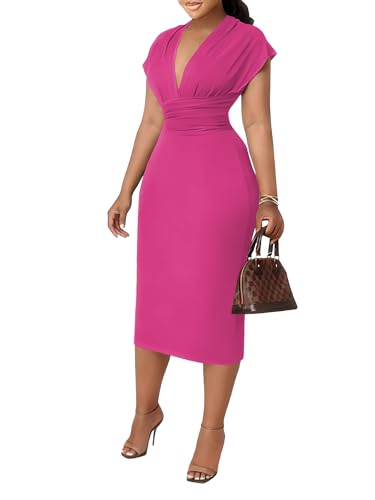
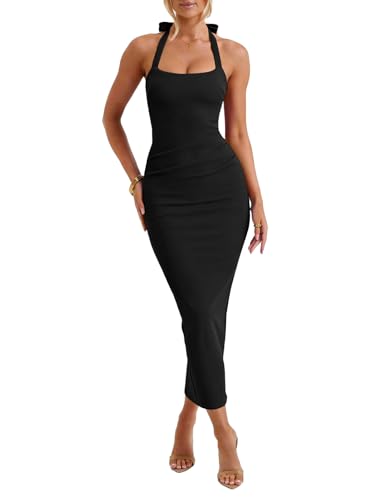
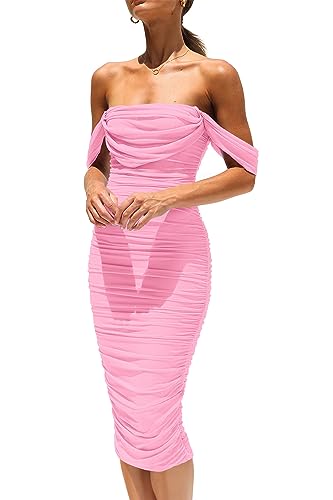
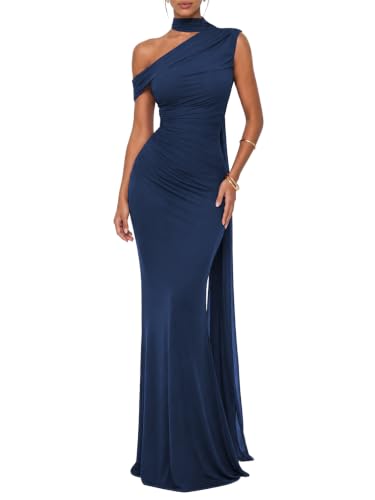




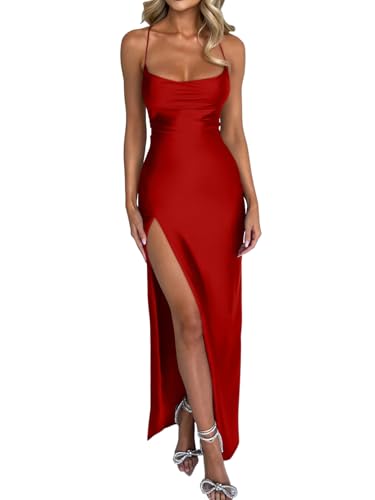


ZZV Long Black Formal Dresses for Women Gowns Evening Party Cocktail Dress,Split Elegant V Neck Wrap Ruffle Wedding Guest Dresses Black-L
Original price was: $69.99.$57.78Current price is: $57.78.Frequently Asked Questions About Cheap Formal Dresses for Women
Can a cheap formal dress look elegant?
Yes. Correct fit, clean construction, suitable fabric, and polished styling matter more than price alone.
How much should I budget beyond the dress price?
Include shipping, tax, alterations, undergarments, shoes, accessories, steaming or cleaning, and possible return fees.
Are formal dresses under $50 worth buying?
They can be, especially with simple silhouettes and clear seller evidence. Check lining, closures, measurements, reviews, and returns carefully.
What is the safest affordable formal dress style?
A simple lined A-line, wrap, crepe maxi, or chiffon gown with a straightforward hem is often easier and less expensive to fit.
Can I wear an affordable dress to black tie?
Yes, when it is floor length, opaque, well-fitted, securely constructed, and styled for the event.
Should I buy final sale?
Only when the exact measurements, color, seller, and fit risk are acceptable. Avoid nonreturnable purchases based on guessed sizing.
How early should I order?
Order early enough for delivery, inspection, exchange, steaming, and alterations before the event.
Which reviews are most useful?
Reviews with height, measurements, purchased size, exact variation, seller, photographs, and a specific issue are most useful.
What should I verify before ordering?
Check the seller, size chart, garment measurements, fabric, lining, closure, shipping date, return policy, care, and total expected cost.
What Makes a Formal Dress Affordable
An affordable formal dress meets the event requirements without forcing unnecessary expense. The relevant number is the total cost after shipping, tax, tailoring, undergarments, shoes, care, and possible return fees—not only the price displayed in the product grid.
Set a complete outfit budget before browsing. Reserve part of it for hemming, steaming, accessories, and delivery risk so a low-cost dress does not consume the entire event budget.
Cheap Versus Poor Value
Low price does not automatically mean poor value, and a higher price does not guarantee correct fit or durable construction. Value depends on how accurately the listing describes fabric, lining, sizing, closures, seller policies, and current availability.
Reject products with missing measurements, unclear sellers, inconsistent photos, or unusable return terms even when the price is attractive. Strong evidence and a manageable alteration need are more valuable than a dramatic discount.
Shopping Under $50
Under-$50 formal dresses often use polyester chiffon, stretch knits, simple satin, mesh, or minimal embellishment. These fabrics can work, but the lining, zipper, seams, and hem finish should be reviewed carefully.
Prioritize forgiving silhouettes and simple hems because extensive tailoring can exceed the dress price. Allow extra delivery time in case the first option must be exchanged.
Shopping Under $100
The under-$100 range may include more lined gowns, structured bodices, lace overlays, sequins, sleeves, and longer skirts. Price alone still does not establish construction quality, so compare the exact variation and seller.
Use filters for dress code, length, size, sleeve, and fabric before sorting by price. This prevents a low-cost casual dress from being mistaken for a suitable black-tie or gala option.
Sales, Clearance, and Final-Sale Risk
Sale and clearance prices can produce strong value when the size, seller, and return terms remain workable. Final-sale items carry more risk because fit, color, and fabric cannot be confirmed fully from online images.
Do not buy a nonreturnable formal dress from guessed measurements. Confirm whether the discount applies to the selected size and color and whether the item can be exchanged if the event date changes.
Fabric and Lining Checks
Affordable chiffon, satin, crepe, lace, velvet, and jersey vary widely in weight and opacity. The lining can be shorter, tighter, less stretchy, or a different color than the outer layer.
Inspect customer photos for transparency, static, shine, and seam pulling. A dress that needs a slip, special shapewear, or full relining may no longer meet the intended budget.
Zippers, Seams, and Closures
Invisible zippers, hook-and-eye closures, straps, wrap ties, and corset lacing should remain secure through sitting and movement. Cheap hardware is most costly when it fails close to the event.
Check reviews for zipper difficulty, loose threads, broken hooks, or straps that detach. Test every closure immediately after delivery while the return window is open.
Affordable Wedding Guest Dresses
Wedding guest shoppers should begin with the invitation, venue, season, and color etiquette before filtering by price. A lower-cost midi or maxi can be appropriate when the fabric, lining, and styling meet the dress code.
Avoid white-dominant colors and overly bridal construction. Budget for a wrap, stable shoes, or alterations if the venue includes a religious ceremony, grass, stairs, or cool evening temperatures.
Affordable Prom Dresses
Prom dresses need secure bodices, school-compliant coverage, manageable hems, and enough movement for dancing. Corset, tulle, sequin, satin, and slit styles can all be affordable, but alteration complexity differs.
Order early enough for an exchange and wear the intended shoes during the length check. Do not rely on fashion tape to fix a structurally loose strapless or low-back bodice.
Affordable Gala and Black-Tie Options
Black-tie does not require the most expensive gown, but it does require sufficient length, finish, and construction. Simple floor-length crepe, satin, chiffon, or velvet can look more formal than a heavily decorated dress with weak fit.
Choose clean seams, stable support, opaque lining, and an event-appropriate hem before comparing embellishment. A well-fitted simple gown usually needs fewer expensive corrections.
Plus-Size Affordable Formal Dresses
Plus-size shoppers should compare bust depth, shoulder width, upper arms, waist placement, hips, and lining rather than treating a stretch label as proof of fit. Extended sizes may use a different pattern block from straight sizes.
Choose the size from the least flexible area and review exact measurements. Avoid ordering multiple nonreturnable sizes when one seller-specific chart can narrow the decision.
Using Reviews and Seller Evidence
Useful reviews identify height, body measurements, purchased size, seller, exact color, and a specific fit or quality issue. Generic statements such as “beautiful” or “true to size” provide limited decision value.
Confirm that reviews apply to the same variation because marketplace listings can group different colors, fabrics, or sellers. Give more weight to current reviews with clear photographs and measurable details.
Shipping, Returns, and Event Timing
Low-cost formal shopping becomes risky when delivery estimates are close to the event. Processing time, international shipping, marketplace handling, and replacement time should be included in the schedule.
Order with enough time for inspection, exchange, steaming, and alterations. Keep packaging and tags until the dress passes the full outfit test.
Alterations Without Losing the Budget
Simple hems, strap shortening, and modest side-seam changes may be cost-effective. Beading, lace borders, corset boning, sleeves, pockets, trains, and multilayer skirts can make low-priced dresses expensive to alter.
Ask a tailor for an estimate before the return deadline. Return a dress that misses several critical measurements instead of paying to reconstruct the bodice.
Saving on Accessories and Care
Use shoes, bags, wraps, and jewelry already owned when they fit the dress code. A simple dress can support repeat accessories more easily than a highly specific color or embellishment.
Read the care label early. Professional cleaning, specialist pressing, or a large garment bag should be included in the total cost when required.
Building a Realistic Total-Event Budget
The listed dress price is only one part of affordable formal shopping. A useful budget also includes shipping, tax, return fees, alterations, undergarments, shoes, jewelry, outerwear, steaming, cleaning, and the cost of replacing an unsuitable order. Set a maximum total before browsing and reserve a portion for fit corrections or delivery problems. This prevents a low initial price from creating a more expensive final outfit.
Separate required costs from optional styling. Hemming a gown that is several inches too long may be necessary, while buying a new bag in a matching novelty color may not be. Reusing suitable shoes, jewelry, and wraps can protect the budget. Shoppers who need extended sizing can compare plus-size formal dresses at lower prices rather than paying to reconstruct an unsuitable straight-size pattern.
Construction Details That Matter Most
Affordable does not require perfect couture finishing, but several structural details should still work. The zipper should move without catching, seams should remain closed under light tension, straps should be securely attached, the lining should provide adequate coverage, and the hem should be even. Check whether the bodice has enough support for the neckline and whether decorative elements are attached consistently.
Customer photographs can reveal transparency, puckered seams, weak zippers, uneven hems, and overly shiny fabric more accurately than studio images. Read reviews for repeated evidence rather than reacting to one complaint. A simple well-made crepe or chiffon dress can provide better value than a heavily decorated gown with loose beads, scratchy backing, or an unstable bodice.
Choosing Alteration-Friendly Designs
Simple silhouettes generally protect a limited budget. Straight hems, adjustable straps, wrap waists, uncomplicated side seams, and unembellished crepe or chiffon are easier to alter than corset boning, lace borders, sequined hems, tiered tulle, structured sleeves, or all-over appliqué. Before ordering, identify the most likely alteration and ask whether its cost could exceed the price difference between two dresses.
Choose the size from the least flexible measurement. A generous A-line skirt does not solve a tight bust, shoulder, sleeve, or lining. When a dress misses several critical areas, returning it is usually more economical than reconstructing the bodice. Obtain a tailoring estimate before removing tags or allowing the return period to expire.
Ordering Timelines for Budget Purchases
Lower-priced marketplace dresses can involve longer processing, third-party fulfillment, or changing sellers. Build enough time for delivery, inspection, exchange, alterations, steaming, and a backup decision. A dress that arrives the week of the event leaves no practical room for a size problem, damaged zipper, incorrect color, or missing accessory.
Review the estimated arrival date at checkout rather than relying on a general product-page promise. Save the seller name, selected variation, order confirmation, and return deadline. If the event is fixed and important, prioritize reliable delivery and workable returns over the lowest possible price. Paying slightly more for a stronger schedule can prevent an expensive emergency replacement.
Hidden Costs by Fabric and Decoration
Different materials create different ownership costs. Layered chiffon and tulle can require complex hems; sequins and beads may need specialist alterations and cleaning; velvet requires careful pressing; pale satin can need special undergarments and shows water marks; unlined lace may require a slip. Include these likely expenses before deciding that one product is cheaper than another.
Care instructions also affect value. A machine-washable crepe midi may support repeated use, while a heavily embellished final-sale gown may require professional cleaning after one event. Review garment weight, storage needs, and whether the dress can be worn with items already owned. Total usefulness matters more than the discount percentage.
Comparing Sellers and Review Quality
Marketplace pages may combine several sellers, colors, or construction versions. Confirm who supplies the exact size and shade in the cart. Useful reviews include measurements, height, purchased size, color, seller, photographs, and a specific observation about fit or quality. Generic praise and star averages do not replace evidence about the selected variation.
Compare sellers using delivery history, return terms, measurement detail, material information, and consistency between customer photos and product images. Be cautious when the listing lacks a complete size chart, hides the fiber content, or uses only highly edited photographs. A transparent seller with a slightly higher price can represent better value than an uncertain listing with no practical return route.
Cost Per Wear and Repeat Styling
An affordable formal dress delivers stronger value when it can be used again. Solid navy, black, burgundy, dark green, and controlled metallics often move between weddings, dinners, graduations, holiday events, and work functions. Simple silhouettes are easier to restyle with different shoes, jewelry, wraps, belts, or hairstyles than highly specific themed designs.
Before buying, identify at least one future occasion where the dress could work without major changes. This does not mean every purchase must be neutral, but it helps compare a one-night statement gown with a versatile option. Store the garment correctly, follow the care label, and repair small issues promptly so a low purchase price does not become disposable use.
Return-Policy Red Flags
Final sale, short return windows, restocking fees, buyer-paid international shipping, and exclusions for occasion wear can remove the protection normally provided by online shopping. Read the full policy for the selected seller and item, not only a general site banner. Confirm whether trying on the dress, opening packaging, or removing a hygiene strip affects eligibility.
Do not order multiple nonreturnable sizes as a substitute for reading measurements. Keep packaging, tags, and documentation until the garment passes a complete fit and movement test. Photograph damage or incorrect items immediately and follow the seller’s stated process. A bargain with no usable remedy for a wrong size or defective closure is not a controlled purchase.
Final Affordable Dress Checklist
Compare total cost, exact measurements, dress code, fabric, lining, closure, seller, reviews, shipping, returns, and alteration needs. Remove any product that fails a critical requirement before comparing style details.
After delivery, photograph the dress, sit, walk, use stairs, test every closure, and wear the planned undergarments and shoes. Keep it only when the complete outfit works without costly emergency fixes.