
Formal Ball Gowns for Women
formal ball gowns for women include fitted-bodice dresses with visibly full skirts for galas, proms, military balls, pageants, charity events, white-tie occasions, and selected black-tie celebrations. The product grid below may include satin, mikado, tulle, organza, lace, corset bodices, sleeves, off-shoulder designs, sequins, pockets, trains, and plus-size options.A ball gown is defined by construction and skirt volume, not simply by floor length. Marketplace titles may use ball gown for A-lines, prom dresses, formal maxis, or tulle dresses with limited volume. Verify the bodice structure, skirt layers, lining, internal support, measurements, hem, delivery, return terms, and care on the final retailer page.Related shopping paths include ball gowns for women, A-line formal dresses, prom dresses, and black formal gowns. These pages separate silhouette, occasion, color, and broader gown intent.




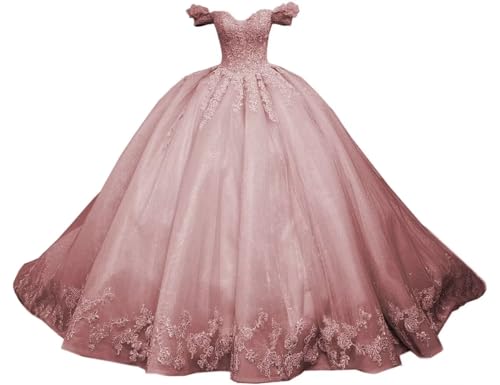

Mouccy Women’s Beaded Lace Quinceanera Dresses Ball Gown Dark Yellow Ball Gown Pearly Prom Gowns 2023 Tulle Off Shoulder Glitter Birthday Dresses Vestidos de 16 años 4
Original price was: $145.99.$135.99Current price is: $135.99.


Frequently Asked Questions About Formal Ball Gowns for Women
What is a formal ball gown?
It is a formal dress with a fitted or shaped bodice and a substantially full skirt created by fabric volume, layers, pleats, or understructure.
How is a ball gown different from an A-line gown?
A ball gown has more dramatic skirt volume and waist contrast, while an A-line widens more gradually and usually requires less space.
Can I wear a ball gown to black tie?
Yes when the venue and invitation support dramatic formal attire. Some black-tie events may be better suited to a less voluminous gown.
Do ball gowns need petticoats?
Some include enough structure, while others need a separate petticoat or hoop. Check what the listing and photographs include.
Which fabrics are common?
Satin, mikado, tulle, organza, lace, jacquard, velvet, sequins, and embellished mesh are common.
How should a strapless ball gown fit?
It should remain secure through breathing, sitting, raised-arm movement, and dancing without repeated pulling.
How are ball gowns hemmed?
Choose final shoes and understructure first. Multilayer skirts, lace, horsehair trim, and appliqué may require specialist work.
How do I travel with a ball gown?
Use a large garment bag, protect the skirt from crushing, confirm steaming rules, and plan vehicle and storage space.
What should I verify before ordering?
Check the seller, measurements, bodice structure, lining, skirt layers, included petticoat, closure, delivery, returns, and care.
What Defines a Formal Ball Gown
A formal ball gown combines a shaped or fitted bodice with a skirt that expands substantially from the waist or upper torso. Volume may come from gathered fabric, box pleats, tulle layers, organza, petticoats, or structural trim.
A floor-length column or soft A-line is not automatically a ball gown. Check side views, skirt circumference, layer count, and whether the displayed fullness depends on a separate petticoat.
Ball Gown Versus A-Line Dress
A-lines widen gradually and usually require less fabric and floor space. Ball gowns create a stronger waist-to-skirt contrast and can use several layers or stiff construction to hold their shape.
Choose based on venue scale, movement, and dress code. An A-line may be easier for a narrow restaurant or outdoor path, while a ball gown suits larger ceremonial spaces and formal entrances.
White-Tie and Black-Tie Expectations
White tie traditionally supports the most formal full-length evening gowns, while black tie allows a broader range of floor-length formal silhouettes. A dramatic ball gown can be appropriate when the invitation and venue support its scale.
Do not use skirt volume as the only measure of formality. Fabric, neckline, gloves or ceremonial customs, jewelry, and the complete event context should be considered.
Satin and Mikado Ball Gowns
Satin and mikado hold pleats, sculpted bodices, bows, and full skirts with a polished surface. Their structure produces a clear silhouette but exposes seam strain, wrinkles, and inaccurate bodice fit.
Inspect the zipper, waist seam, bust shaping, and skirt attachment under flash. Structured fabric needs enough room for sitting and should not buckle at the waist when the wearer bends.
Tulle and Organza Skirts
Tulle creates volume with multiple mesh layers, while organza adds a crisper, more reflective structure. Both can appear light in photographs but become warm, bulky, or difficult to store when heavily layered.
Check layer count, static, snag risk, lining coverage, and whether the skirt needs a hoop or petticoat. Multilayer hems require more tailoring time and cost.
Corset and Strapless Bodices
Corset and strapless ball gowns may use boning, cups, lace-up backs, grip tape, and internal waist stays. These features should secure the dress without repeated pulling or excessive compression.
Measure bust, underbust, waist, and torso length. Sit, breathe deeply, raise both arms, and test the closure with the full skirt attached because skirt weight can pull on the bodice.
Off-Shoulder, One-Shoulder, and Sleeved Gowns
Off-shoulder and one-shoulder designs add a strong neckline but may restrict arm movement. Sleeved ball gowns require accurate shoulders, upper arms, armholes, and sleeve length in addition to bodice measurements.
Test dancing, reaching, outerwear, and ceremonial gestures. A shawl or coat should not force the neckline upward or crush sleeve embellishment.
Prom Ball Gowns
Prom ball gowns may use glitter tulle, corsets, lace appliqué, sequins, trains, high slits, or pockets. School rules and venue security can restrict exposure, train length, or oversized skirts.
Order early enough for hemming and a second option. Test stairs, seating, dancing, corsages, and transportation in the planned shoes.
Military Ball and Service Events
Military balls generally favor formal floor-length attire with secure construction and respectful exposure. The exact customs may depend on unit, branch, venue, and the wearer’s role.
Choose a gown that permits receiving lines, seated dining, dancing, and photographs without constant adjustment. Confirm local guidance rather than relying only on general fashion advice.
Gala, Charity, and Pageant Use
Galas and charity events can support dramatic color, sheen, and skirt volume when the venue is large enough. Pageants may require different stage movement, lighting, and presentation than a social gala.
Check flash reflection, stage or ballroom lighting, train management, and whether the dress remains controlled during turns. Specialist alterations may be necessary for competition or performance use.
Wedding Guest Boundaries
A ball gown can be excessive for many weddings unless the invitation is black tie, white tie, or explicitly formal enough for dramatic attire. White, ivory, champagne, trains, and bridal lace require additional caution.
Do not select a gown that resembles bridal wear or competes with the ceremonial party. When the dress code is only formal, a refined A-line or column may be a safer choice.
Plus-Size Ball Gown Fit
Plus-size ball gowns should preserve bodice support, waist placement, shoulder balance, and proportional skirt sweep. A full skirt may hide hip fit issues, but it does not solve a shallow bust, tight armhole, or short torso.
Use the exact seller chart and choose from the least flexible area. Check boning, cup placement, upper arms, lining, and whether skirt weight changes the bodice position.
Petticoats, Hoops, and Skirt Volume
Some gowns include enough internal layers, while others are photographed over a separate petticoat or hoop. Additional support changes hem length, width, chair space, and transportation needs.
Confirm what is included with the product. Test the gown with the intended understructure before hemming because added volume lifts the skirt away from the floor.
Shoes, Hemming, and Stair Safety
Final shoe height should be selected before the hem appointment. The front hem must clear the shoe safely while the back, train, or horsehair edge remains controlled.
Practice lifting the skirt with one hand without exposing the lining or losing balance. Multilayer tulle, lace borders, pleats, and appliqué need a tailor experienced with formal gowns.
Seating, Vehicles, and Restroom Practicality
Full skirts occupy more space in chairs, aisles, vehicles, elevators, and restrooms. The wearer should know how to gather and place the skirt without crushing decoration or blocking movement.
Complete a realistic home rehearsal with a chair, stairs, and vehicle entry when possible. Confirm that the skirt can be managed without an assistant unless help will be available.
Matching Skirt Volume to the Venue
Formal ball gowns need physical space. A large hotel ballroom, gala venue, theater, or ceremonial hall can support a wide skirt more easily than a narrow restaurant, crowded reception, outdoor path, or small vehicle. Review the event layout, chair style, aisle width, stairs, and transportation before choosing the most dramatic silhouette.
Volume should also match the invitation. White tie and selected black-tie, prom, military, pageant, and charity events can support a true ball gown, while many formal weddings are better served by an A-line or column. Shoppers uncertain about the difference can compare A-line formal dresses before committing to several layers of skirt.
How Ball-Gown Structure Creates Shape
Skirt fullness can come from gathered satin, box pleats, tulle layers, organza, horsehair braid, crinoline, petticoats, or hoops. These systems produce different movement and storage needs. Soft tulle creates floating volume, mikado and satin hold clearer folds, and a hoop keeps fabric away from the legs but increases width.
Confirm whether the photographed fullness is built into the gown or created with a separate understructure. Product images may use a petticoat that is not included. Additional support changes the hem length, chair space, transport, and how the skirt moves during turns. Test and hem the gown with the exact understructure intended for the event.
Bodice Support Under the Weight of a Full Skirt
A full skirt can pull downward on the waist and bodice, especially when the gown uses heavy satin, beadwork, or multiple layers. Strapless and corset styles may need boning, grip tape, cups, a waist stay, or lace-up adjustment to remain secure. Decorative corset seams do not always provide real support.
Measure bust, underbust, waist, and torso length, then test breathing, sitting, raised-arm movement, and dancing. Check whether the neckline drops after several minutes and whether the waist seam folds when seated. The bodice should carry the skirt without forcing the wearer to pull the dress upward throughout the event.
Fabric Weight, Heat, and Movement
Ball gowns can feel much heavier than they appear online. Mikado, satin, velvet, dense sequins, and layered tulle may create heat and pressure at the waist. Chiffon and organza can reduce weight but may still use several layers or a substantial lining. Review the total garment weight when available and read customer comments about warmth and mobility.
Indoor temperature matters. A winter event in a heated ballroom may make long sleeves and heavy velvet uncomfortable, while an outdoor evening can require a wrap. Try sitting for a meal-length period and practice walking, turning, and climbing stairs. A gown that is manageable for five minutes may become tiring over several hours.
Petticoats, Hoops, and Hem Calculations
Understructure lifts the skirt outward and can make the front hem appear shorter. Select the petticoat or hoop before final alterations and wear the planned shoes at every fitting. Check whether the lining covers the understructure during walking and whether the hoop shape remains discreet beneath the outer fabric.
More volume is not always better. An oversized petticoat can distort pleats, expose the lining, or make seating impossible. Match the support to the gown’s intended circumference. Confirm how the understructure folds for transport and whether the wearer can manage restroom use without assistance.
Petite, Tall, and Plus-Size Ball-Gown Fit
Ball-gown skirts provide generous hip room, but the bodice still requires precise shoulders, bust depth, waist placement, armholes, and torso length. Petite shoppers should check whether the bodice is too long and whether shortening removes lace, appliqué, or horsehair detail. Tall shoppers need enough hollow-to-floor length after shoes and understructure are added.
Plus-size shoppers should review cup placement, boning, upper arms, back closure, lining, and how the skirt weight affects the waist. Use the exact seller chart rather than relying on a usual size. A corset back may provide limited adjustment, but it cannot correct cups or torso seams positioned incorrectly.
Transportation, Seating, and Restroom Planning
A realistic rehearsal prevents event-day problems. Practice entering a vehicle, walking through a doorway, sitting in a dining chair, using stairs, and gathering the skirt with one hand. Large hoops, trains, and multiple layers can require extra room or assistance. Confirm whether the venue provides coat or garment storage and whether the dress can remain away from food and foot traffic.
When traveling, use a large breathable garment bag and protect embellishment from crushing. Ask the retailer or care label whether steaming is safe. Plan enough preparation time for the skirt to regain shape after transport, especially with tulle, organza, bows, rosettes, or structured pleats.
Alteration Timeline and Specialist Costs
Ball-gown tailoring can involve bodice structure, boning, cups, lace-up panels, layered hems, horsehair braid, appliqué, beadwork, pockets, and trains. These changes take more time than a simple single-layer hem. Obtain an estimate soon after delivery and leave time for at least one final fitting in the correct shoes and understructure.
Do not remove tags until the tailor confirms that the required work is practical. When the bodice misses several measurements or the skirt construction must be rebuilt, returning the gown may be safer than attempting major reconstruction. A slightly more expensive gown with the correct starting fit can cost less overall.
Storage, Cleaning, and Reuse
Full skirts require adequate storage. Use a wide garment bag, supportive hanger, and enough closet space to avoid crushing tulle, organza, bows, or 3D appliqué. Heavy gowns may need waist loops so the shoulders do not carry the entire weight. Follow the care label before steaming, pressing, or spot cleaning.
Repeat use may be possible for galas, military balls, pageants, formal portraits, or costume-level events, but the gown’s scale can limit versatility. Detachable straps, removable overskirts, simple colors, and controlled embellishment may increase reuse. Preserve spare beads, lacing, and accessories with the garment so future repairs remain possible.
Alterations, Storage, and Final Review
Ball-gown alterations may involve bodice structure, skirt layers, horsehair trim, lace, beadwork, or trains. Large garment bags, supportive hangers, and adequate closet or travel space should be planned.
Before removing tags, verify dress code, measurements, support, skirt volume, included petticoat, hem, movement, delivery, and returns. Keep the gown only when the complete formal schedule is practical.