
Floral Formal Dresses for Women
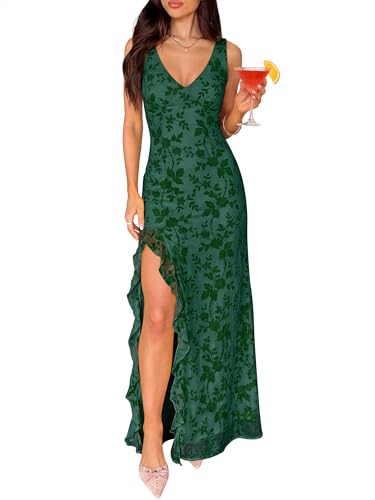
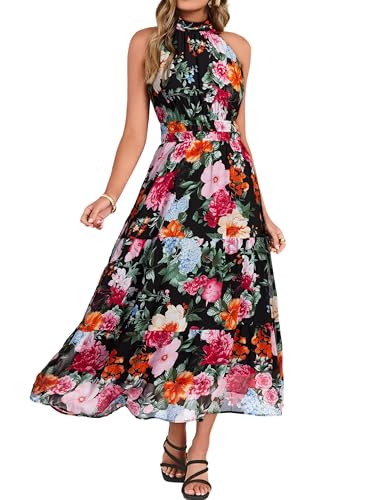
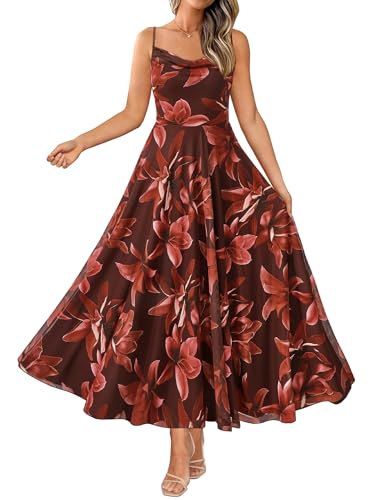
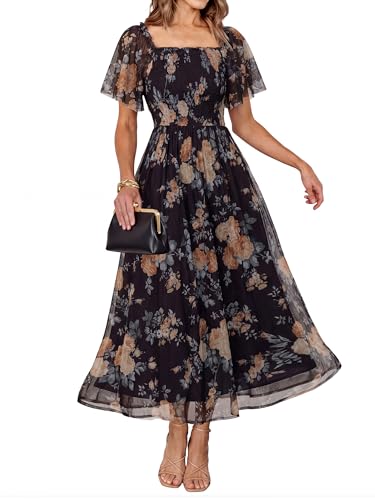
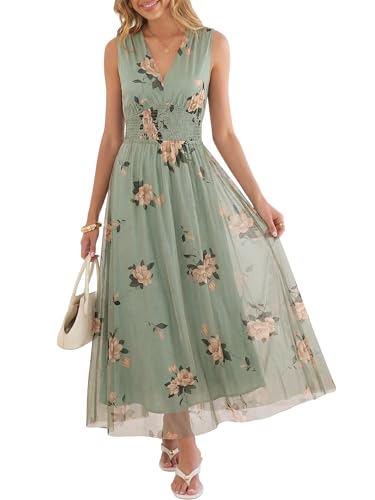
floral formal dresses for women include printed, embroidered, appliquéd, and three-dimensional flower designs for weddings, garden formals, galas, proms, formal dinners, spring events, and evening celebrations. The product grid below may include chiffon maxis, satin midis, organza gowns, lace dresses, floral embroidery, sleeves, high-low hems, and plus-size options.Not every floral dress is formal. Print scale, background color, fabric, lining, silhouette, and finish determine whether a style reads as a garden-party dress, wedding guest midi, cocktail dress, or black-tie gown. Verify measurements, material, lining, closure, print placement, delivery, and returns on the final retailer page.Related shopping paths include formal dresses, wedding guest dresses, spring formal dresses, and tea-length formal dresses. These categories separate pattern, season, occasion, and length intent.






Frequently Asked Questions About Floral Formal Dresses for Women
Are floral dresses appropriate for formal events?
Yes when the fabric, lining, silhouette, length, and finish meet the dress code. Not every casual floral sundress is formal.
Can I wear a floral dress to a wedding?
Yes, especially for garden, daytime, spring, and summer weddings. Avoid white-dominant prints and bridal-looking appliqué.
Can floral gowns work for black tie?
Yes. Choose floor length, formal fabric, strong construction, and elevated print or embroidery.
What is the difference between printed and embroidered florals?
Printed florals place color on the fabric, while embroidered florals add thread, bead, appliqué, or raised texture.
Which floral scale should I choose?
Choose based on personal preference, garment proportion, contrast, and exact motif placement rather than a universal body-type rule.
What shoes match floral formal dresses?
Use a neutral, metallic, or one controlled color taken from the print. Keep footwear appropriate for the venue.
Are floral dresses only for spring?
No. Dark grounds, saturated colors, velvet, metallic thread, and sleeves can make floral dresses suitable for fall and winter.
Can floral dresses be altered?
Yes, but embroidery, appliqué, scalloped borders, print placement, and 3D flowers can complicate seams and hems.
What should I verify before ordering?
Check the seller, measurements, fabric, lining, print placement, closure, length, delivery, returns, care, and wedding color etiquette.
What Makes a Floral Dress Formal
A floral dress becomes formal through fabric, structure, lining, length, and finish rather than the presence of flowers alone. Organza, satin, chiffon, brocade, lace, and embroidered mesh usually carry more event weight than casual cotton or beach jersey.
Check clean seams, stable bodice support, opaque lining, and a controlled hem. A simple sundress print does not become formal merely because it is styled with heels.
Printed Versus Embroidered Florals
Printed florals place color on the fabric surface and are usually lighter and easier to alter. Embroidered florals add texture, weight, and dimension through thread, beads, or appliqué.
Inspect whether motifs cross side seams, darts, zippers, or hems. Embroidery placement can limit resizing and create visible breaks when the dress is shortened.
Three-Dimensional Floral Dresses
Fabric flowers, rosettes, petals, and raised appliqué create strong visual impact for galas, prom, and black-tie events. They also require more space, careful storage, and protection from crushing.
Check attachment points, underarm clearance, seating contact, and outerwear. Large flowers at the waist, shoulder, or hem can interfere with bags, coats, and alterations.
Print Scale and Body Proportion
Large florals create a bold focal point, while small repeats produce a quieter overall pattern. The effect depends on motif spacing, garment size, panel placement, and contrast.
View the exact size variation when possible because print placement may change across cuts. A flower centered unintentionally on the bust or seat can affect the final appearance.
Background Color and Wedding Etiquette
White or ivory backgrounds can dominate photographs even when the print contains color. Wedding guests should evaluate the dress from a distance and under flash rather than counting the percentage of floral coverage.
Choose darker, colored, or clearly printed backgrounds when bridal overlap is possible. Confirm the couple’s guidance for garden, destination, or theme weddings.
Chiffon Floral Formal Dresses
Chiffon supports soft printed florals, flutter sleeves, pleated bodices, and layered maxis. The lining controls opacity and the actual fit through the bust, waist, and hips.
Check pattern alignment, transparency, static, and layered hem cost. Very light chiffon may move unpredictably at outdoor venues.
Satin, Organza, and Jacquard Florals
Satin intensifies printed color, organza creates volume, and jacquard weaves the floral design into the fabric. These materials can support cocktail, formal, and black-tie silhouettes.
Inspect shine, stiffness, seam tension, and wrinkle behavior. Structured fabrics need accurate bodice measurements and enough room for sitting.
Floral Lace and Mesh
Floral lace and embroidered mesh can provide sleeves, overlays, and illusion necklines without using a printed pattern. The backing color affects contrast and modesty.
Check scratchiness, mesh tone, lining coverage, and motif placement at seams. Lace borders and appliqué can make hems or sleeve changes expensive.
Floral Wedding Guest Dresses
Floral dresses are common for spring, summer, garden, and daytime weddings, but they can also work for formal evening events when the fabric and length are elevated.
Match the dress to the invitation rather than assuming florals are automatically casual. Avoid white-dominant prints and overly bridal appliqué.
Garden Formal and Outdoor Events
Garden formal often supports floral midi or maxi dresses, refined sandals, and lighter fabrics. Grass, wind, heat, and uneven paths still affect hem and footwear choices.
Use stable straps, breathable lining, and a manageable skirt. Test wrap fronts, slits, and loose overlays in moving air.
Black-Tie Floral Gowns
Black-tie florals usually use floor length, formal fabric, strong construction, or dimensional detail. Dark grounds, metallic embroidery, organza, satin, and full skirts can raise formality.
Ensure the gown remains secure and does not resemble a casual maxi. The complete outfit should look deliberate under evening lighting and in formal photography.
Spring, Summer, Fall, and Winter Florals
Pastels and airy chiffon suit many spring events, while saturated prints and breathable satin work for summer. Dark backgrounds, velvet accents, metallic thread, and long sleeves can carry florals into fall and winter.
Season should guide fabric weight and outerwear, not impose a rigid color rule. Venue temperature and lighting are more useful than the calendar alone.
Midi, Maxi, and High-Low Lengths
Midi florals work for cocktail and semi-formal events, while maxis and gowns serve formal and black-tie settings. High-low hems show footwear and can reduce floor contact outdoors.
Measure the actual garment length and review seated coverage. Patterned borders, scallops, and embroidery near the hem complicate shortening.
Necklines, Sleeves, and Print Placement
A floral motif near the neckline or shoulder already creates visual emphasis, so jewelry should not compete with it. Sleeves can use matching print, sheer mesh, or solid contrast.
Check how the pattern frames the face and whether motifs align across the bust. Use the intended bra and outer layer during the fitting.
Plus-Size Floral Formal Dresses
Plus-size fit depends on pattern block, bust depth, waist placement, upper arms, and lining. Print scale should be judged on the actual garment rather than from a sample-size image.
Look for customer photos in the purchased size and inspect motif placement across seams. Choose fit before print preference when the bodice or sleeves are rigid.
Planning Floral Motif Placement
Floral formal dresses can vary significantly between individual garments because a print or embroidered motif may fall differently across each size and fabric panel. Review the exact variation whenever possible, including front, side, and back views. Large flowers centered on the bust, waist, or seat create a stronger focal point than a small repeat, while border prints and engineered motifs may be intentionally positioned.
Print placement is a preference issue, not a universal body rule. The useful question is whether the motif supports the wearer’s intended focus and whether seams interrupt the design awkwardly. Customer photographs can reveal placement differences that studio images hide. For embroidered or appliquéd dresses, check whether motifs cross darts, zippers, side seams, straps, or the hem because these details affect alteration options.
Choosing Florals by Dress Code
Florals can work from dressy casual through black tie when fabric, structure, length, and finish match the event. A cotton sundress with a casual print is not formal merely because it is long, while a floor-length organza gown with a dark botanical design can meet an evening dress code. Midi chiffon, satin, or jacquard florals often suit cocktail and semi-formal weddings.
Use the invitation and venue to decide how elevated the dress must be. Garden formal can support lighter fabrics and refined sandals, whereas a gala may require full length, stronger construction, or dimensional embroidery. Shoppers seeking a season-led selection can compare spring formal dresses without assuming every floral style belongs only to spring.
Wedding Color Etiquette and White Backgrounds
A floral dress with a white, ivory, cream, or pale champagne background may still appear predominantly bridal in photographs. Evaluate the garment from a distance and under flash rather than judging the amount of colored print at close range. Large open areas of pale fabric can dominate group images even when flowers cover part of the dress.
Choose a colored, dark, or clearly patterned background when there is any uncertainty. Avoid floral appliqué, tulle, trains, or corset styling that resembles bridalwear unless the couple approves it. Close family members should coordinate with the wedding palette and confirm whether bridesmaids are wearing floral prints or a similar color family.
Fabric Choices and How They Change the Print
Chiffon softens floral edges and creates movement, satin intensifies color and shine, organza holds volume, jacquard builds the design into the weave, and velvet creates a darker seasonal effect. Lace and embroidered mesh add texture rather than relying on surface print. Each material changes the dress’s formality, weight, opacity, and alteration needs.
Check how the fabric behaves while seated and in flash photography. Satin can show pulling, organza may crease, chiffon can become transparent or static, and embroidered mesh may scratch without smooth backing. The lining determines much of the fit even when the outer floral layer appears loose.
Seasonal Styling Beyond Spring
Floral formal dresses can work throughout the year. Spring often supports pastel or fresh botanical prints, while summer favors breathable chiffon, georgette, or lighter satin. Autumn florals can use rust, burgundy, forest green, navy, or dark backgrounds. Winter designs may include velvet, metallic thread, long sleeves, richer jewel tones, or floral embroidery over black mesh.
Venue temperature and event timing matter more than the month alone. A winter ballroom can be warm, and an outdoor summer reception may become cool after sunset. Plan outerwear that does not crush 3D flowers, snag embroidery, or distort statement sleeves. Use shoes appropriate for grass, gravel, rain, or polished indoor floors.
Accessories Without Competing with the Pattern
Floral dresses already contain several colors and visual details, so accessories should create order. Choose one color from the print, a neutral that supports the background, or a metallic connected to existing hardware or beadwork. Repeating every visible color can make the outfit crowded. Large statement jewelry may also compete with motifs concentrated near the neckline or shoulder.
Use simpler earrings with a floral high neck or embellished bodice, and allow a quieter neckline to support a pendant if desired. Shoes and bags should match the dress code and venue, not only the print. A stable refined block heel may be more appropriate for a garden wedding than a delicate stiletto that sinks into the ground.
Plus-Size, Petite, and Tall Floral Fit
Print scale should be judged on the actual garment, not through rules about which bodies may wear large or small motifs. Fit remains the priority. Plus-size shoppers should review bust depth, upper arms, waist placement, lining, and whether the pattern remains balanced across seams. Petite shoppers may need to check whether a border print will be lost during hemming, while tall shoppers should confirm lining and sleeve length.
Customer photographs in the purchased size provide stronger evidence than a single sample-size image. Use exact measurements for the bodice and least-flexible layer. A generous printed skirt does not compensate for a tight sleeve, shallow bust, or short torso.
Alterations and Pattern Preservation
Printed florals are often easier to alter than embroidery or appliqué, but pattern alignment still matters. Shortening a border print can remove the intended design, and taking in side seams may interrupt matched motifs. Embroidered flowers, lace borders, beads, and 3D appliqué may need to be removed and replaced by a specialist.
Ask a tailor to assess the dress before the return window closes. Select final shoes before hemming, and bring any jacket or wrap to the fitting. When major bodice changes and motif reconstruction are both required, returning the dress may be more practical than paying to rebuild the design.
Care, Storage, and Repeat Wear
Floral dresses can offer strong repeat value because different accessories can emphasize different colors in the pattern. A navy-ground floral may work for spring with light shoes and for autumn with deeper accessories. Simpler prints and clean silhouettes often transition across weddings, dinners, graduations, and seasonal celebrations.
Follow care instructions for the specific fabric. Organza and satin can mark, chiffon can snag, embroidery may distort under heat, and 3D flowers can crush in storage. Use a garment bag with enough space for raised appliqué, support heavy beadwork, and avoid pressing directly over dimensional details. Photograph any loose flowers or beads after delivery so defects can be documented before the return deadline.
Comparing Product Images with the Received Dress
Digital floral color can change through screen settings, studio lighting, editing, and fabric reflection. Save the product images and selected variation, then compare the received dress in daylight, warm indoor light, and flash. Confirm that the background color, motif scale, lining, and placement are acceptable before removing tags.
On marketplace listings, reviews may apply to another print or seller. Match customer photographs to the exact option and check whether the pattern repeat varies between garments. Small placement differences are normal for many cut fabrics, but a materially different color, missing embroidery, or changed construction should be evaluated against the seller’s description and return terms.
Accessories, Care, and Final Review
Use one or two colors from the print for shoes, bag, or jewelry, or choose a neutral metallic. Repeating every color can make the outfit visually crowded.
Read care instructions for organza, appliqué, embroidery, and 3D flowers. Complete daylight, flash, seated, and movement checks before removing tags or altering the hem.