
Short Black Formal Dresses for Women
short black formal dresses for women include compact occasion styles for cocktail receptions, semi-formal weddings, homecoming, work dinners, holiday events, and evening parties. The product grid below may include A-line minis, knee-length lace dresses, fitted sheaths, satin skater styles, long sleeves, one-shoulder necklines, sequins, and plus-size options. Compare silhouette, fabric, length, neckline, sleeves, closure, and event suitability before opening the final retailer listing.Retailers use “short” for several hem positions, so shoulder-to-hem measurements and seated coverage are more dependable than mini, above-knee, or knee-length labels. Product names and sizing conventions vary across sellers, so confirm measurements, fabric composition, lining, care, delivery timing, and return terms on the linked retailer page. The dress should remain stable while sitting, walking, reaching, and using stairs in the planned shoes and underlayers.Related shopping paths include black formal dresses, black semi-formal dresses, cocktail dresses, and black formal gowns. These categories separate the main search by color, length, silhouette, and dress-code level.
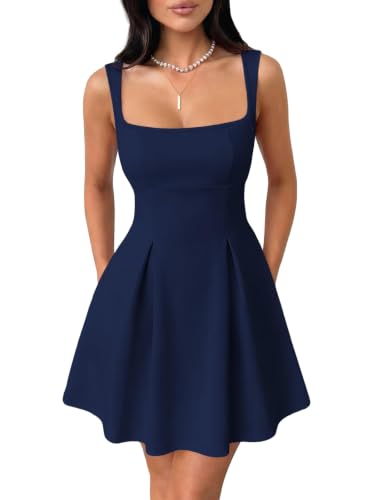


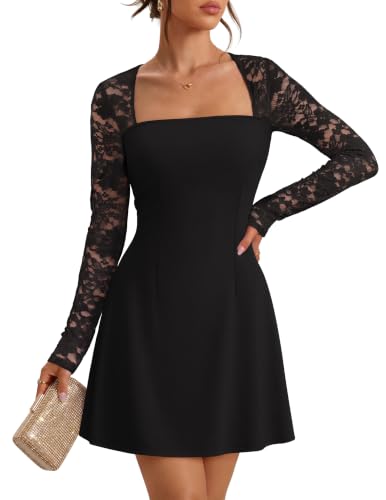


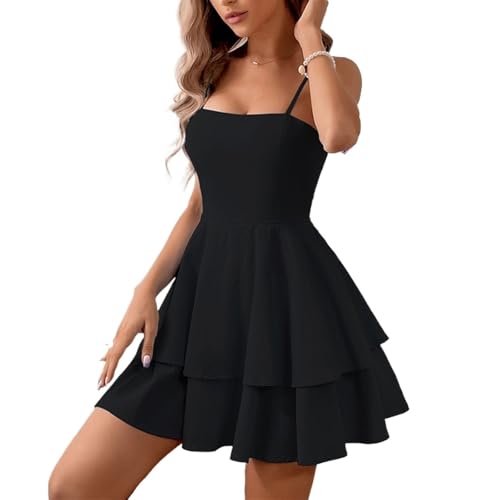


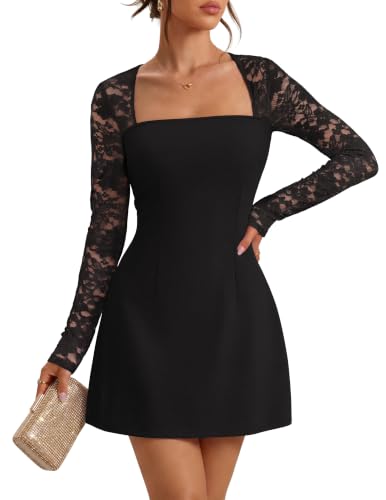


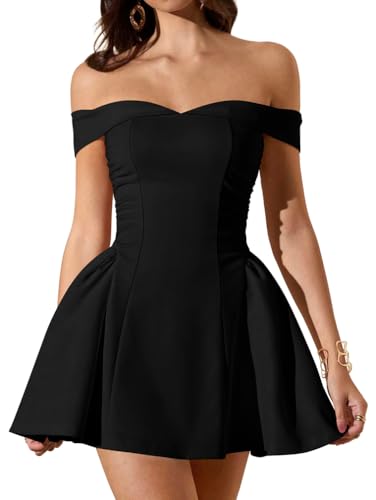

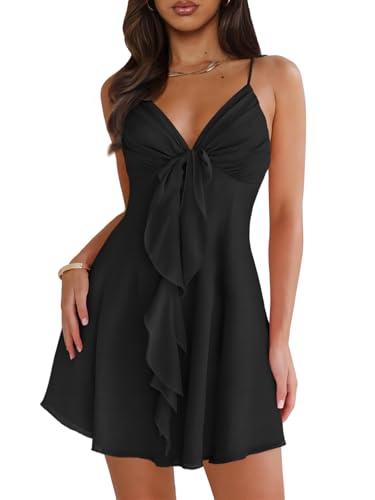


Homecoming Dresses for Juniors Lace Short Prom Dress Lace Applique Cocktail Dresses Off The Shoulder Party Dress Puffy Ball Gowns Black
Original price was: $52.99.$49.99Current price is: $49.99.

Youjiayi Sparkly A Line Cocktail Gown for Women Off Shoulder Black Short Homecoming Dresses Lace Tulle DAMA Dress for Quinceanera Size 14
Original price was: $67.99.$63.99Current price is: $63.99.


Frequently Asked Questions About Short Black Formal Dresses for Women
How short can a formal black dress be?
It depends on the event. Use the invitation, venue, and measured seated coverage rather than a universal hem rule.
Are short black dresses appropriate for black tie?
Usually a floor-length gown is safer for black tie; a short dress should be considered only when the host or venue clearly supports it.
What events suit short black formal dresses?
Cocktail parties, semi-formal weddings, homecoming, work dinners, holiday events, and selected formal receptions may suit them.
How do I measure a short dress online?
Compare the listed shoulder-to-hem measurement with a dress you own, then account for your torso, hip, and heel height.
Which short silhouettes offer more movement?
A-line, skater, and fit-and-flare skirts often provide more stride room than fitted sheath or bodycon styles.
Can I wear a short black dress to a wedding?
Often yes for cocktail or semi-formal weddings when the hem, neckline, fabric, and couple’s preferences are appropriate.
How should I test seated coverage?
Sit in an ordinary chair for several minutes, cross and uncross your legs if appropriate, and check the front, side, and back hem.
Can short formal dresses be altered?
Yes, but lace borders, pleats, sequins, curved hems, and limited length can restrict changes.
What should I verify on the retailer page?
Check garment length, size chart, lining, stretch, slit, closure, fabric, delivery, returns, and care.
What “Short Formal” Means
The event’s dress code, not the word formal in the title, determines whether a specific hem is appropriate. Check shoulder-to-hem measurements and seated coverage rather than estimating length from the model.
Short black formal dresses usually fall from mini to knee length, with some retailer pages including high-low and above-knee styles. A dress can be short and polished without qualifying for black tie or conservative ceremonial settings.
Mini, Above-Knee, and Knee Length
Measure a well-fitting dress and compare its shoulder-to-hem length with the listing. A few inches of hem difference can change mobility, coverage, and dress-code suitability.
Height, torso length, hip shape, skirt cut, and heel height affect where the garment ends. Repeat the check while seated because fitted and skater skirts rise differently.
Cocktail Versus Formal Styling
Cocktail events commonly support short black dresses, while formal and black-tie invitations often call for longer or more elaborate construction. Use black semi-formal dresses when the event sits between casual and formal.
Satin, lace, velvet, sequins, jacquard, structured crepe, and refined tailoring can make a short dress more occasion-ready. Match the textile and finish to the venue and time of day.
A-Line and Fit-and-Flare Short Dresses
Waist placement, skirt fullness, pleats, and petticoat structure determine how the hem behaves when sitting or turning. Short volume should be controlled enough for stairs, photographs, and crowded seating.
A-line and fit-and-flare cuts provide more stride room than many fitted minis. Check whether the back hem remains level and whether the skirt lifts in wind or movement.
Sheath and Bodycon Short Formal Dresses
Close-fitting short dresses require careful checks at the bust, waist, hip, seat, and lining. A riding hem, twisted seams, horizontal pull lines, or an opening slit signals inadequate ease.
Sit for several minutes and walk a full stride before deciding. Shapewear may smooth the surface but should not be used to force an incorrect size.
Long-Sleeve and High-Neck Options
More coverage above the waist can balance a shorter hem for winter events, work functions, or conservative venues. Try the dress beneath the planned coat and test reaching forward.
Sleeve stretch, shoulder width, neck comfort, and indoor temperature still require measurement. A high neck or long sleeve does not compensate for inadequate seated length.
Strapless, One-Shoulder, and Halter Styles
Boning, cups, grip tape, straps, and back closures should keep the bodice stable without constant adjustment. Exposed-shoulder short dresses need secure torso fit because both neckline and hem move during dancing.
Raise the arms, bend, and sit using the planned bra or support solution. Select another cut when the neckline slips or the skirt rises excessively during the same movement.
Lace, Sequins, and Satin
Formal surface treatments can elevate a short black silhouette while adding care and comfort issues. Lace may snag, sequins can scratch, and satin exposes wrinkles and tension lines.
Decoration should remain secure through sitting and dancing rather than only looking effective in a standing image. Inspect underarms, lining, seam finish, and flash photography.
Short Black Dresses for Weddings
Ceremony setting, culture, season, venue, and couple preference should guide hem and neckline. Avoid club-like construction, bridal contrast panels, or excessive exposure when the event is conservative.
A short black wedding-guest dress can work for cocktail, semi-formal, city, and selected daytime or evening weddings. Plan a wrap or jacket for religious spaces without using it to conceal a poor fit.
Homecoming, Prom, and School Events
Review the dress code before ordering and test the garment with the intended shoes. Short black dresses are common for homecoming and selected school formals, but school rules can regulate length, slits, backs, and necklines.
Stage movement, photographs, dancing, and seating require reliable coverage. Allow enough delivery time to exchange a dress that fails the measured length requirement.
Work Dinners and Professional Events
A short black formal dress for a work function should remain polished while sitting, networking, and wearing a blazer. Avoid relying on opaque tights to correct a hem that is fundamentally too short for the setting.
Knee or near-knee hems, controlled necklines, sleeves, and opaque fabric are generally easier to style professionally. Check chair-level coverage and blazer compatibility.
Plus-Size and Petite Length Checks
Skirt rise, bust depth, waist position, and hip room affect both front and back hem placement. A straight hem should remain balanced rather than lifting at the back or sides.
The same labeled length can fall differently across petite, regular, tall, and extended-size patterns. Use actual garment measurements and reviews from the exact size range.
Shoes and Leg Line
Heel height changes posture and the visual proportion of a short dress but not its measured coverage. Pumps, sandals, flats, boots, and hosiery alter formality and seasonal suitability.
Complete the try-on with the exact shoes and walk on the expected floor surface. Choose stable footwear that does not force the wearer to shorten stride or pull at the dress.
Coats, Wraps, and Seasonal Layers
Outerwear should cover and protect the dress without crushing sleeves, bows, sequins, or structured skirts. Sit and move with the outer layer in place before finalizing the outfit.
Long coats, cropped jackets, wraps, and shawls produce different proportions with a short hem. Check for dye transfer or snagging where bags and coats contact delicate fabric.
Alterations and Hem Limits
Lace borders, scallops, pleats, ruffles, sequins, and curved hems can make even a small adjustment expensive. Short dresses have less margin for hemming errors than long gowns.
Ask a tailor whether the hem can be changed without altering the intended proportion. Fit the bodice and hip first because shortening cannot correct a riding skirt or tight lining.
Little Black Formal Dress Versus Casual LBD
A little black formal dress differs from an everyday LBD through fabric, lining, construction, and occasion-level detail. Structured crepe, satin, lace, velvet, jacquard, beadwork, and refined tailoring usually read more formal than thin cotton, basic rib knit, or casual jersey. The same short silhouette can move from office casual to cocktail depending on finish.
Check whether the garment has a secure closure, adequate lining, a stable neckline, and a hem that remains level while seated. Adding heels and jewelry does not turn a transparent or poorly constructed day dress into formalwear. Compare the product’s occasion, fabric composition, and customer photographs before relying on the title.
Knee-Length Black Formal Dresses
Knee-length black formal dresses offer more coverage than minis while retaining the compact look shoppers seek in a short category. They can suit cocktail weddings, work celebrations, memorials, graduation dinners, and semi-formal events. Actual placement may be above, at, or below the knee depending on height and torso proportion.
Measure from shoulder to hem and compare the result with a dress that fits well. Check whether the lining is shorter than the outer skirt and whether a back vent opens excessively when seated. Knee-length sheath and A-line dresses require different amounts of hip and stride ease.
Black Formal Mini Dresses for Evening Events
A black formal mini dress can work for homecoming, fashion-forward cocktail parties, birthday dinners, and selected evening receptions when the event supports a shorter hem. Formal minis often use corset bodices, satin, sequins, feathers, bows, structured skirts, or long sleeves to create an intentional occasion look.
Short length increases the importance of lining, back coverage, and skirt control. Test the dress while walking quickly, using stairs, sitting, and dancing. Feathers and fringe may extend below the structural hem, so measure the opaque base rather than treating decoration as reliable coverage.
Short Black Dresses With Feathers, Bows, and Statement Details
Feather cuffs, oversized bows, rosettes, rhinestone straps, and dramatic sleeves can make short black formal dresses distinctive without adding gown length. Confirm whether decorative pieces are detachable and whether they arrive crushed, uneven, or removable for cleaning. Large back bows also affect chair comfort and coat fit.
Statement trim should not block the zipper, scratch the skin, or pull the neckline out of position. Check how the dress looks from the back and while seated. Repairs to feathers, glued stones, or molded flowers may not be covered by ordinary tailoring, so inspect them before the return deadline.
Short Black Dresses for Graduation and Award Ceremonies
Graduation dinners, school awards, and formal presentations often require a polished short black dress that works beneath a robe, on a stage, or during extended seating. Avoid bulky sleeves, high back bows, and heavy shoulder embellishment when a graduation gown will be worn over the dress.
Choose a stable neckline and a hem that remains comfortable while climbing steps. Test the outfit with the intended robe, sash, or academic hood. Shoes should be secure for stage flooring, and the dress should remain presentable after the outer garment is removed for photographs.
Short Black Formal Dresses With Tights or Hosiery
Opaque tights, sheer hosiery, and patterned stockings change the seasonal and professional effect of a short black formal dress, but they do not change its actual hem length. Check that the waistband does not show through fitted fabric and that static does not pull the lining upward.
Choose hosiery after confirming the shoe and dress fabric. Velvet and knit dresses may cling, while satin can reveal seams and reinforced toes in photographs. For work or memorial use, controlled hosiery can add polish, but the neckline, fit, and seated coverage must still suit the occasion.
Checking Short-Dress Proportions Online
Online images can make a short black dress appear longer when the model is posed with bent knees, angled hips, or a camera placed below waist level. Read the model’s height, photographed size, and garment length, then compare them with your own shoulder-to-hem requirement. Look for customer images in ordinary standing positions.
Review back length separately because a fuller bust or hip may raise the hem. On wrap, tulip, and asymmetrical skirts, measure the shortest opaque point. When the retailer provides only a center-back measurement, ask whether straps or shoulder seams alter the total length.
Short Black Lace Formal Dresses
Short black lace formal dresses can suit cocktail weddings, memorials, dinners, and holiday events depending on lining, neckline, and hem. Guipure, floral lace, eyelash lace, and stretch lace create different levels of structure. Confirm whether the sleeves and neckline are lined or intentionally sheer.
Check scalloped hems and motifs before planning alterations because shortening may remove the finished border. Lace should lie flat at the zipper and side seams without puckering. Underarm edges must remain comfortable through repeated movement, and the lining should not ride higher than the lace while seated.
Short Black Dresses for Funerals and Memorials
A short black dress may be appropriate for a funeral or memorial when the hem is restrained, the fabric is quiet, and the neckline and sleeves suit the family’s culture or religious practice. Knee or near-knee lengths are generally easier to place than minis, but specific guidance should take priority.
Choose practical shoes, weather-appropriate layers, and a dress that remains comfortable during standing and seated portions. Avoid noisy sequins, unstable straps, or statement trim that draws attention away from the service. A jacket can add coverage, but the base dress should already be respectful.
Shoes for Short Black Formal Dresses
Pumps, block heels, sandals, flats, and refined boots can all work with a short black formal dress depending on season and event. The shoe changes posture and visual proportion but does not add real hem coverage. Test the dress and shoes together on stairs and the expected flooring.
For dancing or long receptions, secure straps and stable soles matter more than maximum heel height. Black shoes create continuity, while metallic, nude, or colored shoes add contrast. Match finish to the dress: smooth footwear is safer around lace, fringe, feathers, and sequins.
Useful secondary searches include short black cocktail dress, knee-length black formal dress, black lace party dress, long-sleeve black mini dress, and plus-size short black formal dress. These terms should refine hem, fabric, or coverage rather than merely repeat the main keyword. Always return to the listed garment length because “mini,” “short,” and “knee length” remain inconsistent across brands.
Final Short Black Dress Test
The final review must verify coverage during every movement expected at the event. Wear the planned undergarments, shoes, coat, and accessories, then sit, bend, reach, walk, and climb stairs.
Keep all tags attached until the dress passes both standing and seated tests. Check neckline security, back hem, slit opening, zipper strain, opacity, and flash photographs.