
Plus-Size Formal Jumpsuits for Women
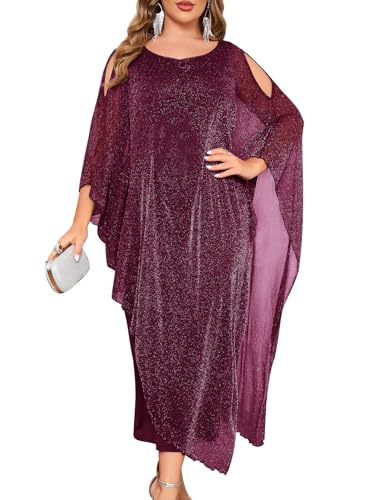
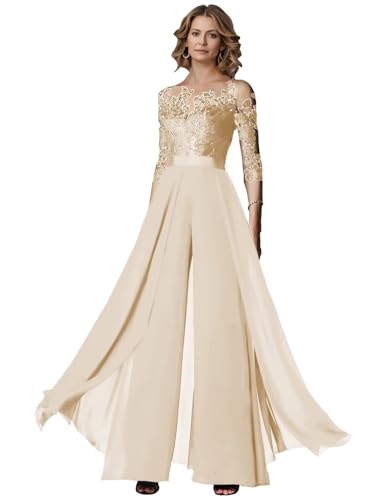
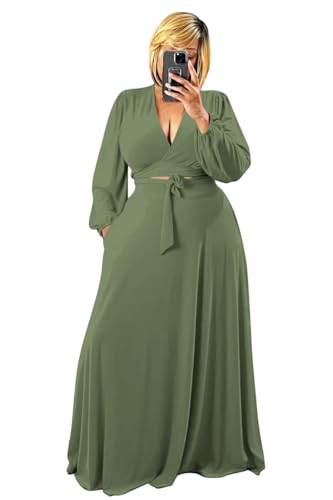
plus-size formal jumpsuits offer trouser-based occasionwear in extended sizes for weddings, galas, dinners, parties, graduations, work functions, rehearsal events, holiday celebrations, and black-tie optional occasions. The product grid below may include wide-leg jumpsuits, cape jumpsuits, one-shoulder styles, wrap bodices, sequins, satin, crepe, lace sleeves, belted waists, palazzo legs, and plus-size tuxedo-inspired options from multiple brands, sellers, size systems, and return programs. Use the category to compare relevant options, then verify the selected variation, measurements, fabric, lining, closure, care, delivery window, and event requirements on the final retailer page.The phrase plus-size formal jumpsuits is used broadly across retailer navigation and product titles. Similar-looking items can differ in dress-code level, hem position, sleeve or bodice construction, age range, internal support, alteration difficulty, and included accessories. A styled image is useful for inspiration, but it is not evidence that the exact size, color, seller, or garment will perform the same way during a real event.Related shopping paths include formal jumpsuits for women, plus-size formal dresses, plus-size formal party dresses, and formal evening dresses. These links separate all-size jumpsuit shopping, dress alternatives, party-focused plus-size options, and broader eveningwear, helping shoppers narrow intent without treating neighboring keywords as interchangeable or creating unnecessary overlap between closely related category pages.





Frequently Asked Questions About Plus-Size Formal Jumpsuits for Women
Can a plus-size jumpsuit be formal?
Yes when fabric, tailoring, lining, length, fit, and styling meet the event dress code.
What measurements matter for a formal jumpsuit?
Shoulders, bust, torso or girth, waist, hips, rise, thighs, inseam, and outseam are commonly important.
Why does torso length matter in a jumpsuit?
It controls shoulder pressure, crotch position, waistband placement, neckline stability, and seated comfort.
Can plus-size formal jumpsuits work for weddings?
Yes when the color, coverage, fabric, and formality respect the invitation and wedding role.
Can a jumpsuit work for black tie?
Some formal wide-leg, satin, crepe, cape, or embellished jumpsuits can work, depending on the event and host expectations.
How should wide-leg jumpsuits be hemmed?
Choose final shoes first and preserve enough floor clearance without narrowing or distorting the intended leg line.
Are jumpsuits hard to alter?
Torso, rise, crotch, waistband, and complex bodice changes can be difficult; simple hems are usually easier.
How do I test restroom access?
Practice every closure with the intended shapewear, belt, jacket, and overlay before the event.
What should I verify before ordering?
Check seller, size chart, torso, rise, bust, hips, inseam, fabric, closures, delivery, returns, and alteration feasibility.
Understanding Plus-Size Formal Jumpsuits for Women
Plus-size formal jumpsuits are one-piece extended-size garments that combine an event-ready bodice with trousers, often using wide legs, draping, capes, sleeves, sequins, satin, crepe, or tailored details. Retail category labels are not regulated definitions, so plus-size formal jumpsuits may appear beside cocktail dresses, evening dresses, prom styles, wedding guest attire, or ceremonial gowns even when the construction and intended formality differ. The category name should begin the comparison, not replace a product-level review of the exact garment.
This page should address jumpsuit-specific torso, rise, inseam, bathroom, and tailoring issues rather than repeating formal-dress guidance with trouser terminology. A useful category page explains what the query includes, what it excludes, and which neighboring page better serves a different shopper. That separation helps users choose more quickly and reduces the risk of selecting an item because it matched a phrase while failing the wearer’s role, measurements, venue, or complete event schedule.
Separating This Search Intent from Nearby Categories
The primary intent behind plus-size formal jumpsuits is to find an extended-size formal jumpsuit that fits simultaneously through shoulders, bust, torso, rise, waist, hips, thighs, and inseam while meeting the invitation. Nearby queries can share products, but they should not share the same editorial purpose. A length-led page should explain hem behavior, a fabric-led page should explain construction, a color-led page should explain undertone and photography, and a retailer-led page should explain seller verification and current policy checks.
The general formal-jumpsuit page covers all sizes, while plus-size dress and party pages can serve shoppers who prefer skirts or shorter festive silhouettes. Use internal links as decision paths rather than keyword decoration. A shopper who discovers that the original query is too broad, too youthful, too ceremonial, or not formal enough should be able to move to the more precise category without rereading the same generic advice.
Matching the Invitation and Dress Code
Plus-size formal jumpsuits can suit weddings, rehearsal dinners, graduations, professional celebrations, cocktail parties, holiday events, galas, and some black-tie optional occasions when fabric and construction are elevated. The same garment may be suitable for one event and underdressed or overdressed for another, so invitation wording, venue, time, host guidance, and the wearer’s role should be checked before style preferences are compared. Formal, black-tie optional, black tie, cocktail, festive formal, school formal, and daytime ceremonial events do not require the same length, fabric, exposure, or embellishment. The invitation, venue, time, host guidance, and wearer’s role should control the final choice more strongly than a product title containing the word formal.
When evaluating plus-size formal jumpsuits, compare the complete garment with the real event. A long hem cannot make a thin beach fabric black-tie appropriate, and lace or sequins cannot make an unstable short dress suitable for a ceremony. When wording remains unclear, choose secure construction, adequate lining, controlled exposure, and an intentionally polished finish.
Silhouette, Proportion, and Visual Balance
Wide-leg, palazzo, straight-leg, tapered, cape, wrap, one-shoulder, halter, sleeved, belted, tuxedo-inspired, and overlay jumpsuits distribute fabric and proportion differently. The visual result depends on where the shoulder, bust, waist, hip, rise, and hem lines land on the actual wearer rather than on the sample-size photograph. Catalog photographs normally show one carefully arranged standing angle. Waist placement, shoulder width, bust shaping, torso length, hip ease, skirt or leg volume, and the relationship between fitted and flowing sections determine whether the silhouette remains balanced when the wearer sits, turns, walks, or raises both arms.
For plus-size formal jumpsuits, choose the size from the least flexible structural area instead of the most generous part of the design. A full skirt, stretch back, loose overlay, or draped sleeve cannot correct a shallow bodice, misplaced waist, narrow armhole, short torso, or closure under excessive strain.
Fabric, Lining, and Construction Quality
Crepe, stretch satin, jersey, ponte, velvet, chiffon overlays, lace, sequins, jacquard, and tailored woven fabrics change rise comfort, drape, recovery, heat, and formality. Each material changes drape, temperature, stretch, opacity, shine, packing, and alteration options, which is why fabric behavior should be evaluated together with the silhouette. Fabric names cover wide differences in weight, stretch, opacity, and finish. Satin can be fluid or rigid, chiffon can conceal a restrictive lining, lace can be soft or abrasive, and mesh or sequins can add weight that changes how the neckline and waist behave after several hours.
Inspect torso length, rise, crotch shape, waistband, zipper access, shoulder seams, bust depth, pockets, leg lining, hem, closure reach, and whether an overlay hides or complicates the fastening. Product photographs can hide these details, so use close views, customer images, fiber content, lining notes, and the exact seller description before deciding that two similar-looking items offer equal construction. Inspect fiber content, lining length, seam finish, zipper quality, layer count, pattern or motif alignment, stretch recovery, and care instructions. Customer photographs can reveal shine, transparency, static, pulling, and color changes, but only when the review matches the exact seller, size, and variation being considered.
Length, Hem Placement, and Shoe Planning
Inseam and leg opening determine whether a wide-leg jumpsuit clears the floor and whether hemming preserves the intended palazzo or tapered shape. Shoe height, wearer height, waist placement, skirt volume, and any train, slit, overlay, or uneven hem can change the final position and the cost of shortening. Retail terms such as knee length, midi, ankle length, maxi, long, and floor length are approximate rather than universal measurements. The final position changes with wearer height, torso proportion, waist placement, shoes, skirt structure, and whether the design includes a train, slit, high-low panel, or uneven decorative border.
With plus-size formal jumpsuits, use garment measurements whenever available and complete the hem test in the intended shoes. Check stairs, curbs, grass, dance floors, transportation, seated coverage, and the distance between the hem and floor. Lace borders, sequins, pleats, horsehair braid, multiple layers, and scalloped edges increase alteration complexity.
Necklines, Sleeves, Coverage, and Stability
A jumpsuit may offer trouser coverage while still using a low neckline, open back, sheer lace, cutouts, or fitted seat, so the entire garment should be assessed for the venue. Coverage should be tested while sitting, reaching, bending, hugging, and wearing the intended bra or base layer rather than judged only from a front-facing pose. Coverage should be judged during bending, reaching, hugging, sitting, and raised-arm movement rather than from one front-facing image. Wrap fronts, off-shoulder bands, sheer panels, open backs, high slits, illusion mesh, and fitted sleeves can shift more than expected during a long event.
During a fitting for plus-size formal jumpsuits, inspect neckline depth, side coverage, armholes, back height, strap placement, upper-arm room, cuff width, and how a coat or wrap affects the garment. Fashion tape can provide minor control, but it should not be the only thing preventing a neckline, sleeve, or bodice from moving out of position.
Color, Pattern, Photography, and Event Etiquette
Black, navy, jewel tones, metallics, prints, white, and bright colors can work, with white requiring wedding-role caution and reflective fabrics requiring flash testing. Daylight, warm indoor light, camera flash, phone processing, fabric sheen, and lining can change how the selected shade appears in person and in group photographs. Color names can vary by seller and shift with undertone, fabric finish, lining, dye lot, daylight, warm indoor light, stage lighting, and camera flash. Pale colors may photograph lighter, reflective fabrics may intensify saturation, and velvet or matte crepe may appear deeper than the same named shade in satin.
When plus-size formal jumpsuits are considered for weddings, ceremonies, school events, or coordinated family photographs, compare the received garment with role-specific color guidance. Avoid white, ivory, cream, or bridal-looking pale shades when they are inappropriate, and photograph the garment in daylight and flash before removing tags if color is central to the purchase.
Measurements and Seller-Specific Sizing
Record shoulders, bust, underbust, torso or girth, natural waist, high and full hip, rise, thigh, inseam, and heel-adjusted outseam because one-piece fit links every area. Compare body measurements with the exact seller chart and garment dimensions where available; do not convert automatically from a familiar brand size or assume that an alpha size uses standard proportions. A familiar number or letter is not reliable across misses, women’s, juniors, girls, petite, tall, plus, and international charts. Pattern blocks can differ in bust depth, shoulder width, upper arms, waist placement, hip ease, torso or rise, sleeve length, and finished garment length even when the label appears similar.
Before ordering plus-size formal jumpsuits, measure over the intended base layers and record the relevant chest or bust, natural waist, full hip, shoulder width, upper arm, torso, height, and required length. Choose from the least flexible area, then decide whether the remaining differences can be altered economically before the return deadline.
Base Layers, Support, and Transparency
The bodice must remain secure without the crotch pulling upward or the waistband being dragged out of place, making torso length and rise as important as bust support. Built-in cups, boning, elastic, stretch panels, shoulder seams, waist stays, and closures should be treated as construction features to test, not guarantees that the garment will support every body or activity. The support shown in a styled image may come from tailoring, clips, cups, boning, shapewear, a separate bra, or temporary adjustments not included with the product. Low backs, cutouts, sheer panels, strapless necklines, fitted sleeves, and pale linings can limit base-layer choices or expose edges under flash.
Plan the practical base layer before committing to plus-size formal jumpsuits. Test the garment with the intended bra, camisole, slip, tights, sensory layer, or child-safe undergarment as appropriate. Return a design that depends on painful compression, visible hardware, unsafe pinning, constant adjustment, or an unrealistic styling workaround for the full event.
Shoes, Bags, Jewelry, and Outerwear
Heels, flats, belts, jewelry, bags, jackets, bras, and shapewear must work with the leg width, neckline, waistband, pockets, and restroom access. Accessories should support the garment’s strongest feature and the venue rather than attempting to repair an incorrect fit, unstable neckline, unsuitable hem, or weak dress-code match. Accessories should reinforce a suitable garment rather than rescue one that is too casual, unstable, transparent, or incorrectly fitted. Shoe height affects hem position and posture, while bags, jewelry, belts, wraps, jackets, and hair accessories can catch lace, sequins, tulle, or decorative sleeves.
Build the outfit around the strongest feature of plus-size formal jumpsuits. Use quieter jewelry around ornate lace, beading, dramatic sleeves, or embellished necklines, and select venue-safe footwear before final hemming. Outerwear must fit over the actual sleeve and skirt volume without crushing texture or pulling the neckline out of place.
Season, Venue, Weather, and Event Logistics
Standing receptions, banquet chairs, dance floors, stairs, grass, work presentations, transportation, and restroom availability should influence closure and leg choices. Transportation, stairs, seating, weather, coat storage, restrooms, photography, and the number of hours in the outfit can be as important as the entrance appearance. A ballroom, school gym, church, garden, hotel, outdoor photograph location, office dinner, theater, and family home create different requirements. Temperature, wind, rain, grass, narrow aisles, coat storage, transportation, and the amount of standing can make a visually appealing option impractical.
Choose plus-size formal jumpsuits for the real venue rather than the season name alone. Lightweight fabrics may need stable closures in wind, velvet can become uncomfortable indoors, long hems need protection on wet surfaces, and delicate lace or tulle can snag on rough chairs, bags, jewelry, or outdoor landscaping.
Movement, Seating, Dancing, and All-Event Comfort
Sit, step up, bend, reach, dance, and use a realistic restroom rehearsal to identify torso tension, waistband movement, thigh restriction, pooling hems, and inaccessible zippers. A realistic home test should reproduce the actions expected during the event and reveal riding, twisting, gaping, pulling, overheating, hem hazards, or closures that become difficult after prolonged wear. A complete fitting should include walking, sitting for at least ten minutes, using stairs, reaching, turning, dancing or age-appropriate play, and entering a vehicle. Check whether the waist rolls, the hem catches, the sleeve tightens, the slit rotates, the lining rises, or the neckline changes after movement.
Comfort in plus-size formal jumpsuits should come from correct proportions, stable construction, and suitable fabric rather than simply buying excess room. A garment that twists or drops can be as difficult as one that is tight. Approve the fit from the front, side, back, seated, and moving views before alterations or tag removal.
Plus-Size, Petite, Tall, Junior, and Adaptive Fit
Plus-size jumpsuit fit must account for long or short torsos, fuller busts, bellies, hips, thighs, arms, seated proportions, mobility, and accessible closures rather than only circumference. Inclusive fit requires proportionally appropriate patterning and access, not simply adding width to a straight-size sample or shortening a regular garment without adjusting its vertical landmarks. Inclusive fit requires more than extending the same design into additional labels. Bust depth, shoulder balance, upper-arm room, waist placement, torso length, skirt sweep, sleeve proportion, and seated comfort should remain intentional across plus, petite, tall, junior, child, maternity, and adaptive needs.
When comparing plus-size formal jumpsuits, look for reviews and photographs from wearers with similar proportions, not only the same labeled size. Choose the size from the least flexible area, consider access for mobility devices or seated wear when relevant, and reject a style whose main design lines land in the wrong place.
Alterations, Tailoring Limits, and Return Timing
Hemming may be straightforward, but changing torso length, rise, crotch curve, waistband, zipper, cape, or one-shoulder bodice is structurally complex and often uneconomical. Tailoring should be priced before the return deadline because formal fabrics, lining, boning, beadwork, lace motifs, pleats, sleeves, trains, and unusual closures can limit what can be changed economically. Simple hems, strap shortening, modest side-seam changes, or sleeve adjustments may be manageable. Corset boning, dense lace, beading, sequins, scalloped borders, layered tulle, bias-cut satin, complex draping, and decorated cuffs can make changes expensive or structurally limited.
Ask a qualified tailor about plus-size formal jumpsuits before the return period ends. Bring the final shoes and base layers, and request an estimate for every required change. Returning a garment that misses several critical measurements is usually safer than paying to reconstruct the bodice, sleeves, waist, or decorated hem.
Price, Seller, Delivery, Reviews, and Returns
Returnable terms and early ordering are especially valuable because a jumpsuit can match the size chart at bust and hips while failing through torso, rise, closure reach, or inseam. The useful comparison is total event cost and verified value, including shipping, tax, returns, alterations, undergarments, shoes, care, and the risk of ordering too close to the event. Compare the total purchase cost, not only the displayed price. Shipping, tax, return fees, rush delivery, alterations, steaming, cleaning, shoes, support garments, and replacement risk can turn an apparent bargain into the most expensive option. Current stock and promotions can also differ by seller, size, and color.
Before buying plus-size formal jumpsuits, confirm the final domain, seller, brand, exact variation, measurements, material, included pieces, expected delivery date, return eligibility, and care requirements. Keep screenshots or order records and retain tags and packaging until the garment passes the complete outfit, movement, lighting, and venue test.
Torso Length, Rise, and Inseam in a One-Piece Garment
A formal jumpsuit must fit vertically from shoulder to crotch and horizontally through bust, waist, hips, and thighs at the same time. Too little torso length creates upward pulling and shoulder pressure. Too much creates a dropped crotch, loose waist, or excess fabric at the back. A correct hip measurement cannot fix the wrong rise.
Use girth or torso measurements when the seller provides them and read reviews for long- or short-torso comments. During the fitting, sit fully, raise the arms, step onto a stair, and bend forward. The neckline, waistband, and crotch should remain in position without cutting, sagging, or requiring the shoulders to carry the garment.
Bathroom Access, Closures, and Event Logistics
Back zippers, hidden hooks, halter ties, cape overlays, belts, and one-shoulder necklines can make restroom access difficult without help. This is not a minor inconvenience at a long wedding, gala, work event, or evening involving layered outerwear. The closure should be reachable and operable without damaging fabric or makeup.
Practice the complete sequence at home with the intended shapewear, belt, and jacket. Confirm that the legs and overlay stay off the floor and that the zipper does not catch. A beautiful jumpsuit that requires an assistant every time may be unsuitable unless reliable help and appropriate facilities will be available.
Final Plus-Size Formal Jumpsuit Checklist
Before purchasing plus-size formal jumpsuits, confirm the event, role, exact seller, size chart, body and garment measurements, fabric, lining, closure, color, length, sleeve or bodice stability, care, delivery, returns, and realistic alteration needs. Remove products that fail any nonnegotiable requirement before comparing trend details, discounts, or styled photography.
After delivery, wear the planned shoes and base layers, photograph the garment in daylight and flash, and test sitting, walking, stairs, reaching, transportation, and the activities expected at the event. Keep the plus-size formal jumpsuit only when it remains secure, comfortable, proportionate, age- and role-appropriate, and manageable without repeated adjustment or emergency fixes.