
Semi-Formal Dress for Women
Semi-formal dresses for women cover the broad middle ground of dressing up: smarter than a day dress, less elaborate than an evening gown. When an invitation says semi-formal, it usually means a polished knee-length, midi or tea-length dress, or an elegant jumpsuit or suit, in a good fabric and a considered color.This collection gathers styles that fit that brief for weddings, dinners, graduations, holiday parties and work events. For something a little dressier, see cocktail dresses; for full evening dress codes, browse long formal dresses.
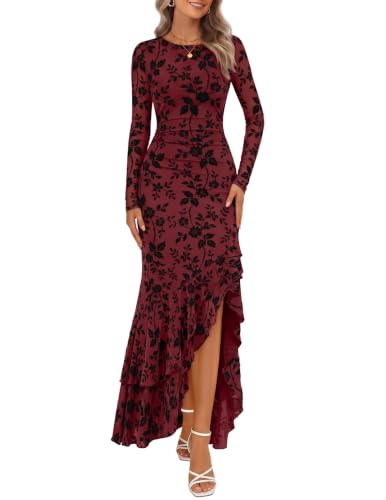
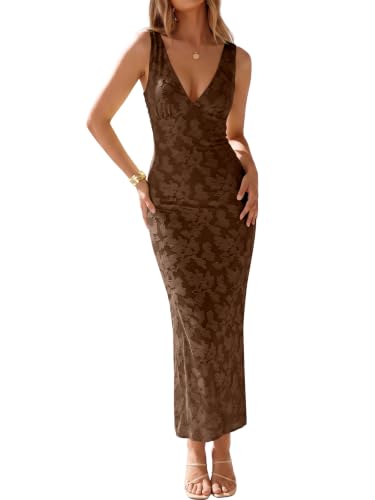
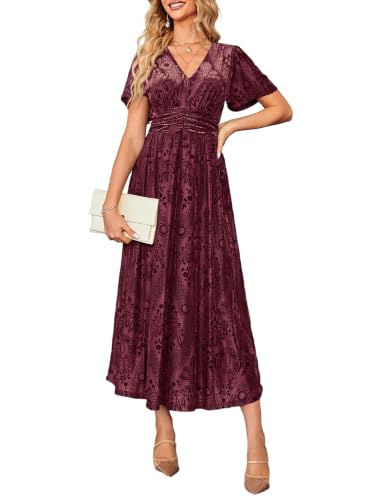
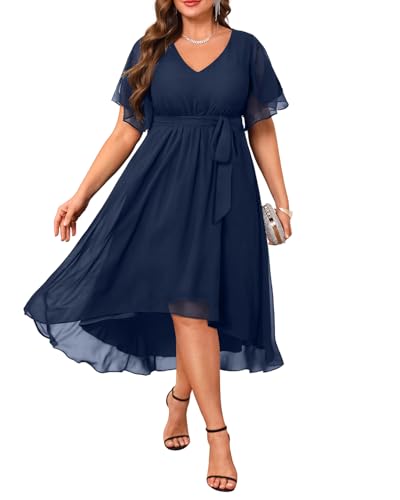
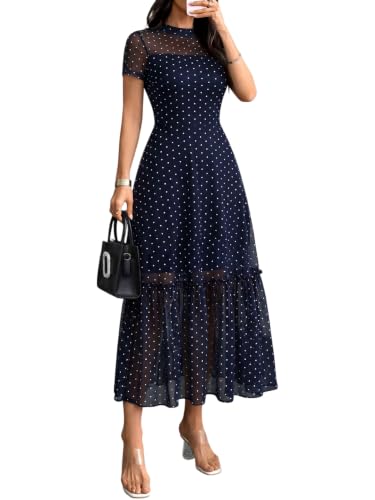
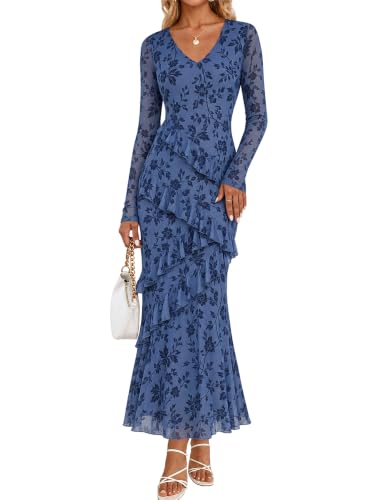
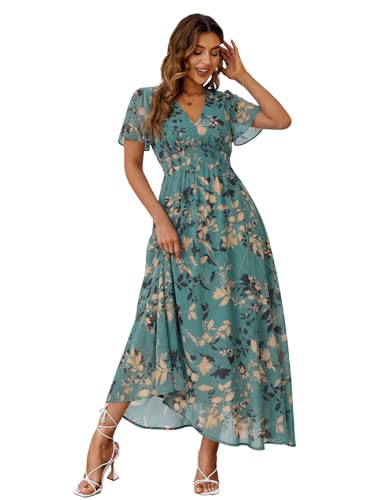
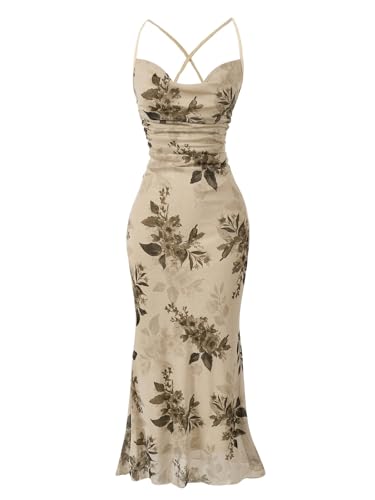
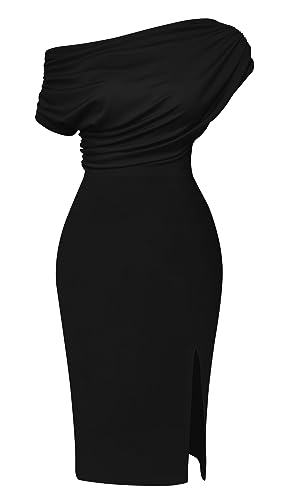
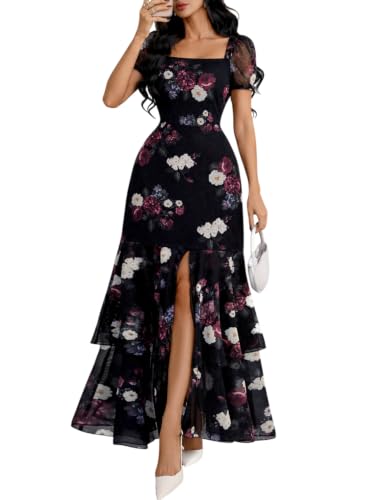
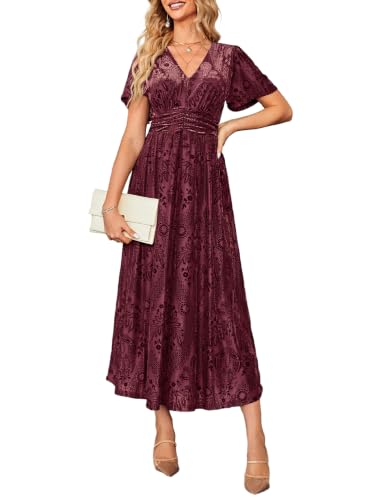


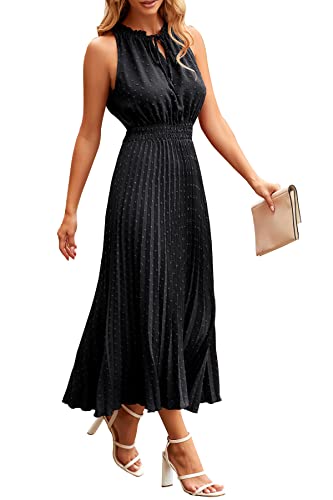


deamify Women’s V Neck Bridesmaid Dresses for Women A Line Hight Slit Champagne Chiffon Formal Dress for Women Simple Bridesmaid Dress with Slit 4
Original price was: $69.92.$49.99Current price is: $49.99.


K898 Women’s Elegant Dresses for Women Formal Wedding Guset,Cocktail Midi Dresses for Women Green XL
Original price was: $29.99.$14.99Current price is: $14.99.


BTFBM Womens Tube Strapless Maxi Dress Summer Knit Backless Slit Bodycon Wedding Party Formal Cocktail Dresses(Rust Red, X-Large)
Original price was: $16.99.$15.99Current price is: $15.99.Semi-Formal Dresses for Women: Frequently Asked Questions
What does semi-formal mean for women?
Semi-formal sits between cocktail and casual. It usually means a knee-length, midi or tea-length dress, an elegant jumpsuit or a smart suit. Floor-length gowns are generally more than the dress code needs.
Is semi-formal the same as cocktail attire?
They overlap a great deal and many invitations use them interchangeably. Cocktail can lean slightly dressier, especially for evening events.
Can I wear a long dress to a semi-formal event?
A simple long dress in a light fabric can work, especially outdoors or in summer. An embellished floor-length gown usually looks overdressed.
Can I wear pants to a semi-formal event?
Yes. Tailored trousers with an elegant top, a dressy jumpsuit or a matching suit are all appropriate.
What colors work for semi-formal?
Almost any color. Jewel tones and darker shades suit evening events; pastels, florals and lighter tones suit daytime. Avoid white at a wedding.
What fabrics suit semi-formal dresses?
Crepe, chiffon, lace, satin, jersey and quality cotton blends all work. Avoid very casual fabrics such as denim and very formal ones such as heavy brocade gowns.
What shoes go with a semi-formal dress?
Block heels, low pumps, dressy sandals, wedges or smart flats. Match the shoe to the venue, especially outdoors.
Is a semi-formal dress right for a wedding guest?
Yes, if the invitation says semi-formal or does not state a dress code for a daytime or early evening wedding.
How do I make a semi-formal outfit look dressier for evening?
Choose a deeper color, add statement jewelry, a metallic clutch and heels, and consider a satin or lace dress rather than a cotton one.
What Semi-Formal Actually Means
Dress codes are easiest to understand as a ladder. Casual is everyday clothing. Smart casual adds a little polish. Semi-formal is the next step: an outfit clearly chosen for an occasion, but without the floor-length gowns of black tie. Cocktail sits very close to semi-formal and often means the same thing, sometimes leaning slightly dressier in the evening.
The time of day changes the details. A semi-formal daytime event suits lighter colors, florals and softer fabrics. A semi-formal evening event calls for deeper shades, a little sheen or texture and dressier accessories.
Lengths That Work
Knee length. The classic semi-formal length. It looks polished and suits almost every venue. See knee length cocktail dresses.
Midi and tea length. A hem between the knee and the ankle feels elegant and modest, and is particularly good for weddings, church events and daytime parties. Browse tea length cocktail dresses.
High-low. Shorter in the front and longer at the back, a high-low hem gives movement and a little drama. See high-low cocktail dresses.
Long. A simple maxi dress in a light fabric can work, especially for summer or outdoor events. A heavily embellished full-length gown usually reads as more formal than the invitation asks.
Silhouettes
A-line, sheath, wrap and fit-and-flare dresses are the backbone of semi-formal dressing. The A-line is universally flattering and easy to wear. The sheath gives a sleek, tailored line. The wrap dress adjusts to the body and is comfortable for long events. The fit-and-flare adds shape and movement. For more options, see wrap dresses and A-line dresses.
Fabrics and Finish
Fabric often decides whether an outfit reads semi-formal or casual. Crepe, chiffon, lace, satin and good-quality jersey all look appropriately dressed. Lace adds texture without needing embellishment. Satin brings a soft sheen suited to evening. Very casual fabrics, such as denim, light cotton jersey and linen with a rumpled finish, tend to look underdressed unless the event is outdoors and relaxed.
Colors and Prints
Semi-formal allows a lot of freedom. Jewel tones such as emerald, sapphire and burgundy look rich in the evening. Blush, sage, powder blue and lavender suit daytime and spring events. Prints can work well if they are refined, such as small florals or watercolor patterns, rather than loud graphics. At a wedding, avoid white, ivory and very pale champagne.
Dresses, Jumpsuits and Suits
A dress is not required. A tailored jumpsuit in crepe or satin, or a matching trouser suit with an elegant blouse, is perfectly semi-formal and often more comfortable for a long event. See dressy pant suits for wedding guests.
Semi-Formal by Occasion
Weddings. A midi or knee-length dress in a soft or seasonal color, with heels or dressy sandals. Browse wedding guest dresses for more ideas.
Work events and dinners. A sheath or wrap dress in a solid color, with a blazer or wrap for cooler rooms.
Holiday parties. Velvet, satin or lace in deeper shades, with a little shimmer in accessories.
Graduations and christenings. Lighter colors and modest lengths, with comfortable shoes for standing outdoors.
Accessories
Accessories can move one dress up or down the formality ladder. For daytime, keep jewelry light and choose block heels, wedges or smart flats. For evening, add a metallic clutch, statement earrings and a slimmer heel. A light wrap or cropped jacket is useful for air-conditioned venues and for covering shoulders at religious ceremonies.
Sizing and Fit
A semi-formal dress should look tailored without feeling restrictive, because these events often involve sitting through dinner, standing for drinks and moving between rooms. Check the size chart against your bust, waist and hip measurements rather than relying on your usual size, and pay particular attention to the fabric: stretch crepe and jersey are forgiving, while satin and structured lace need a closer fit. Petite shoppers should check the hem position on a midi dress, since a hem that lands mid-calf on a taller model may reach the ankle. For extended sizes, see formal dresses for plus size women, and for shorter frames, petite formal dresses.