
High low cocktail dresses
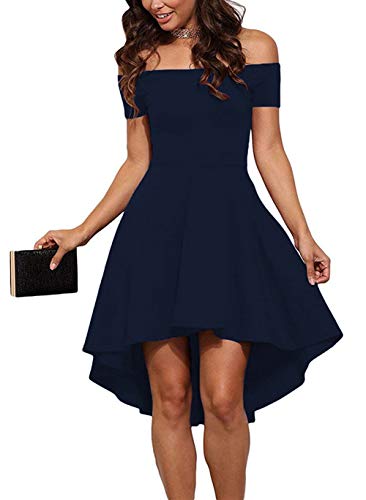
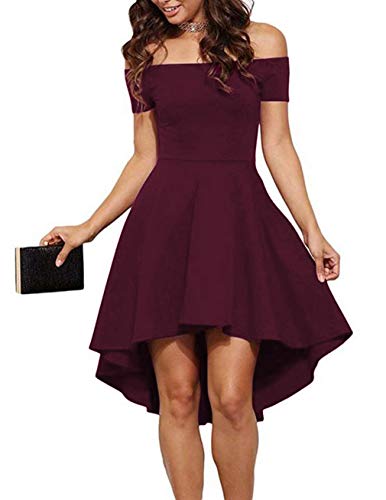
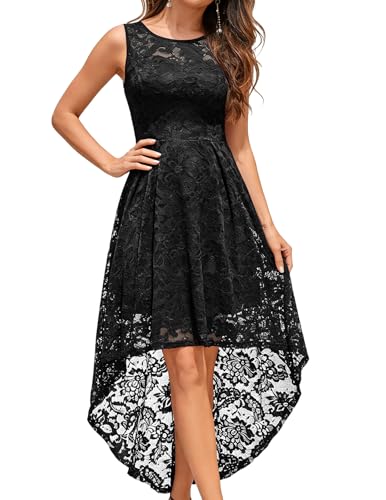
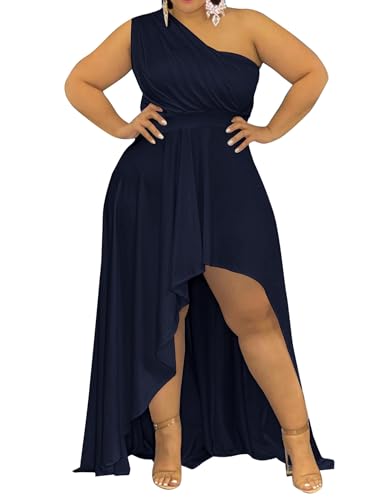
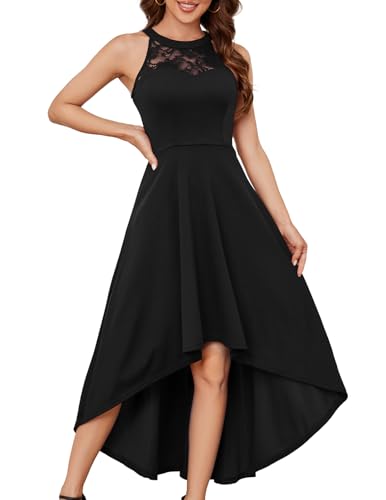
A high-low hem is short at the front and long at the back, and it exists to solve a specific conflict: wanting the presence of a long dress while still being able to walk, dance and show your shoes.Seven in ten listings here have that hem. Cocktail styles account for around half and around a third mention weddings, though prom wear makes up close to two thirds, so filtering matters.Lace appears in around a quarter, halter necklines in around one in six, and just under four in ten are described as gowns. This collection focuses specifically on high-low hemlines rather than covering cocktail dresses broadly.




High Low Cocktail Dresses: Frequently Asked Questions
Why choose a high-low hem?
It keeps the long silhouette from behind and in profile while leaving the legs free at the front, so you get the presence of a long dress but can still walk, dance and show your shoes.
Where should the front hem sit?
Knee-length is the most versatile and reads as a cocktail dress with a dramatic back. Mid-thigh is the most common here. Upper-thigh is the most limiting, since the back of the dress also pins you in place when seated.
Does the back hem cause problems outdoors?
It behaves like a short train: on grass it collects moisture and debris, on stairs it needs attention, and on a dance floor people step on it. A back hem stopping at the ankle avoids most of this while keeping the effect.
Which neckline suits the shape?
A halter, at around one in six listings here. The strong vertical line at the neck balances the strong diagonal at the hem. A simple bodice generally suits the shape, since the hem is already the focal point.
How should I choose shoes?
The shoe is seen from the front and hidden from behind, so detail at the toe works better than detail at the heel. Heel height changes where the front hem sits and whether the back clears the ground, so try the dress in the actual shoes.
Which fabric works best?
Lace and satin hold the hem shape and show the diagonal crisply. Chiffon and tulle create the most movement but lift in wind at exactly the point where the dress is longest, which matters outdoors.
How do I filter out the prom styles?
Close to two thirds here are prom. Those tend toward fuller tulle skirts, corset backs, sheer bodice panels and brighter colors. A cocktail high-low is more likely a single fabric with a simpler bodice and a muted color.
Can I wear one to a wedding?
Around a third of listings mention weddings. Avoid white and ivory, and check the ceremony's expectations, since a short front hem may not suit a religious venue even when the back is long.
Does height affect the fit?
More than usual, because height determines both hem positions at once. A dress that photographs as a knee-front on a tall model will sit lower on a shorter frame.
What the Hem Is Doing
A high-low is not a design flourish, it is a compromise between two things people want at once.
A floor-length dress reads formal and photographs with presence, but it restricts stride, drags on grass, and hides the shoes entirely.
A short dress moves freely and shows the shoes, but reads less formal.
The high-low keeps the long silhouette from behind and in profile while leaving the legs free at the front. In photographs taken from the back or side it reads as a long dress; from the front it reads as a short one.
That is genuinely useful at a wedding reception, an outdoor event or anywhere involving dancing, and it explains why the shape recurs in exactly those settings.
Where the Front Hem Sits
This single variable changes the dress more than the fabric or the neckline does, and listings almost never state it.
Knee-length front is the most conservative and the most versatile. It reads as a cocktail dress with a dramatic back rather than as a statement hem.
Mid-thigh front is the most common in this collection and the most obviously high-low.
Upper-thigh front is the most dramatic and the most limiting, since the seated question becomes significant when the back of the dress is also pinning you in place.
Judge it from the product photograph rather than the description. Where the model is standing straight, compare the front hem against the knee.
The Back Hem and the Venue
The back of a high-low behaves like a short train, and that has practical consequences worth thinking through before the event.
On grass it collects moisture and debris, which at an outdoor summer wedding means the back hem looks different by the end of the evening than it did at the start.
On stairs it needs the same attention a long dress does, since the back is still full length.
On a dance floor other people step on it, which is the most common complaint about the shape.
A back hem that stops at the ankle rather than sweeping the floor avoids most of this while keeping the effect almost entirely. It is worth looking for.
Proportion and Balance
The high-low creates a strong diagonal line, and the rest of the dress has to work with it rather than against it.
A simple bodice suits the shape best, because the hem is already the focal point. Heavy beading at the bodice plus a dramatic hem produces two competing points of interest.
A defined waist helps considerably. Without one, the diagonal hem and a loose bodice together read as shapeless rather than deliberate.
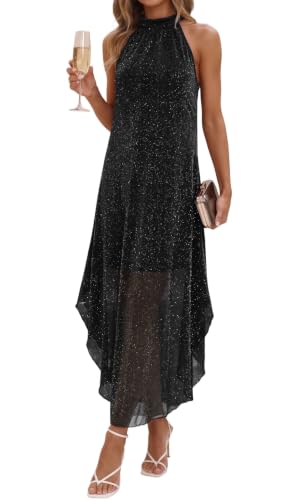
Halter necklines, at around one in six listings here, work particularly well with the shape: the strong vertical line at the neck balances the strong diagonal at the hem.
Shoes Are Part of the Decision
The whole point of a high-low is that the shoes are visible, which makes them a more consequential choice here than in a floor-length dress.
Because the front hem is short and the back is long, the shoe is seen from the front and hidden from behind, so a shoe with visual interest at the toe works better than one with detail at the heel.
Height matters twice over: it changes where the front hem sits and whether the back hem clears the ground. A two-inch difference in heel affects both ends of the dress at once.
Try the dress in the actual shoes before the event rather than assuming, since the back hem is the part most likely to be wrong.
Filtering the Prom Styles
Close to two thirds of this collection is prom wear, which is a high share and the main reason filtering is needed here.
Prom high-lows tend toward fuller tulle skirts, corset backs, sheer bodice panels and brighter colors. A cocktail high-low is more likely to be a single fabric, a simpler bodice and a solid or muted color.
Around a third of listings mention weddings, and for a wedding guest the same rules apply as anywhere: avoid white and ivory, and check whether the ceremony has coverage expectations, since a short front hem may not suit a religious venue even when the back is long.
Fabric
Lace, at around a quarter of listings, is the most common and holds the hem shape well because it has some body.
Satin, at around one dress in seven, gives the cleanest line and shows the diagonal most crisply.
Chiffon and tulle create movement in the back hem, which is the most photogenic version of the shape and the least practical outdoors, since light fabric lifts in wind at exactly the point where the dress is longest.
Heavier fabrics hold the hem down and behave more predictably.
Sizing
Prom labels here run smaller than standard womenswear sizing.
Take bust, waist, hip and height. Height matters more than usual because it determines both hem positions simultaneously; a dress that photographs as a knee-front on a tall model will sit lower on a shorter frame.
Read each listing's own chart. The US size chart covers conversions across regular, plus and junior sizing.
Related Collections
For standard cocktail lengths, see cocktail dresses. For a similar in-between length without the diagonal, browse tea length dresses. The bulk of this collection also appears in prom dresses, which is the better page if that is the occasion.