
Short Blue Formal Dresses for Women
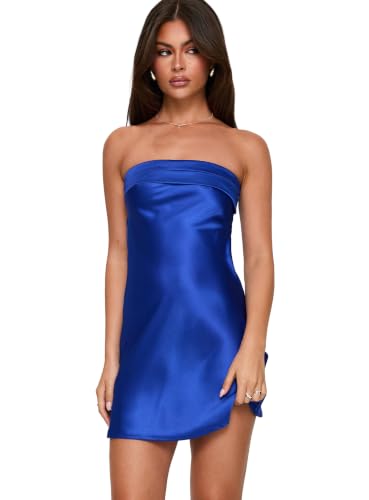
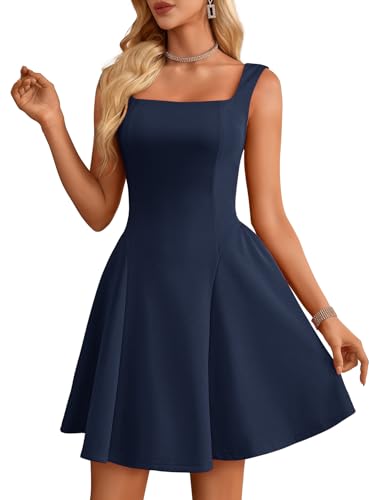
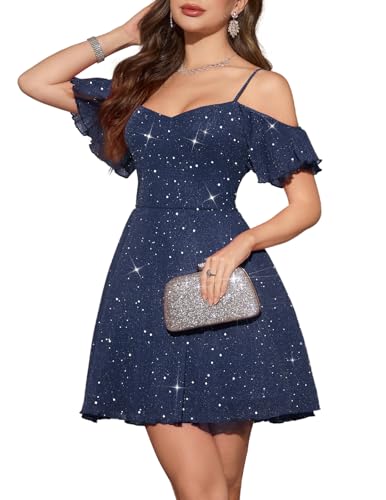
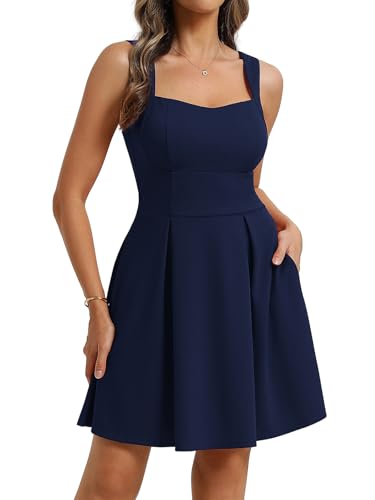
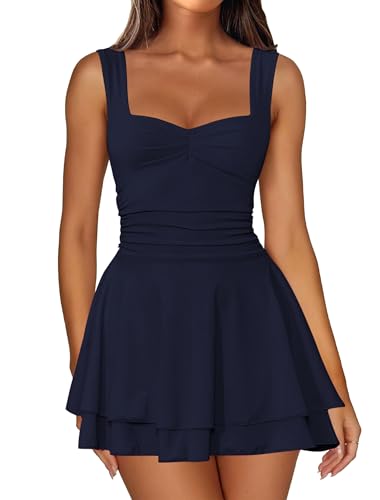
short blue formal dresses for women include compact occasion styles for cocktail parties, semi-formal weddings, homecoming, work dinners, holiday events, and evening receptions. The product grid below may include navy and royal blue dresses, light and dusty blue styles, A-line minis, knee-length lace, satin sheaths, sequins, sleeves, and plus-size designs. Compare silhouette, fabric, length, neckline, sleeves, closure, and event suitability before opening the final retailer listing.Blue shade names are inconsistent across sellers, and the short label can cover mini through knee lengths; verify both color photographs and garment measurements. Product names and sizing conventions vary across sellers, so confirm measurements, fabric composition, lining, care, delivery timing, and return terms on the linked retailer page. The dress should remain stable while sitting, walking, reaching, and using stairs in the planned shoes and underlayers.Related shopping paths include blue formal dresses, short black formal dresses, semi-formal dresses, and cocktail dresses. These categories separate the main search by color, length, silhouette, and dress-code level.










Frequently Asked Questions About Short Blue Formal Dresses for Women
Which shades appear in short blue formal dresses?
Navy, royal, cobalt, sapphire, light blue, dusty blue, slate, teal-blue, and aqua may appear in the category.
What lengths count as short?
Retailers may include mini, above-knee, knee, and selected high-low dresses, so verify shoulder-to-hem measurements.
Can I wear a short blue dress to a wedding?
Often yes for cocktail or semi-formal weddings when the shade, hem, fabric, and bridal-party colors are appropriate.
Are short blue dresses suitable for homecoming?
Yes, but review the school’s rules for hem length, slits, backs, and necklines before ordering.
Which fabrics are most formal in short blue dresses?
Satin, lace, velvet, jacquard, crepe, sequins, and structured chiffon are common.
How do I choose between navy and royal blue?
Navy is usually more restrained, while royal blue is brighter and higher contrast; test the shade in the expected lighting.
How should I measure a short blue dress?
Compare shoulder-to-hem length with a dress you own and check bust, waist, hip, torso, and seated coverage.
Can short blue formal dresses be altered?
Yes, but lace borders, sequins, pleats, bubble hems, and limited length may restrict changes.
What should I verify on the retailer page?
Check exact shade, garment length, size chart, fabric, lining, closure, delivery, returns, and care.
Defining Short Blue Formal Dresses
Blue may appear navy, royal, cobalt, sapphire, light blue, dusty blue, teal-blue, slate, or aqua. Color name and model height are not reliable substitutes for physical measurements.
Short blue formal dresses combine a mini, above-knee, knee, or selected high-low hem with event-ready fabric and construction. Verify the exact color and shoulder-to-hem measurement on the final listing.
Navy, Royal, and Light Blue
Dark navy often reads restrained, royal blue creates stronger saturation, and pale blue can appear softer or bridal-adjacent. Fabric sheen and lighting can shift each shade toward purple, green, gray, or silver.
Compare daylight, indoor, and flash images before matching accessories. For weddings, check whether pale blue is part of the bridal-party palette.
Mini, Above-Knee, and Knee Length
Short category labels cover several distinct hem positions. Compare the garment’s shoulder-to-hem measurement with a dress already owned.
Height, torso, hip shape, skirt cut, and heel height influence the final appearance. Check both front and back coverage while seated because fitted skirts can rise unevenly.
Blue Cocktail and Semi-Formal Dresses
Satin, lace, jacquard, crepe, velvet, sequins, and structured chiffon can support the dressier setting. Short blue dresses commonly suit cocktail parties, semi-formal weddings, homecoming, dinners, and evening receptions.
Match color intensity and decoration to the venue and time. Use the broader blue formal dresses category when length is flexible.
A-Line and Skater Blue Dresses
A-line and skater skirts provide movement and can balance fitted, corset, or ruched bodices. Pleats, petticoats, bubble hems, and stiff satin affect how far the skirt lifts or spreads.
A fuller short skirt should include secure lining and enough weight or structure to remain controlled. Test sitting, turning, wind exposure, and stairs.
Fitted and Sheath Blue Dresses
Saturated blue can make pulling, seam twist, and fabric shine more visible in photographs. Sit for several minutes and inspect the side seams and back hem.
Fitted short dresses require accurate bust, waist, hip, seat, and lining measurements. Select another size or cut when the skirt rides upward or the slit opens beyond the intended point.
Satin, Lace, Velvet, and Sequins
Inspect underarm comfort, opacity, wrinkle behavior, and color in multiple lighting conditions. Each blue fabric changes the apparent shade and the practical care requirements.
Satin reflects highlights, lace depends on backing, velvet changes with pile, and sequins intensify flash. Coordinate care and travel plans with the exact textile rather than the color category.
Strapless and One-Shoulder Styles
Short exposed-shoulder dresses move at both neckline and hem during dancing. Repeated adjustment indicates that the bodice construction or size is unsuitable.
Torso fit, cups, boning, grip tape, straps, and back closures control stability. Use the planned support garment and complete a raised-arm and seated test.
Sleeved Blue Formal Dresses
Upper-arm ease, shoulder movement, mesh tone, lining, and cuff width need separate review. Sleeve coverage should not be used to justify a hem that is too short for the event.
Sleeves can add coverage for winter formals, work-related events, family occasions, or conservative venues. Try the dress under the planned coat and reach forward.
Homecoming and School Formals
Short blue dresses are common for homecoming and school dances, but dress codes may specify minimum length, slit, back, or neckline rules. Stage photographs, sitting, stairs, and active dancing require secure coverage.
Read the school policy before ordering and measure the dress against it. Leave exchange time in case the received hem or color differs from the listing.
Short Blue Wedding-Guest Dresses
Blue works across many wedding palettes, but shade, hem, and formality should follow the invitation. Check bridal-party colors and avoid a highly bridal pale-blue design.
Navy and jewel blue can suit evening events, while light and dusty blue often work for daytime or seasonal weddings. Test ceremony seating and reception movement with the complete outfit.
Work and Professional Events
Knee or near-knee hems, opaque fabric, stable necklines, and blazer compatibility improve professional use. Navy and controlled blue shades can work for business dinners, award events, and office celebrations.
Check the outfit while seated at a desk or dining chair. A short party dress should not be reclassified as professional merely by adding a jacket.
Plus-Size and Petite Length Balance
Size range affects hem placement as well as bust, waist, and hip fit. A fuller bust or hip can lift a short skirt, while petite patterns may shorten the bodice and skirt separately.
The back hem should remain level and the waist seam should sit at the intended position. Review actual garment measurements and exact-size photographs.
Shoes, Bags, and Metal Tones
Undertone matters: cool cobalt and icy blue behave differently from teal-blue or warm navy. Compare accessories beside the actual dress in daylight.
Blue coordinates differently with silver, gold, pearl, black, nude, clear, and matching accessories. Use smooth bags and jewelry around lace, satin, sequins, and delicate mesh.
Alterations and Hem Detail
Obtain a tailor’s estimate before the return period closes. A short dress offers limited room for correcting length mistakes.
Lace borders, sequins, scallops, pleats, bubble hems, and high-low shapes can complicate changes. Fit the bodice and hip correctly first because hemming cannot solve a riding skirt.
Navy Short Formal Dresses
Navy short formal dresses offer a restrained alternative to black for cocktail weddings, professional dinners, memorial-adjacent events, and evening receptions. The shade may appear nearly black indoors but reveal blue in daylight. Compare it with intended black shoes or accessories to avoid an accidental mismatch that only becomes visible in photographs.
Matte crepe and lace usually hold a quieter navy, while satin, velvet, sequins, and taffeta create stronger highlights. Check whether the lining is navy, black, or nude because it affects opacity. For repeat wear, a knee or midi-adjacent navy dress often crosses more settings than a very bright mini.
Royal Blue and Cobalt Short Formal Dresses
Royal blue and cobalt formal dresses create higher visual impact and photograph strongly at homecoming, cocktail parties, holiday events, and evening weddings. Retailers may use the terms interchangeably even though cobalt can lean cooler and more electric. Screen brightness can exaggerate saturation, so customer photographs are particularly useful.
Because vivid blue draws attention to seam lines, inspect the bust, waist, zipper, and hip for tension. Silver, clear, black, pale gold, and coordinated blue accessories can work, but compare metals against the actual undertone. Avoid introducing several competing jewel colors without a clear palette.
Dusty Blue, Slate, and Light Blue Short Formal Dresses
Dusty blue and slate contain gray, while light blue may lean icy, pastel, or aqua. These softer shades suit spring weddings, showers, daytime cocktail events, and coordinated family attire, but pale fabric can show undergarments, wrinkles, and stains more readily than navy.
Check whether the shade matches a bridesmaid palette before attending a wedding. Under flash, light blue satin may appear silver and chiffon may look more transparent. Choose smooth skin-toned undergarments and inspect the lining from front, side, and back in direct light.
Short Blue Dresses With Corset Bodices
Corset-inspired short blue formal dresses often appear in homecoming and party collections with boning, molded cups, lace-up backs, or basque waists. Confirm which elements are structural. Decorative seams and ribbon lacing may offer little support, while a rigid cup or pointed waist requires accurate torso and underbust measurements.
The bodice should remain level while the wearer sits, raises the arms, and dances. A lace-up back can fine-tune tension but should not create a wide exposed gap beyond the design. Check whether the skirt attaches smoothly to the corset and whether boning ends press into the waist.
Blue Formal Dresses With Ruffles and Rosettes
Ruffled skirts, shoulder flounces, floral rosettes, and draped bows add dimension to short blue formal dresses. Their scale should suit the wearer and the event without blocking movement. Verify whether a rosette is detachable and whether ruffles are finished cleanly on both sides.
Large shoulder details can interfere with coats, bags, or long hair, while layered skirt ruffles may shorten the visible opaque hem. Inspect the garment after shipping for crushed shapes and uneven edges. Steam only according to the care label, especially on organza, satin, and bonded decorations.
Blue Homecoming Dresses and School Dress Codes
Secondary searches such as short blue homecoming dress, royal blue homecoming dress, and navy semi-formal dress often lead to the same product set. School rules may specify fingertip length, opaque panels, back coverage, or slit limits. Read the current policy rather than relying on previous years.
Measure the opaque base layer, not fringe, feathers, or sheer mesh. Test stairs, seated photographs, and active dancing. If approval is uncertain, keep screenshots of the product measurements and leave enough delivery time to exchange the dress before the event.
Color Matching for Groups and Wedding Parties
Blue is frequently used for bridesmaids, mothers, graduates, and coordinated family photographs, but identical shade names do not guarantee a match. Navy, royal, dusty blue, and slate can vary by brand, fabric, and dye lot. Obtain a swatch or compare dresses together in daylight when exact coordination matters.
Texture differences can be intentional, yet a satin dress may look much lighter than chiffon in the same named color. Confirm whether the goal is an exact match or a tonal palette. Keep return windows open until the group has compared all garments under similar lighting.
Short Blue Sequin and Glitter Formal Dresses
Royal, navy, and cobalt sequin dresses can suit homecoming, holiday parties, and evening cocktail events, but the surface changes color under flash. Inspect whether sequins are stitched or glued, how densely they cover the lining, and whether missing areas reveal a noticeably different blue base.
Underarm abrasion, garment weight, and snagging become more important in a short dress intended for dancing. Test arm movement and sit against a smooth chair. Hem alterations may require removing and replacing sequins, so compare the measured length before ordering and request a specialist estimate while returns remain available.
Short Blue Satin Formal Dresses
Short blue satin dresses range from navy sheaths and royal fit-and-flare styles to light-blue corset minis. Satin intensifies color and reveals wrinkles, seam strain, and water marks. Check whether the fabric is bias cut, stretch satin, duchess satin, or a lighter charmeuse because each behaves differently.
Sit for several minutes and photograph the dress under flash to assess creasing and highlights. A fitted satin skirt needs enough hip and seat ease to prevent riding. Follow the care label for steaming and keep drinks, rain, and spot cleaners away from finishes that mark easily.
Short Blue Lace and Appliqué Dresses
Navy lace can appear almost black, while royal and light-blue lace show motif detail more clearly. Review the backing color, lining length, scalloped edge, and appliqué placement. A nude lining produces a different effect from a matching blue lining and may alter wedding or school-event suitability.
Check underarm softness and whether lace motifs lift at seams. Short lace dresses offer limited hem margin, especially when a scalloped border is integral to the design. Ask a tailor whether shortening can be done from the waist or by relocating the border before the return deadline.
Short Blue Formal Dresses for Mothers and Family Guests
Mothers of the bride or groom, graduation guests, and family members may prefer knee-length navy or blue formal dresses with jackets, sleeves, lace overlays, or structured A-line skirts. Blue can coordinate with many wedding palettes, but confirm whether the family is expected to match a specific shade.
Prioritize shoulder comfort, an easy seated waist, sleeve mobility, and a stable hem for photographs and greeting guests. A matching jacket should be tested open and closed. If exact color coordination matters, compare fabric swatches because navy and dusty blue vary sharply across retailers.
Refine the category with searches such as short navy formal dress, royal blue cocktail dress, light-blue homecoming dress, dusty-blue wedding guest dress, or blue lace knee-length dress. Shade and event should be paired with measured length because a bright mini and a navy work-event sheath do not serve the same intent. Verify the exact color variation before coordinating group outfits or accessories.
Final Short Blue Dress Test
The final fitting should confirm shade, coverage, dress code, and movement. Keep tags and packaging until the dress passes every practical and color check.
Wear the intended undergarments, shoes, coat, jewelry, and bag, then sit, walk, bend, and use stairs. Check neckline security, front and back hem, slit, zipper, opacity, and flash photographs.