
Silver Formal Dresses for Women
Silver is used far more often for bridal parties than most people expect. Over half the listings in this collection are described in bridesmaid terms, which is a higher share than in most color-specific formal ranges, and it reflects how well a metallic neutral works when several people need to wear the same shade.Just over half are floor length and around half are described as gowns. Chiffon leads at a third of the collection, followed by satin and sequin. Nearly half have a slit, the highest proportion of any color collection here. Just under a fifth are plus size.For matte neutrals rather than metallic, see gray dresses.
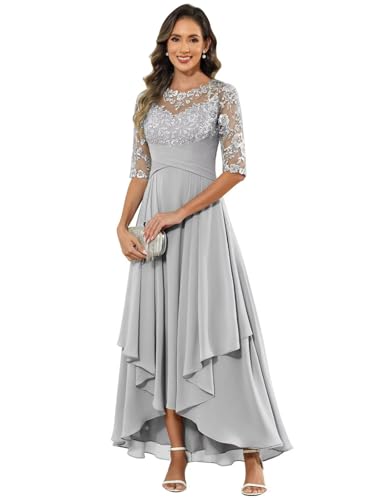
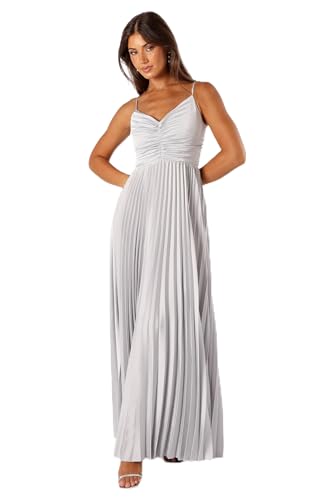
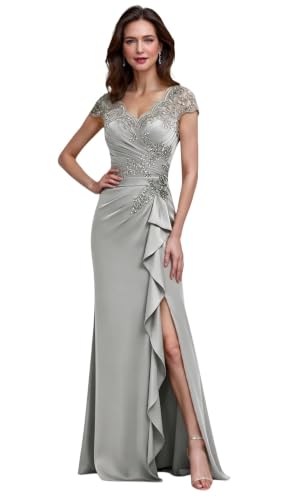
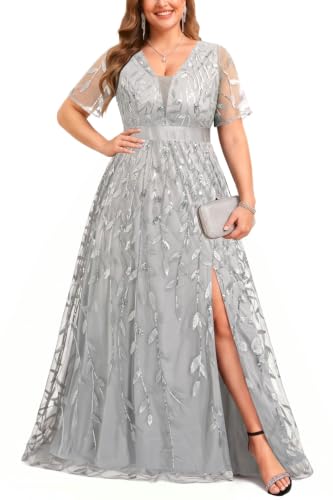
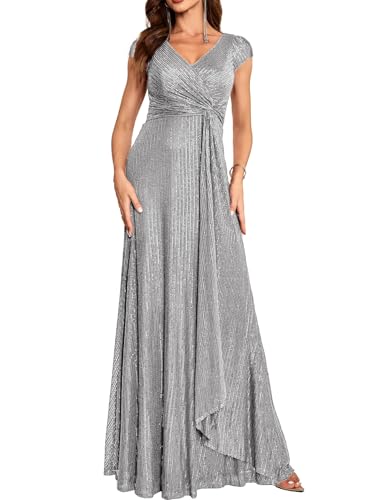

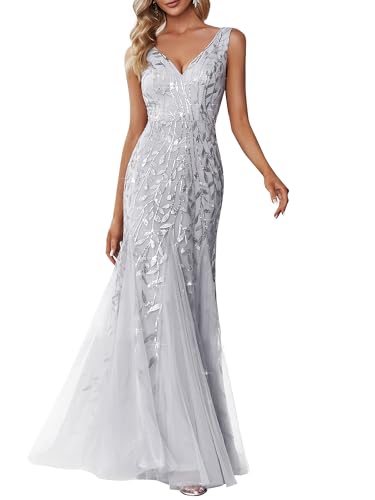



Spaghetti Straps Homecoming Dresses Short for Teens Sparkly Sequin Tight Corset Formal Prom Gown Silver Size 4
Original price was: $49.99.$34.99Current price is: $34.99.Silver Formal Dresses: Frequently Asked Questions
What makes a dress silver?
Four different finishes: sequins stitched to a base fabric, metallic thread woven through the fabric, applied beading or crystal, or pale gray satin whose natural sheen reads as silver. A listing may mean any of these, and they behave very differently.
Which silver photographs best?
Woven metallic thread and silver satin, because they reflect diffusely and produce a consistent soft sheen. Sequins and heavy beading reflect flash directly back and can blow out detail in close indoor photographs.
Why is silver so common for bridesmaids?
Over half this collection is bridesmaid wear. Silver is a neutral that does not clash with flowers or decor, sits beside a white gown without competing, and suits a wide range of skin tones because a reflective surface returns surrounding light rather than imposing a fixed hue.
Can the party mix different silver fabrics?
Better not to. The four finishes look so different that a sequin dress and a silver satin dress in the same nominal shade will not read as matching. Keep the whole party in one finish.
Are silver dresses heavy?
Fully sequined and beaded ones are, and the weight hangs from the shoulders, which matters over a long event. Woven metallic and silver satin are much lighter. Metallic fabrics also breathe less than chiffon or crepe.
Will sequins be uncomfortable?
They can catch on tights and jewelry, and a beaded bodice may feel rough against bare arms over several hours. Check whether the listing mentions a lining, since a lined sequin dress is considerably more comfortable.
Should I wear silver or gold jewelry?
With a sequin or beaded silver dress, very little: earrings alone usually read better than a full set. A silver satin or woven metallic dress can carry a statement piece. Mixing metals works if one is clearly dominant rather than an even split.
Why do so many have slits?
Nearly half do, the highest share of any color collection here. On a reflective fabric a slit creates a moving edge that catches light differently from the flat surface, adding movement to a dress that might otherwise photograph as a static bright shape.
How should a metallic dress fit?
Buy for your largest measurement and have it taken in rather than sizing down. A shiny surface shows every line and tension beneath it, where matte fabric disguises them. Sequin dresses are also harder to alter, since seams often run through the embellishment.
Four Different Ways a Dress Can Be Silver
Silver is a finish rather than a dye, and the finish is achieved in several ways that behave completely differently in wear and in photographs.
Sequin. Individual discs stitched to a base fabric, each catching light independently. Around one dress in six here. Produces the brightest result and the most movement, and adds noticeable weight.
Metallic thread woven into fabric. A silver yarn running through chiffon, mesh or jacquard. The most subtle option, giving a sheen rather than a shine, and the lightest to wear.
Beading and crystal. Around one dress in ten. Applied detail on a base fabric, usually concentrated at the bodice. Sharper points of light than sequins, and heavier still.
Satin in a silver tone. Not metallic at all, but a pale gray satin whose natural sheen reads as silver. Around one dress in five here. The most comfortable and the least dramatic.
A listing describing a dress as silver could mean any of these. If weight matters to you, or if you want subtle rather than bright, the fabric description tells you more than the color name.
Photographing a Reflective Dress
Reflective fabrics behave unpredictably on camera, and understanding why prevents disappointment.
A sequin or heavily beaded dress reflects the camera's flash directly back, which can blow out detail and produce a bright patch where the dress should be. This is most pronounced in close indoor photographs with direct flash, which describes most reception photography.
Woven metallic thread and silver satin do not do this. They reflect diffusely, producing a soft sheen that photographs consistently in both daylight and artificial light.
Practically: if the formal photographs matter most, a woven metallic or silver satin is the safer choice. If you want maximum impact under evening lighting and are less concerned about close flash shots, sequin delivers that.
Why Silver Works for a Bridal Party
Over half this collection is bridesmaid wear, and there are concrete reasons the color recurs in that role.
Silver is a neutral, so it does not clash with flowers, decor or the venue in the way a saturated color can. It also sits beside a white gown without competing, since both are in the same cool, light range.
Most usefully for a group, silver suits a wider range of skin tones than most colors, because a reflective surface picks up and returns the surrounding light rather than imposing a fixed hue. It reads differently on different people while still matching.
The one caution is fabric consistency. Because the four finishes described above look so different, every dress in the party should use the same one. A sequin dress and a silver satin dress in the same nominal shade will not read as matching.
The Slit
Nearly half these dresses have a slit, which is the highest share of any color collection on the site.
On a reflective fabric a slit does something specific: it creates a moving edge that catches light differently from the flat surface around it, which adds visible movement to a dress that might otherwise photograph as a static bright shape. That is why the combination recurs so often in silver.
Two listings can show what looks like the same opening and cut it very differently. For a bridal party, agree an acceptable height before anyone falls in love with a style, since a slit that suits an evening reception may not suit a religious ceremony.
Comfort and Practical Wear
Metallic fabrics have practical characteristics that plain fabrics do not.
Sequins can catch on tights, other fabrics and jewelry, and a beaded bodice may feel rough against bare arms over several hours. Check whether the listing mentions a lining, since a lined sequin dress is considerably more comfortable than an unlined one.
Weight adds up. A fully sequined floor-length gown is heavier than the same dress in chiffon, and that weight hangs from the shoulders. For a long event this matters more than it seems when trying it on.
Metallic fabrics also breathe less than chiffon or crepe, which is worth considering for a summer or outdoor wedding.
Silhouettes
Mermaid is the most common structured cut at around one dress in five, followed by A-line at roughly one in seven. Ball gowns account for around one in twelve.
V-neck is the most common neckline, with one-shoulder styles at roughly one in seven and halter at around one in twelve.
For metallic fabrics, simpler silhouettes generally photograph better. Heavy ruching or tiering on a reflective surface creates competing highlights that read as visual noise, while a clean line lets the fabric itself provide the interest.
Accessories
The main decision is whether to add more metal or stop.
A sequin or beaded silver dress needs very little: earrings and nothing else usually reads better than a full set. A silver satin or woven metallic dress can carry a statement piece.
Mixing gold with silver is now widely accepted and can work well, though it needs to look deliberate rather than accidental, which usually means one clearly dominant metal rather than an even split.
For shoes, metallic or nude extends the line. A strongly colored shoe against silver introduces a second focal point, which works if intended and looks like an error if not.
Sizing
Just under a fifth of listings here are plus size, and petite listings are rare.
Reflective fabrics are less forgiving of fit than matte ones, because a shiny surface shows every line and tension beneath it. Where a matte chiffon disguises a slightly tight bodice, a sequin one displays it. Buy for your largest measurement and take in rather than sizing down.
Sequin and beaded dresses are also harder to alter, since seams often run through the embellishment and reworking them means removing and replacing sequins by hand. Our US size chart covers conversions.
Related Collections
For matte neutrals, see gray dresses for women. For bridal party shopping specifically, browse bridesmaid dresses. For other formal colors, see emerald green formal dresses.