
Formal Wear for Women
formal wear for women includes women’s gowns, long and midi dresses, jumpsuits, pant suits, coordinated sets, sleeves, jackets, wedding guest attire, mother-of-the-bride styles, and evening options for formal events. The product grid below may contain gowns, cocktail and midi dresses, tailored jumpsuits, pant suits, lace, chiffon, satin, velvet, sleeves, and extended sizes from multiple brands, sellers, size systems, and return programs. Use this category to compare suitable options, then verify the exact variation, measurements, construction, delivery window, care, and event requirements on the final retailer page.The phrase formal wear for women is used broadly in online shopping. Products with the same category label can differ in dress-code level, fabric weight, lining, support, age range, proportions, and included pieces. Do not assume that a styled image proves fit or formality; confirm the selected color and size, seller identity, material details, closure, current stock, shipping terms, and return eligibility before checkout.Related shopping paths include formal wear, formal dresses for women, formal outfits for women, and plus-size formal wear. These categories separate the general attire taxonomy, dress-focused shopping, complete outfit coordination, and extended-size formalwear, allowing shoppers to narrow the catalog without treating closely related search phrases as identical.



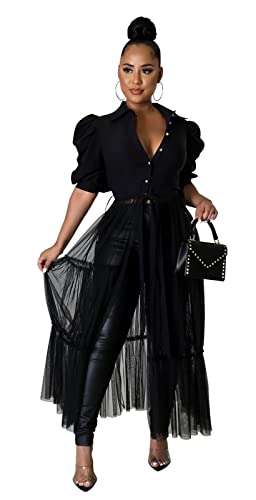


SYYS Womens Empire Waist Pleated Chiffon Bridesmaid Dresses with Slit Light Blue Ruffled Sleeve Formal Party Evening Dress US Size 4
Original price was: $49.99.$44.99Current price is: $44.99.

Blush Pink Bridesmaid Dresses Long Mermaid Evening Dress for Women Formal Gowns US10
Original price was: $69.99.$59.99Current price is: $59.99.


BOLENSYE Short Teal Wrap Bridesmaid Dress for Women A Line Prom Formal Evening Dresses US16
Original price was: $69.99.$64.99Current price is: $64.99.


BOLENSYE Bridesmaid Dresses for Wedding Emerald Green Chiffon Ruched A Line Formal Gown with Pockets Wrap Slit Evening Dress US0
Original price was: $49.99.$44.99Current price is: $44.99.

Frequently Asked Questions About Formal Wear for Women
What is included in formal wear for women?
It includes formal dresses, gowns, jumpsuits, pant suits, coordinated sets, jackets, and complete evening outfits.
What should women wear to a formal event?
Choose a gown, elevated dress, formal jumpsuit, or tailored suit that matches the invitation, venue, and wearer role.
Can women wear pants to formal events?
Yes. A formal jumpsuit or pant suit can work when its fabric, tailoring, coverage, and styling are sufficiently elevated.
What is the difference between a formal dress and gown?
A gown is generally long and more ceremonial, while formal dresses can also include refined midi and cocktail lengths.
Which colors are appropriate?
Black, navy, jewel tones, metallics, florals, pastels, and other event-appropriate colors can work.
How should women’s formal wear fit?
It should remain secure through the bodice and waist while permitting sitting, walking, reaching, and the complete event schedule.
What should I wear over formal clothing?
Choose a wrap, bolero, cape, jacket, or coat that fits over the garment without crushing sleeves, velvet, bows, or embellishment.
How early should I shop?
Allow time for delivery, exchange, alterations, pressing, and a complete outfit rehearsal.
What should I verify before ordering?
Check seller, exact measurements, size system, fabric, lining, support, included pieces, delivery, returns, and care.
Understanding Formal Wear for Women
Formal wear for women brings several garment families together around women’s sizing, support, event roles, and complete outfit planning. Retail category labels are not regulated dress-code definitions, so one item may be filed under formal, evening, cocktail, wedding guest, or party wear at the same time. Reliable evaluation starts with silhouette, fabric, lining, internal support, finish, and the actual schedule of the event rather than the marketing adjective alone.
Unlike the generic formal-wear page, this category focuses on women’s proportions, undergarment compatibility, role-specific etiquette, and alternatives to dresses. The distinction matters because nearby pages may display overlapping products while answering different shopping questions. Treat the category title as a route into the catalog, then confirm whether each product actually serves the wearer, role, venue, and required formality.
Matching the Dress Code
Women may need formal wear for black-tie weddings, galas, military balls, awards, formal dinners, religious ceremonies, office celebrations, cruises, and family events. Formal, black-tie optional, black tie, cocktail, festive formal, garden formal, and dressy casual are different instructions. Time of day, venue scale, host expectations, ceremony customs, workplace context, and the wearer’s role can raise or lower the appropriate length, exposure, embellishment, and tailoring.
When comparing formal wear for women, read the invitation and event website before sorting by style. A floor-length hem does not automatically make a casual fabric formal, and sequins do not guarantee that a short club-oriented dress fits a ceremonial setting. When wording remains unclear, a secure, well-lined garment with polished construction is safer than relying on color or drama alone.
Silhouette and Proportion
Columns, A-lines, fit-and-flare dresses, ball gowns, wrap midis, wide-leg jumpsuits, tuxedo suits, and layered sets create different balances of structure and movement. Product photographs usually show one controlled standing angle, while proportion changes during sitting and movement. Waist placement, torso length, shoulder balance, bust shaping, hip ease, rise, leg or skirt volume, and the relationship between the upper and lower sections determine whether the design remains intentional.
For formal wear for women, select the size and silhouette from the least flexible structural area. A flowing skirt, wide leg, draped overlay, or open jacket cannot correct a shallow bodice, short rise, narrow sleeve, unstable neckline, or waistband that cuts across the wrong point. Choose a starting fit that needs refinement rather than reconstruction.
Fabric, Lining, and Construction
Women’s formalwear commonly uses satin, crepe, chiffon, velvet, lace, sequins, mikado, jersey, brocade, and embellished mesh. Fabric names cover a wide range of quality and behavior. Satin may be fluid or stiff, crepe may skim or cling, chiffon may conceal a restrictive lining, velvet can become warm and marked by pressure, and beaded or sequined surfaces can add significant weight and abrasion.
Inspect formal wear for women for fiber content, stretch, lining length, layer count, opacity, seam finish, zipper tension, wrinkle recovery, and care instructions. Customer images can reveal shine, static, pulling, and color changes under flash, but only when they match the exact seller and variation. The lining often controls the real fit and should never be treated as an afterthought.
Length and Hem Decisions
Length decisions include dress hems, trains, trouser inseams, jacket sleeves, and overlays, all fitted with the final shoes. Retail descriptions such as mini, midi, tea length, ankle length, maxi, long, and floor length are approximate. The finished position changes with wearer height, torso proportion, rise, shoes, skirt structure, and whether the garment includes a train or asymmetrical hem.
With formal wear for women, use shoulder-to-hem, waist-to-hem, front and back length, or inseam measurements when available. Test stairs, curbs, grass, dance floors, vehicle entry, and seated coverage in the final shoes. Lace borders, horsehair braid, pleats, sequins, multiple layers, and uneven hems make shortening more complex and expensive.
Necklines, Sleeves, and Coverage
Coverage preferences can be met through sleeves, jackets, capes, higher necklines, and lined panels, but the solution should remain polished and comfortable. Neckline and sleeve coverage should be checked while bending, reaching, hugging, sitting, and raising both arms. Illusion mesh, cutouts, high slits, open backs, wrap fronts, and off-shoulder bands may shift more than a front-facing catalog image suggests.
During a fitting for formal wear for women, wear the intended support layer and inspect side coverage, armholes, back depth, strap placement, upper-arm room, cuff width, and how outerwear affects the bodice. Fashion tape can provide minor control, but it should not be the only thing preventing a neckline, wrap panel, or strapless bodice from moving.
Color, Print, and Event Etiquette
Black, navy, burgundy, emerald, blue, red, metallics, blush, florals, and other controlled colors can work depending on role and event. Color names vary by seller and can shift with undertone, fabric finish, dye lot, lining, daylight, warm indoor light, and camera flash. Metallics, sequins, satin, velvet pile, and printed surfaces may look substantially different from the main styled photograph.
When formal wear for women are considered for weddings, avoid white, ivory, cream, and bridal-looking pale shades unless the couple approves them. For professional, religious, military, or family ceremonies, consider group photography and local customs. Photograph the received garment in daylight and flash before removing tags when color is central to the decision.
Measurements and Seller-Specific Sizing
Women’s fit varies by misses, women’s, juniors, petite, tall, maternity, and plus-size systems, requiring exact measurements rather than a usual number. Do not convert automatically from a familiar brand size. Misses, women’s, juniors, petite, tall, and international charts may use different bust depth, shoulder width, waist placement, hip ease, rise, sleeve length, and overall proportion even when the printed number appears familiar.
Before sizing formal wear for women, measure over the intended base layers and record the fullest bust, underbust where relevant, natural waist, full hip, shoulder width, upper arm, torso or rise, and required length. Choose from the least flexible area, then judge whether the remaining differences are realistically alterable within the return window.
Support, Undergarments, and Transparency
Support planning should begin before purchase for strapless, low-back, wrap, plunge, off-shoulder, and sheer-panel designs. Built-in cups, boning, grip tape, compression fabric, or a lined bodice can help, but none guarantees the support shown on a styled model. Low backs, cutouts, sheer panels, strapless necklines, plunging fronts, and wrap designs can limit conventional bra options.
Plan the base layer before committing to formal wear for women. Use smooth, skin-tone undergarments matched to the wearer, check seams and shapewear edges in daylight and flash, and sit long enough to identify rolling or pressure. Return a design that requires an unstable workaround for an all-evening event.
Shoes, Bags, Jewelry, and Outerwear
A complete women’s formal outfit coordinates shoes, bag, jewelry, outerwear, hosiery where desired, and the garment’s existing hardware or embellishment. Accessories should reinforce an appropriate garment rather than rescue an unsuitable one. Shoes affect hem clearance and posture, bags can snag lace or sequins, outerwear can crush velvet or sculpted details, and several unrelated metallic finishes can make the outfit look fragmented.
Style formal wear for women around one visual lead, such as a strong neckline, tailored jacket, saturated color, dramatic hem, or embellished surface. Repeat one controlled finish through jewelry and hardware, and test the outfit with the actual shoes, bag, wrap, and coat before the event rather than assembling it from separate product images.
Season, Venue, and Weather
The choice between gown, midi, jumpsuit, or suit should reflect venue, weather, walking surfaces, seating, and the wearer’s role. The same garment behaves differently in a ballroom, restaurant, church, garden, beach venue, theater, office, or private home. Heat, air conditioning, wind, grass, gravel, wet pavement, narrow aisles, seating density, and coat-check logistics all affect fabric, hem, footwear, and coverage choices.
For formal wear for women, plan both arrival and indoor wear. Breathable lining, stable straps, manageable volume, suitable soles, and outerwear that fits over the garment matter as much as appearance. Temperature and movement are better guides to fabric weight than seasonal color conventions alone.
Movement, Seating, and All-Evening Comfort
Women’s formal schedules may include receiving lines, photographs, meals, stairs, dancing, presentations, and long periods of standing. A successful formal item should remain controlled through walking, stairs, seated dining, greeting, photographs, dancing, and restroom use. Product imagery rarely shows the garment after an hour of sitting or during a full stride, when riding, twisting, gaping, pooling, and zipper strain become obvious.
Complete a realistic home test of formal wear for women before removing tags. Sit for ten minutes, walk in the final shoes, reach forward, raise both arms, and practice managing the hem, jacket, overlay, wrap tie, or train. Comfort should come from correct construction and measurements, not repeated adjustment.
Plus-Size, Petite, and Tall Considerations
The category should serve different ages, body proportions, mobility needs, support requirements, and personal style without assuming one flattering formula. Plus-size, petite, and tall labels do not prove proportional grading. Review bust depth, cup placement, shoulder width, armhole shape, rise, waist position, sleeve length, inseam, and overall garment length for the selected size range.
When evaluating formal wear for women, prioritize reviews from shoppers with comparable measurements rather than only the same stated size. Petite fit may require a shorter torso or rise, not merely a shorter hem; tall fit needs adequate bodice, sleeve, and leg length; plus-size fit must preserve support and seam placement rather than simply add circumference.
Alterations and Tailoring Risk
Start with correct shoulders, bust, torso, arms, rise, and waist placement, then use tailoring for manageable refinement. Straight hems, strap shortening, sleeve shortening, and modest side-seam changes are usually more predictable than bust reconstruction, shoulder reshaping, rise changes, sleeve enlargement, corset work, beaded seams, lace borders, pleats, trains, or multilayer hems.
For alterations to formal wear for women, request a tailor estimate while the item remains returnable. Bring final shoes and undergarments to each fitting and keep detachable parts with the garment. Return an option that misses several critical measurements instead of budgeting for uncertain reconstruction because the listing price was attractive.
Budget and Total Purchase Cost
Repeat wear, existing accessories, garment care, and alteration cost should be considered alongside the ticket price. Compare total event cost rather than the displayed product price. Shipping, tax, return fees, tailoring, pressing, cleaning, special undergarments, shoes, jewelry, outerwear, and a backup option can materially change the real budget.
Sales and clearance on formal wear for women can provide value when size, seller, delivery date, and return terms remain workable. A slightly more expensive garment that fits the structured areas and coordinates with existing accessories may cost less than a bargain purchase requiring several new items or specialist alterations.
Seller, Delivery, and Return Verification
Women’s formalwear listings can mix sellers and size systems, so the exact product page must remain the source of truth. Category pages can combine several brands or marketplace sellers, and the visible image may not describe every color, size, or included piece. Confirm the final destination domain, seller name, brand field, selected variation, current price, material, measurements, stock status, delivery estimate, and whether reviews apply to that exact product.
Order formal wear for women with enough time for inspection, exchange, pressing, and alterations. Save the size chart and checkout terms, keep packaging and tags, and test the garment immediately after arrival. A delivery estimate that leaves no recovery window before the event creates avoidable risk.
Choosing Dresses, Gowns, Jumpsuits, or Suits
Dresses cover the broadest range from refined cocktail to formal. Gowns are usually long and strongest for black-tie or ceremonial evenings. Jumpsuits provide a modern one-piece trouser silhouette, while pant suits and coordinated sets allow separate sizing, layering, and repeat wear.
Start with the invitation and wearer role, then consider support, movement, venue, weather, and alteration tolerance. The most traditional option is not always the most suitable, but any alternative must still look deliberately formal rather than like ordinary workwear or casual clothing.
Formal Wear for Wedding Guests, Mothers, and Hosts
Wedding guests should avoid bridal white and deliberate bridal-party matching unless approved. Mothers and close family members should coordinate color and ceremonial formality with the couple. Hosts may need an outfit that photographs well, remains comfortable through greetings and speeches, and works for a longer schedule than most guests experience.
A jacketed set or sleeved gown may support ceremony coverage, while a jumpsuit or pant suit can simplify movement. Confirm whether the outer layer will remain on in photographs and whether the outfit still looks complete without it. Role-specific practicality is part of formal style, not a compromise.
Final Women’s Formal Wear Checklist
Before purchasing formal wear for women, confirm the event, wearer role, exact measurements, fabric, lining, closure, coverage, length, color, seller, delivery window, return terms, care, and realistic alteration needs. Remove any product that fails a critical requirement before comparing decorative details or sale prices.
After delivery of formal wear for women, Photograph the complete outfit from front, side, and back in daylight and flash, then sit, walk, use stairs, reach, and test the intended shoes and layers. Keep the women’s formalwear option only when it remains secure, proportionate, comfortable, event-appropriate, and manageable without repeated adjustment or emergency fixes.