
Formal Christmas Dresses for Women
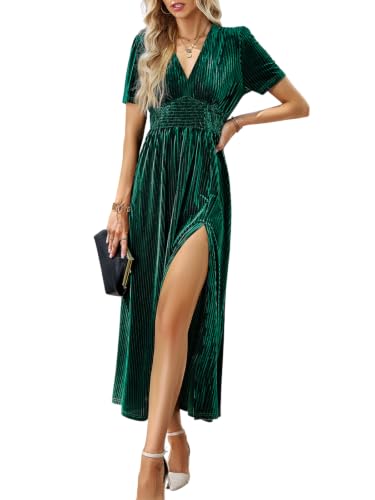
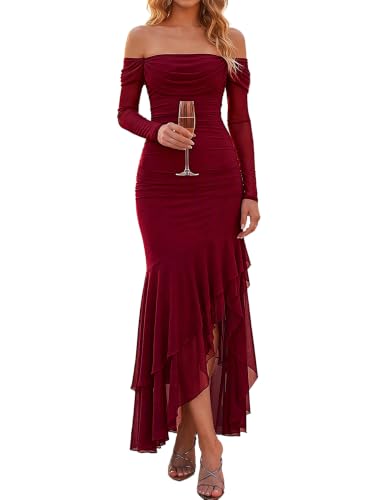
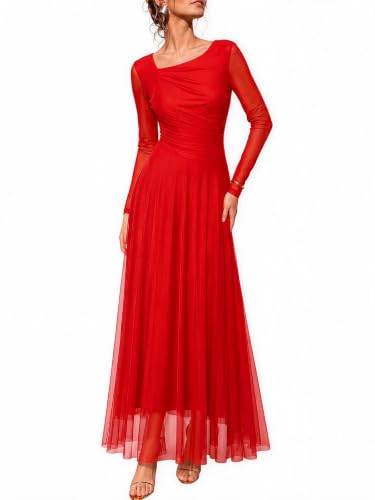
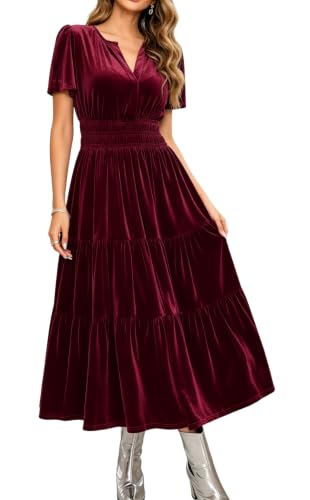
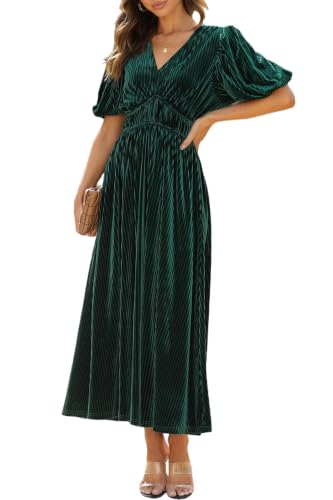
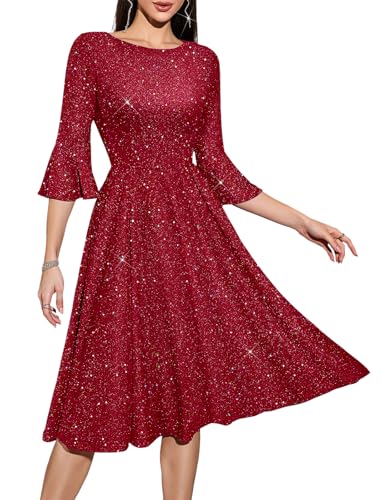
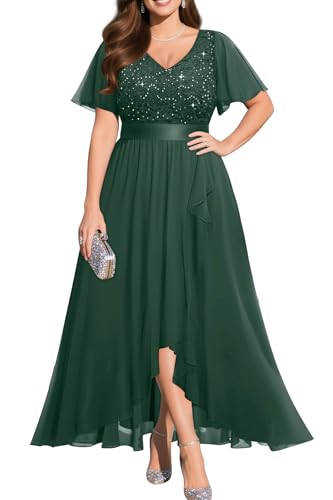
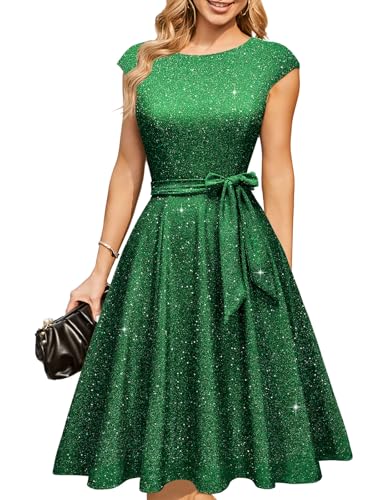
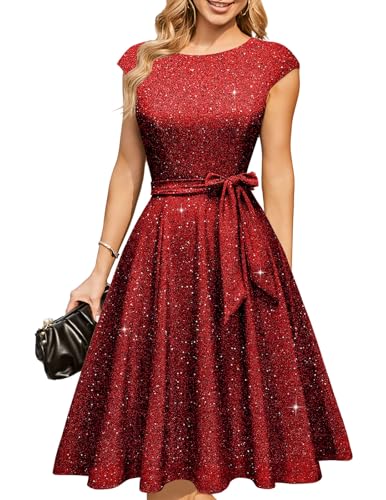
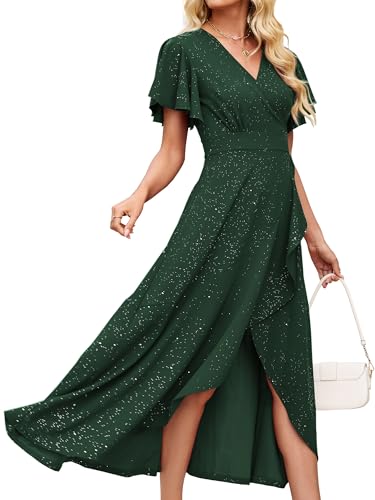
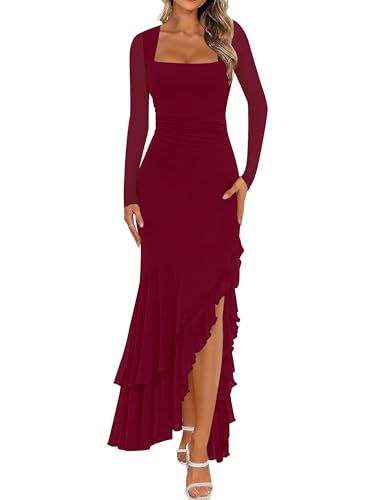
formal Christmas dresses for women include holiday gowns, cocktail dresses, midis, maxis, and evening styles for Christmas galas, office parties, church events, formal dinners, winter weddings, family celebrations, and New Year gatherings. The product grid below may include velvet, sequins, satin, lace, metallic fabrics, red, green, burgundy, black, gold, sleeves, and plus-size options.Christmas formality varies from a corporate dinner to a black-tie charity gala. Festive color or sequins do not automatically make a dress appropriate for the venue. Match the invitation, workplace rules, ceremony setting, season, and indoor temperature; then verify measurements, lining, closure, care, delivery deadlines, and return terms on the final retailer page.Related shopping paths include formal dresses, burgundy formal dresses, sequin formal dresses, and winter formal dresses. These pages separate holiday, color, embellishment, and seasonal intent.









Frequently Asked Questions About Formal Christmas Dresses for Women
What should I wear to a formal Christmas party?
Choose a dress that matches the venue and dress code, such as a velvet midi, satin gown, sequin cocktail dress, or refined long-sleeve style.
Which colors work for formal Christmas dresses?
Red, burgundy, emerald, forest green, black, navy, gold, silver, and other jewel tones are common, but any event-appropriate color can work.
Can I wear black to a Christmas party?
Yes. Black is versatile and can be made festive with metallic, crystal, velvet, satin, or sequin details.
Are sequins appropriate for an office Christmas party?
They can be when the silhouette, coverage, and sparkle level remain professional for the workplace and venue.
Is velvet too warm indoors?
It can be. Check lining, sleeve length, garment weight, and the venue’s heating before choosing heavy velvet.
Can I wear a short dress to a formal Christmas event?
A polished cocktail dress may work for semi-formal or office events, while black-tie galas generally call for a longer gown.
What should I wear over a formal Christmas dress?
Choose a coat, wrap, cape, or jacket that fits over sleeves and embellishment without crushing the dress.
How early should I order?
Order early enough for seasonal shipping delays, inspection, exchange, alterations, steaming, and final outfit testing.
What should I verify before ordering?
Check the seller, size chart, fabric, lining, sleeve fit, length, care, delivery deadline, return policy, and event dress code.
Choosing a Dress for the Christmas Event
A Christmas office party, church program, family dinner, winter wedding, and black-tie gala require different levels of coverage and formality. Start with the host, venue, time, and activity schedule before selecting color or sparkle.
A festive cocktail midi may suit a company dinner, while a charity gala can require a floor-length gown. The correct category depends on the event, not the month alone.
Red Christmas Formal Dresses
True red, cranberry, ruby, wine, and burgundy are traditional holiday choices with different levels of brightness. Satin and sequins intensify red, while velvet and crepe create a deeper appearance.
Check venue lighting and group photography. A bright red mini may read party-focused, while a long burgundy or ruby gown can suit a formal dinner or winter wedding.
Green and Jewel-Tone Dresses
Emerald, forest, bottle green, teal, and dark jade create a seasonal effect without using obvious holiday motifs. Jewel tones can work for office events, weddings, galas, and repeat formal use.
Compare undertone, fabric reflection, and existing accessories. Green velvet appears darker than green satin, and sequins can shift toward blue or gold under flash.
Black, Gold, and Silver Holiday Dresses
Black provides a versatile base for metallic shoes, beadwork, or a festive bag. Gold and silver increase visual impact but require careful lighting, lining, and accessory coordination.
Choose one dominant metallic family and avoid mixing unrelated yellow gold, rose gold, and silver details. For workplace events, control neckline, slit, and sparkle level.
Velvet Christmas Dresses
Velvet suits cold-weather events because it creates depth, structure, and seasonal texture. Stretch velvet can improve movement, but the lining, sleeves, and garment weight still determine comfort.
Check pile direction, pressure marks from sitting, indoor heat, and whether outerwear crushes the surface. Steam only according to the care label.
Sequin and Glitter Formal Dresses
Sequins and glitter mesh are common for holiday parties and New Year events. They reflect strongly under flash and can add weight, scratch underarms, or catch on coats and bags.
Inspect backing fabric, lining, bead security, and specialist alteration needs. A fully sequined dress should be tried while seated and with the intended outer layer.
Satin, Crepe, and Lace
Satin creates holiday shine, crepe offers a quieter polished surface, and lace adds texture and coverage. These fabrics work across cocktail, formal dinner, and gala lengths.
Review wrinkles, transparency, stretch, and lining. Lace sleeves and scalloped hems may restrict alterations, while satin exposes zipper and waist tension.
Long Sleeves and Winter Coverage
Long sleeves, three-quarter sleeves, cape overlays, and jackets can suit winter ceremonies and colder venues. Sleeve fit depends on shoulder width, upper arms, armhole depth, and lining flexibility.
Test the dress under a coat and indoors. A heavy sleeve that feels useful outside may become uncomfortable during dinner or dancing.
Short and Cocktail Christmas Dresses
Knee-length and short cocktail dresses can work for office parties, restaurant dinners, and semi-formal celebrations. Fabric and construction should remain polished rather than club-oriented when the event includes colleagues or family.
Check seated hem, slit position, neckline, and movement. Tights, closed-toe shoes, or a tailored layer can add warmth without fixing an inappropriate base dress.
Midi and Tea-Length Holiday Dresses
Midi and tea-length dresses offer coverage and movement for church events, formal lunches, winter weddings, and office celebrations. Pleated satin, lace, velvet, and fit-and-flare shapes are common.
Use actual garment length because the same midi can fall below the knee or near the ankle depending on height. Coordinate the hem with boots, pumps, or evening shoes.
Floor-Length Christmas Gowns
Long gowns suit holiday galas, black-tie dinners, military events, and formal winter weddings. Velvet, satin, sequins, crepe, and chiffon can all work when the construction is secure and lined.
Select final shoes before hemming and check trains on wet or salted winter surfaces. Plan a garment bag and indoor storage area away from coats and food.
Office Holiday Party Boundaries
Corporate events usually require professional coverage even when the atmosphere is festive. A refined midi, sheath, wrap, or modest sequin dress can provide holiday character without creating workplace discomfort.
Check neckline, back exposure, slit height, transparency, and seated length. Consider whether the outfit remains appropriate in photographs shared internally or publicly.
Church and Family Formal Events
Church programs and formal family dinners may prioritize modest coverage, easy sitting, and restrained shine. Sleeves, higher necklines, tea lengths, and elegant jackets can support these settings.
Respect the host’s customs and avoid assuming every Christmas event is a nightlife occasion. The dress should permit standing, greeting, eating, and movement without repeated adjustment.
Winter Weddings and Guest Etiquette
Christmas-season weddings can support velvet, jewel tones, metallic accents, and sleeves, but wedding color etiquette still applies. Avoid white, ivory, bridal champagne, and deliberate matching with the bridal party.
Follow the invitation before adding holiday themes. A sophisticated winter guest dress is more appropriate than novelty prints or costume-like decoration unless the couple requests them.
Outerwear, Shoes, and Weather
Coats, wraps, closed-toe shoes, boots, and weather-safe soles must work with the formal outfit. Bulky outerwear can crush bows, velvet, sequins, and structured sleeves.
Plan the transition from outdoor weather to indoor heat. Carry dress shoes when winter conditions make the final footwear unsafe for travel.
Matching the Dress to the Holiday Event
Formal Christmas dresses cover several distinct occasions. A corporate dinner may require professional coverage, a church program may call for modest movement-friendly styling, a family celebration may prioritize comfort, and a charity gala may require a floor-length gown. Winter weddings follow the couple’s dress code rather than general holiday fashion, while New Year events can support stronger shine and nightlife details.
Start with the venue, host, start time, and activity schedule. Then choose fabric, length, sleeves, and embellishment. A velvet midi can be ideal for a restaurant party but insufficient for strict black tie, while a sequined gown may overwhelm an afternoon family meal. The correct dress should fit the real event, not simply look festive in a product image.
Holiday Colors Beyond Red and Green
Red, burgundy, emerald, and forest green remain common, but they are not required. Navy, black, plum, chocolate, winter white where appropriate, bronze, silver, gold, teal, and deep blue can create a seasonal formal outfit. Jewel tones often photograph well and can be reused after the holidays more easily than novelty prints or costume-like color combinations.
Evaluate undertone and fabric reflection. Emerald satin can appear brighter than green velvet, burgundy sequins may shift toward red under flash, and silver mesh can read blue in cool lighting. Coordinate accessories with visible hardware and beadwork. Shoppers focused on deep red can compare burgundy formal dresses, while those seeking maximum sparkle can review sequin formal dresses.
Combining Velvet, Satin, Lace, and Metallic Texture
Holiday dressing often uses rich surfaces, but several heavy textures can compete. Let one material lead. A velvet dress may need a simple metallic shoe, while a clean satin gown can support a beaded bag or crystal earring. Lace sleeves already add detail around the upper body, and all-over sequins usually require quieter accessories.
Check how fabrics interact with outerwear. Coat linings can catch sequins, crush velvet pile, or flatten bows and rosettes. Try the full outfit before the event and sit while wearing the layer. Remove or adjust any accessory that snags the dress, creates pressure, or makes the neckline unstable.
Office Party and Professional Boundaries
Workplace celebrations remain professional environments even when the dress code becomes festive. Review neckline depth, back exposure, slit height, transparency, seated hem, and how the outfit will appear in photographs with colleagues. A refined wrap, sheath, midi, long-sleeve crepe dress, or controlled sequin style can create holiday character without requiring nightclub construction.
Consider the full schedule. Some office parties begin with presentations, awards, or client interaction before dinner or dancing. The dress should allow sitting, reaching, greeting, and moving without repeated adjustment. A blazer or jacket can add formality, but it should not be used to hide an unsuitable base dress.
Church, Family, and Community Celebrations
Religious and family events may involve standing, singing, greeting, serving food, photographs, and long periods of sitting. Stable necklines, practical sleeves, manageable skirts, and comfortable shoes can matter more than dramatic embellishment. Respect the host’s customs and choose coverage that remains secure through movement.
Festive does not need to mean novelty. Rich color, velvet, satin, lace, metallic accessories, or a controlled print can create a clear holiday effect. Avoid scratchy sequins at the underarms, unstable wrap fronts, or trains that interfere with crowded spaces. Test the complete outfit for the actual activities planned.
Winter Travel, Weather, and Footwear
Rain, snow, salted sidewalks, wet floors, and cold vehicles can damage long hems and create unsafe footwear conditions. Plan travel shoes or boots, then change into formal shoes indoors when necessary. Use a garment bag to protect the dress from coats, umbrellas, food, and vehicle surfaces.
Outerwear should fit over sleeves and embellishment without pulling the shoulders or crushing the fabric. A wrap may work for a short transition, while a proper coat is more practical for extended outdoor exposure. Check whether the venue has a coatroom and where the dress can hang before the event begins.
Petite, Tall, and Plus-Size Holiday Fit
Seasonal styling does not replace accurate measurements. Petite shoppers should review torso length, sleeve length, and whether a midi becomes ankle length. Tall shoppers need enough bodice and skirt length, especially with heels. Plus-size shoppers should compare bust depth, upper arms, shoulder width, waist placement, hips, and lining stretch using the exact seller chart.
Velvet and stretch jersey may feel forgiving, but a rigid lining or narrow sleeve can still control the fit. Sequined and lace designs can be difficult to alter, so prioritize the least-flexible measurement. Complete a seated test in the planned undergarments and outer layer before removing tags.
Photography and Group Color Coordination
Holiday venues often use warm lights, candles, colored décor, and direct flash. Red may become brighter, velvet can lose surface detail, metallics may reflect strongly, and black dresses can blend into dark backgrounds. Photograph the outfit in several lighting conditions so the wearer understands how the color, lining, and fit will appear.
For family portraits, choirs, office teams, or wedding groups, coordinate without requiring exact matches across different fabrics. A range of jewel tones or metallic accents may look more intentional than several near-identical reds that vary by dye lot. Confirm any requested palette before alterations or final-sale purchases.
Repeat Wear After the Holiday Season
A formal Christmas dress can provide better value when it also works for winter weddings, anniversary dinners, galas, theater events, formal birthdays, or New Year celebrations. Solid jewel tones, black, navy, burgundy, and controlled metallics usually transition more easily than obvious novelty prints or themed appliqué.
Change the styling to reduce the holiday emphasis. Replace a glitter bag with a structured clutch, use simpler jewelry, or switch from a festive wrap to a tailored coat. Review care and storage so velvet, sequins, lace, and satin remain usable. Repair loose beads or hems promptly rather than storing damage until the next event.
Seasonal Shipping and Return Planning
Holiday promotions and carrier volume can reduce the time available for exchanges. Order early enough for delivery, inspection, a backup decision, alterations, steaming, and full outfit testing. Review the item-level return policy because sale colors or sizes may be final sale even when the general site accepts returns.
Save the selected seller, size chart, color, delivery estimate, and order terms. Keep packaging and tags while testing every closure, sleeve, hem, and support garment. A discounted dress that arrives late or cannot be returned after a major fit problem is not a reliable holiday purchase.
Ordering Deadlines and Final Checklist
Holiday shipping pressure, promotions, and carrier delays make early ordering important. Leave time for inspection, exchange, steaming, tailoring, and a complete outfit rehearsal.
Verify dress code, measurements, fabric, lining, sleeves, length, outerwear, shoes, seller, delivery, and returns. Keep tags until the dress works for the real event schedule and temperature.