
Emerald Green Formal Dresses
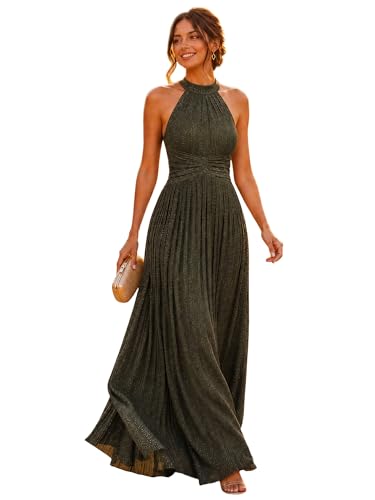
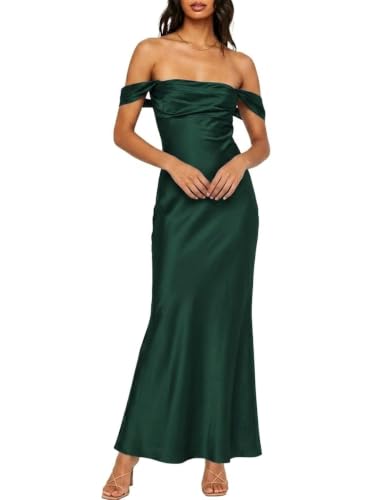
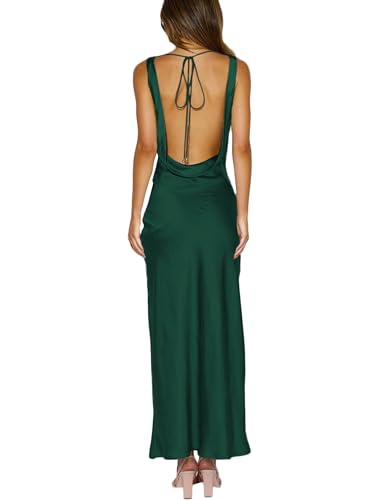
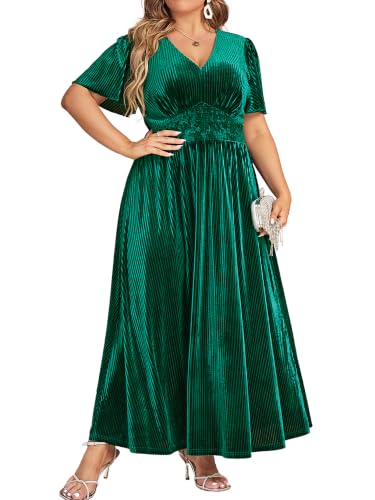
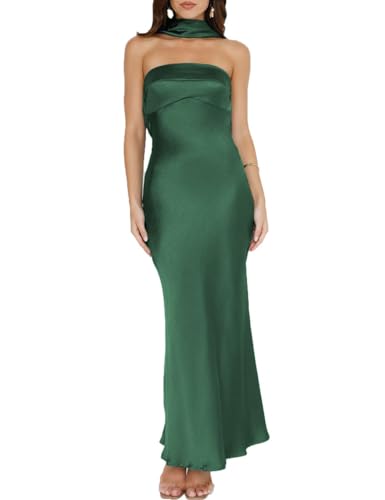
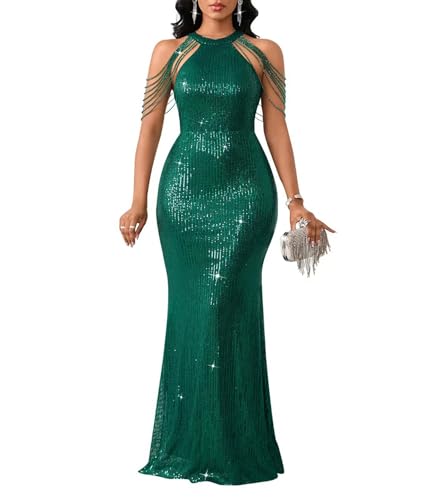
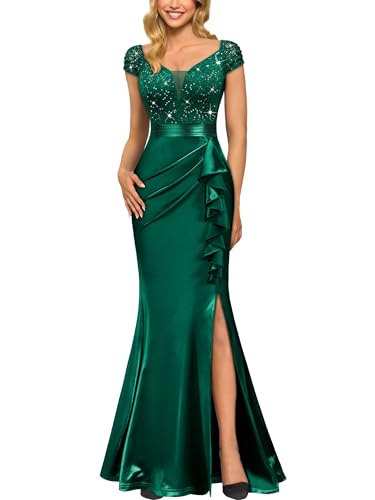
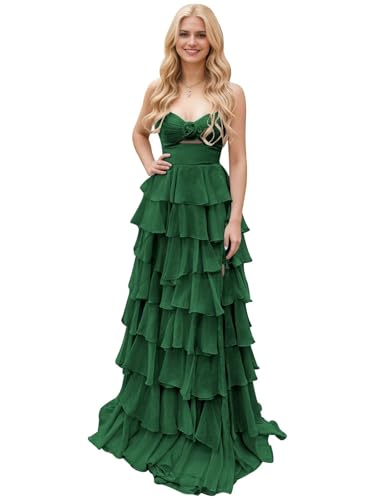
Emerald green is a deep blue-green jewel tone, and it is one of the few saturated colors that flatters an unusually wide range of skin tones, which is why it recurs season after season in formal wear rather than cycling in and out of fashion.This collection leans evening: around half the listings are described as evening styles and just over four in ten as gowns. Chiffon is the most common fabric at roughly a third, followed by satin at about one in five. Just under four in ten have a slit, which is a high proportion, and around one in six is plus size.Roughly three in ten listings are prom styles, so filtering is needed if you are shopping for a wedding. For other jewel tones, see royal blue formal dresses.










Emerald Green Formal Dresses: Frequently Asked Questions
What is the difference between emerald, hunter and forest green?
Emerald is a deep saturated green with a clear blue bias and reads as a jewel tone. Hunter and forest are darker and lean yellow, reading closer to a neutral. Sage and eucalyptus are pale and muted, belonging to bridesmaid palettes rather than evening wear.
Does emerald green suit most skin tones?
Yes, unusually so for a color this saturated. It sits close enough to the middle of the blue-green range to work with both warm and cool undertones, and provides contrast against most hair colors without competing.
Is emerald green suitable for the mother of the bride?
It is a strong choice, being formal without being black or pastel and photographing well beside white gowns. This particular collection skews young, though, with around three in ten listings being prom styles, so filter for sleeves, a defined waist and an appropriate slit height.
Why do so many of these have slits?
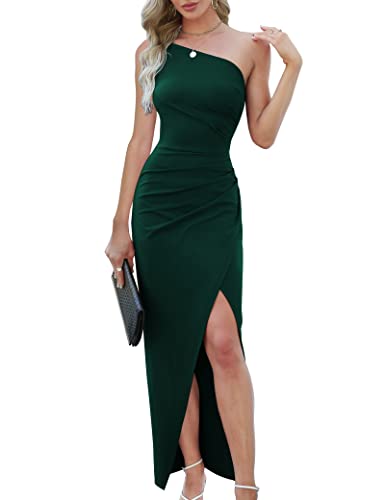
Just under four in ten do. On a dark saturated color, a slit introduces movement and breaks up a large area of single color. Without one, a floor-length emerald gown can read as a solid block in photographs.
Chiffon or satin?
Chiffon diffuses the saturation slightly and reads lighter, suiting outdoor and daytime events. Satin gives the most intense result with strong highlights along folds and holds color better under warm indoor lighting.
Will the color change under venue lighting?
Strong yellow indoor lighting can pull emerald toward olive. If the venue uses warm tungsten lighting, satin will hold the color better than chiffon, which shifts more.
Gold or silver jewelry with emerald?
Both work. Gold warms the color and is the natural pairing; silver is cooler and sharper and suits the bluer emeralds. The choice depends on which direction the specific dye leans.
Which shoe color works best?
Metallic or nude, which extends the leg line without adding a third color. Black shoes with an emerald gown create a hard stop at the ankle that rarely helps.
Are plus sizes available?
Around one listing in six, which is reasonable coverage. Petite listings are rare, so expect to hem if you are under about 5'4", and check the hem finish first since beaded or lace edges are expensive to shorten.
Emerald, Hunter, Forest and Sage
Green formal wear covers a wide range, and the names are used inconsistently.
Emerald is a deep, saturated green with a clear blue bias. It is the brightest of the dark greens and the one that reads as a jewel tone.
Hunter and forest are darker and lean yellow rather than blue, which makes them read closer to a neutral. They are less striking and easier to wear repeatedly.
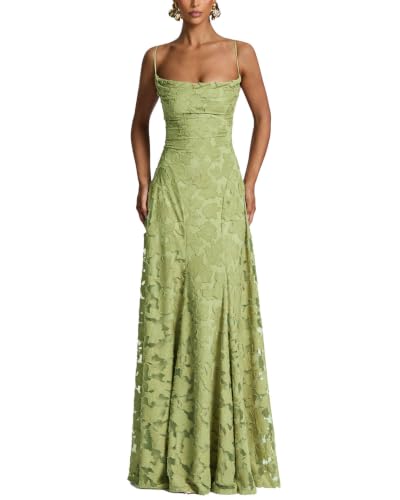
Sage and eucalyptus are pale and muted, sitting at the opposite end. These belong to bridesmaid palettes rather than formal evening wear.
Teal pushes further toward blue and crosses into the turquoise family.
If a listing says only "green", the customer photographs will tell you which of these you are getting. Emerald is the shade most often mislabeled, because sellers know it is the most searched.
Why Emerald Suits So Many People
Most saturated colors favor either warm or cool undertones. Emerald sits close enough to the middle of the blue-green range that it works with both, which is unusual for a color this intense.
It also provides high contrast against most hair colors without competing with them, which is why it photographs consistently well across a group rather than suiting one person and washing out another.
Where it is less reliable is under strong yellow indoor lighting, which can pull it toward olive. If the reception venue uses warm tungsten lighting, a satin emerald will hold its color better than chiffon, which diffuses and shifts more.
Wearing Emerald as Mother of the Bride or Groom
Emerald is a strong choice for this role because it is formal without being either black or a pastel, and it photographs well beside both white gowns and most bridesmaid palettes.
The practical caution is that this particular collection skews young: roughly three in ten listings are prom styles, and very few are described in mother-of-the-bride terms. That means filtering. Look for sleeves, which appear in around a quarter of listings, a defined rather than fitted waist, and a slit height appropriate to the occasion.
For a collection built around this role from the start, mother of the bride dresses can be filtered by color and carries far more suitable cuts.
The Slit
Just under four in ten listings here have a slit, which is among the highest proportions of any color collection on the site and is worth checking against your occasion.
On a dark saturated color like emerald, a slit serves a visual purpose beyond exposure: it introduces movement and a line that breaks up a large area of single color. Without it, a floor-length emerald gown can read as a solid block in photographs.
Slit height varies widely between listings that look similar in thumbnails. If a lower slit is what you want, look for a measurement from the hem rather than judging from the model, whose height changes where it appears to sit.
Fabric
Chiffon accounts for around a third of this collection and produces the softest version of the color. It moves well and suits outdoor and daytime events, but diffuses the saturation slightly, so emerald chiffon reads lighter than emerald satin of the same dye.
Satin, at roughly one listing in five, gives the most intense result and creates strong highlights along folds, which suits evening receptions and holds color better under warm lighting.
Sequin fabric appears in about one in eight listings, and lace in around one in seven. Emerald lace over a matching lining produces depth without the shine of satin, which is a useful middle option for anyone who finds satin too reflective.
Silhouettes
Mermaid cuts appear in roughly one listing in six and A-line in about one in seven. Ball gowns are a smaller group at around one in twelve.
Just over half the collection is floor length. Necklines skew open: V-necks lead, with off-shoulder and single-strap cuts close behind, and few high or covered necklines in the mix.
For a color this saturated, simpler silhouettes generally work better than heavily detailed ones. The color is already doing the work, and additional ruching, tiering or applique competes with it rather than adding to it.
What to Wear With Emerald
Gold is the natural metal pairing and warms the color. Silver is cooler and sharper and suits the bluer emeralds. Both work; the choice depends on which direction the specific dye leans.
For shoes, metallic or nude extends the leg line without introducing a third color. Black shoes with an emerald gown create a hard stop at the ankle that rarely helps.
Emerald sits well beside navy, blush, champagne and ivory in a group. It competes with royal blue and with red, both of which are saturated at similar intensity.
Sizing
Around one listing in six here is plus size, which is reasonable coverage. Petite listings are rare, so if you are under about 5'4" expect to hem, and check the hem finish first, since a beaded or lace-edged hem is expensive to shorten.
For mermaid styles, record your thigh measurement as well as bust, waist and hip. Our US size chart covers conversions.
Related Collections
For darker greens, see dark green formal dresses. For other jewel tones at the same formality, browse royal blue formal dresses or red formal gowns.