
Champagne Formal Dresses for Women
champagne formal dresses for women include pale gold, beige-gold, blush-neutral, and softly metallic styles for weddings, galas, proms, formal dinners, holiday events, and mother-of-the-bride or groom attire. The product grid below contains 55 current category products and may include satin columns, chiffon A-lines, lace gowns, sequined dresses, tulle skirts, sleeves, jackets, and plus-size options.Champagne can photograph close to ivory, cream, nude, blush, or light gold depending on undertone, fabric, and lighting. That makes wedding etiquette and color verification especially important. Review the selected variation, real customer images, fabric, lining, measurements, delivery timing, return eligibility, and included accessories on the final retailer page.Related shopping paths include formal dresses, blush formal dresses, gold formal dresses, and wedding guest dresses. These categories separate pale neutral, metallic, romantic, and wedding-specific shopping intent.


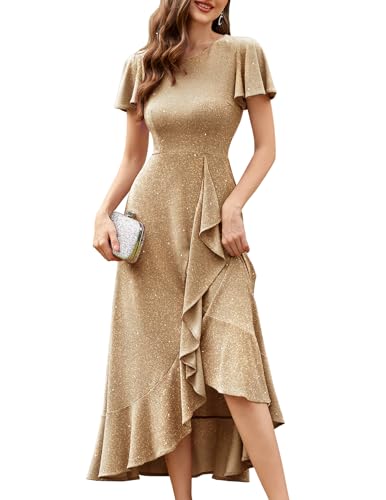




Youjiayi Off Shoulder Champagne DAMA Dresses Princess 3D Butterfly Short Homecoming Dress for Teens Sweetheart Prom Dress for Quinceanera Size 4
Original price was: $59.99.$48.99Current price is: $48.99.


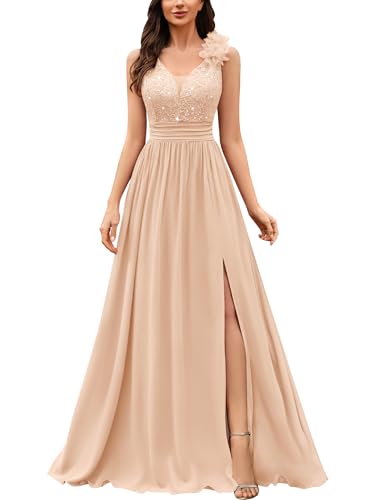
CRIEBDK Chiffon Bridesmaid Dresses A Line Cape Sleeve Prom Dress V Neck Formal Evening Gown Champagne 12
Original price was: $69.99.$59.99Current price is: $59.99.Frequently Asked Questions About Champagne Formal Dresses for Women
Is champagne appropriate for a wedding guest?
Sometimes. Choose a shade that is clearly darker or more metallic than ivory, and avoid bridal-looking lace, tulle, trains, or corset styling unless the couple approves.
Is champagne the same as ivory?
No, but marketplace shades can overlap. Champagne usually has more beige, blush, or gold undertone, while ivory is lighter and creamier.
What colors are similar to champagne?
Beige, nude, blush, taupe, pale gold, sand, and light bronze can overlap with champagne depending on the fabric and lighting.
Can champagne be worn to black tie?
Yes. A formal floor-length satin, crepe, chiffon, or embellished champagne gown can work when it does not look bridal.
Which shoes match champagne dresses?
Gold, nude, bronze, pearl, crystal, soft metallic, and selected black shoes can work. Match the undertone and existing hardware.
Does champagne photograph white?
Very pale champagne can photograph white under flash or bright daylight, particularly in satin, lace, and tulle.
What undergarments work under champagne fabric?
Choose smooth, skin-tone undergarments matched to the wearer. Test them under daylight and flash because pale fabric can reveal contrast.
Can champagne dresses be altered?
Many can, but lace borders, beadwork, tulle layers, corset boning, and bias-cut satin can increase alteration difficulty.
What should I verify before ordering?
Check the exact color variation, seller, measurements, fabric, lining, transparency, closure, delivery timing, returns, and care instructions.
What Color Is Champagne?
Champagne is a light neutral with yellow, beige, blush, or muted gold undertones. Some retailers use the name for nearly ivory satin, while others apply it to deeper metallic beige, so the category name alone cannot predict the received color.
Use swatches, customer photographs, and the exact selected variation to compare undertone. A matte chiffon champagne can look soft beige, while reflective satin or sequins may appear much brighter under flash.
Champagne Versus Ivory, Blush, and Gold
Ivory is usually lighter and more bridal, blush carries a clearer pink cast, and gold has stronger yellow or metallic intensity. Champagne sits between these families but can overlap with all three in marketplace listings.
For weddings, compare the dress with the couple’s stated colors rather than relying on a product title. When the dress looks white, cream, or bridal in photographs, choose a deeper champagne, taupe, blush, or another color.
Wedding Guest Etiquette
Champagne can be risky for wedding guests because pale shades may photograph white beside darker clothing. The risk increases with floor length, lace, tulle, corset construction, trains, or heavy bridal-style beading.
Ask the couple when the color is central to the decision, especially for a formal or destination wedding. A printed, darker, or clearly metallic champagne dress is easier to distinguish from bridal attire than a plain pale gown.
Mother-of-the-Bride and Groom Dresses
Champagne is common for mothers and close family because it coordinates with many wedding palettes without matching one bright color. Lace jackets, cape sleeves, beaded bodices, and chiffon skirts can provide ceremonial polish and coverage.
Confirm the bride’s gown color and the bridal-party palette before ordering. The selected shade should remain visibly distinct in daylight, indoor photography, and group portraits.
Champagne Satin Dresses
Satin intensifies champagne through reflected light and can shift from beige to pale gold as the wearer moves. It also shows wrinkles, water marks, zipper tension, and seam pulling more clearly than matte fabrics.
Inspect the bust, waist, hip, and zipper area in flash photography. Determine whether the fabric is fluid charmeuse, stretch satin, or structured mikado because each requires different ease and alteration planning.
Champagne Chiffon and Georgette
Chiffon and georgette create a softer champagne effect suitable for weddings, formal dinners, and warm-weather events. The lining controls opacity and much of the fit, even when the outer skirt looks loose.
Check lining color, layer count, transparency, and whether pleats remain flat across the bodice. A nude lining can make a pale dress appear more skin-toned, while an ivory lining may make it photograph brighter.
Lace, Tulle, and Appliqué
Lace and tulle can make champagne romantic, but these fabrics also create the strongest bridal association. Floral appliqué, illusion mesh, scalloped hems, and corset bodices should be judged against the wearer’s role at the event.
For non-bridal guests, avoid combinations that resemble a wedding gown. For mothers, bridesmaids, prom, or gala use, verify lining, mesh tone, appliqué placement, and the cost of altering decorated seams.
Sequins, Beading, and Metallic Champagne
Sequins and beads move champagne toward pale gold and can make the dress suitable for galas, evening receptions, holiday events, and black-tie settings. Reflection varies sharply between daylight, warm light, and camera flash.
Check garment weight, underarm abrasion, loose embellishment, and lining coverage. Dense beadwork can make strap changes, side-seam adjustments, and hems costly or impossible.
Black-Tie and Gala Champagne Gowns
A floor-length champagne gown can meet black-tie expectations when the construction is formal, the fabric is substantial, and the fit remains secure. Satin columns, structured A-lines, draped crepe, and embellished gowns can all work.
Avoid relying on color alone. The hem, neckline, internal support, finish, and complete styling should look intentional under evening lighting and during seated portions of the event.
Prom and School Formal Dresses
Champagne prom dresses range from sleek satin gowns to glitter tulle and corset styles. School rules may limit cutouts, slit height, transparency, or strapless construction, so review policies before ordering.
Test sitting, stairs, dancing, and photography with the intended shoes and undergarments. Pale fabrics reveal lining edges and undergarment contrast more readily than darker colors.
Necklines and Support
Strapless, sweetheart, cowl, halter, V-neck, square, and off-shoulder champagne dresses need different support systems. Pale fabric can make cups, boning, seam allowance, or fashion tape visible under strong light.
Use skin-tone undergarments that match the wearer rather than the dress. Check the neckline from the side and back, then raise both arms and sit for several minutes before approving the fit.
Short, Midi, and Long Champagne Dresses
Short and midi champagne dresses can suit cocktail parties, rehearsal dinners, and selected semi-formal weddings, while long gowns serve galas, proms, and black-tie events. The fabric and styling determine whether the color reads festive or bridal.
Measure shoulder-to-hem length and inspect seated coverage. High-low hems, trains, tulle layers, and lace borders can complicate shortening.
Shoes, Jewelry, and Metallic Balance
Gold, nude, bronze, pearl, crystal, and soft metallic accessories can coordinate with champagne. Silver may work when the dress has cooler blush or gray undertones, while black creates stronger contrast.
Match accessories to visible beading, hardware, and undertone. Avoid combining yellow gold, rose gold, silver, and pearl accents without a clear visual relationship.
Plus-Size Champagne Formal Dresses
Pale color makes fit lines and lining tension more visible, so plus-size selection should begin with bust depth, shoulder width, upper arms, waist placement, hips, and torso length. Darker shapewear is not automatically invisible beneath champagne fabric.
Check both outer fabric and lining measurements. Choose the size from the least flexible layer and photograph the dress in daylight to identify transparency, pulling, and undergarment contrast.
Care, Steaming, and Stain Risk
Champagne satin and pale chiffon show water marks, makeup, self-tanner, and floor dirt quickly. Read the care label before steaming because heat can damage sequins, adhesive-backed stones, synthetic satin, or delicate mesh.
Use a clean garment bag and wash hands before handling the dress. Protect the hem during transport and keep food, perfume, and hair products away until dressing is complete.
Choosing the Right Champagne Undertone
Champagne formal dresses range from cool beige and muted blush to warm honey, sand, and pale gold. The undertone can affect how the fabric looks beside the wearer’s skin, hair, jewelry, and makeup, but there is no universal shade that suits everyone. Compare the actual garment in daylight rather than making the decision from a retailer’s edited image. Satin, sequins, and metallic thread may make a warm champagne appear brighter, while matte chiffon or crepe can soften the same general color.
Place the dress beside the intended accessories and photograph the combination with and without flash. Cool champagne may coordinate with silver, pearl, crystal, or soft rose metal, while warmer versions may pair more easily with yellow gold, bronze, or warm nude tones. Follow the visible beading and hardware when they provide a clear direction, and avoid mixing several metallic families without a deliberate reason.
Reducing Bridal Confusion at Weddings
The main risk with champagne wedding guest dresses is not the product name; it is how the complete dress appears in person and in photographs. Pale satin, lace, tulle, corset bodices, trains, floral appliqué, and floor-length skirts can create a bridal effect even when the retailer labels the color champagne, beige, or nude. View the dress from a distance and under flash, because fine gold or blush undertones may disappear beside darker clothing.
When the color is close to ivory or the construction resembles a wedding gown, choose a deeper shade or another category. Shoppers can compare blush formal dresses or gold formal dresses for clearer color separation. Close family members should obtain the couple’s approval before purchasing, especially when the bridal gown, bridesmaids, or décor use related neutrals.
Role-Based Styling for Mothers and Wedding Parties
Champagne is often selected for mothers, grandmothers, bridesmaids, and other ceremony participants because it coordinates with many palettes. The wearer’s role should determine how much lace, beading, shine, and coverage is appropriate. A mother-of-the-bride jacket set may be intentionally ceremonial, while a guest should usually avoid the same degree of bridal detail unless the couple has requested a neutral dress code.
Coordinate the exact shade with the bride’s gown and the wedding-party colors. Ivory, champagne, blush, taupe, and pale gold may look distinct on separate screens but nearly identical in group photographs. Different fabrics also prevent exact matching; chiffon absorbs light, satin reflects it, and sequins can shift toward silver or yellow gold. Aim for intentional harmony rather than assuming identical color names guarantee a match.
Opacity, Lining, and Undergarment Strategy
Pale fabric reveals more construction detail than many dark colors. Cup edges, boning, seam allowances, pocket bags, lining transitions, and undergarment contrast may become visible in daylight or flash. Check whether the lining covers the full skirt and bodice, whether illusion mesh matches the wearer, and whether the selected size pulls the fabric thin across the bust or hips.
Choose smooth undergarments close to the wearer’s skin tone rather than trying to match the dress. White or champagne underwear can remain visible beneath pale fabric. Test the complete support solution while sitting, bending, and raising both arms. If the dress needs a slip, specialty bra, shapewear, or modesty panel, include those items in the total cost and confirm that they do not alter the neckline or waist placement.
Seasonal and Venue-Specific Champagne Dresses
Champagne is not limited to one season. Lightweight chiffon, georgette, mesh, and sleeveless crepe can work for spring or summer events, while satin, velvet accents, long sleeves, beadwork, and jackets fit cooler months. The venue matters more than the calendar: a heated winter ballroom may make heavy layers uncomfortable, while an outdoor summer evening may still require a wrap.
For daytime ceremonies, matte fabrics, restrained embellishment, and midi or tea lengths often read softer. Evening galas and black-tie events can support floor length, structured satin, metallic beading, or sequins. Choose the fabric and silhouette for the event first, then decide whether champagne is sufficiently distinct from bridal colors.
Seller Color Names, Dye Lots, and Returns
Marketplace listings frequently group champagne, ivory, beige, nude, apricot, blush, and gold under one page. Confirm the exact selected swatch, seller, material, and product code before checkout. Reviews may refer to a different variation, and replacement inventory can come from another dye lot. Save screenshots of the option ordered so there is evidence if the delivered shade differs substantially.
Return eligibility is especially important for pale formalwear because color, transparency, and bridal appearance are difficult to judge online. Avoid final-sale purchases when the shade is central to wedding etiquette or group coordination. Keep tags and packaging while photographing the dress in daylight, warm indoor light, and flash. Begin alterations only after the color has been approved by the wearer and, when relevant, the couple.
Cleaning, Transport, and Stain Prevention
Champagne dresses show makeup, self-tanner, water marks, food, floor dirt, and handling marks quickly. Dress after hair and makeup are complete, wash and dry hands before touching the fabric, and protect the garment during transport. Long hems may need to be lifted over wet pavement, grass, or dusty floors before the event begins.
Read the care label before using a steamer or spot treatment. High heat can damage synthetic satin, mesh, sequins, adhesive stones, and delicate appliqué. Store the dress in a clean garment bag away from colored fabrics that could transfer dye. For heavy beadwork, use appropriate hanger support so the shoulders and straps do not carry the full weight during storage.
Final Champagne Dress Review
Verify the color in several lighting conditions, the role of the wearer, the dress code, measurements, lining, transparency, support, and return terms. A pale formal dress should be approved from front, side, back, seated, and flash photographs.
For weddings, reject any option that looks bridal despite a nonwhite product name. For other events, keep the dress only when the fit, color, and construction remain stable through the full movement test.