
Casual Formal Dresses for Women
casual formal dresses for women occupy the space between everyday dresses and highly ceremonial gowns. The product grid below may include polished maxis, refined midis, wrap dresses, A-lines, shirt dresses, modest sleeves, chiffon, crepe, satin blends, jersey, and floral options for weddings, dinners, graduations, work functions, and outdoor celebrations.The phrase “casual formal” is not a standardized dress code. Some shoppers use it for dressy casual, while others mean an easy-to-wear formal dress without a train, corset, or heavy embellishment. Use the invitation, venue, time, and host guidance to decide how polished the outfit must be, then verify measurements, lining, transparency, care, delivery, and returns on the final seller page.Related paths include formal dresses, semi-formal dresses, cocktail dresses, and casual dresses. These pages clarify whether the event calls for everyday comfort, cocktail polish, or full formal construction.
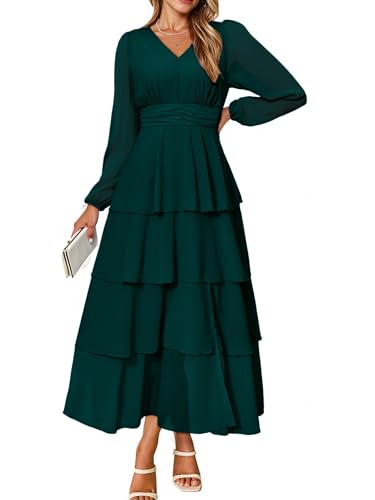
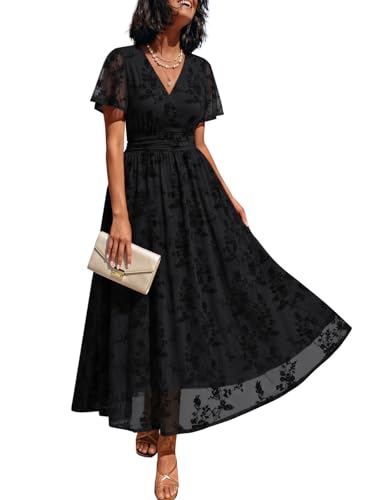
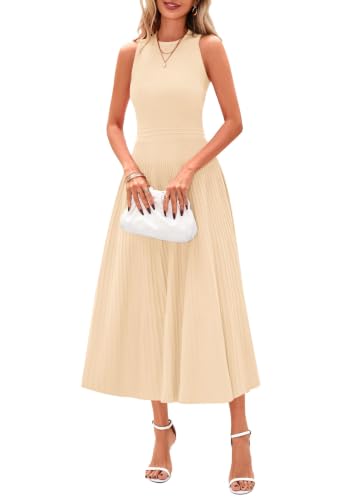



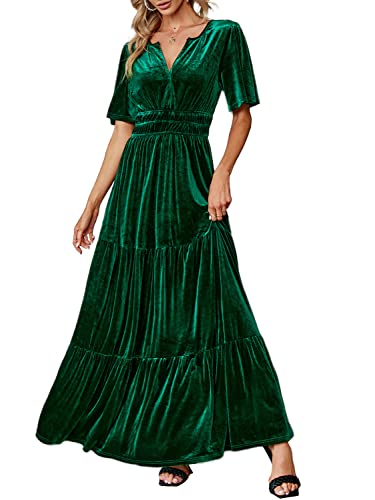
Nmoder Plus Size Dresses Women Summer Short Sleeve A-Line Midi Dress Pleated V Neck Casual Semi Formal Church Dress Dark Green 5XL
Original price was: $19.99.$15.99Current price is: $15.99.


PRETTYGARDEN Womens Summer Printed Tube Maxi Dress Strapless Bodycon Sleeveless Night Out Long Dresses (Floral Rust Red,Medium)
Original price was: $42.99.$39.99Current price is: $39.99.
ELifegoo Plus Size Floral Chiffon Casual Dress Smocked Square Neck Flowy A-Line for Curvy Women Wedding Guest Party ELG007 (Black Flower, 3XL)
Original price was: $39.99.$31.99Current price is: $31.99.

TEARMEILY White Boho Wedding Dress with Slit Casual Off Shoulder Chiffon Bridesmaid Dresses for Women US6
Original price was: $59.99.$49.99Current price is: $49.99.


Frequently Asked Questions About Casual Formal Dresses for Women
What is a casual formal dress?
It is a polished event dress with easier fabric or construction than a traditional formal gown. The exact level depends on the invitation, venue, and styling.
Is casual formal the same as semi-formal?
They can overlap, but semi-formal is a more recognized dress-code term. Confirm the host’s wording before choosing length and fabric.
Can I wear a maxi dress to a casual formal event?
Yes, when the maxi is lined, well-fitted, opaque, and styled with event-appropriate shoes and accessories rather than beachwear details.
Are floral dresses appropriate?
Yes, especially for daytime, garden, and spring events. Avoid white-dominant prints and overly casual resort styling for weddings.
What fabrics work best?
Crepe, chiffon, georgette, satin blends, ponte, lace, and refined jersey can balance comfort with a polished appearance.
Can a casual formal dress be short?
A knee-length or refined cocktail dress may work for semi-formal settings, but strict formal and black-tie events usually require a more elevated or longer option.
What shoes should I wear?
Choose pumps, elegant sandals, slingbacks, refined flats, or stable block heels that suit the venue and raise the outfit’s polish.
How do I avoid looking underdressed?
Prioritize lining, clean tailoring, opaque fabric, stable fit, and polished footwear. Do not rely on accessories to transform an everyday sundress.
What should I check before ordering?
Verify the dress code, seller, measurements, fabric, lining, length, transparency, care, delivery timing, and return policy.
What “Casual Formal” Usually Means
Casual formal generally describes a polished dress that feels less rigid than a traditional gown. It may use a simpler silhouette, softer fabric, fewer embellishments, or an easier hem while still looking appropriate for an important social event.
Because the phrase is informal, it should never override an explicit invitation. When the host says formal, black tie, cocktail, or dressy casual, follow that wording and use this category only to find a comfortable version of the required level.
Casual Formal Versus Semi-Formal
Semi-formal usually supports cocktail dresses, dressy midis, tea lengths, and refined jumpsuits, while formal events often expect a longer or more elevated dress. Casual formal can overlap with either depending on fabric, venue, and styling.
A jersey maxi with flat sandals may read casual, but the same general shape in lined crepe with structured shoes and an evening bag can become semi-formal. Evaluate the complete outfit instead of the product title alone.
Dressy Casual Versus Casual Formal
Dressy casual allows more relaxed fabrics, shorter hems, daytime prints, and lower-key footwear. Casual formal should normally show clearer event intent through tailoring, fabric finish, length, or accessories.
When uncertain, choose a slightly more polished option that remains easy to wear. A lined midi, refined wrap dress, or fluid maxi is safer than a beach sundress, T-shirt dress, or visibly casual knit.
Fabrics That Keep the Look Polished
Crepe, georgette, chiffon, satin blends, ponte, lace overlays, and refined jersey can support an easy formal look. The fabric should drape cleanly, recover after sitting, and remain opaque in daylight and flash.
Cotton poplin, linen blends, rib knits, and sweater fabrics may work for daytime or outdoor events when the cut is tailored. Check wrinkles, pilling, cling, lining, and seam quality before deciding that comfort equals suitability.
Casual Formal Maxi Dresses
A maxi can feel relaxed while still covering formal length requirements. Wrap fronts, empire waists, pleated skirts, halter necks, and simple A-lines are common options for outdoor weddings, dinners, and evening celebrations.
Confirm that the hem clears grass, stairs, and the floor in the planned shoes. Thin unlined maxis, smocked beach dresses, and overly casual tiers may not meet a formal invitation despite their length.
Midi and Tea-Length Options
Midi and tea-length dresses often provide the best balance for semi-formal weddings, graduations, religious events, and restaurant celebrations. Their formality depends on fabric, structure, neckline, and footwear rather than hem position alone.
Check where the skirt ends on the wearer’s actual height. A hem at the widest part of the calf can change proportion, while a high slit may reduce seated coverage more than the standing image suggests.
Wrap, A-Line, and Fit-and-Flare Styles
Wrap dresses allow adjustable waist placement, A-lines provide gradual room through the skirt, and fit-and-flare styles create a more defined waist. Each can look polished without the weight of a formal gown.
True wrap fronts need adequate overlap while sitting and walking. Fixed faux-wrap dresses may offer less adjustment, so use bust, waist, torso, and neckline measurements rather than assuming the wrap shape guarantees fit.
Daytime Wedding Dresses
For daytime weddings, softer color, floral print, refined crepe, chiffon, and midi or maxi lengths can work without appearing overdressed. The venue and invitation still determine whether the dress should lean garden, cocktail, formal, or beach appropriate.
Avoid white-dominant prints, highly bridal champagne tones, and visibly casual resort dresses unless the couple has provided clear guidance. Bring a polished layer for religious ceremonies or air-conditioned indoor spaces.
Outdoor and Garden Formal Events
Grass, gravel, heat, wind, and uneven paths change the practical requirements of a dress. Stable straps, manageable hems, breathable lining, and shoes with suitable soles matter as much as the visual style.
Test skirt movement outdoors before the event when possible. Lightweight wrap fronts, high slits, and loose overlays may need fashion tape or a different cut in windy settings.
Work Dinners and Professional Events
A casual formal dress for a company dinner should remain professional from every angle and through prolonged sitting. Midi sheaths, modest wraps, tailored A-lines, and sleeved crepe dresses can transition from office layers to evening styling.
Check neckline depth, slit height, arm mobility, and blazer compatibility. A dress that requires constant adjustment or reveals support garments during presentations is not practical for a professional setting.
Necklines, Sleeves, and Coverage
V-necks, square necks, boat necks, wrap fronts, short sleeves, flutter sleeves, and three-quarter sleeves can all fit this category. Coverage should be evaluated during bending, reaching, sitting, and wearing the intended bra.
Outer layers can raise formality, but they should not be used to rescue an unstable neckline or tight sleeve. Try the complete outfit before the return deadline and confirm that the layer remains comfortable indoors.
Shoes That Set the Formality
Shoes strongly influence whether a relaxed dress looks everyday or event-ready. Pumps, elegant sandals, slingbacks, refined flats, and low block heels can polish the outfit without making it impractical.
Use venue conditions to choose heel width and sole stability. Casual sneakers, beach flip-flops, and visibly worn footwear can lower the dress-code level even when the dress itself is appropriate.
Prints, Solids, and Color Control
Solid colors often look more formal because the silhouette and fabric remain visually clear. Florals, abstract prints, and subtle patterns can work when the print scale, background color, and construction suit the event.
Large tropical motifs, white-dominant prints, and casual stripes may read as vacation wear. For an evening event, darker grounds, tonal prints, metallic details, or richer fabric can increase polish.
Movement and All-Day Comfort
Comfort should come from correct measurements, stable construction, and suitable fabric rather than excess looseness. The dress should permit walking, sitting, eating, reaching, and using stairs without twisting or exposing the lining.
Complete a ten-minute seated test and walk in the planned shoes. Check waistbands, armholes, wrap overlap, zipper strain, and whether the hem rises or clings after movement.
Travel, Care, and Repeat Wear
Casual formal dresses are often chosen for destination weddings and multi-event trips because they pack more easily than structured gowns. Wrinkle recovery, washable care, garment-bag size, and steaming restrictions should be reviewed before travel.
A simpler dress can provide stronger cost-per-wear when it works for dinners, graduations, weddings, and professional events. Avoid alterations that make the piece suitable for only one narrow occasion unless that is intentional.
Avoiding an Underdressed Result
The most common failure is selecting an everyday dress and expecting accessories to create formality. Fabric transparency, beach styling, raw casual details, weak structure, or very relaxed footwear can remain visible after jewelry is added.
Compare the complete outfit with the invitation and venue photographs. When the dress code is unclear, a lined midi or fluid maxi with polished shoes is usually a safer starting point than a sundress or club-style mini.
Reading Invitation Clues Beyond the Dress-Code Label
When an invitation uses vague language, the venue, start time, host, and event format can clarify the expected level. A late-evening hotel dinner usually calls for more polish than an afternoon garden lunch, even when both are described as casual formal. Religious ceremonies, awards programs, graduations, corporate events, and restaurant celebrations may also require different coverage, footwear, and outerwear. Look for wording such as cocktail, garden formal, festive, business attire, black-tie optional, or outdoor ceremony rather than treating every event as interchangeable.
Venue photographs can reveal whether guests will use grass, gravel, stairs, narrow dining spaces, or climate-controlled interiors. These practical facts affect hem length, heel width, fabric weight, and layer choice. When the invitation remains unclear, a lined midi or fluid maxi in crepe, chiffon, georgette, or satin blend is generally safer than either an everyday sundress or a heavily embellished ballroom gown.
Creating Formality Through the Complete Outfit
Casual formal dresses depend heavily on styling because the base garment may be intentionally simple. A structured shoe, clean bag, deliberate jewelry, pressed fabric, and appropriate outer layer can make a refined wrap or A-line feel event-ready. The reverse is also true: worn casual footwear, a beach tote, visible bra straps, or an unpressed hem can lower the result even when the dress itself is suitable.
Use one clear focal point. A strong print may need quieter jewelry, while a solid crepe dress can support a statement earring or metallic shoe. Match visible hardware when possible and avoid adding several unrelated textures simply to make the outfit look more formal. Shoppers who discover that the invitation is more demanding than expected can compare the broader formal dresses category rather than forcing a relaxed design into a strict dress code.
Petite, Tall, and Proportion Considerations
Product labels such as midi, tea length, and maxi describe a general category, not a guaranteed position on every wearer. A midi may reach the ankle on a petite shopper, while a listed maxi can become too short for a tall wearer once heels are added. Use the garment’s actual shoulder-to-hem or hollow-to-floor measurement and compare it with the intended shoes. Check whether straps, waist seams, and bodice darts can be adjusted without changing the overall balance.
Petite shoppers should review torso length, not only skirt length, because a low waist or deep armhole can make the entire dress look oversized. Tall shoppers should inspect bodice length, slit placement, lining length, and seated coverage. High-low hems and wrap skirts need movement testing because the shortest point can rise more than expected while walking or sitting.
Inclusive Fit, Bust Support, and Sleeve Mobility
A comfortable appearance starts with accurate fit through the shoulders, bust, waist, upper arms, and lining. Stretch fabric can provide ease, but it does not correct cups that are too shallow, a waist seam placed too high, or a sleeve that restricts reaching. Use the intended bra or support solution during the fitting and check the neckline from the front, side, and back.
For fuller busts, prioritize adequate depth, stable straps, secure wrap overlap, and a closure that remains flat while seated. For plus-size shopping, compare the exact seller chart rather than assuming an alpha size is consistent across brands. Raise both arms, reach forward, sit for ten minutes, and walk in the planned shoes. A dress that twists, rides, or requires repeated adjustment will not become more practical after accessories are added.
Weather, Layers, and Indoor Comfort
Outdoor conditions can make a relaxed formal dress more complicated than a traditional indoor gown. Wind affects wrap fronts, loose sleeves, slits, and lightweight overlays; heat makes dense linings and synthetic layers uncomfortable; cold weather requires outerwear that fits without crushing the neckline or pulling the shoulders. Plan the full transition from arrival to indoor seating rather than evaluating the dress only in a bedroom mirror.
A tailored blazer, soft wrap, cropped jacket, or lightweight coat can add coverage, but the layer should complement the dress instead of hiding a fit problem. Try both garments together while sitting and reaching. For grass or gravel, stable block heels, wedges, or refined flats may preserve formality better than narrow heels that sink or create an unsafe walk.
Travel-Friendly and Repeat-Wear Choices
One reason shoppers seek casual formal dresses is the possibility of using the same garment for several events. A simple solid midi, polished wrap, or fluid maxi can move from a wedding to a work dinner, graduation, religious ceremony, or holiday meal with different accessories. Neutral navy, black, deep green, burgundy, and controlled prints often provide broader repeat use than highly specific novelty colors or one-event decoration.
For travel, review wrinkle recovery, garment-bag size, wash instructions, steaming limits, and how the fabric behaves after sitting. Pack the complete outfit, including support garments and shoes, and allow time for the dress to hang before the event. Avoid choosing a design that requires a specialist press, complicated corset lacing, or several emergency fixes when the trip schedule is already tight.
Return Windows and Evidence-Based Ordering
Online listings should provide measurements, fabric composition, lining details, closure information, care, seller identity, delivery timing, and return conditions. Customer reviews are most useful when they include height, body measurements, purchased size, exact variation, and a specific issue. Comments such as “runs small” or “beautiful” are less helpful without evidence about the wearer or the product option.
Order early enough to complete a full outfit test before tags are removed. Photograph the dress in daylight and flash, inspect transparency, sit, bend, use stairs, and test every closure. When two or more critical areas are incorrect, returning the dress is usually more sensible than attempting extensive alterations on a garment chosen for ease and value.