
Plus size white dresses for wedding
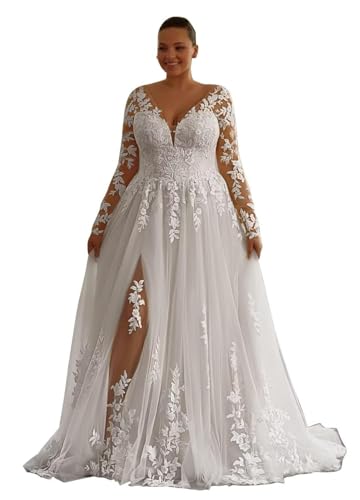
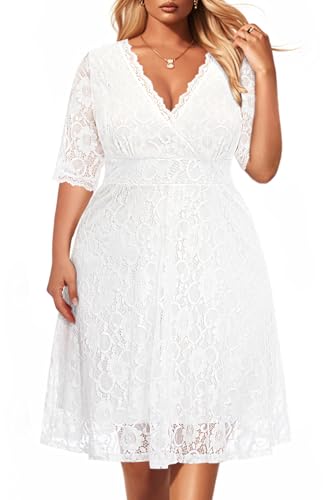
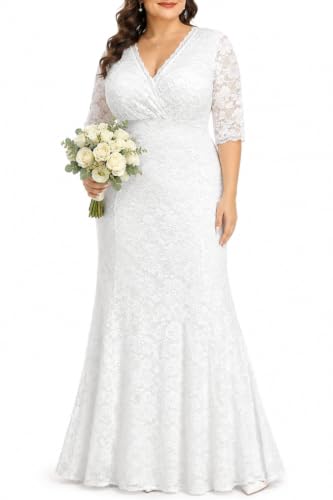
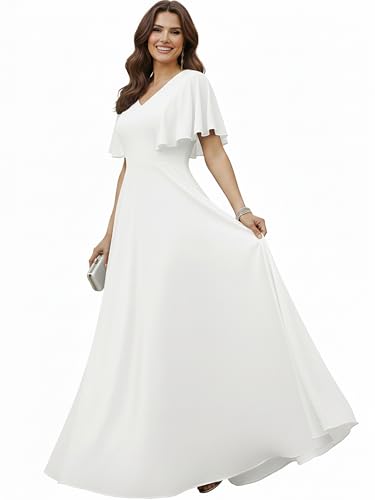
Around eight in ten listings here are cut in plus sizes and a similar share are white or ivory, which makes this one of the more focused extended-size bridal collections available.Lace dominates at just over half the collection. Just under half are described as gowns, around one in five has a train, and mermaid and ball gown silhouettes each account for around a fifth. Just over two in ten have sleeves.For the wider bridal range, see bridal dresses, or for sleeved options, wedding dresses with sleeves.
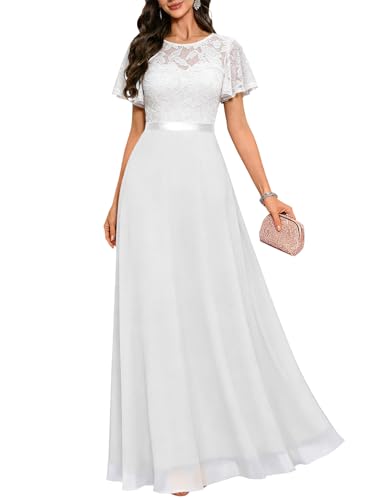
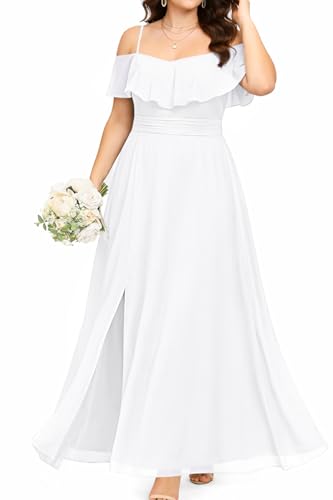
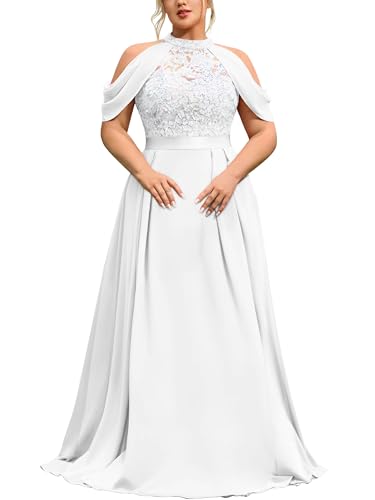
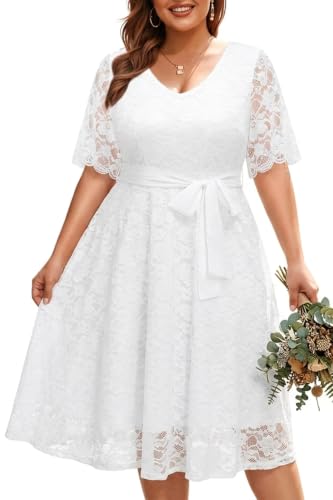
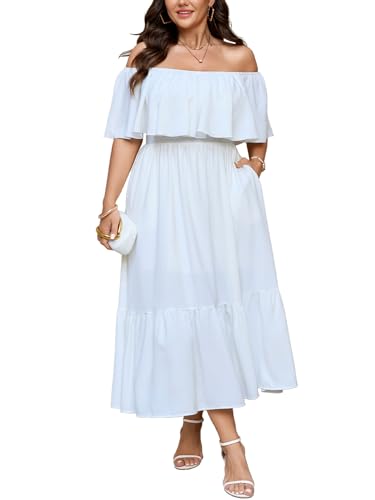
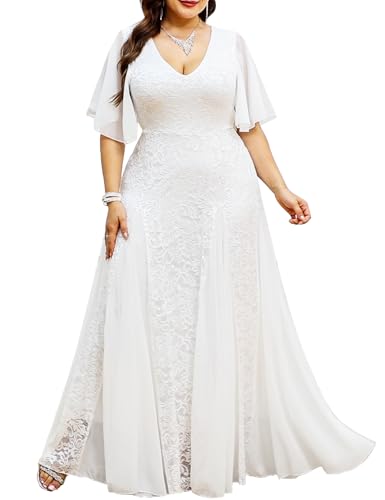
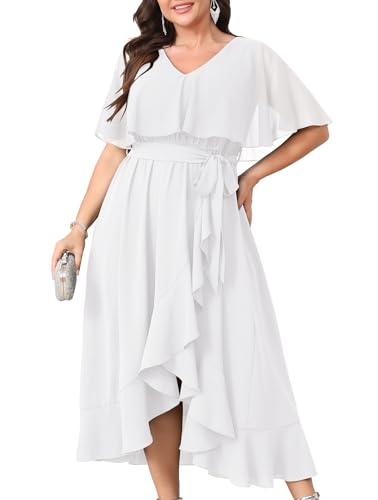
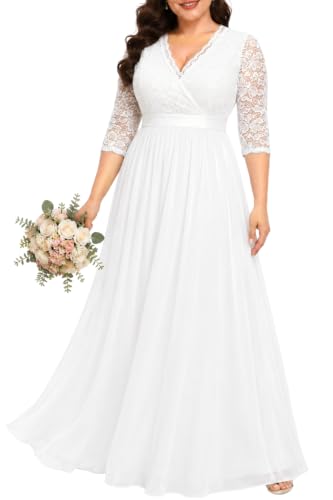
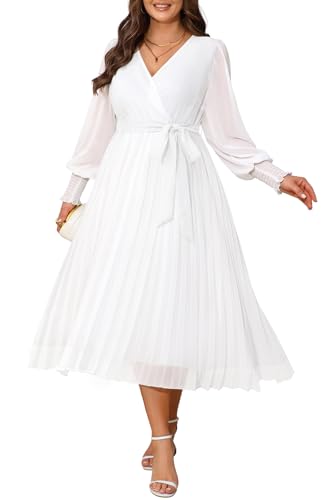

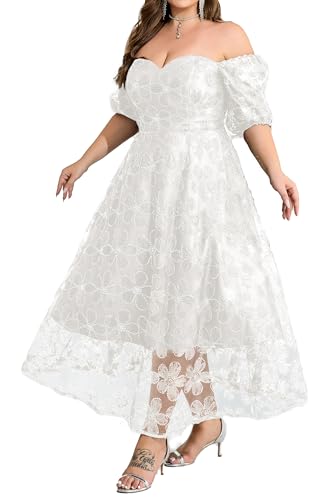


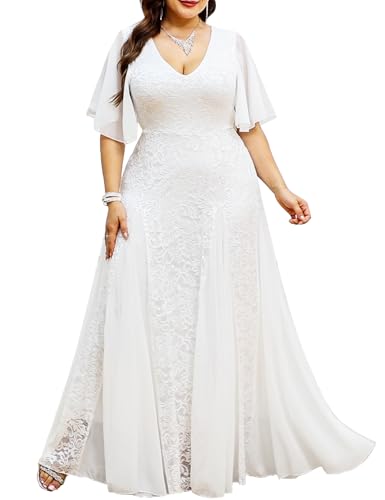


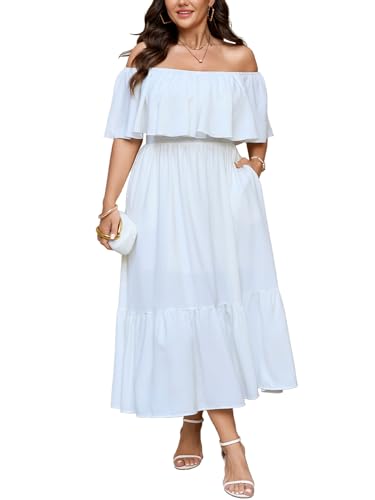


Plus Size White Dresses for Weddings: Frequently Asked Questions
Does bridal sizing really run small?
Yes, frequently by two sizes and sometimes more. Someone who wears an 18 in everyday clothing may need a 22 in bridal. It has never been standardized, so read each listing's chart rather than ordering your usual size.
Why is white harder to fit than other colors?
Shadow is what makes a fit problem visible, and it shows more clearly against a pale ground. A dark dress hides a seam under tension or a gaping bodice; white displays them.
Does lace help?
Considerably, which is part of why over half this collection uses it. Lace over a lining reads as texture and breaks up the surface, disguising far more than smooth satin does.
What should I wear underneath?
A nude slip matched to your own skin tone if the dress is unlined, and seamless shapewear shorts rather than briefs to avoid a visible edge at the thigh. White undergarments under white fabric are more visible, not less.
Corset back or zip?
For a plus-size bridal gown, often the corset back. It accommodates a wider range of measurements, can be adjusted after alterations, and distributes strain across the back rather than concentrating it on one seam.
Which silhouette is most forgiving?
A-line, which fits at the bust and flows from there, accommodating a wide range of waist and hip measurements. It is also the easiest to wear across a full day.
What sleeve options work in extended sizes?
Those not ending at the widest part of the upper arm. Illusion mesh sleeves avoid the arm fit problem almost entirely since mesh stretches. A bolero, cape or detachable sleeve over a strapless dress is also flexible and can come off later.
Can I wear white to someone else's wedding?
No, unless the couple has explicitly said otherwise. This collection is for brides, bridal showers, rehearsal dinners, courthouse ceremonies and vow renewals rather than for guests.
How far ahead should I order?
At least three months. Extended-size bridal sells through fastest in the middle of the range, and you need room for one return and replacement plus fittings.
Who This Collection Is For
White dresses at a wedding belong to a specific set of people, and it is worth being clear which applies to you, because the right dress differs.
The bride. The largest use, and where the gowns, trains and ball gown skirts in this collection sit.
Bridal showers, rehearsal dinners and bachelorette events. White is traditional for the bride at these, and a shorter or simpler dress usually works better than a gown.
Courthouse and civil ceremonies. A simpler white dress is often more appropriate than a full bridal gown.
Vow renewals. White is expected and a gown is optional.
What white does not cover is attending someone else's wedding as a guest, where white, ivory and cream should be avoided unless the couple has explicitly said otherwise.
Why Bridal Sizing Trips People Up
This catches more people in extended sizes than in any other range, and it is worth stating plainly.
Bridal sizing runs smaller than standard clothing sizing, frequently by two sizes and sometimes more. A woman who buys a 18 in everyday clothing may need a 22 in bridal.
This is not a comment on the body; it is a legacy of how bridal patterns were historically drafted and it has never been standardized. Every manufacturer differs.
The practical consequence: never order by the size you usually wear. Take your measurements and read the specific listing's chart every time, even between two dresses from the same seller. The US size chart shows how bridal numbering compares with everyday sizing.
White Shows Fit
White is the least forgiving color in formal wear, and in a fitted bridal silhouette that matters more than usual.
A dark dress hides a seam under tension, a slightly gaping bodice or a pull across the hip. White displays all three. Shadow, which is what makes a fit problem visible, shows more clearly against a pale ground.
The practical response is to prioritize fit over silhouette. A well-fitted A-line in white looks better than a poorly fitted mermaid, and the difference is more pronounced in white than it would be in navy.
Lace helps considerably here, which is part of why over half this collection uses it. Lace over a lining reads as texture and breaks up the surface, disguising far more than smooth satin does.
Opacity and Undergarments
White fabric is the most likely to be sheer, and the problem often only appears in daylight rather than in a mirror indoors.
Check the listing for lining. Where a dress is unlined, a nude slip in your own skin tone solves it. White undergarments under white fabric are more visible rather than less, which surprises people consistently.
For a fitted bridal silhouette, seamless shapewear matters more than in a loose dress. Shorts rather than briefs avoid a visible edge at the thigh.
Read customer photographs taken in daylight rather than studio images, which are lit specifically to minimize transparency.
Structure and Support
Around a fifth of this collection is ball gown cut and a fifth has a train, both of which add weight pulling downward from the bodice.
In extended sizes that weight is greater, and the bodice needs to be built for it. Look for boning through the bodice, an inner corset, built-in cups, or a corset back rather than a zip.
Corset backs deserve particular attention here. They accommodate a wider range of measurements than a fixed zip, they can be adjusted after alterations, and they distribute strain across the back rather than concentrating it on a single seam. For a plus-size bridal gown they are often the better choice.
Which Silhouettes Work
A-line fits at the bust and flows from there, accommodating a wide range of waist and hip measurements. The most forgiving and the easiest to wear all day.
Empire raises the waist seam under the bust, creating a long unbroken line below it. Some people want this effect; others find it hides the waist entirely.
Ball gown, at around a fifth of listings, defines the waist and conceals the hip and thigh completely. Needs floor space and is difficult to sit in at a crowded table.
Mermaid, at a similar share, is the most demanding and requires an accurate thigh measurement alongside bust, waist and hip.
Sleeves and Coverage
Just over two in ten listings have sleeves, with long sleeves at around one in eight.
In extended sizes the sleeve options that work best are those not ending at the widest part of the upper arm. Illusion mesh sleeves are common in bridal and avoid the arm fit problem almost entirely, since mesh stretches and moves.
Where a dress you like is strapless, a matching bolero, cape or detachable sleeve solves the coverage question without committing you to a fixed sleeve, and can come off for the reception.
Ordering and Alterations
Order to your largest measurement and have the dress taken in. Letting out is limited by seam allowance, which in ready-to-wear bridal is usually minimal.
Straightforward: side seams, plain hems, bodice adjustments on an unembellished bodice.
Difficult: shoulders, armholes, anything running through beading or lace applique, and hems finished with lace or horsehair braid.
Order at least three months ahead. Extended-size bridal sells through fastest in the middle of the range, and you need room for one return and replacement plus fittings.
Related Collections
For sleeved bridal, see wedding dresses with sleeves. Cleaner, less structured silhouettes sit in modern wedding dresses. For shorter white options, see short white formal dresses.