
Non traditional wedding dress
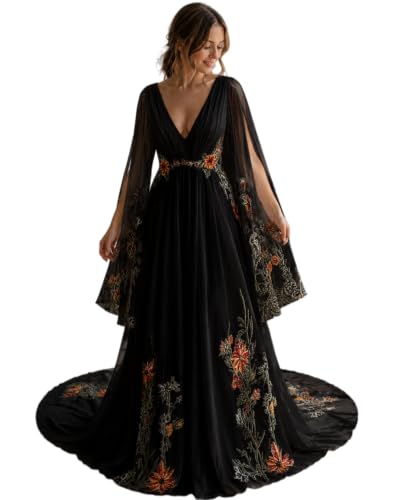
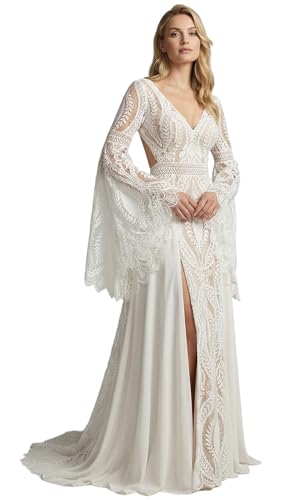
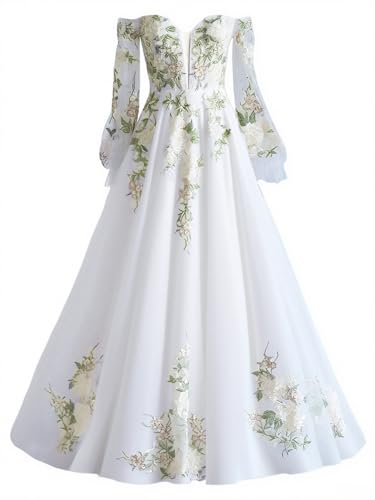
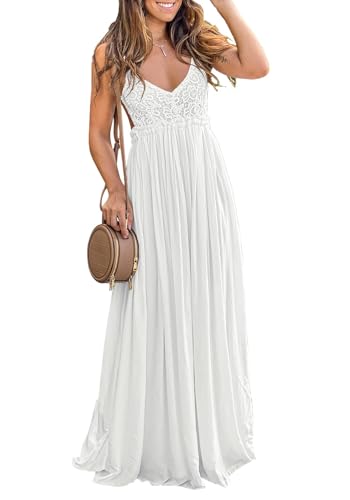
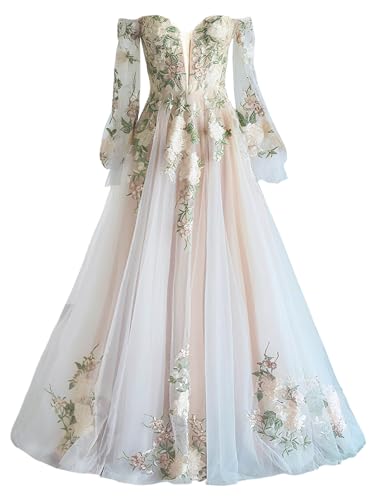
Non traditional covers a wide field, and this collection reflects that breadth rather than one aesthetic. Around a quarter of the listings are boho styles, just over a quarter are not white, and nearly half have sleeves, which is far higher than in conventional bridal.Lace still dominates at just over six in ten, though used differently from traditional bridal. Around eight in ten are described as gowns and just under half are floor length.For minimal rather than alternative styling, see minimalist wedding dresses.









Non Traditional Wedding Dresses: Frequently Asked Questions
What counts as a non traditional wedding dress?
At least five different things: not white, not a gown, not formal, not new, or not bridal at all. These overlap but are not the same, and a dress that satisfies one may be entirely traditional in the others.
Why do so many of these have sleeves?
Nearly half do. Traditional bridal has defaulted to strapless, so choosing sleeves has become one of the clearest markers of a non traditional choice, even when everything else about the dress is conventional.
How far from white should I go?
Soft alternatives such as blush, champagne and oyster read as bridal at a glance and are the lowest-risk departure. Genuine color reads as a deliberate choice. Black is the most striking and the most likely to prompt family comment.
Does a colored dress affect the bridal party?
Yes. The usual contrast between bride and party no longer works automatically, so it is worth deciding the palette as a whole rather than the dress alone.
What defines a boho wedding dress?
Soft construction rather than a specific shape: unlined or lightly lined bodices, cotton or crochet lace rather than beaded lace, flowing sleeves and often no train. Around a quarter of this collection is boho.
Do boho dresses have enough support?
Often less than structured bridal, since soft construction is the point. If you need a supportive bodice, look specifically for boning or built-in cups rather than assuming they are included.
Are bridal separates worth considering?
Yes, particularly in extended sizing, since each half can be sized independently if your measurements sit in different brackets. The skirt can also be changed for the reception.
What are the downsides?
It may need more explanation to family; alterations can be harder since a bridal tailor knows conventional construction; and a colored or dark dress reads differently in group photographs. None are reasons not to choose it, only reasons to choose deliberately.
Does the sizing run small?
It depends how the dress is sold. Bridal-labelled dresses usually run small, often by two sizes. Evening or formal dresses are closer to standard sizing. Read each listing's chart rather than carrying a size across.
What Non Traditional Actually Means
The term is used for at least five different things, and knowing which you want narrows this collection immediately.
Not white. Colored, blush, champagne, black, or patterned. Just over a quarter of this collection falls outside white.
Not a gown. Separates, jumpsuits, suits, short dresses, or anything that is not a floor-length bridal silhouette.
Not formal. Boho, relaxed, cotton or linen, suited to a beach or garden ceremony rather than a cathedral. Around a quarter of this collection is boho.
Not new. Vintage, second-hand, or a family dress altered.
Not bridal at all. An evening gown or a formal dress worn as a wedding dress, which is often considerably less expensive for the same look.
These overlap but they are not the same, and a dress that satisfies one may be entirely traditional in the others.
The Sleeve Difference
Nearly half the listings here have sleeves and around one in five has long sleeves, both far above what conventional bridal collections carry.
That is not a coincidence. Traditional bridal has historically defaulted to strapless, and choosing sleeves has become one of the clearest markers of a non traditional choice, even when everything else about the dress is conventional.
Practically, sleeves also solve real problems: coverage for religious ceremonies, warmth for autumn and winter weddings, and comfort for anyone who does not want to spend the day adjusting a strapless bodice.
Bishop, balloon and flutter sleeves appear frequently in this collection and read as contemporary rather than traditional, where a fitted long lace sleeve reads more classic.
Color
Just over a quarter of this collection is not white, and the options divide roughly into three approaches.
Soft alternatives. Blush, champagne, oyster and pale gold. These read as bridal at a glance and only reveal themselves as non-white close up or in photographs. The lowest-risk departure.
Genuine color. Sage, dusty blue, deep green, burgundy. A clear choice rather than a variation, and one that reads as deliberate.
Black or dark. The most striking and the one most likely to prompt comment from family. It photographs dramatically and is a firm decision rather than a soft one.
One practical note: a colored wedding dress changes what the bridal party can wear, since the usual contrast between bride and party no longer works automatically. It is worth deciding the palette as a whole rather than the dress alone.
Boho and the Outdoor Wedding
Around a quarter of this collection is boho, which is the largest single style group here.
Boho bridal is defined by soft construction rather than by a specific shape: unlined or lightly lined bodices, cotton or crochet lace rather than beaded lace, flowing sleeves, and often no train.
That construction suits outdoor ceremonies for practical reasons. There is less weight, more breathability, and nothing structured to be uncomfortable in over a long day in the sun.
The trade-off is that soft construction offers less support. If you need a structured bodice, look for boho styles that include boning or built-in cups rather than assuming they are there.
Separates, Jumpsuits and Suits
These are the clearest departure from traditional bridal and appear throughout this collection.
A two-piece bridal set, a top with a skirt, allows each half to be sized independently, which is genuinely useful if your measurements sit in different brackets. It also lets the skirt be changed for the reception.
A bridal jumpsuit gives an uninterrupted vertical line and removes hem management entirely. The practical caution is the same as for any jumpsuit: a full-length one with a back zip is difficult to manage in a restroom during a long event.
A bridal suit reads as the most contemporary option and is the most likely to be worn again, which for some people is the whole point.
What You Give Up
Worth saying plainly, because it is rarely mentioned.
A non traditional dress may need more explanation to family, and if that is likely to be stressful it is worth deciding early rather than at a fitting.
Alterations can be harder. A bridal tailor knows conventional construction; an unusual fabric or an unconventional cut may cost more or need a specialist.
Photographs are a genuine consideration. A colored or dark dress reads differently in group photographs than white does, particularly against bridesmaids in traditional shades.
None of these are reasons not to choose it. They are reasons to choose it deliberately.
Sizing
Because this collection mixes bridal labels with contemporary and evening-wear brands, sizing consistency varies more than in a conventional bridal range.
Where a dress is sold as bridal, expect sizing to run small, often by two sizes. Where it is sold as an evening or formal dress, sizing is usually closer to standard.
Read each listing's own chart rather than carrying a size across. Take bust, underbust, waist, hip and height. Our US size chart covers conversions.
Related Collections
For clean simple styling, see minimalist wedding dresses. For contemporary construction, browse modern wedding dresses. For sleeved options, see wedding dresses with sleeves.