
Buy vintage lace wedding dresses
Almost every listing here uses lace and three quarters describe themselves as vintage, but these are vintage-style dresses made now rather than genuine period garments. That distinction matters if you came here looking for the real thing.Just over half have sleeves and a quarter have long sleeves, which is the clearest vintage signal in modern bridal. Ivory accounts for around a third of the color mentions against a quarter for white, and that ratio is itself a period reference.Around one dress in five is boho and a similar share is plus size. For lace at shorter lengths, see short lace wedding dresses.
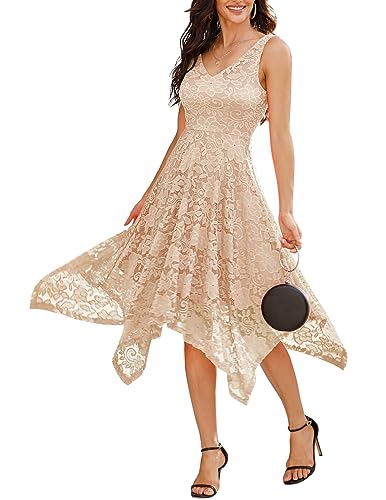

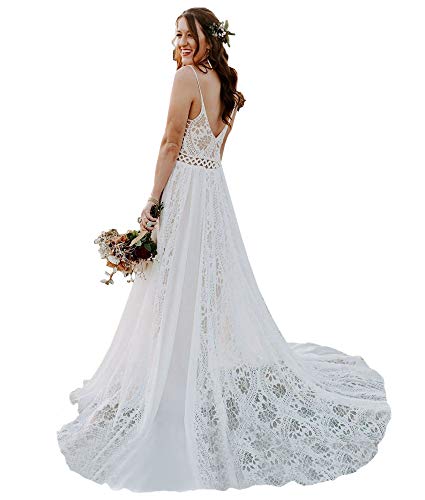

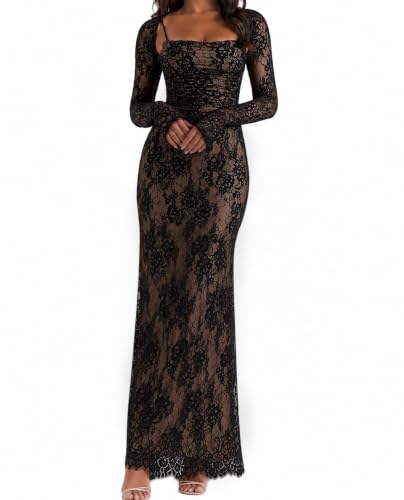
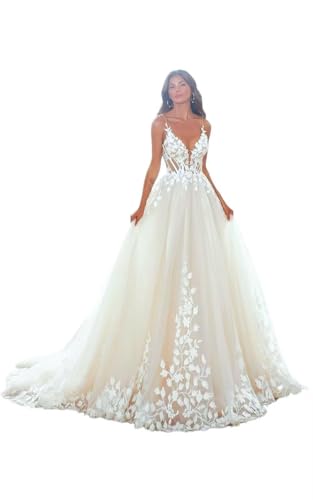
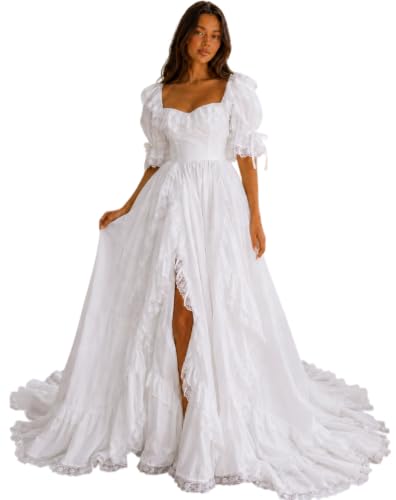
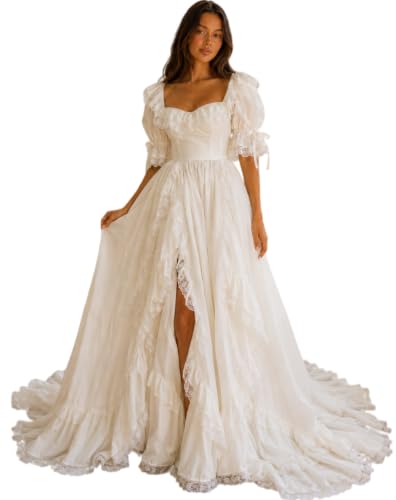



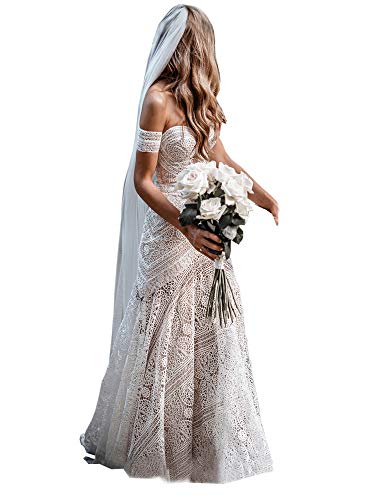





Vintage Lace Wedding Dresses: Frequently Asked Questions
Are these genuine vintage dresses?
No. Everything here is newly made in a style that references an earlier decade. Genuine period garments come from specialist dealers, arrive in one size, and carry the risks of aged fabric.
Which decade does each style reference?
High neck and long fitted sleeves read Edwardian. A dropped waist and straight line reads 1920s. Bias cut and fluid length reads 1930s. Fitted bodice with a full tea-length skirt reads 1950s. Empire waist with wide sleeves reads 1970s.
Why is ivory more common than white here?
Bright optical white is a modern fabric finish. Historic lace was made in ecru, cream and ivory and warms further with age, so ivory and champagne read period-accurate while bright white reads modern regardless of the cut.
Will ivory clash with a white veil?
It will look noticeably warm beside bright white. Match the veil and accessories to the dress rather than assuming white goes with everything.
Why do so many have sleeves?
Just over half do. Modern bridal defaults to strapless, so a sleeve reads as a departure from the present, which is what a vintage reference needs. The sleeve shape carries the decade.
Which lace reads most period?
Fine floral lace with a scalloped edge reads traditional. Crochet and cotton lace reads 1970s and boho. Geometric or abstract lace reads modern regardless of the dress, so it works against a vintage brief.
Is all-over lace better than a lace bodice?
It reads more period, since historic dresses were laced throughout rather than assembled in panels. It is also heavier, warmer and more expensive.
Which cut is least period-accurate?
Mermaid, which appears in around one dress in eleven here. No decade before the 1950s shaped the body that way, so it undercuts the reference even when the lace is right.
Can lace sleeves be altered?
Barely. Lace has almost no stretch and minimal seam allowance, and a tight sleeve cannot be let out. Take an upper arm measurement before ordering any sleeved style.
Vintage Style, Not Vintage Garments
Worth stating plainly at the start. Everything in this collection is newly made in a style that references an earlier decade.
Genuine vintage wedding dresses, meaning garments actually made in the period, come from specialist dealers and auction sites. They arrive in one size, frequently need restoration, and carry the risks of aged fabric: weakened seams, yellowed lace, and sizing conventions that bear no relation to modern ones.
A vintage-style dress gives you the look with modern construction, a size range, and a return policy. For most people that is the better trade, but it is a different purchase and worth making deliberately.
Which Decade Are You Actually Looking At
Vintage covers eighty years of very different silhouettes, and knowing which one you want narrows this collection immediately.
Edwardian and Victorian reference means a high neck, long fitted sleeves, and lace covering almost everything. The most covered and the most formal.
1920s means a dropped waist, a straight unfitted line and a shorter hem. Beading rather than lace usually carries this one.
1930s means bias cut: fabric cut on the diagonal so it follows the body without seaming. Long, fluid, and the most difficult to fit well.
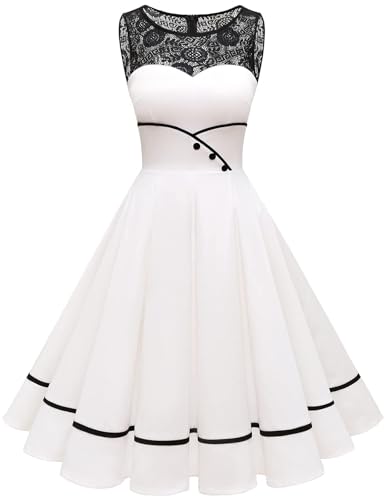
1950s means a fitted bodice, a defined waist and a full skirt, often at tea length. The most recognizable vintage bridal shape.
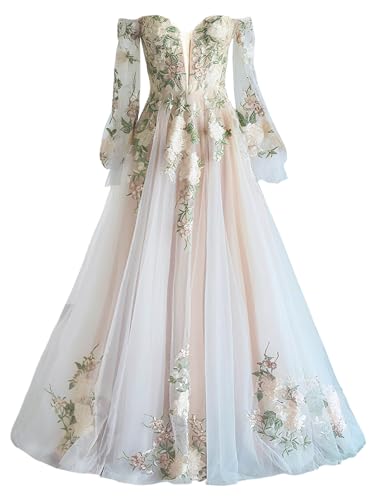
1970s means an empire or high waist, wide sleeves, and crochet or cotton lace rather than fine bridal lace. This is where the boho styles in this collection sit.
Why Ivory Rather Than White
Around a third of the color mentions here are ivory against a quarter for white, and that is not a coincidence.
Bright optical white is a relatively modern fabric finish. Historic lace was made in ecru, cream and ivory, and any that survives has warmed further with age.
So ivory and champagne read period-accurate, while bright white reads modern regardless of how the dress is cut. If the vintage reference is the point, the shade matters as much as the shape.
One practical consequence: an ivory dress next to bright white bridesmaids or a bright white veil will look noticeably warm. Match the veil and any accessories to the dress rather than assuming white goes with everything.
Sleeves Are the Signal
Just over half these listings have sleeves and a quarter have long sleeves, far above conventional bridal.
That is because modern bridal defaults to strapless, so a sleeve reads as a departure from the present, which is exactly what a vintage reference needs.
The sleeve shape carries the decade. A fitted lace sleeve to the wrist reads Edwardian. A bishop sleeve gathered at the cuff reads 1970s. A short puffed sleeve reads 1950s. A bell or flared sleeve reads 1970s boho.
Practical note: lace sleeves have minimal stretch and minimal seam allowance. Take an upper arm measurement before ordering, since a tight lace sleeve cannot be let out.
Lace That Reads Period
Not all lace references the past equally.
Fine floral lace with a scalloped edge reads traditional and period.
Crochet and cotton lace reads 1970s and boho, and is the heavier, more textural option.
Geometric or abstract lace reads modern regardless of the dress it is on, so it works against a vintage brief.
All-over lace, where the entire dress is laced rather than just the bodice, reads more period than a lace bodice with a plain skirt. It is also heavier, warmer and more expensive.
Silhouettes That Suit It
A-line appears in around one dress in six and is the most adaptable, working with several decade references.
V-neck leads the necklines at around a quarter, which suits the 1930s and 1970s references more than the earlier ones.
Mermaid appears in around one dress in eleven. It is the least period-accurate cut in this collection, since no decade before the 1950s shaped the body that way.
Tea length, while not dominant here, is worth seeking out for a 1950s reference, since the hem is as much a period marker as the bodice.
Sizing
Around one listing in five is plus size, which is reasonable coverage.
Lace has almost no stretch and minimal seam allowance, so there is less room to alter than in a plain dress. Taking in a lace side seam also interrupts the pattern visibly.
Order to your largest measurement and have the dress brought in, and take upper arm alongside bust, underbust, waist and hip if there are sleeves.
Bridal sizing runs smaller than everyday clothing, often by two sizes. The US size chart covers conversions.
Related Collections
For lace at shorter lengths, see short lace wedding dresses. For 1920s specifically, browse Gatsby wedding dresses. For other departures from conventional bridal, see non traditional wedding dresses.