
Plus size dresses to wear to a wedding
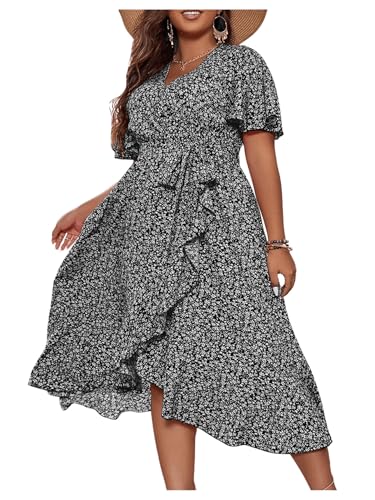
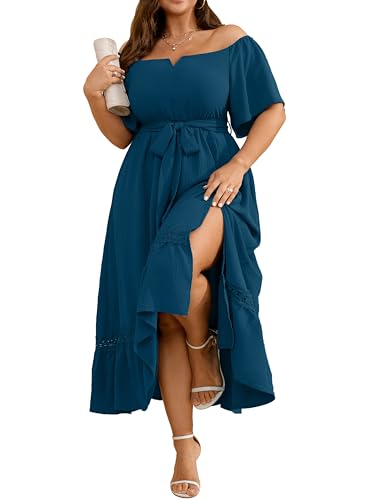
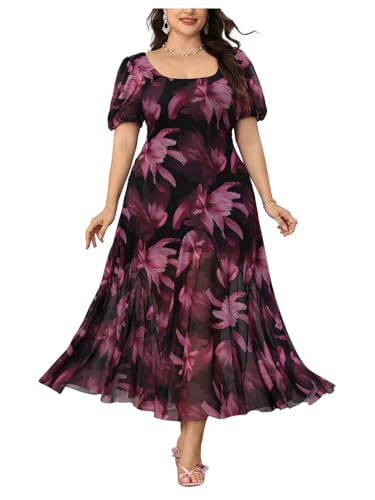
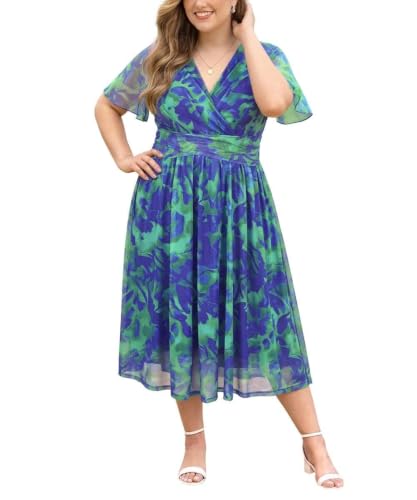
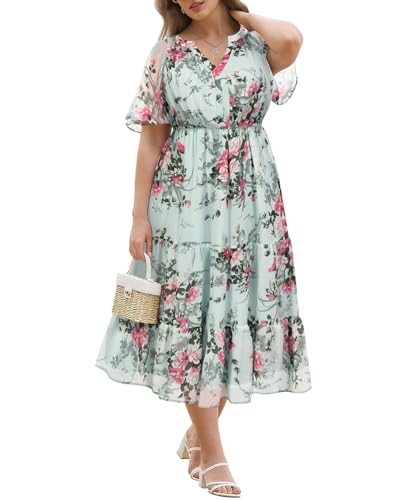
This collection is built for wedding guests in extended sizes: plus sizing runs through most of the listings, and guest styling leads by a clear margin. V-necklines are the most common, and sleeves appear in a large share.Chiffon is the leading fabric, and lengths span long, maxi, midi and tea length, so there is something for most dress codes and seasons.For help decoding what an invitation’s dress code means, see informal plus size wedding dresses.








Plus Size Dresses to Wear to a Wedding: Frequently Asked Questions
How do I choose a guest dress quickly?
Start with time of day and season. Daytime warm weather suits chiffon and midi lengths; daytime cool weather suits sleeves and deeper colors; evening suits long lengths and richer fabrics.
Why are V-necks so common?
A V-neck creates a vertical line that lengthens the torso visually, frames the face in photographs, and works with most jewelry, which makes it flattering on a wide range of shapes.
Which sleeve style photographs best?
One ending below the elbow, or a flutter sleeve that falls away from the arm, since both avoid the widest point of the upper arm.
What makes a dress comfortable for a whole wedding day?
A skirt that stays comfortable seated, such as A-line or fit-and-flare, a fabric that skims rather than clings in heat, and enough room to move when dancing.
Should I try it with shapewear first?
Yes. Shapewear changes how a dress sits, so try the combination before the day rather than discovering a problem at the event.
Which colors should a guest avoid?
White, ivory, cream and pale champagne, plus any color the couple has asked guests to avoid, often the bridesmaid shade. Jewel tones and navy are always safe.
What length should I wear?
Long or maxi for formal and evening weddings, midi or tea length for semi-formal and daytime. A midi dress in a good fabric is the safest choice when the invitation is unclear.
Is chiffon right for a winter wedding?
It suits warm weather best. For a winter evening wedding, choose a heavier fabric or plan a wrap or jacket over a chiffon dress.
Does height matter for a maxi dress?
Yes. A maxi cut for a taller frame will pool at the hem on a shorter wearer. Choose shoes before hemming.
Choosing by Time of Day and Season
The fastest way to narrow a guest dress is by when the wedding happens rather than by style.
Daytime spring and summer: lighter fabrics like chiffon, midi or tea length, and brighter or softer colors. Florals work well.
Daytime autumn and winter: midi or long lengths, sleeves, and deeper colors such as burgundy, emerald or navy.
Evening, any season: long or maxi lengths, richer fabrics, darker or metallic colors, and more formal construction.
Chiffon, the most common fabric here, suits the warm-weather daytime end best. For a winter evening wedding, look for a heavier fabric or plan a wrap.
Why the V-Neck Leads
V-necklines are the most common neckline in this collection, and there is a reason. A V-neck creates a vertical line that draws the eye downward and lengthens the torso visually, which many people find flattering across a wide range of body shapes.
It also works with most jewelry, frames the face in photographs, and is easy to dress up or down. A wrap-style V-neck adds adjustability across the bust as well.
Sleeves Give Options
A large share of these dresses have sleeves. A sleeve ending below the elbow, or a flutter sleeve that falls away from the arm, avoids the widest point of the upper arm and tends to photograph well.
Sleeves also solve practical guest problems: sun at an outdoor ceremony, air conditioning at an indoor reception, and coverage at a religious venue.
Getting Through a Long Day
A wedding is often eight hours or more of standing, sitting, eating and dancing. The dress has to handle all of it.
Sitting: fitted dresses ride up and pull across the hip when seated. An A-line or fit-and-flare skirt stays comfortable through a long dinner.
Heat: fabrics that cling in warm weather become uncomfortable. Chiffon and lined fabrics that skim rather than grip stay cooler.
Dancing: a skirt with room to move matters more than it seems when choosing from a photograph.
Shapewear: if you plan to wear it, try the dress with it before the day, since it changes how the fit sits.
Colors to Avoid and Colors That Work
The one firm rule for any guest: avoid white, ivory, cream and pale champagne that could be mistaken for bridal white in photographs.
Check whether the couple has asked guests to avoid a particular color, often the bridesmaid shade.
Jewel tones, navy, deep green and rich florals are always safe and photograph well against most venues.
Length and Dress Code
Long and maxi lengths suit formal and evening weddings. Midi and tea lengths suit semi-formal, cocktail and daytime weddings. When an invitation is unclear, a midi dress in a good fabric is the safest middle choice.
For a maxi dress, choose shoes before any hemming, since heel height changes where the hem lands.
Layering and Accessories
A lightweight wrap, pashmina or cropped jacket in a coordinating color extends a dress across a long day, handling an air-conditioned reception after a warm outdoor ceremony. It is also the simplest way to add sleeves to a sleeveless dress if the venue expects coverage.
A crossbody or wristlet bag keeps your hands free for greeting guests and holding a drink, which matters more at a wedding than at most events.
Sizing
Take bust, waist, hip and height. Height matters for maxi and long styles, since a dress cut for a taller frame will pool at the hem.
Brands in this collection include contemporary labels built for extended sizing, such as RITERA, which generally run close to standard measurements. Compare each chart with the US size chart before ordering.
Related Collections
For dress code help, see informal plus size wedding dresses. For formal evening options, browse formal dresses for plus size women. For all guest styles, see wedding guest dresses.