
Plus size wedding dresses
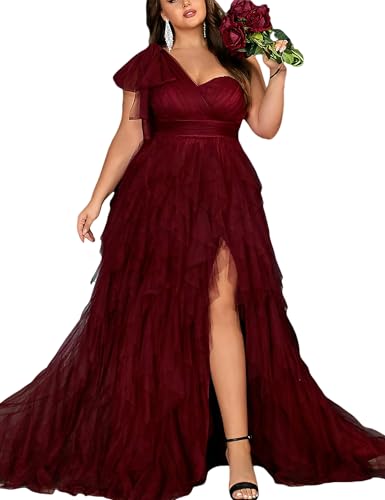
Eight in ten listings here are cut in plus sizes and a similar share mention weddings, but this is not a gown-heavy collection: only around one in eleven is described as a gown and a third are floor length.A third have sleeves, which is high for bridal, and around one in six is short. Lace appears in around one dress in five and maxi styles account for around a fifth.For structured white bridal gowns specifically, see plus size white dresses for weddings.











Plus Size Wedding Dresses: Frequently Asked Questions
Is this collection for brides or for guests?
Closer to guests and wedding party. With gowns at around one listing in eleven and trains almost absent, these are wearable dresses that suit a wedding rather than structured bridal gowns. The dedicated plus size bridal page covers the structured end.
Why do so many have sleeves?
A third do, which is high for bridal. Traditional bridal defaults to strapless, which is the least accommodating construction in extended sizes: it relies on the bodice gripping the ribcage while carrying skirt weight.
Which sleeve shape works best?
One that does not end at the widest part of the upper arm. Three-quarter sleeves ending below the elbow, full-length sleeves, or flutter sleeves that fall away from the arm all avoid that line.
Which silhouette is most forgiving?
A-line, which fits at the bust and flows from there. Empire, fit-and-flare and wrap styles all accommodate a wide range of measurements too. Ball gown conceals the hip completely but is difficult to sit in.
Does the closure matter?
More than most listings suggest. A long back zip carries strain across the widest point and is the seam most likely to gape. A corset back distributes strain across the whole back and can be adjusted after alterations.
Which fabrics are most comfortable?
Jersey and stretch crepe, which move with you and resist creasing when seated. Chiffon is the most forgiving woven option. Unlined satin and sequin display rather than disguise the fit underneath.
Does the sizing run small?
It depends how the dress is sold. Dresses sold as bridal run smaller than everyday clothing, often by two sizes. Contemporary occasion brands are usually closer to standard US sizing. Read each listing's chart.
Does height matter as well as size?
Yes. A dress is cut to a single length regardless of size, so a taller wearer will find the hem sits higher than it does on the model. Take your height without shoes alongside the other measurements.
How far ahead should I order?
Around three months. Extended-size occasion wear sells through fastest in the middle of the range, and you need room for one return and replacement plus alterations.
What This Collection Actually Holds
Worth being clear at the start, because the search term covers two different things and this page leans toward one of them.
A plus size wedding dress can mean the gown the bride wears, or it can mean a dress worn to a wedding by a guest, a mother, or a member of the party.
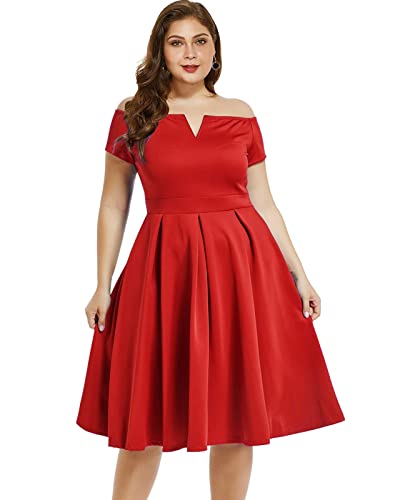
With gowns at around one listing in eleven and trains almost absent, this collection sits closer to the second reading: wearable, less structured dresses that suit a wedding rather than architectural bridal gowns.
That is useful if you want something you can move in, and unhelpful if you want a cathedral train. For the structured end, the dedicated plus size bridal collection linked above is the right place.
The Sleeve Share Is the Point
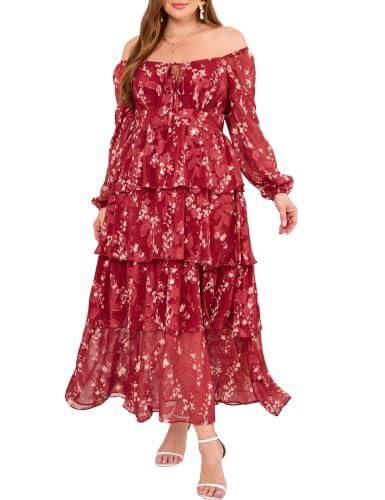
A third of these listings have sleeves, which is considerably higher than conventional bridal collections carry, and it reflects what people in extended sizes actually ask for.
Traditional bridal defaults to strapless, which is the least accommodating construction in extended sizes: it relies on the bodice gripping the ribcage while carrying skirt weight, and it leaves the arms entirely exposed.
Sleeved styles remove both problems. They also solve coverage for religious ceremonies and warmth for autumn and winter weddings.
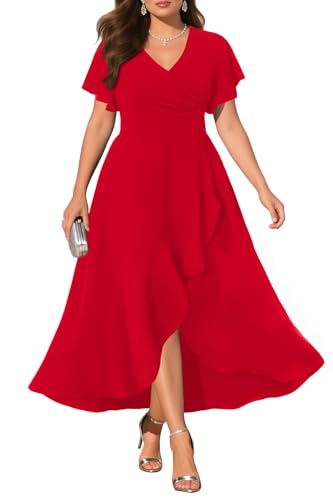
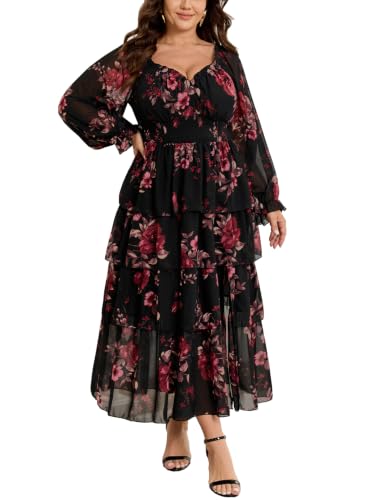
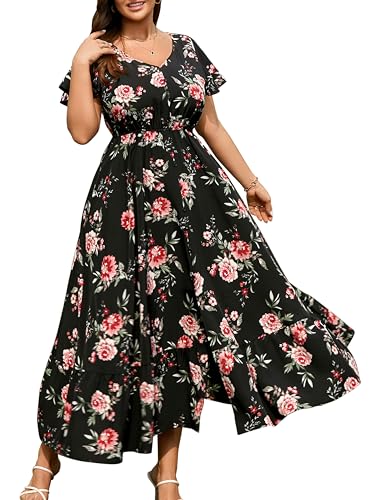
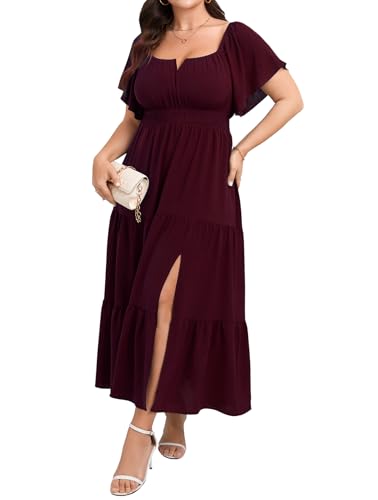
The sleeve shapes that work best in extended sizes are those that do not end at the widest part of the upper arm. A three-quarter sleeve ending below the elbow, a full-length sleeve, or a flutter sleeve that falls away from the arm all avoid that line. Short sleeves ending mid-bicep are the ones to approach carefully.
Length and What It Signals
A third of this collection is floor length and around one in six is short, with midi and tea lengths making up much of the remainder.
Floor length reads most formal and works at any ceremony.
Tea and midi lengths suit civil ceremonies, registry offices and daytime weddings, and are considerably easier to move in.
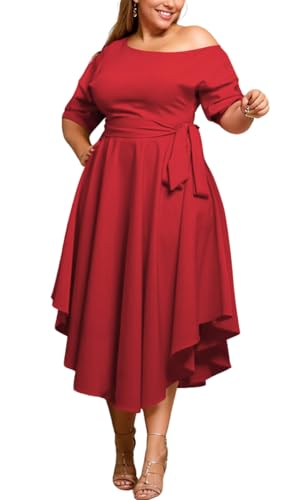
Short dresses here are mostly for bride-adjacent events rather than the ceremony itself: rehearsal dinners, showers, receptions after a change.
One practical note on length in extended sizes: a dress is cut to a single length regardless of size, so if you are taller than average the hem will sit higher on you than on the model. Height matters as much as width.
Fabric That Moves With You
Lace, at around one dress in five, sits over a lining and breaks up the surface, which disguises more than a smooth fabric does.
Chiffon, at around one in eleven, is the lightest option and the most forgiving across different body shapes, since it moves independently of the body rather than following it.
Jersey and stretch crepe appear throughout without always being named. These are the most comfortable across a long day because they move with you rather than constraining you, and they resist creasing when seated.
What to be careful with: unlined satin and sequin, both of which display rather than disguise the fit underneath, and neither of which is a fabric to size up in and hope.
Which Cuts Are Most Forgiving
A-line fits at the bust and flows from there, accommodating a wide range of waist and hip measurements without alteration. The most reliable choice and the easiest to wear all day.
Empire raises the waist seam under the bust and creates a long unbroken line below it.
Fit and flare defines the waist then releases at the hip, which suits anyone wanting waist definition without a fitted skirt.
Wrap and faux-wrap adjust across sizes and create a diagonal line that most people find flattering.
Ball gown appears in around one listing in eleven. It conceals the hip and thigh completely but needs floor space and is difficult to sit in at a crowded table.
Closures Matter More Than You Expect
This is rarely mentioned in listings and makes a real difference to how a dress wears.
A long back zip in a fitted dress carries strain across the widest point of the back, and it is the seam most likely to gape or fail.
A corset or lace-up back accommodates a wider range of measurements, can be adjusted after alterations, and distributes strain across the whole back rather than concentrating it on one line.
A side zip is easier to manage alone than a back zip, which matters if you are dressing without help.
Pull-on styles in jersey avoid the question entirely and are the most comfortable option for a long event.
Sizing Across Different Labels
This collection mixes bridal labels with contemporary brands, and the two size very differently.
Dresses sold as bridal run smaller than everyday clothing, frequently by two sizes and sometimes more. Dresses sold as evening or occasion wear are usually closer to standard sizing.
The labels appearing most often here, including SCOMCHIC and similar contemporary makers, generally follow standard US sizing rather than bridal sizing. Do not assume either way.
Take bust, underbust, waist, hip and height, and read the chart on the specific listing every time. The US size chart covers plus conversions.
Ordering Timeline
Allow around three months. Extended-size occasion wear sells through fastest in the middle of the range, and you need room for one return and replacement plus any alterations.
Buy at whichever measurement is largest and pay a tailor to bring the rest in. Going the other way is capped by however much seam allowance the maker left, and in ready-to-wear that is rarely much.
Related Collections
For structured white bridal, see plus size white dresses for weddings. For formal occasions generally, browse formal dresses for plus size women. Sleeved bridal across all sizes sits in wedding dresses with sleeves.