
Winter wedding outfits
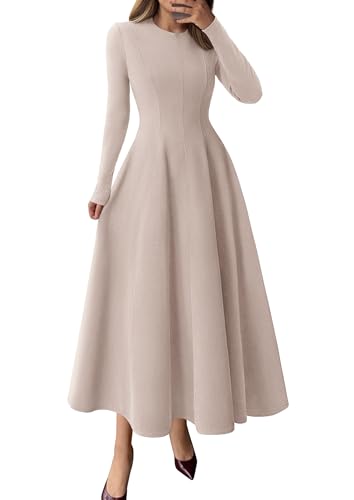
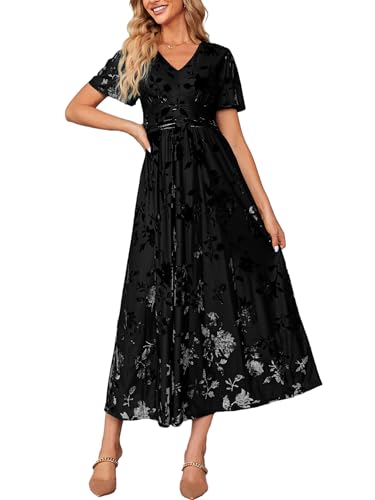
This is a wedding guest collection rather than a bridal one. Only around one listing in five mentions weddings for the bride, while a similar share mentions guests, and the labels here are contemporary everyday brands rather than bridal or occasion houses.Long sleeves account for around four in ten listings, which is the highest share of any collection on the site and exactly what a winter wedding asks for. Just under half are floor length, with maxi at around a quarter and midi at just under a quarter.For bridal winter options, see wedding dresses with sleeves.
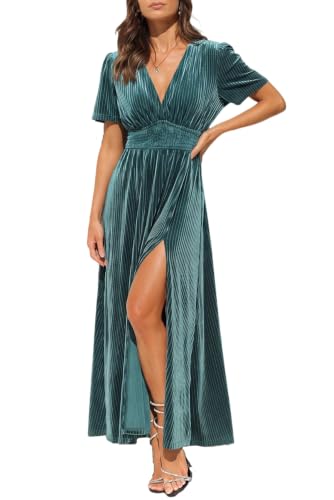
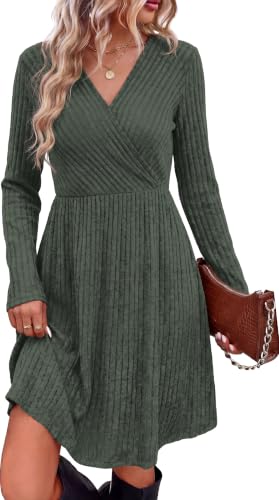
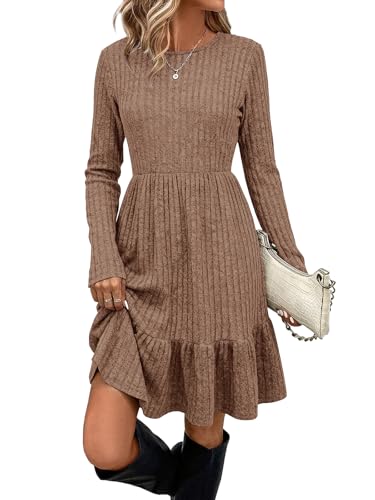









Winter Wedding Guest Outfits: Frequently Asked Questions
Is this collection for brides or guests?
Guests. Only around one listing in five mentions weddings for the bride, and the labels here are contemporary everyday brands rather than bridal houses. For bridal winter options, the sleeved bridal collection is the right place.
What is the real difficulty at a winter wedding?
The journey rather than the venue. Car parks, walks, outdoor photographs and waiting for a taxi at the end are the cold parts; the venue itself is heated. The outfit has to work at two temperatures.
What should I wear over the dress?
A tailored coat in a solid color, a faux fur stole, a fine-knit long cardigan, or a cape. Avoid a padded winter coat over an occasion dress, which flattens the shape and reads badly in arrival photographs.
Does length keep me warmer?
Less than fabric weight does. A floor-length dress in thin fabric is colder than a midi in a heavy one. Velvet, ponte and crepe give real warmth; chiffon and lace over mesh give almost none.
Do sheer sleeves keep me warm?
No. A lined solid sleeve gives real warmth; a sheer lace or mesh sleeve gives none. Treat a dress with sheer sleeves as sleeveless for warmth purposes and plan the layer accordingly.
What about tights and shoes?
Opaque tights in a dark tone read appropriate at a winter wedding, and fleece-lined versions are considerably warmer than they look. Closed-toe shoes only, and a block heel is more stable on wet paving or frost.
Which colors suit a winter wedding?
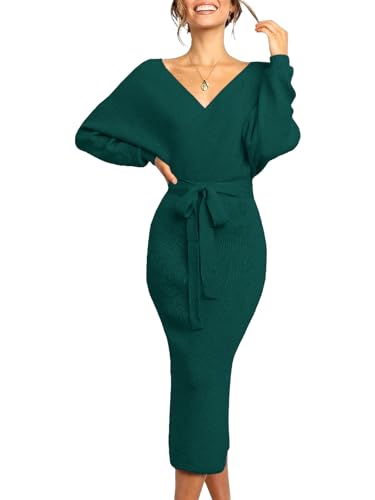
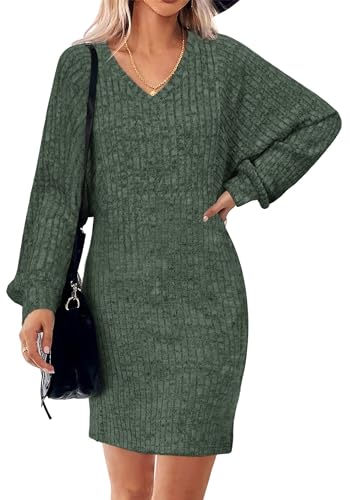
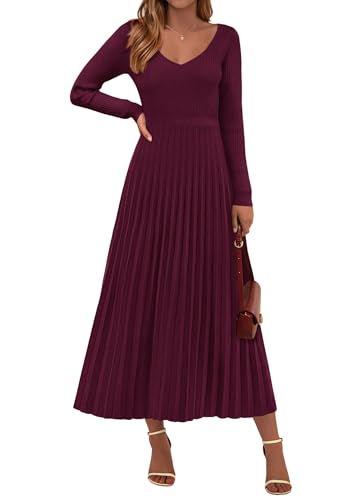
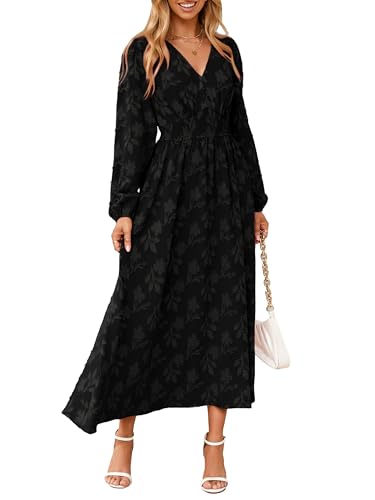
Deep jewel tones: emerald, burgundy, navy, plum and forest green. Black reads elegant rather than somber in winter. Pale pastels read spring and can look out of season.
Does the early dark affect anything?
Yes. Winter ceremonies often start in daylight and finish after dark, so the outfit is photographed under two lighting conditions. Deep saturated colors hold their character in both; pale and metallic shades shift most.
Should I size up for layers underneath?
If you will wear a slip or thermal layer, allow for it when choosing rather than ordering to fit bare. Several of the contemporary brands here also run smaller than standard US sizing.
The Problem Is the Journey, Not the Venue
Most winter wedding advice worries about the ceremony. In practice the venue is heated and the difficulty sits either side of it.
Getting there means a car park, a walk, possibly a wait outside for photographs. Getting between ceremony and reception often means the same again. Then there is the end of the night, standing outside waiting for a taxi.
So the outfit has to work at two temperatures, not one, and the thing that solves this is a layer you can take off rather than a warmer dress.
A dress warm enough for the car park is too warm for a heated reception, and a dress right for the reception leaves you cold everywhere else.
What to Wear Over It
This is the decision that matters most and it is usually made last.
A tailored coat in a solid color is the most practical and the least considered. It will appear in the arrival photographs whether you planned for it or not, so it may as well suit the outfit.
A faux fur stole or wrap is warmer than it looks, reads distinctly occasion rather than everyday, and is small enough to leave on a chair.
A long cardigan or duster in a fine knit works indoors as part of the outfit rather than as outerwear.
A cape gives coverage without sleeves, which suits anyone who finds a coat over a fitted sleeve uncomfortable.
The one to avoid: a padded winter coat over an occasion dress, which flattens the shape entirely and reads badly in photographs.
Fabric Weight Matters More Than Length
A floor-length dress in a thin fabric is colder than a midi in a heavy one, which is not obvious until you are standing in it.
Velvet is the warmest common occasion fabric, holds deep color richly, and reads seasonal without being obvious about it.
Ponte and heavy jersey are the most comfortable across a long day, stretch with you, and resist creasing when seated.
Crepe has body without bulk and works at any level of formality.
Chiffon, lace over mesh, and anything described as flowing gives almost no warmth regardless of how much of you it covers. A full-length chiffon gown is a summer dress at winter length.
Sleeves, and What Kind
Around four in ten listings here have long sleeves, which is the point of the collection.
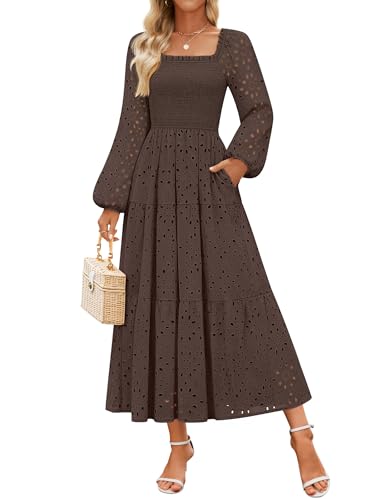
A lined solid sleeve gives real warmth. A sheer lace or mesh sleeve gives none, and this distinction is the one people get wrong most often.
If a dress you like has sheer sleeves, treat it as a sleeveless dress for warmth purposes and plan the layer accordingly.
Around a quarter of listings are midi length, and a midi with long sleeves plus opaque tights is warmer in practice than a sleeveless maxi.
Legs and Feet
The part of a winter outfit that gets least attention and causes most discomfort.
Opaque tights in a dark tone are warmer than sheer and read appropriate at a winter wedding in a way they would not in summer. Fleece-lined tights exist and are considerably warmer than they look.
Closed-toe shoes only. Open toes in December are uncomfortable and read out of season.
A block heel is more stable than a stiletto on wet paving, frost or gravel, all of which a winter wedding involves.
If the venue has any outdoor element, consider arriving in boots and changing. Carrying a second pair of shoes is unglamorous and standard practice.
Colors That Read Winter
Deep jewel tones carry the season: emerald, burgundy, navy, plum and forest green.
Black is entirely acceptable at a winter wedding and reads elegant rather than somber, which is less true in summer.
Metallics suit evening receptions, which winter weddings often are because it is dark by four in the afternoon.
Pale pastels read spring and can look out of place, though winter white and ivory work if you are certain the couple has no objection, which for most weddings means avoiding them.
The Early Dark
A detail worth planning around: winter ceremonies frequently start in daylight and finish after dark.
That means the outfit is photographed under two completely different lighting conditions, and a color that reads one way outdoors at two in the afternoon reads another under artificial light at six.
Deep saturated colors handle this best, since they hold their character in both. Pale and metallic shades shift most.
Sizing
Around one listing in eleven is plus size, which is thin coverage.
The brands here are contemporary everyday labels, several of which run smaller than standard US sizing. Read each listing's chart rather than assuming.
Take bust, waist, hip and height. For anything with fitted sleeves, add upper arm, since a sleeve cannot be let out.
One practical note: if you will wear a slip or thermal layer underneath, allow for it when choosing a size rather than ordering to fit bare. The US size chart covers conversions.
Related Collections
For sleeved formal wear, see long sleeve formal dresses. For deep winter colors, browse dark green formal dresses. For the full guest range, see wedding guest dresses.